Archive
Denali, Alaska
Our Alaska adventure started with an overnight in Anchorage, where we joined our “Travel with Alan” group. The next day we took the scenic dome train to Talkeetna, and on to Denali. While on the train we were lucky enough to catch sight of the Denali mountain itself, only 30% of Denali visitors actually get to see the mountain.
The next day we had an excursion deep into the park itself. Our hide, a retired salmon fisher, and an Iditarod participant, Gabe an excellent overview of life in the wild. We got to see caribou and a blond grizzly, along with a variety of smaller critters. No moose, though.

Where we were
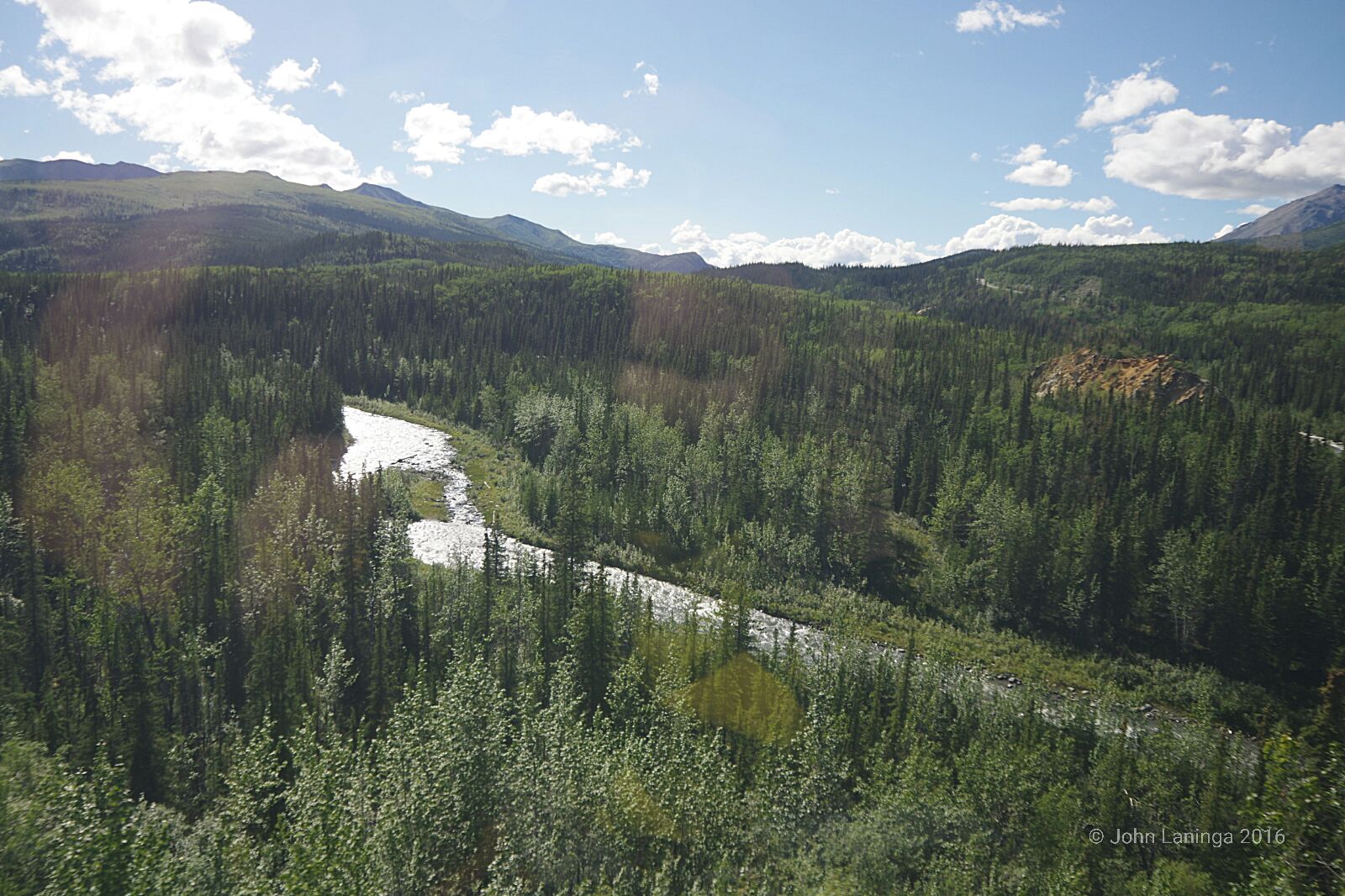
One of the many rivers

Denali foothills
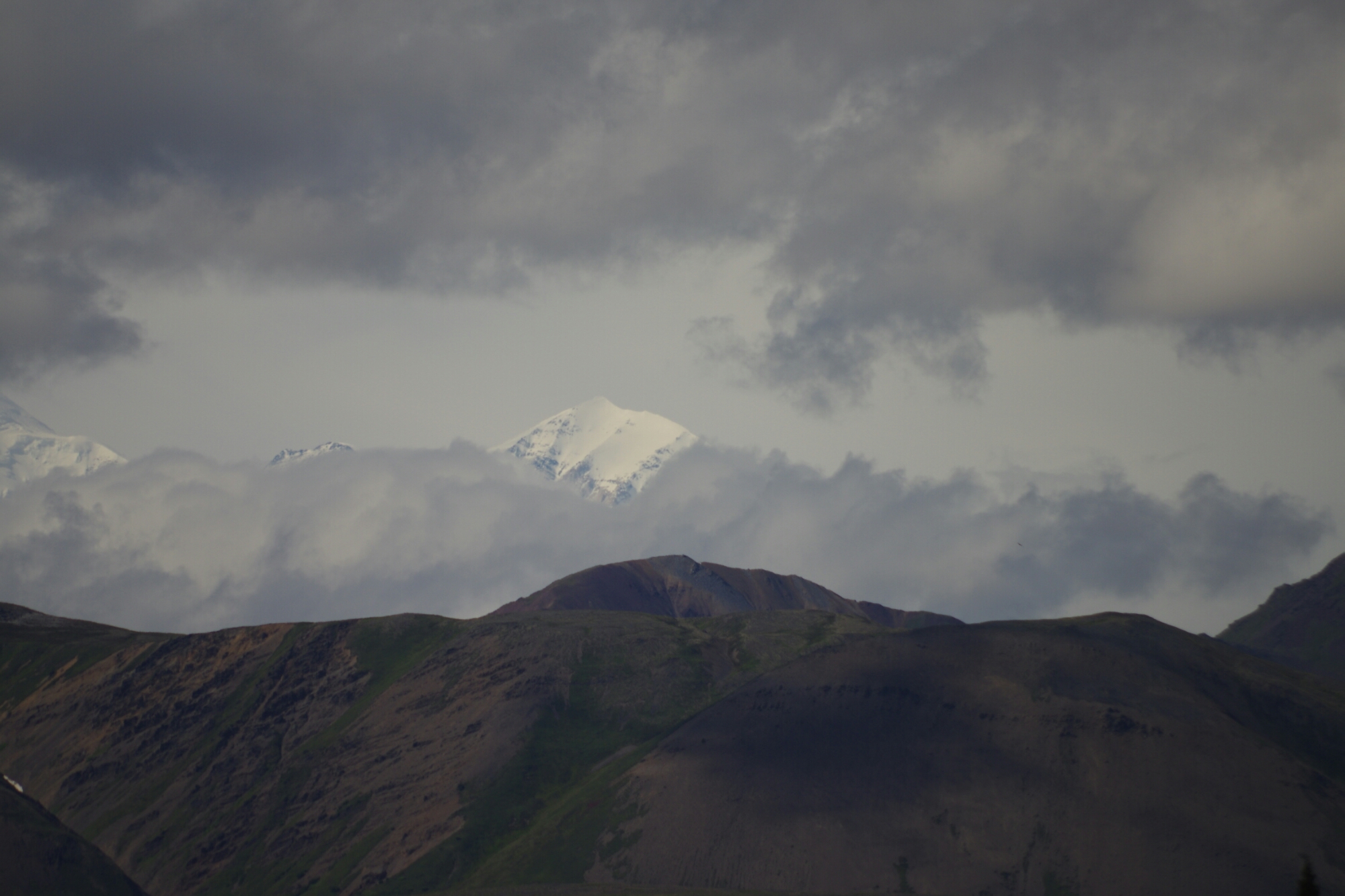
Denali, the mountain
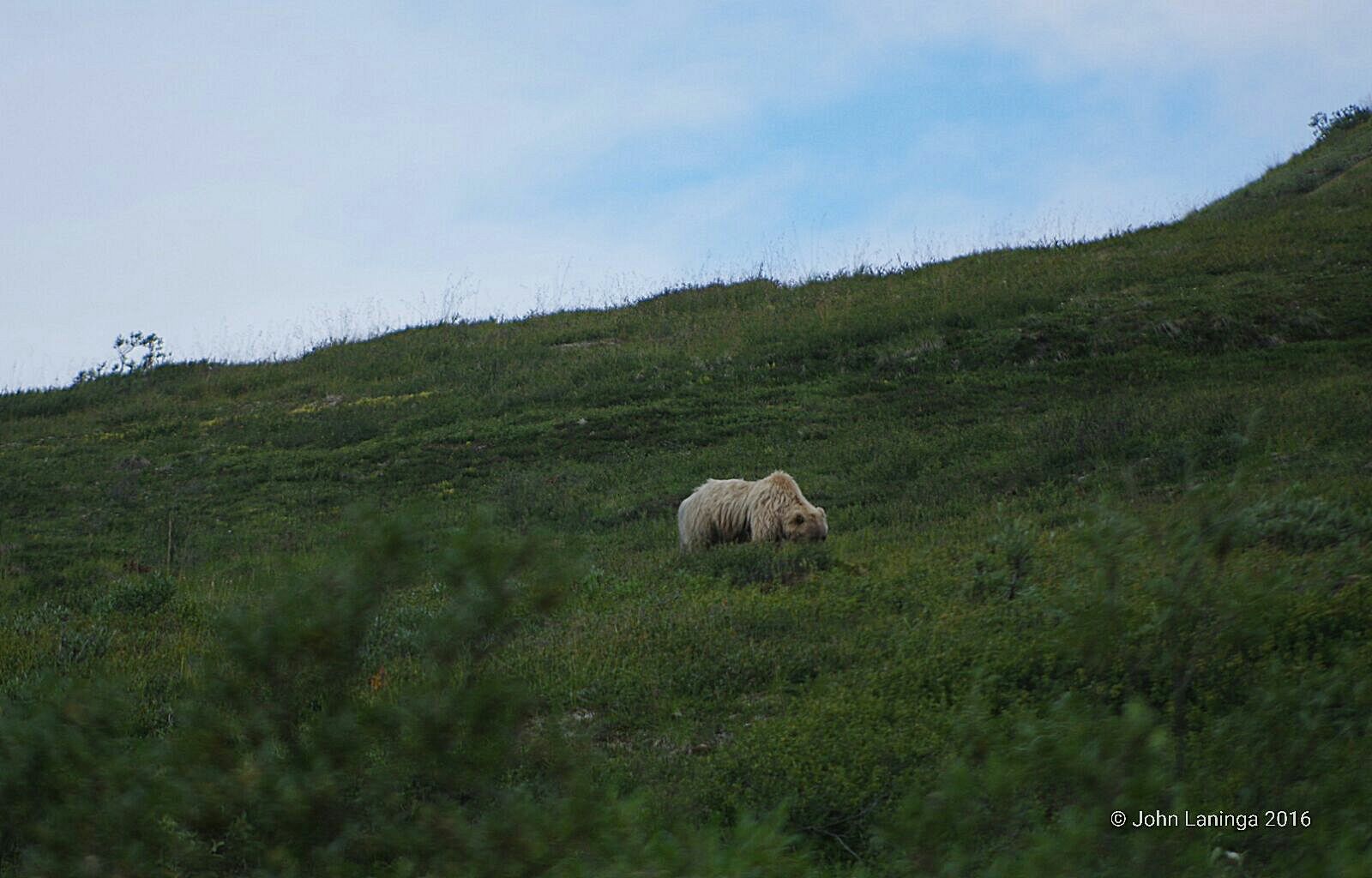
Blond grizzly
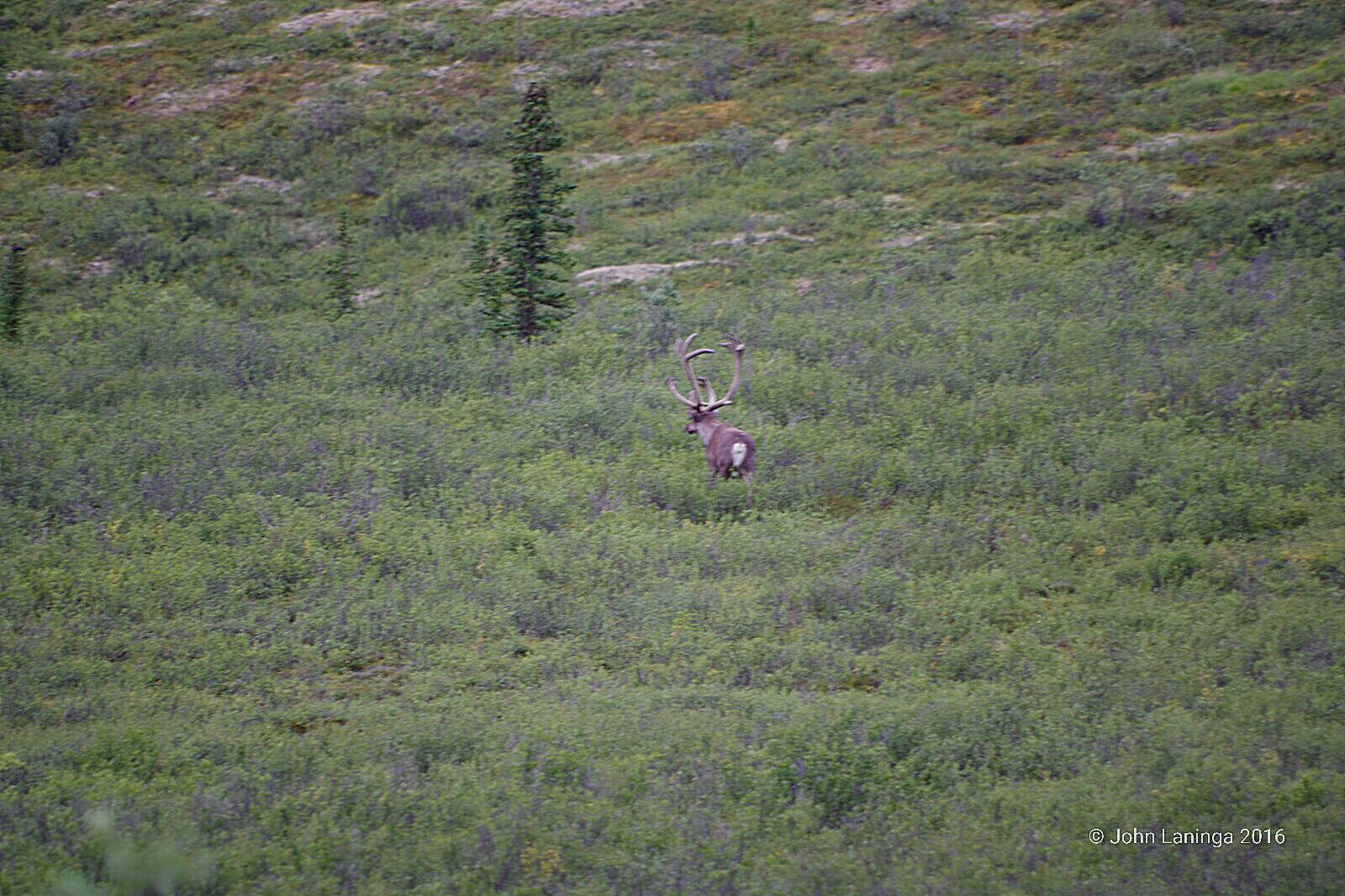
Male caribou
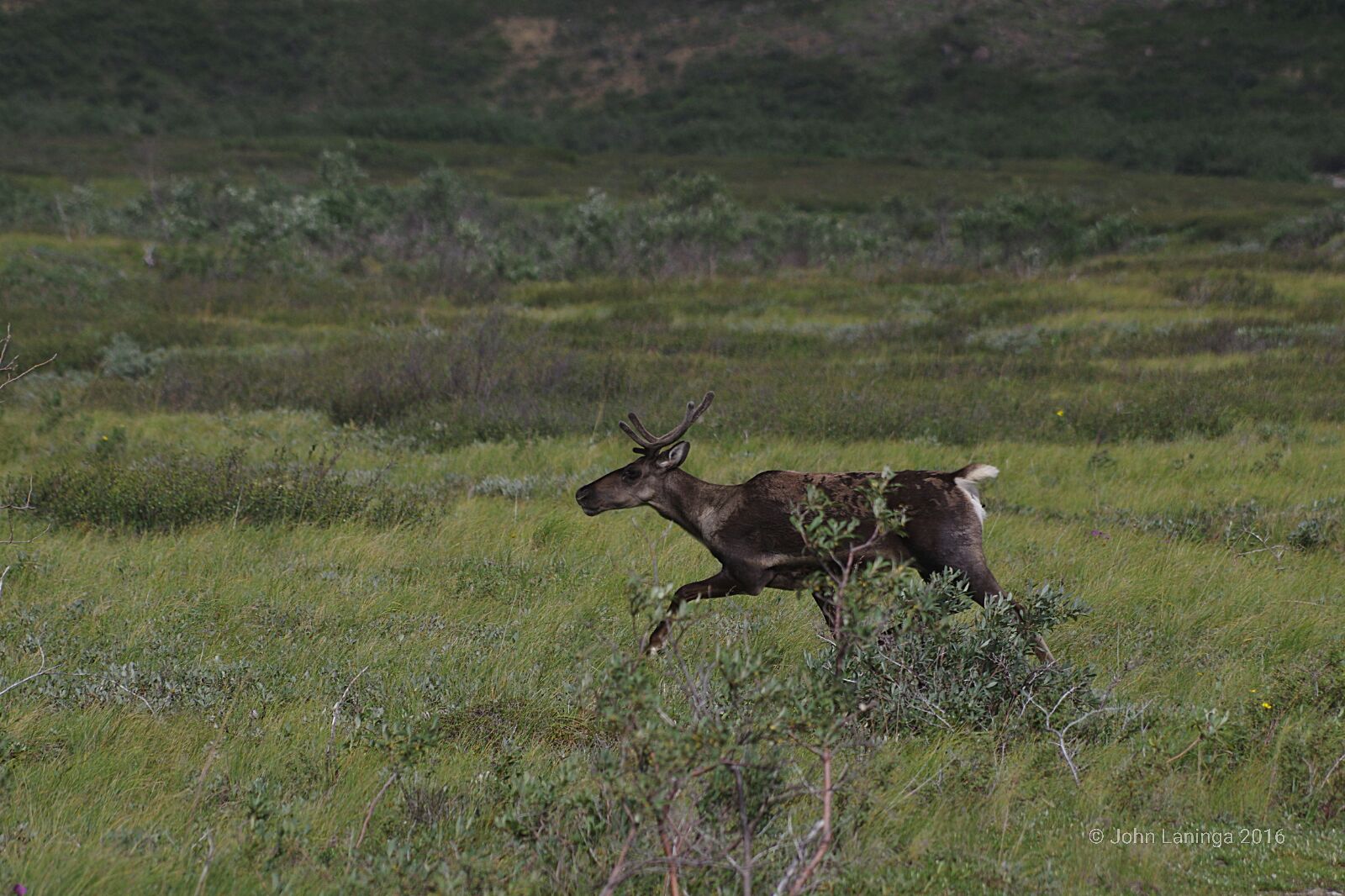
Female caribou
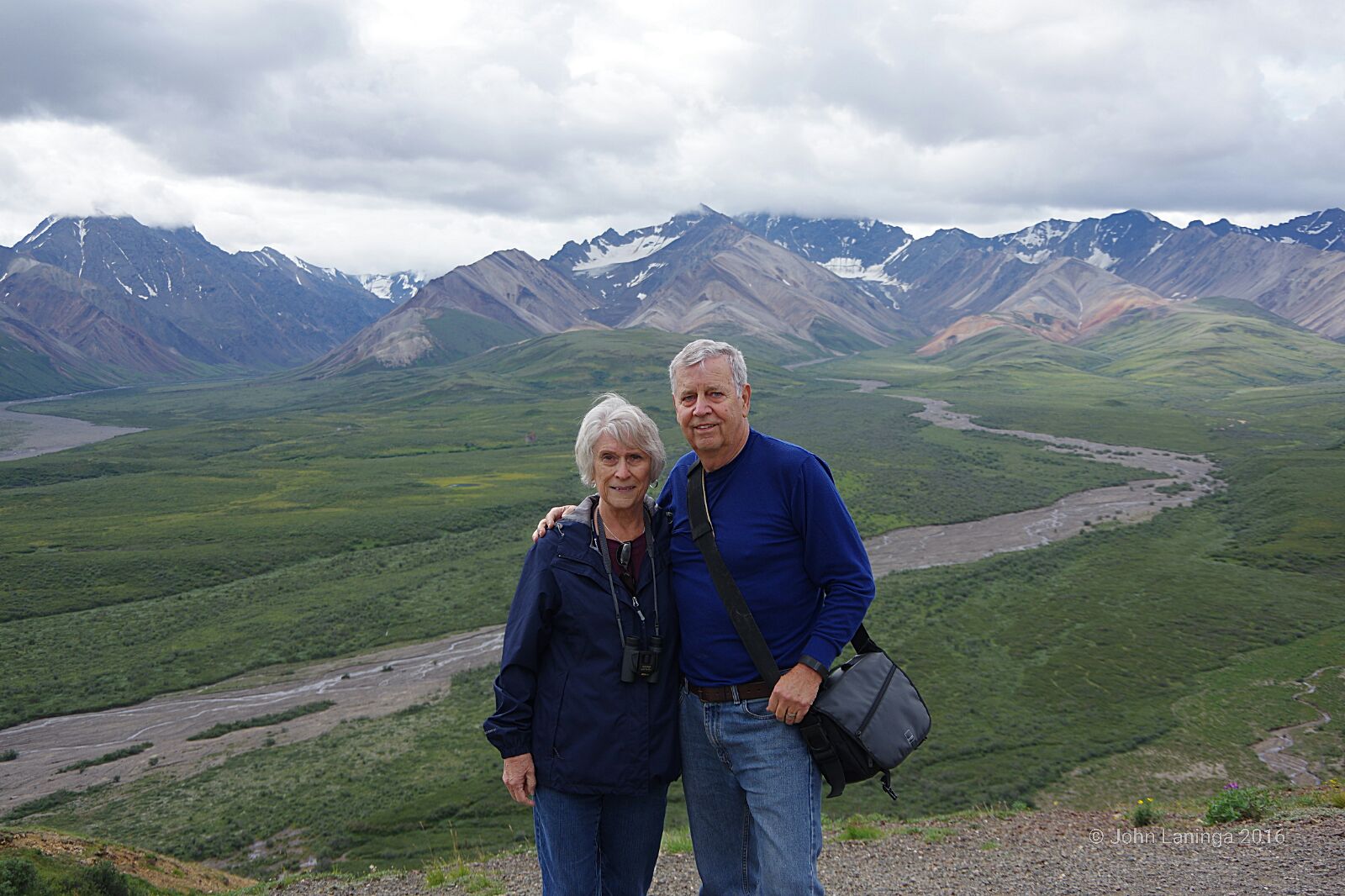
John and Romola
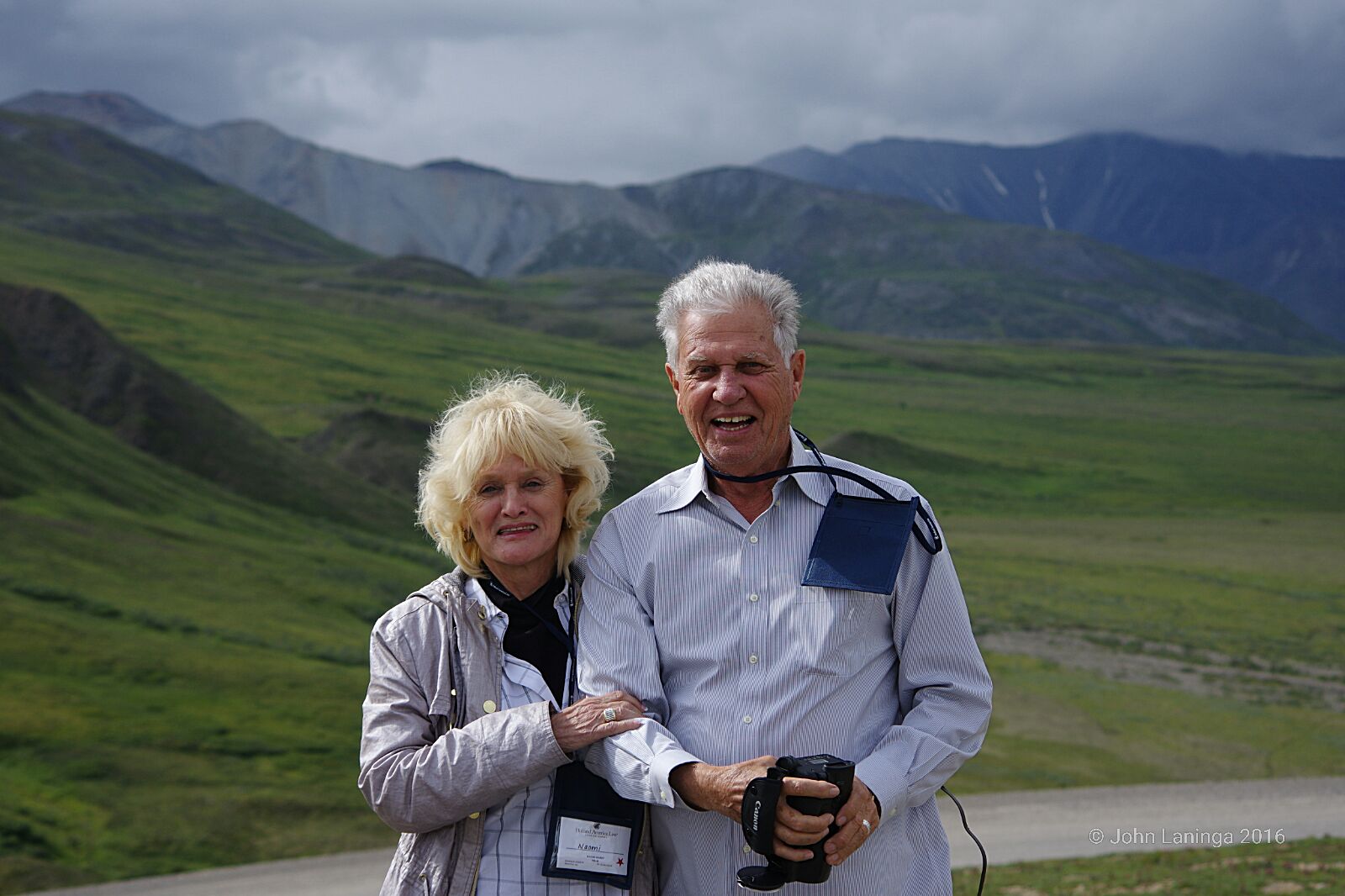
Naomi and Larry
Capulin Volcano, NM
Every year, when we move from/to Colorado, we drive by Capulin Volcano, and every year we say “We should visit that thing!”. Well, this year we did, and we’re glad we did.
Capulin is a cinder cone volcano, about 10,000 years old. In a cinder cone, most of the lava escapes through cracks at the base of the volcano, not out of the top. However, there is a lot of gasses and molten lava spewing into the air, giving some unique features to the surrounding area.
The drive up is not for those with fear of heights, as there is no railing and a very deep drop off. Once at the top, there is a mile long trail along the top. A bit difficult as it is very steep but worth the effort. Views are amazing!


Walk with me in Vancouver, BC
I’m in Vancouver to attend the memorial service for my oldest nephew, Alan. He passed unexpectedly and will be missed by family and friends. Not the reason for a visit you would hope for.
But since I’m an early riser (and still some jet lag from my recent return from Barcelona), and the weather was beautiful, I took a nice early morning walk. Stanley Park is just a few blocks from my hotel, so the obvious place to walk. Vancouver had to be one of the most beautiful cities ever.
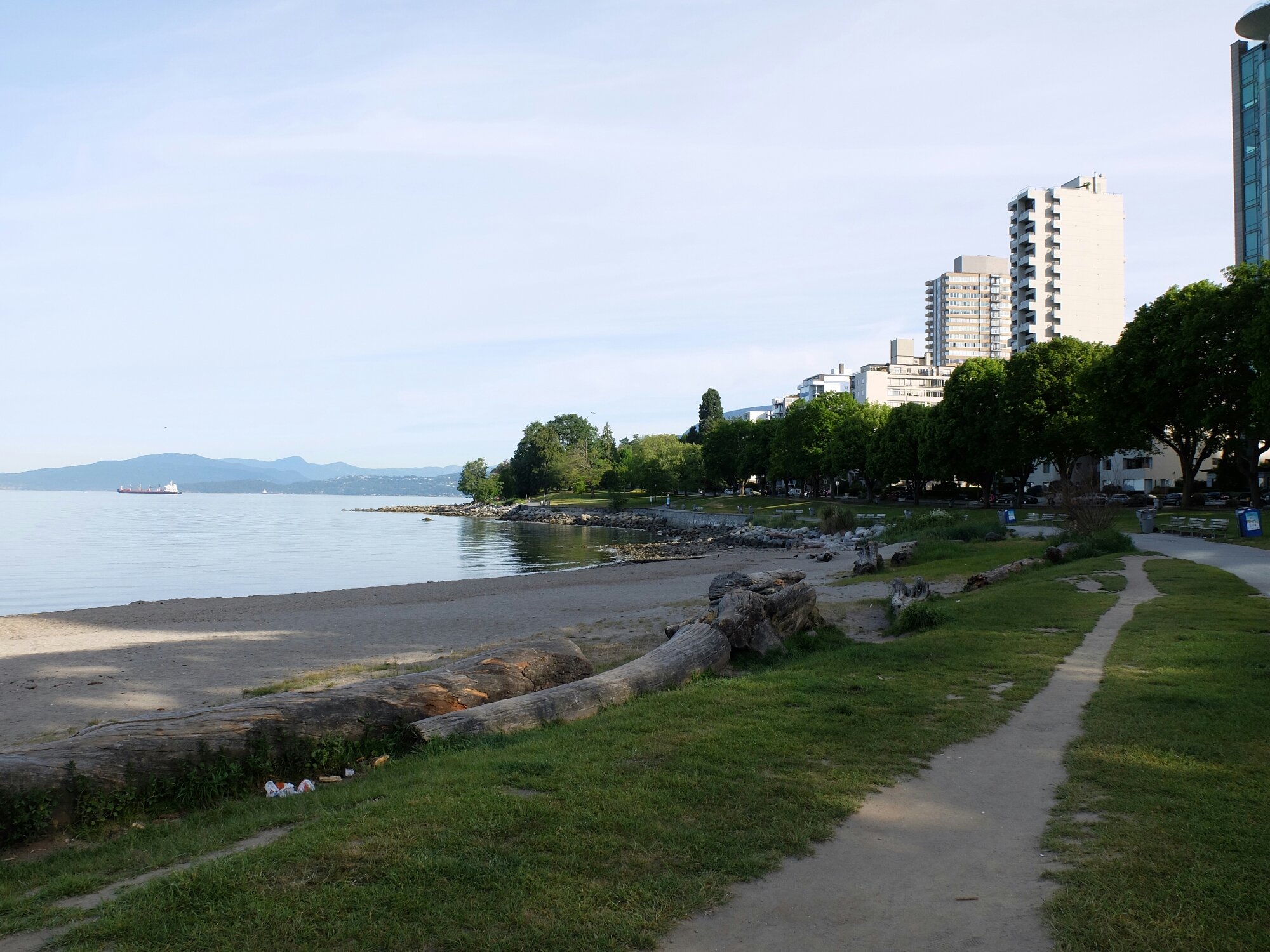
Looking towards the bay, Stanley Park on the right
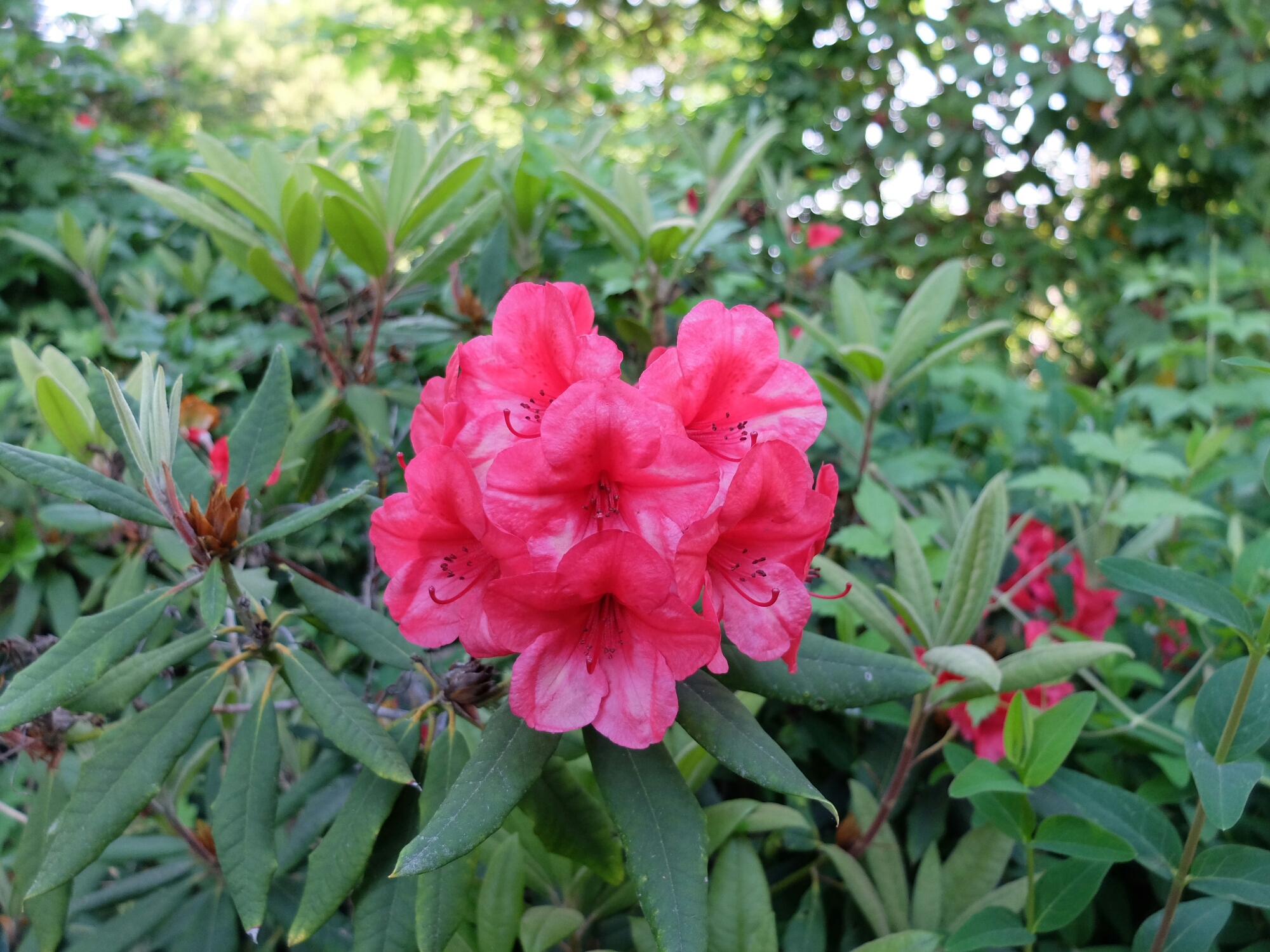
Lots of flowers in the park

And lots of colors
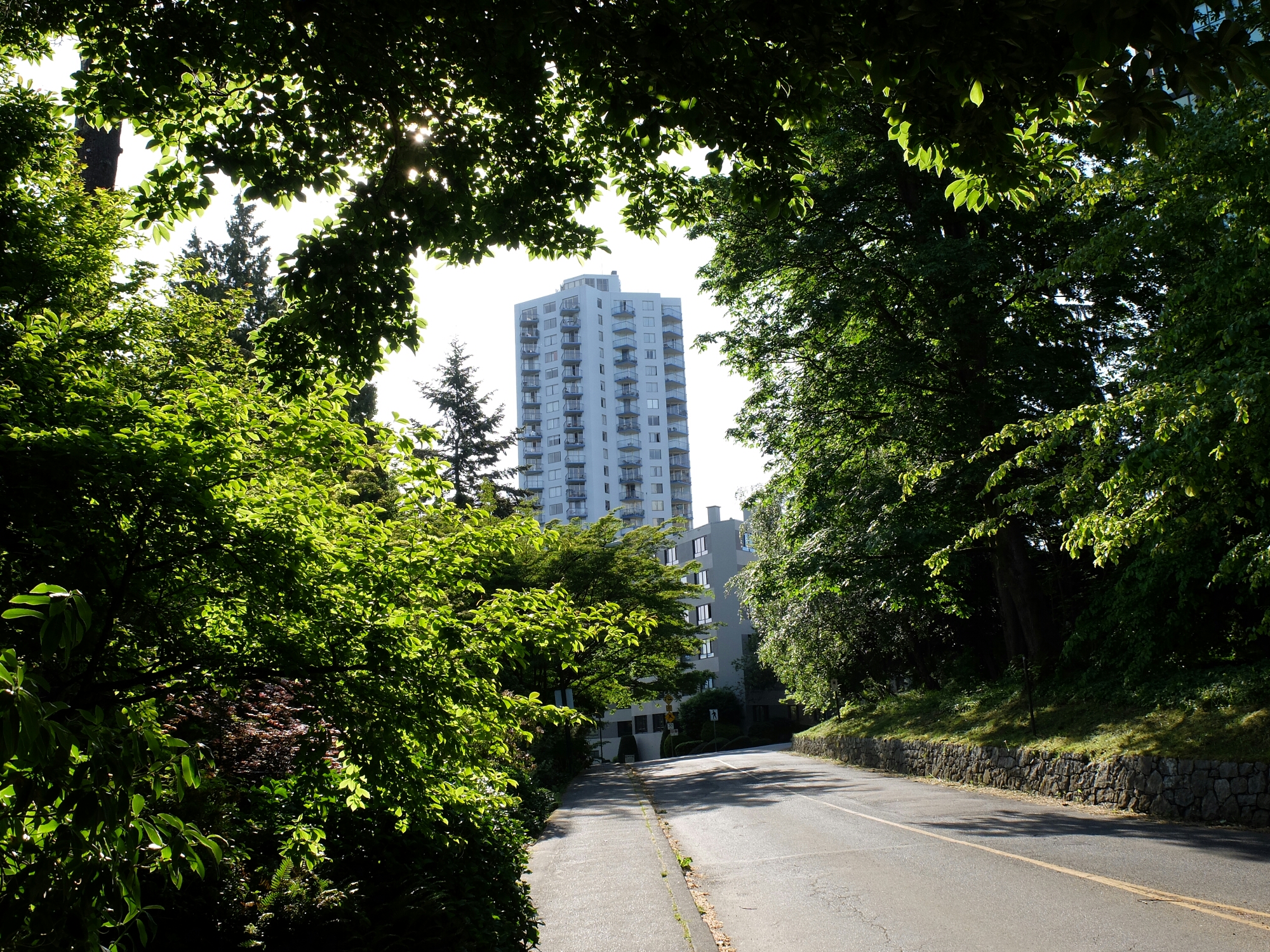
My sister in laws apartment
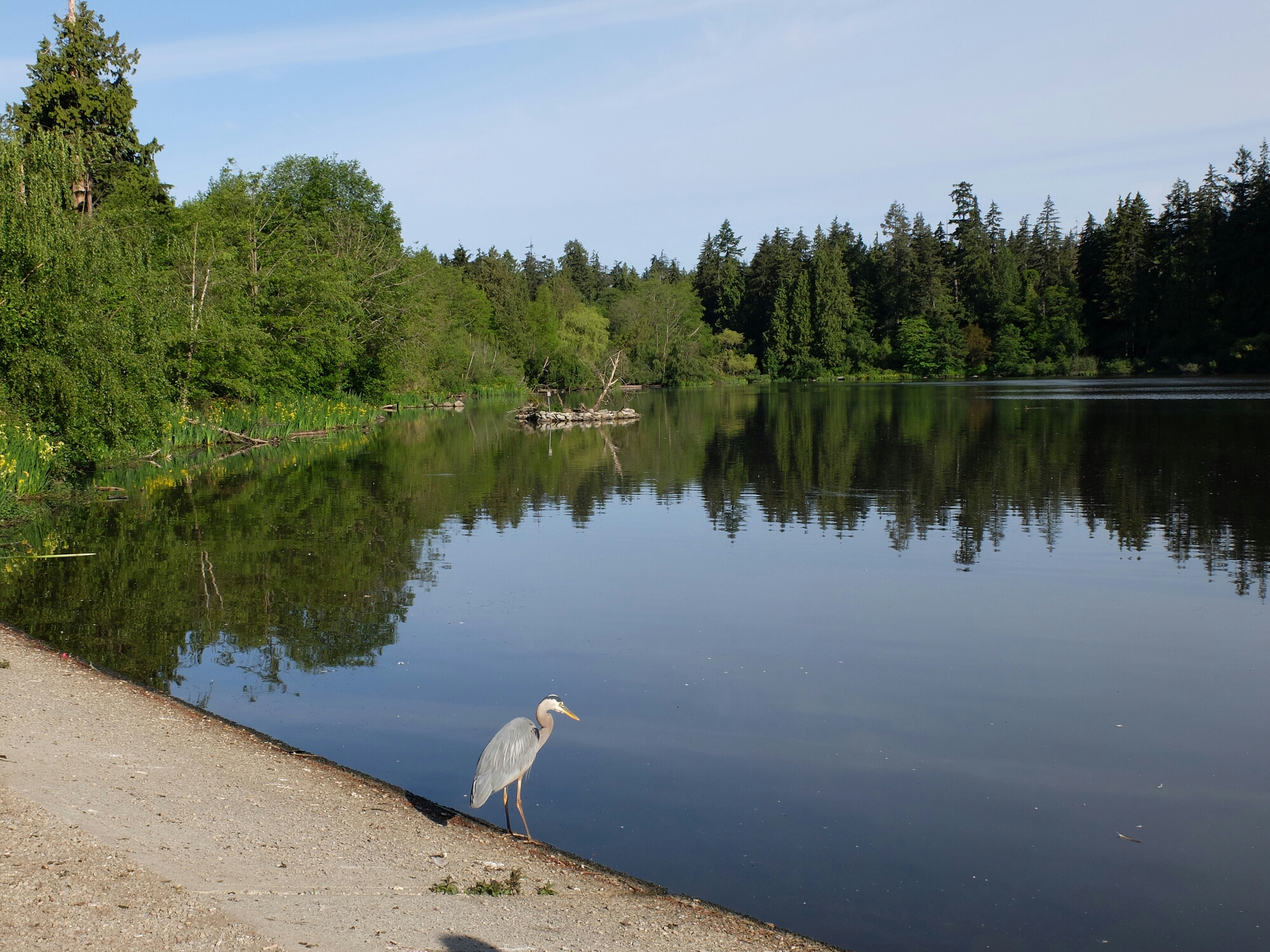
A heron patiently waiting for breakfast

Vancouver yacht club
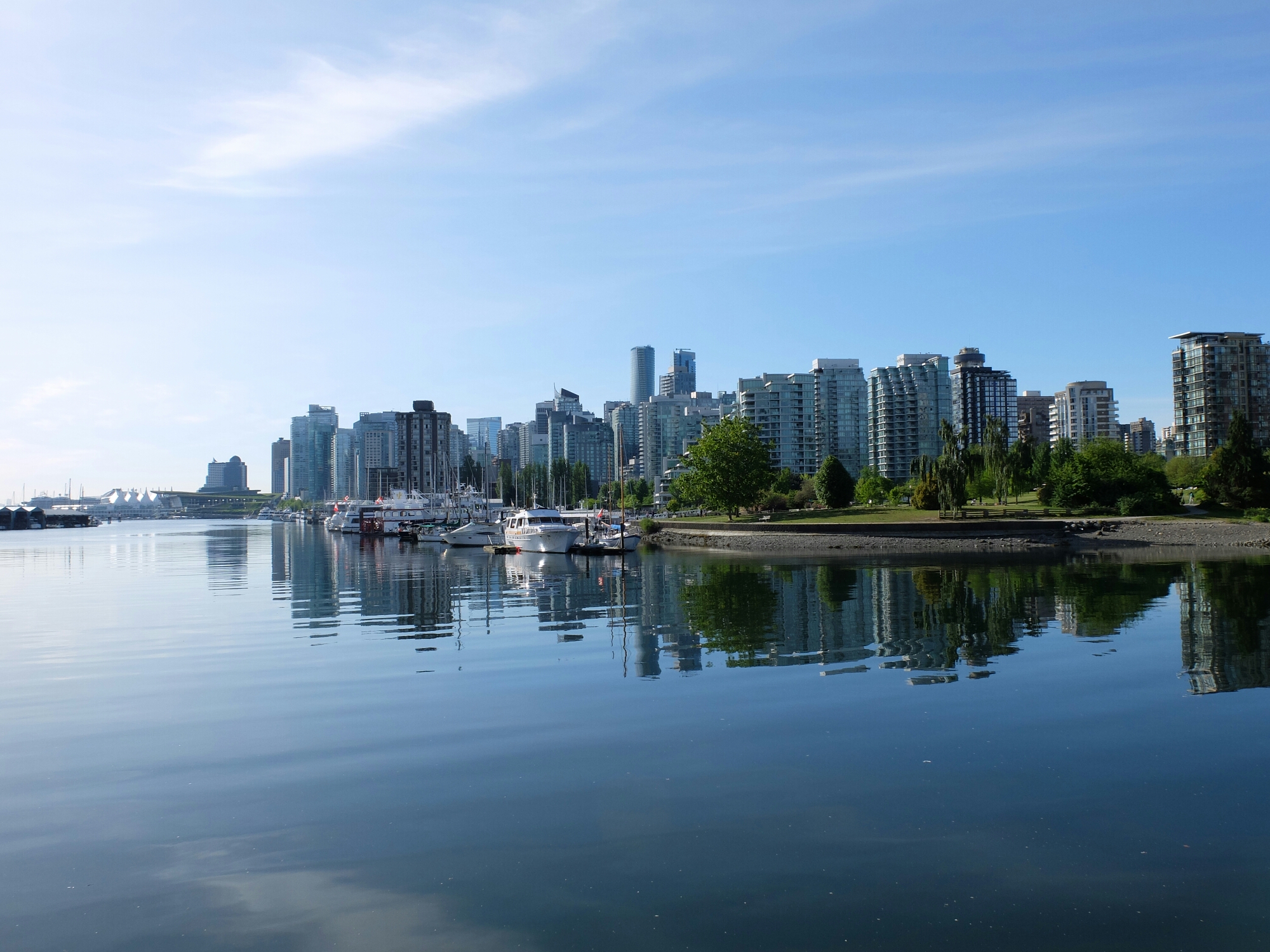
A skyline view

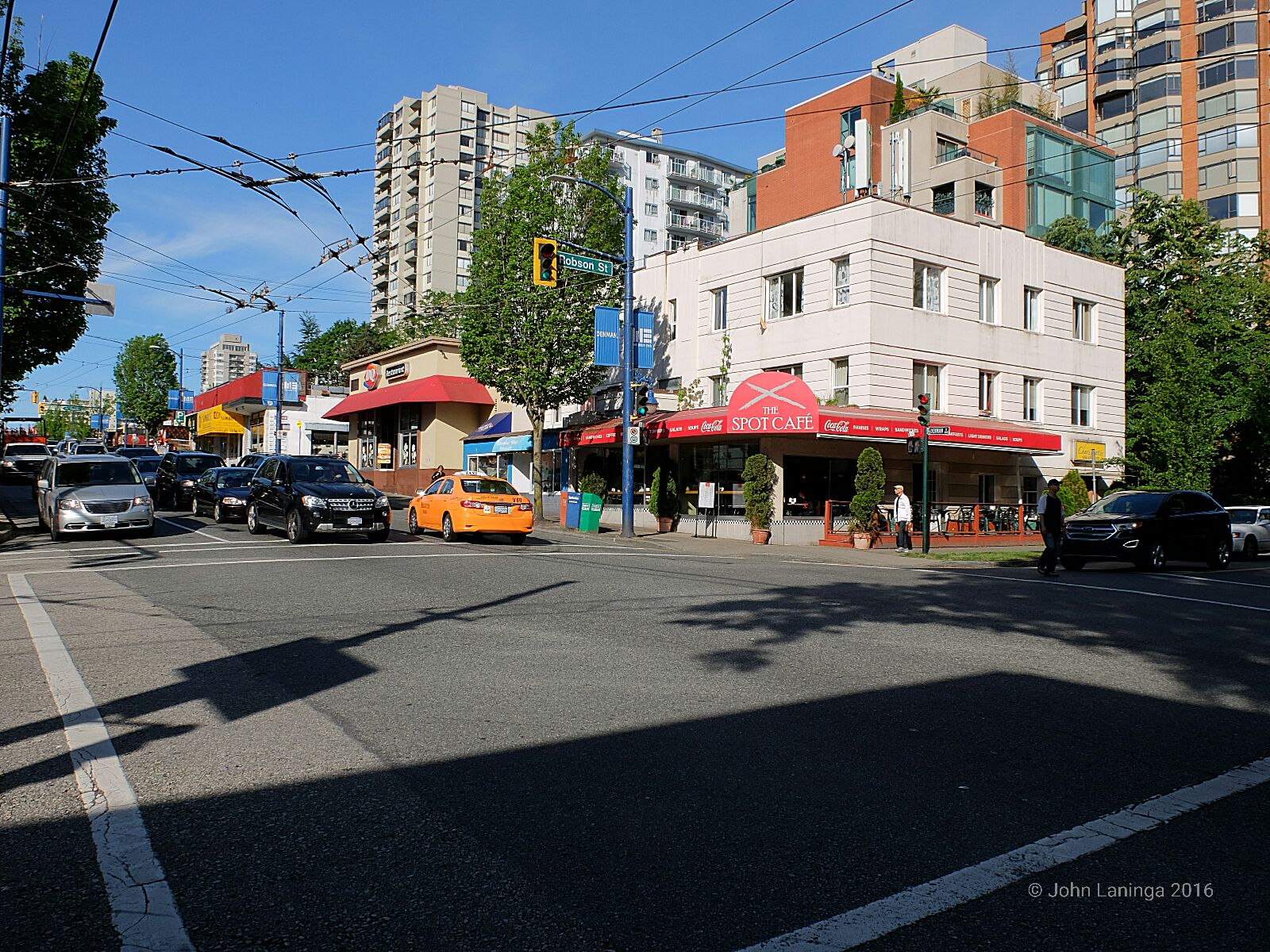
Denman strèet. Just about any ethnic food you may want.
Art Car Parade, Houston
Every year Houston holds an Art Car Parade. This is a parade that anyone can enter that has a car (or at least a moving mode of transportation) that has been customized for the occasion. This brings out the best in the would be custom car builders: some are whimsical, some are laughable, some are political, but all are enjoyable.
So we drove on down, found a place to put down our lawn chairs, and enjoyed the spectacle. BTW, if you ever plan to attend, come early… it is very popular and good places (and food) are hard to find.
Here are some of the pictures, many more in our Photo Albums, see Art Car Album. No attempt was made at a description, these are far beyond descriptions!


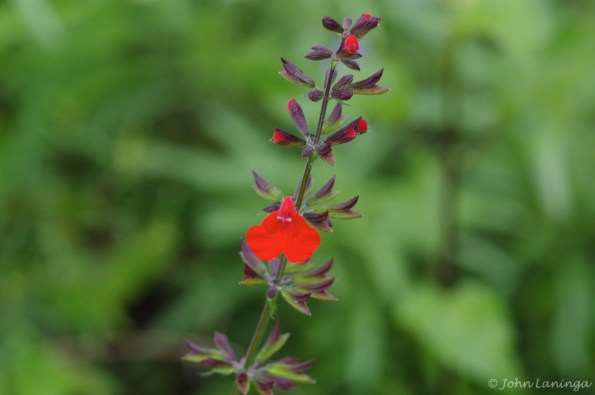
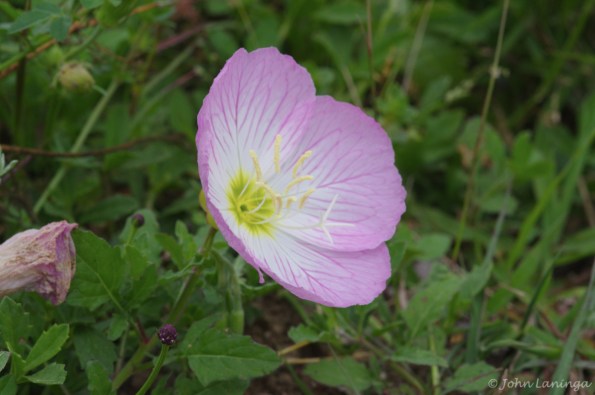
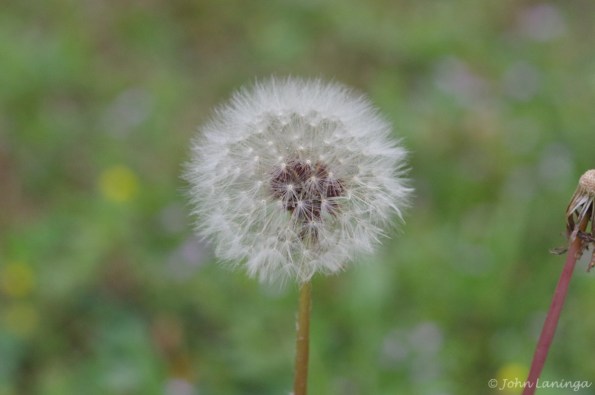
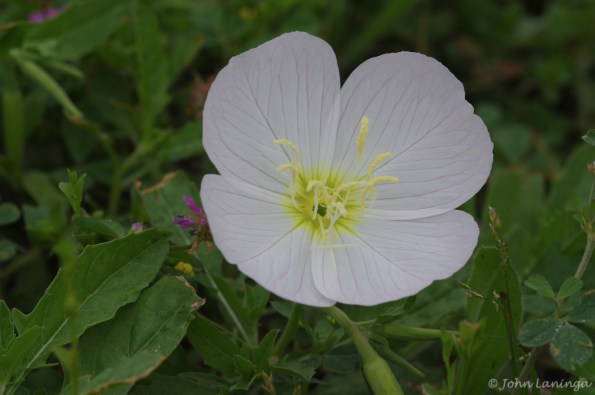
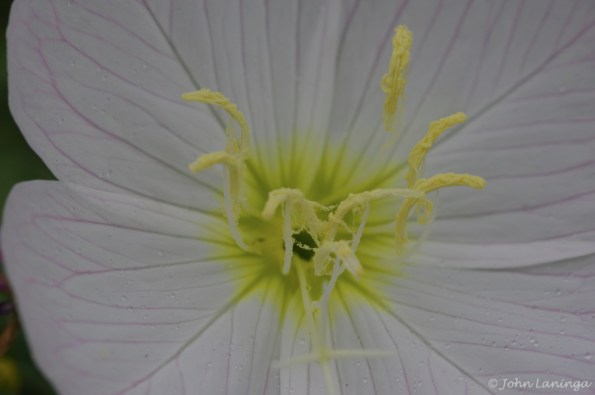
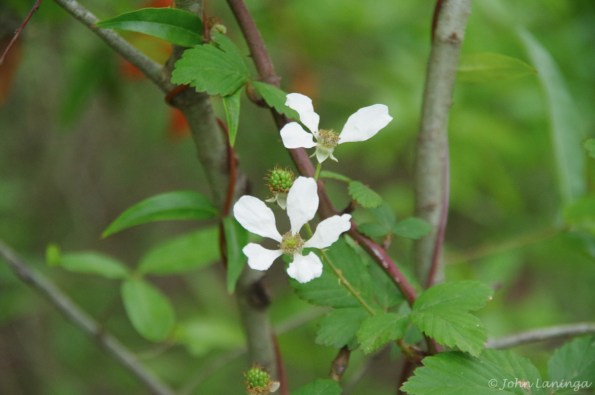
Time for spring flowers
Spring is here, and so are the wildflowers. We had the bluebonnets a few weeks ago (see other blog), but now flowers are appearing all over the place. Here are a few that I took with my new Pentax K-3ii camera with 105mm Macro lens.
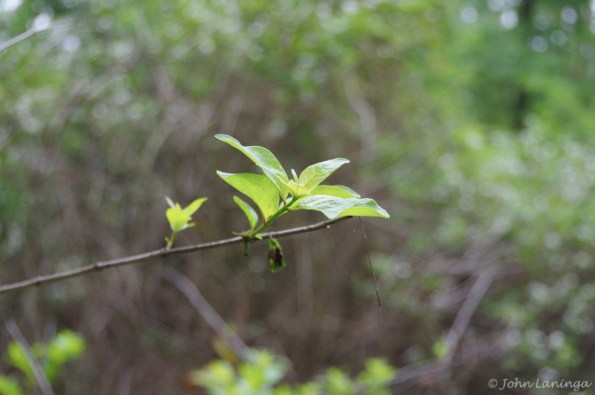
-1-
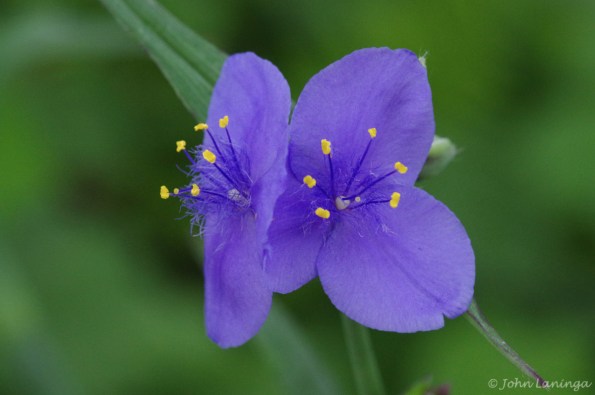
-2-
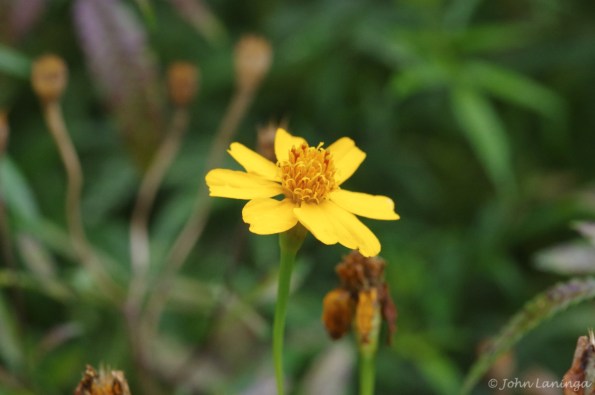
-3-
-4-
-5-
-6-
-7-
-8-
-9-
Bluebonnet time in Texas
Spring time brings out the bluebonnets in Texas! Many times, next to the highway or other public area. I was lucky to find a field close to where we are currently camped that had a good field of bluebonnets. They weren’t as thick as some other places we’ve seen, but still lovely to look at and admire. Even caught a bee hard at work!
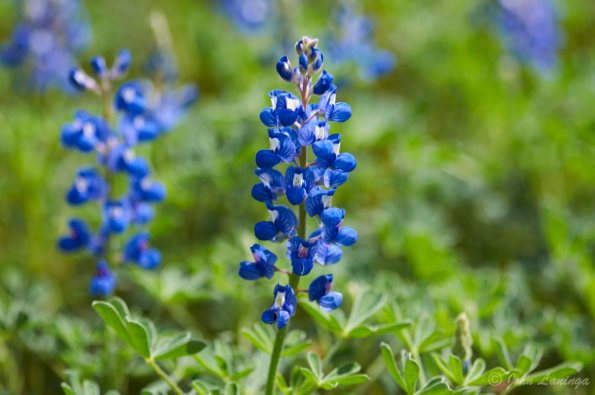
A closeup of one of the flowers
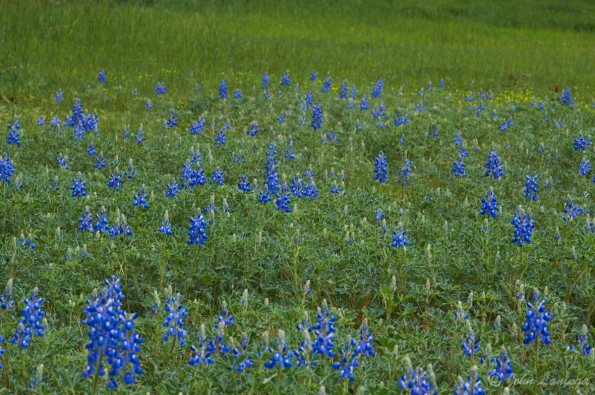
A field of bluebonnets
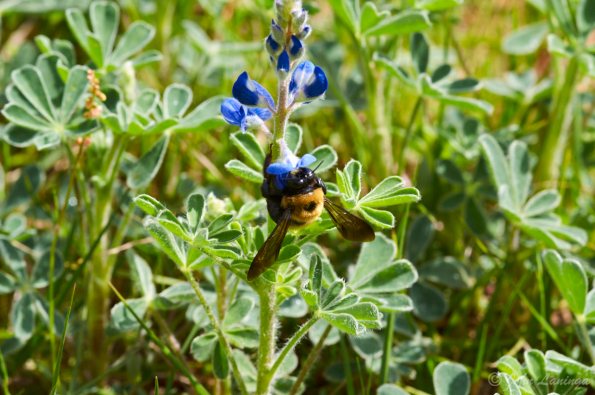
A bee hard at work
Santa Fe, New Mexico
Santa Fe is one of the top tourist destinations in the country. And why not, it has a strong history; it’s roots go back to the 1050’s Pueblo Indians. Many cultures make up today’s population, including Indian, Mexican, and Spanish eventually being as we know it today. It is the oldest, and highest, capital city in the USA.
Although it is a desert city, it is only 15 miles from the Sangre de Cristo Mountains. Architecturally, it has adopted the Spanish Pueblo look, often referred to as Adobe, with thick walls to help even out the rather drastic temperature fluctuations. Santa Fe is also known for food, with heavy emphasis on spices and strong local flavors. And the art scene is well known with many galleries and exhibits.
Less well known, during World War II Santa Fe was the location of a Japanese American internment camp. The site was also used to hold German and Italian nationals. In 1943, the camp was expanded to take in 2,100 men of Japanese Americans who had renounced their U.S. citizenship. The camp was closed and sold of in 1946.
We enjoyed our week in Santa Fe and learning more about its culture, its food, its art and also some very nice hikes!
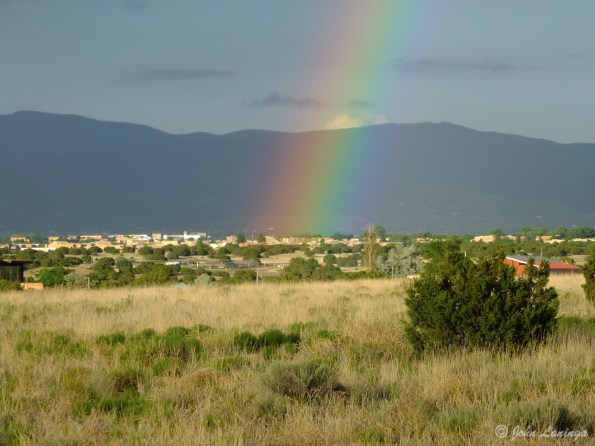
A rainbow over the foothills
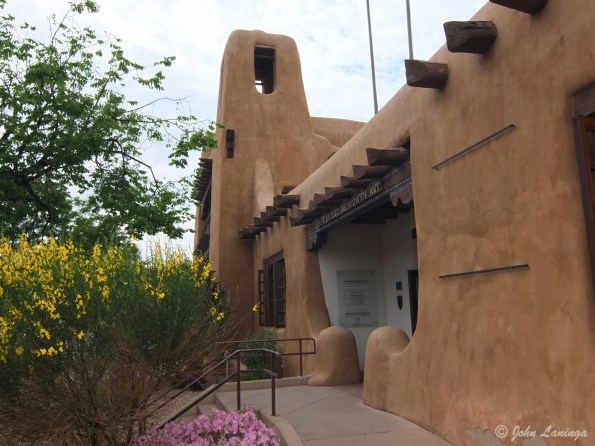
Adobe style architecture
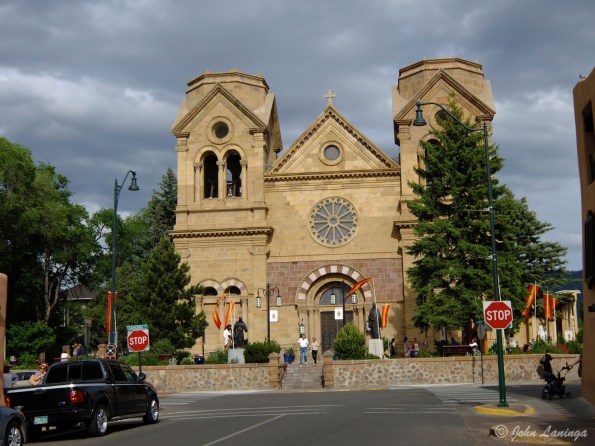
Cathedral Basilica of Saint Francis of Assisi
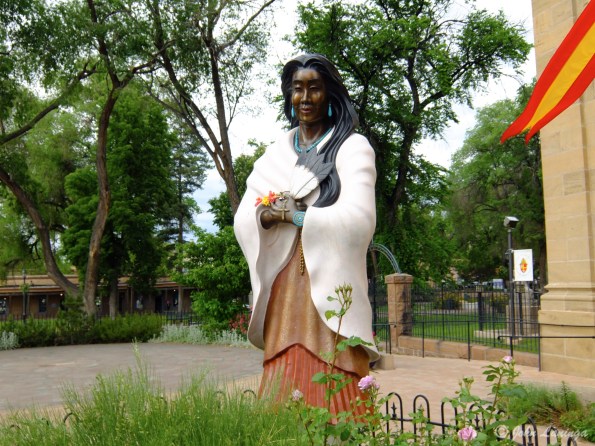
Cathedral statue
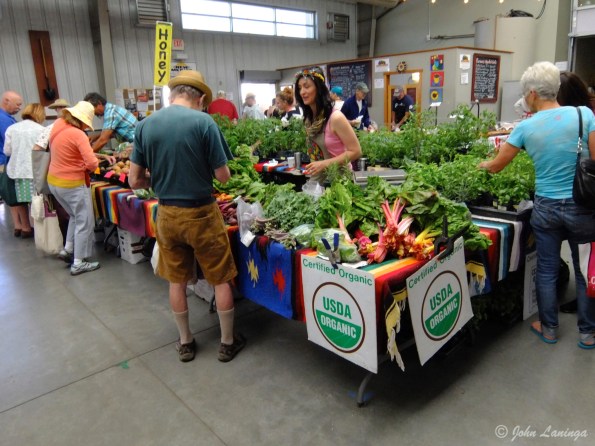
Thriving farmers market
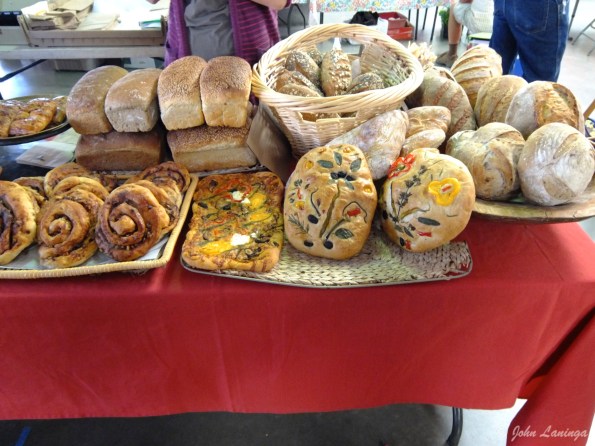
Yummy breads

The old RR station is still used, also as part of the Farmers Market
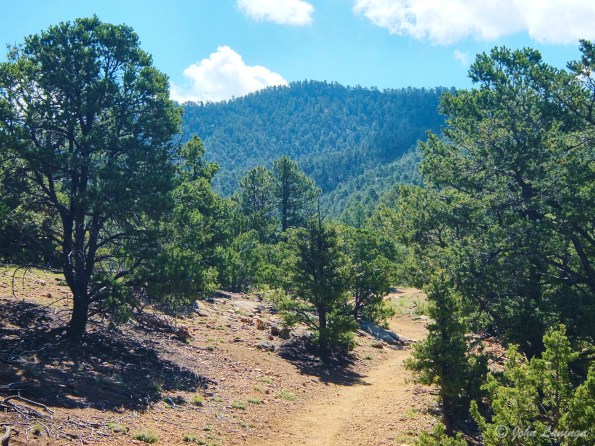
Hiking in the foothills
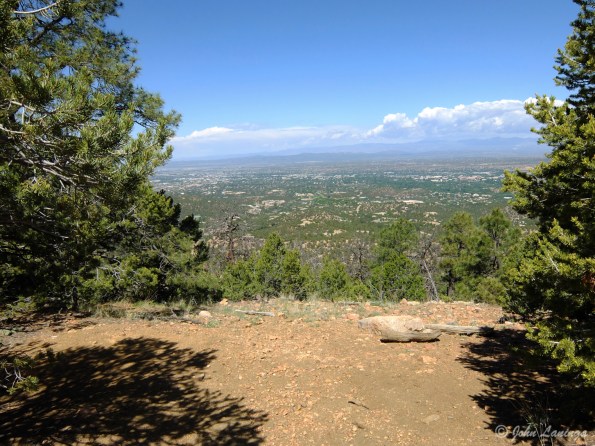
A view back to Santa Fe

Making a lazy afternoon
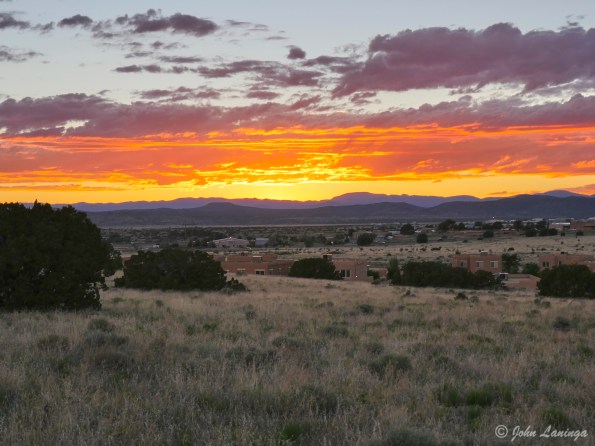
Sunup at Santa Fe
Chimney Rock, Colorado
Chimney Rock is an Ancestral Puebloan site, designated on the National Register of Historic Places in 1970. It was a community inhabited between Durango and Pagosa Springs about 1,000 years ago with about 200 rooms. Rooms in the buildings were used for living, work areas and ceremonial purposes.
Housing approximately 2,000 ancient Pueblo Indians between A.D. 925 and 1125, the settlement included a Great House Pueblo with round ceremonial rooms, known as kivas, and 36 ground-floor rooms. A grizzly bear jaw found in one of the rooms when excavated suggested a reverence for the animal, and modern Chaco oral history suggests that the Bear clan originated in the Chimney Rock area.
The construction of the Great House Pueblo at the top of the ridge, close to Chimney Rock and its neighbor Companion Rock, had a large ceremonial role in the later years of Chaco presence. As the moon makes its lunar cycle across the sky over a period of 18.6 years, it appears in a “lunar standstill” between the two rocks for a period of approximately 2 years.
The inhabitants of Chimney Rock abandoned the site in 1125, burning the buildings when they left. Their modern day descendants consider the site sacred with the spirits of their ancestors, and have asked the Forest Service to refrain from further excavation out of respect.
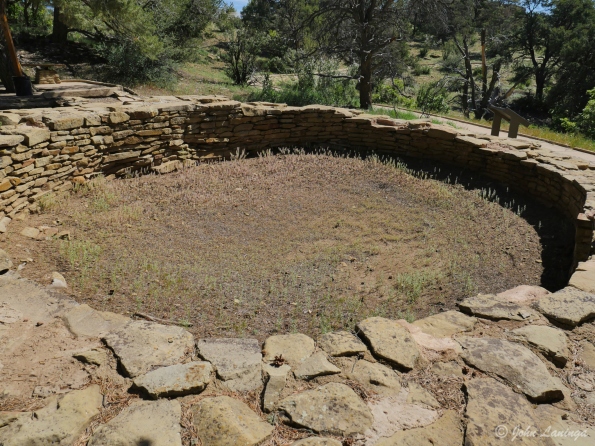
A Kiva in the lower village
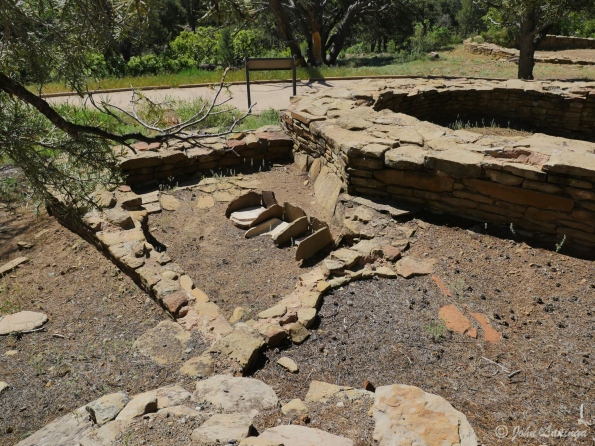
Work area (grinding corn) in the lower village
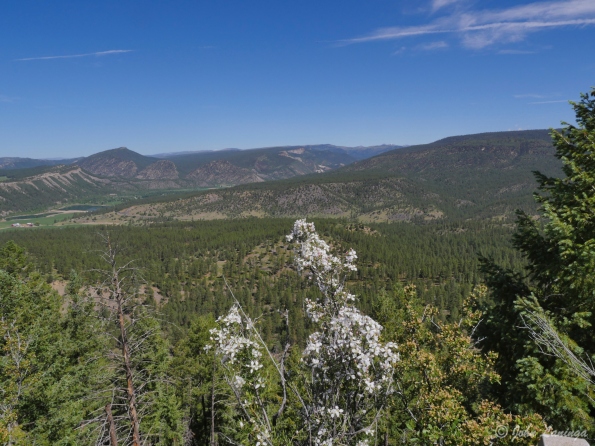
Sure is a magnificent view from up here!
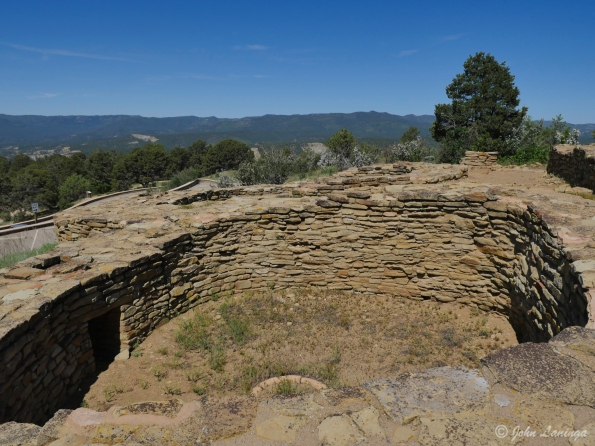
Inside the Pueblo Village walls
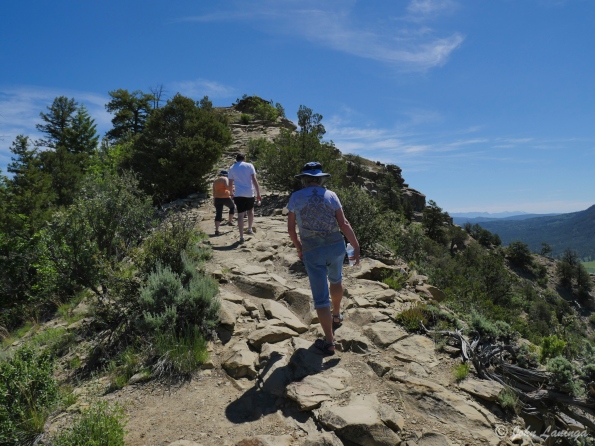
It’s a bit of a walk to get to the Great House
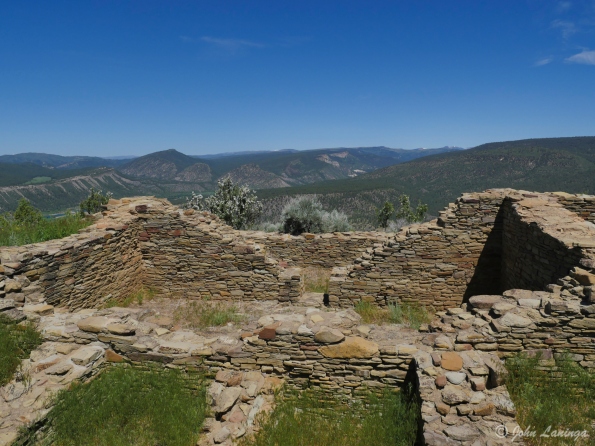
Inside the Great House walls
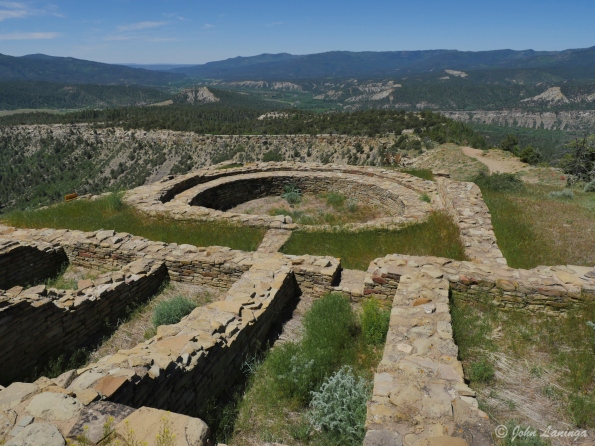
Showing some of the complex structure of the Great House
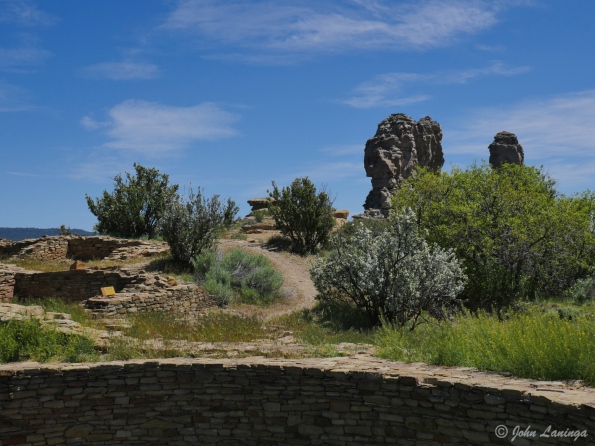
A view of Chimney Rock, viewed from the Great House
Creede, CO & Bachelor’s Loop
Creede, CO at one time was one of the biggest silver mines in the country. Creede was the last silver boom town in Colorado in the 19th century. The town leapt from a population of 600 in 1889 to more than 10,000 people in December 1891. The Commodore mine is now disappearing, but it has 5 different levels spread out over 200 underground miles.
Creede’s boom lasted until 1893, when the Silver Panic hit all of the silver mining towns in Colorado. The price of silver plummeted and most of the silver mines were closed. Creede never became a ghost town, although the boom was over and its population declined. After 1900, Creede stayed alive by relying increasingly on lead and zinc in the ores. Total production through 1966 was 58 million troy ounces (870 metric tons) of silver, 150 thousand ounces (4.7 metric tons) of gold, 112 thousand metric tons of lead, 34 thousand metric tons of zinc, and 2 million metric tons of copper.
During it’s heyday, the Colorado Capital (Denver) enacted major legal reform movement against gambling clubs and saloons. Numerous owners of major gambling houses in Denver relocated to Creede. Among them was the infamous confidence man “Soapy” Smith, soon the uncrowned king of the criminal underworld. Other famous people in Creede were Robert Ford (the man who killed outlaw Jesse James) and Bat Masterson.
After touring the Mining Museum (very well done, by the way), take a drive through Bachelor’s Loop. That is, if you don’t have a fear of heights. Also, best to have a 4 wheel drive vehicle. There are some very steep sections, some very narrow sections, and all gravel. But it is definitely worth the time because the views are just stupendous. And if you have a real 4 wheel drive vehicle you will find miles and miles of old roads and ghost towns.

The drive into Creede shows why it is a mining town

Those were some tough and dangerous jobs!

Working at the face of the mine

Sometimes you had to go down to get ore….
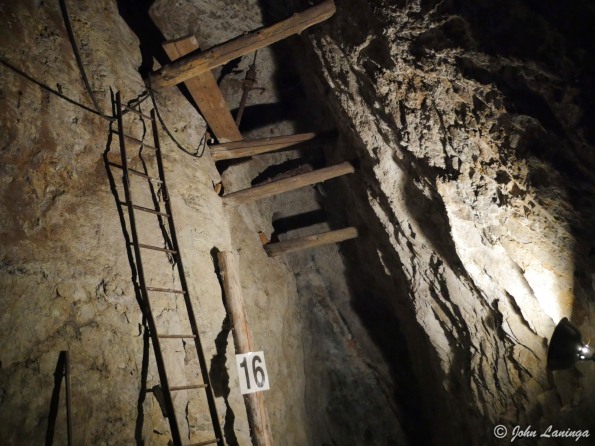
And sometimes you could just follow the vein.
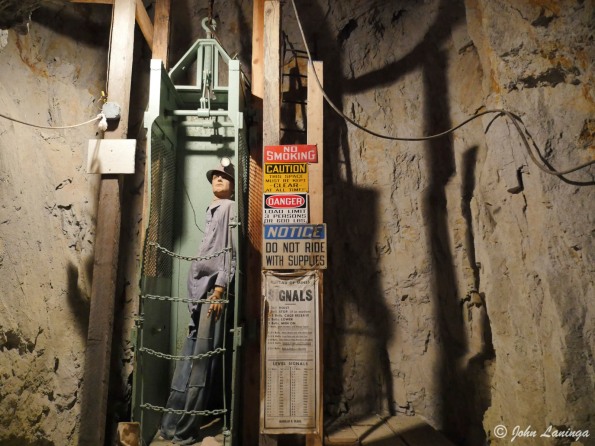
Not a very roomy trip down (or up) to the different levels

The gravel road takes you up to the Commodore mine

One of the main Commodore mine structures
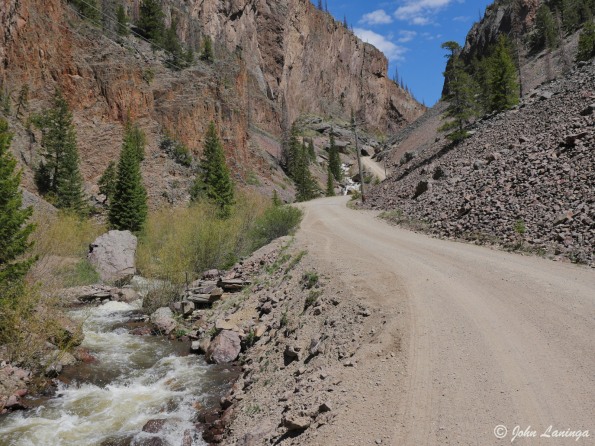
The road is quite rough, steep, and narrow
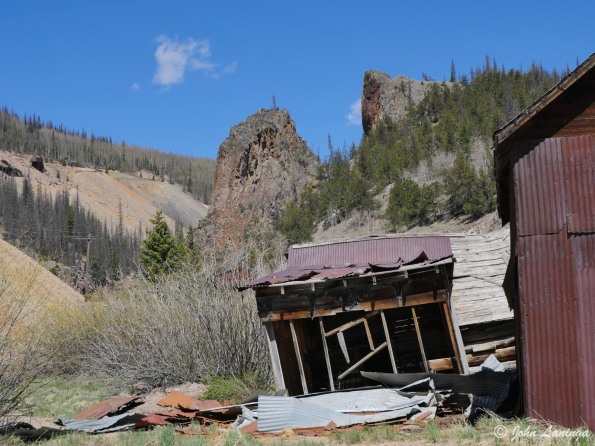
A different mine complex perches on the steep hillside
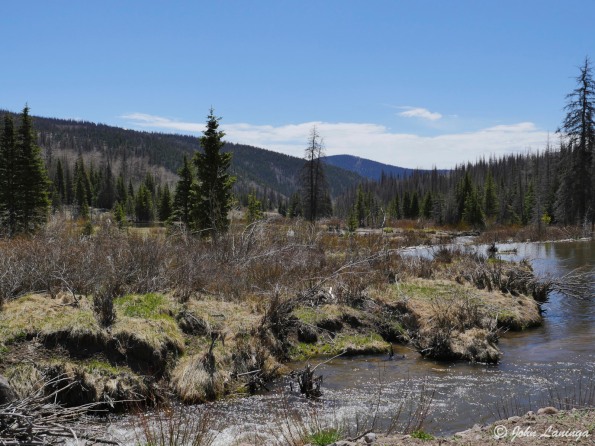
At the top is a peaceful valley with the headwaters of the Rio Grande river

Coming back down to Creede

Said to be the highest church in the USA
Dallas at night
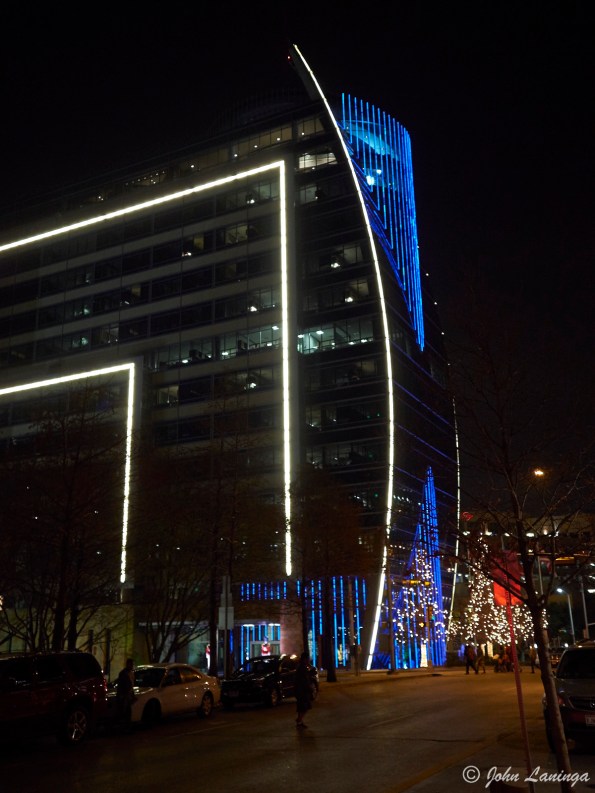
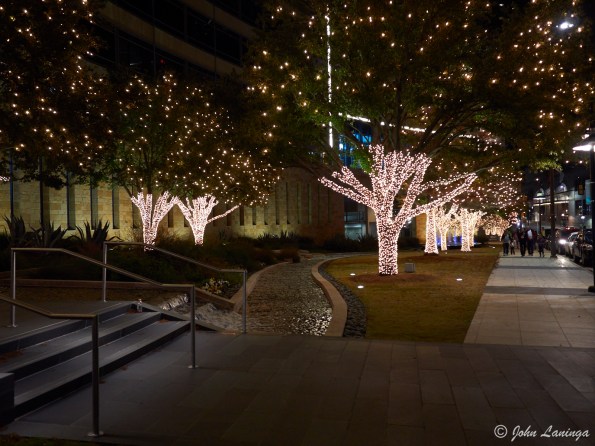
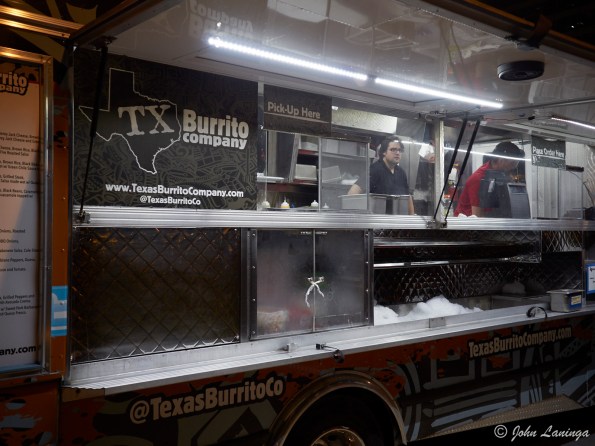
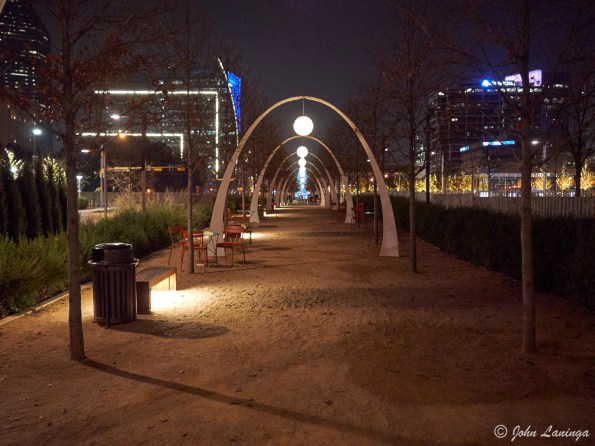
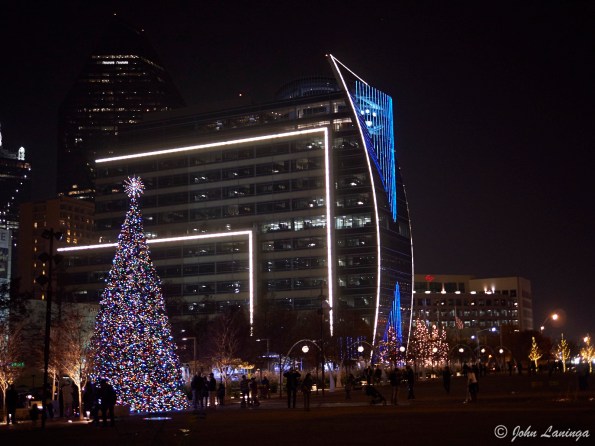
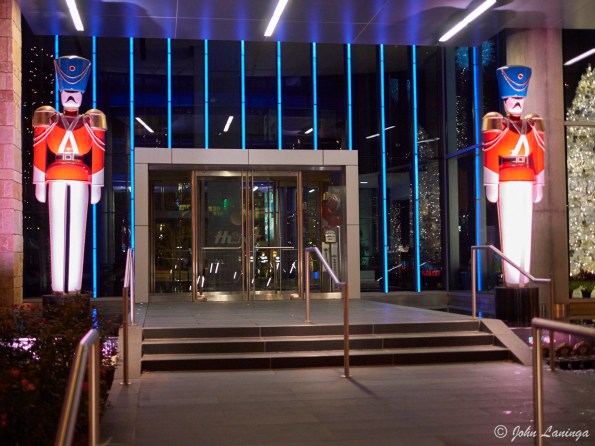
Romola and I took a walk in Klyde Warren Park in downtown Dallas. This park is built right over top of a busy Dallas freeway, and creates some space that would otherwise be just a sea of cars. Since you are right downtown, you get a good view of some of the buildings. And since Christmas is close, plenty of lights.
– 7 –
– 6 –

– 5 –
– 4 –
– 4 –
– 2 –
– 1 –
 Laninga's Travel Blog