Johnson Space Center, Houston
The Johnson Space Center was the hub for all flight operations for the US space program, including astronaut training. This is where history was made. The JSC has a comprehensive visitor center, detailing the history of the US space program.
One of the most impressive things we learned is the massive efforts it takes to do space flights. Even with todays technologies, it takes huge manpower and $$$$ to conduct a space program. We enjoyed our visit and recommend it to others. Below are some highlight images.
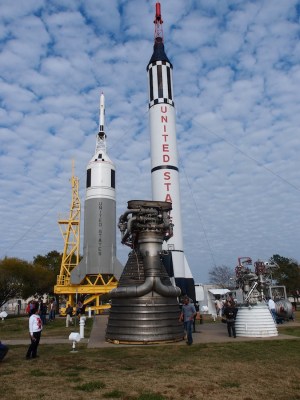
Some older space vehicles
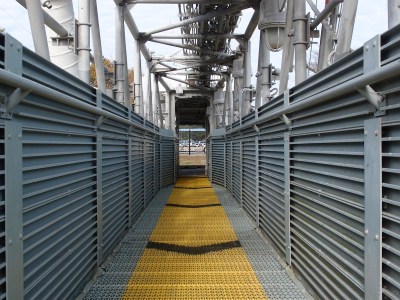
Many astronauts walked over this platform to enter the module
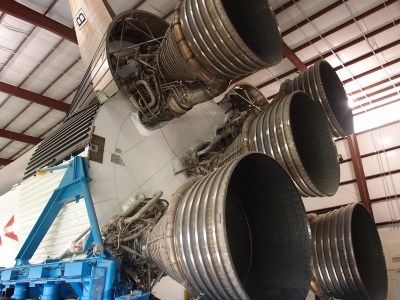
The mighty engines of the Saturn rocket
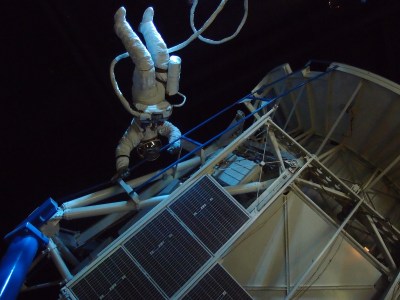
A walk in space

A walk on the moon
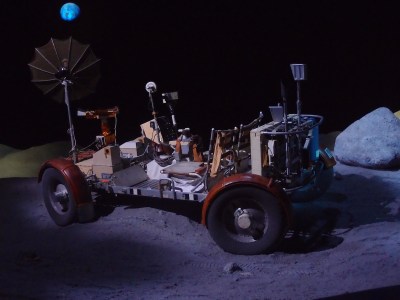
Moon car
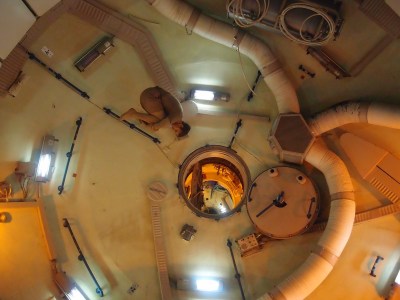
Inside the space station
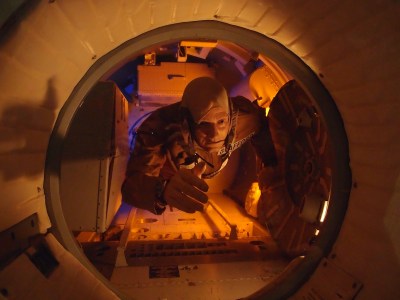
First handhake between the Russian and American astronauts
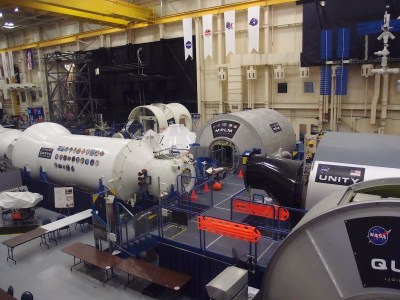
A part of the mockup room, where current and future space vehicles are planned and configured
San Jacinto Monument
In 1936, a pivotal battle to separate Texas from Mexico was fought on the San Jacinto river. It was fought on April 21, 1836, and is considered the decisive battle of the Texas Revolution. Led by General Sam Houston, the Texian Army engaged and defeated General Antonio Lopez de Santa Anna’s Mexican forces in a fight that lasted just eighteen minutes. About 630 of the Mexican soldiers were killed and 730 captured, while only nine Texans died.
In commemoration of this battle, a monument was built, now open to the public. It is in the Guinness World Records as the world’s tallest memorial monument. The monument weighs 70,300,000 pounds. It is 125 feet square at the base, tapering to 30 feet square at the top. It is faced with blocks of cordova shell stone weighing 500 pounds apiece. This shell stone is over 100 million years old and was quarried from Burnet County north of Austin. The shaft walls are 4 feet thick at the base of the monument and 2 feet thick at the top.
The monument contains an inscription, part of which reads:
The Monument is only a few miles from where we are parked, and accessible via a free ferry. We took the free tour, which has some very interesting historical artifacts. We plan to go back to view the rest of the Museum, and ride the elevator to the top.
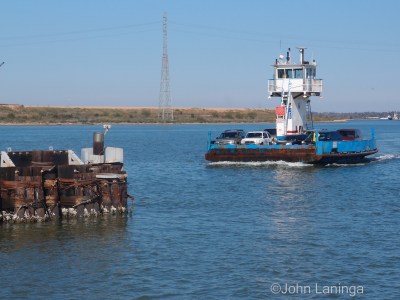
That's our ferry. Small, but efficient!
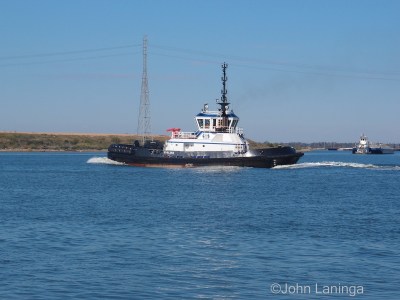
Part of the Houston Ship Canal, there is lots of boat traffic here
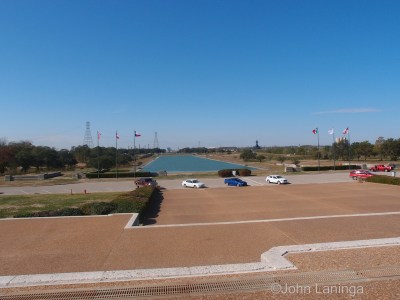
The Reflecting Pool. The battleship "Texas" can be seen in the background
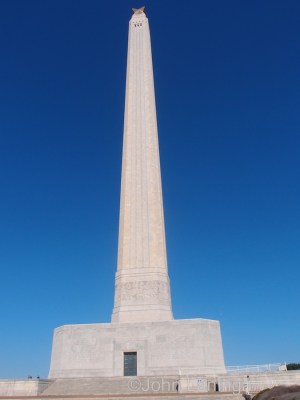
That is one tall monument!
Grapevine Christmas lights
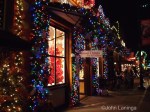
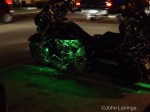
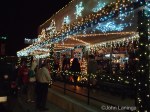
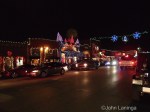
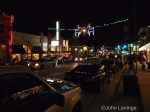
We’re parked in a very nice campground near Grapevine, TX. The city goes all out for Christmas lights, with the entire downtown decorated. Local stores are open late into the night, and crowds gather every nights. Tanya and Shane joined us for an impromptu tour of the Lights, and I took advantage to try a different camera (Olympus XZ-1). Here are some results.
All shots were handheld, most at ISO800. No captions are included, I figure you can see for yourself. I also included a picture of a motorcycle parked outside of Wilhoite’s, which made its own light show.
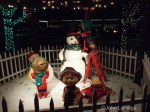
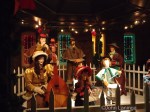

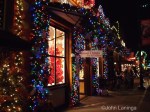
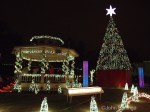
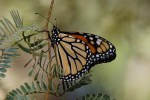
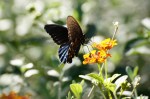
Wildlife at the Arboretum
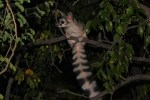
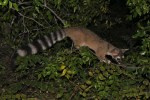
Because of the season, we missed some of the more exotic wildlife at the Arboretum: no rattlesnakes, scorpions, or bobcats. But we did see quite a few, many of which are in this (our last) Arboretum album.
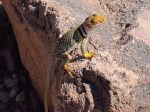
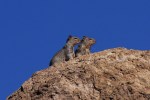
The ringtailed cat is nocturnal and shy, we’re lucky to have seen one. Actually a member of the raccoon family, this is the State Mammal of Arizona. Lots of lizards, but also the more rare collared lizard. Rabbits and squirrels.
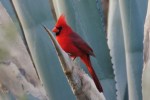
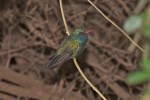
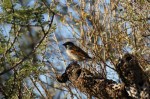
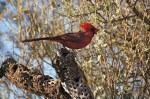
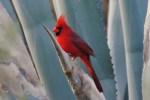
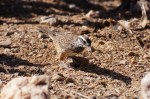
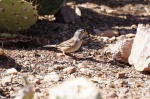
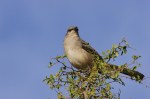
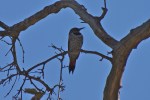
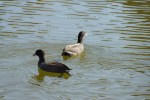
Lots of birds. Cardinals, buzzards (that make the arboretum their home), gila woodpeckers, curved bill thrushes, and many more. Many varieties of hummingbirds.
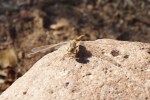
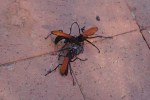
Finally the Tarantula Hawk, a feared wasp whose sting is considered the most painful in the world. And we caught 3 of them eating a large beetle.


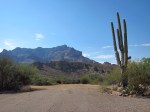
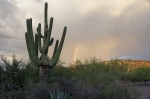
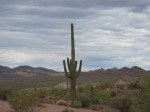
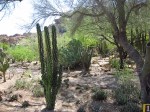
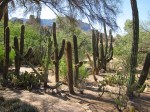
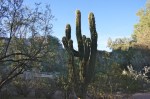
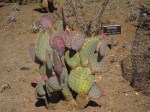
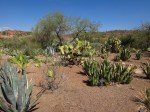
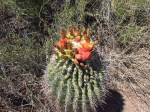
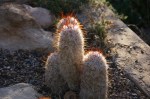
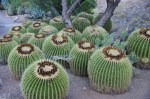
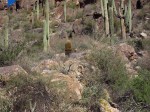
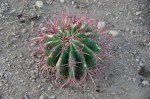
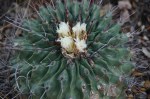
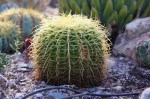
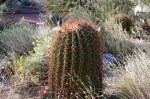
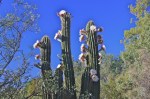
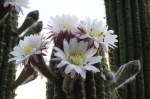
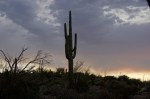
Cacti at the Arboretum
The large saguaro cactus, with it’s large uplifted arms, is an icon of the southwest. But the variety of cacti in the desert is astounding. Below is a picture album of just a few of the huge assortment of cacti growing at the Arboretum.

Tonto National Monument
We were very fortunate to be able to join a guided hike to the upper dwellings at Tonto National Monument. Only 900 people get to go up here a year as the site is historically sensitive. We were even more fortunate to have Eddie give the tour; he has been a Ranger at this park for 31 years. Plus,he is an archeologist and an anthropologist. Fabulous source of information, really made the dwelling come alive, historically speaking.
Local populations have lived here for thousands of years, then around 1400 AD they just disappeared. There is lots of speculation why, but no one knows, as the Indians had no written language. Fortunately, the remnants of their civilization gives a good idea how they lived. There are literally thousands of remnants to help us piece together a good image. Fascinating!
Also, I have many more pictures on our Flickr album, a link is provided on the front page.
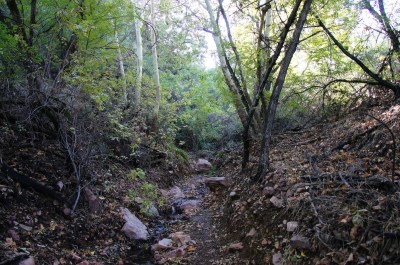
Part of the way up is through a rich valley
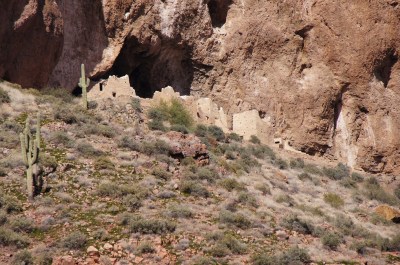
Now we're getting a good view of the dwellings
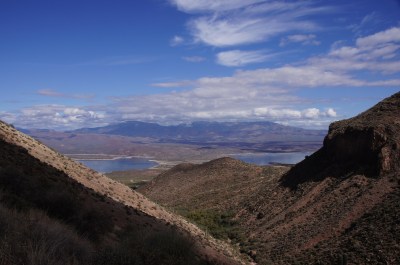
Looking back into Tonto Basin
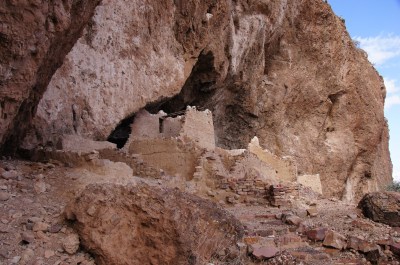
Now we're getting closer
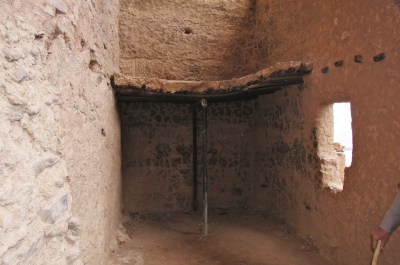
Inside one of the rooms
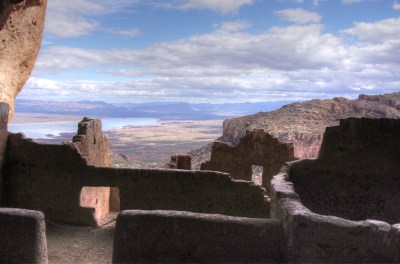
A view from the back of the dwelling
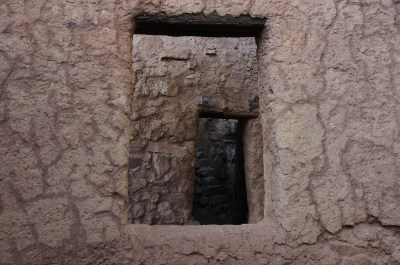
Looking from one room into others
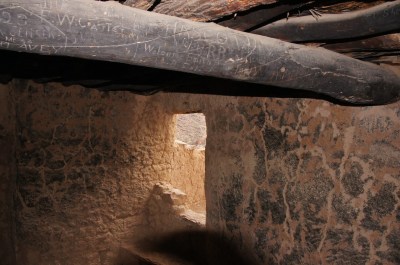
The beams are old, the grafitti isn't
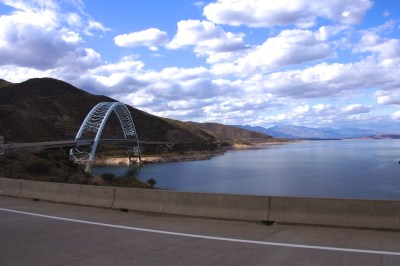
Roosevelt bridge, especially for my riding buddies
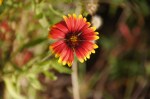
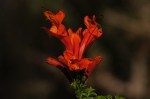
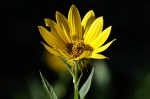
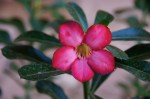
Desert flowers at BTA
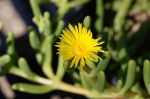
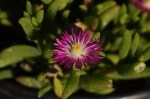
While the dominant flower season here at Boyce Thompson Arboretum is spring, the huge variety of plants in the arboretum means there are flowers blooming most any time of the year. Here are some of the desert flowers I photographed during the month we have been here. Note that there will be a separate album of cactus flowers, which will follow shortly.

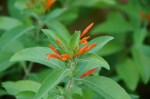

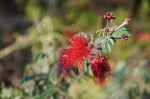
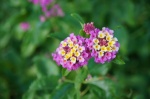

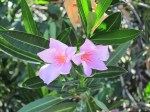
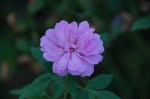
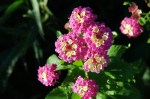
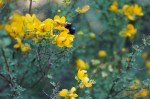
Fall colors in the Pinal Mountains
Took a drive into the Pinal Mountains to see the fall colors. Maybe not the NorthEast, there still was lots of color from maple, walnut and aspen trees.
The drive up is a bit of a chore, as it is about 12 miles of gravel road, some of it quite rough. But the car did fine and we first made it to Ice House Canyon trail for a short hike. In the 1800’s ice was drug all the way from here to the restaurants in Globe, some 12 miles away, hence the name. After that we viewed Signal Peak and Ferndell before we headed back down the mountain.
Also managed to get a nice picture of an Albert or Tufted Ear squirrel, with a mouth full of nuts. These squirrels live in a narrow range in the Pinals, and only in Pondera pines.
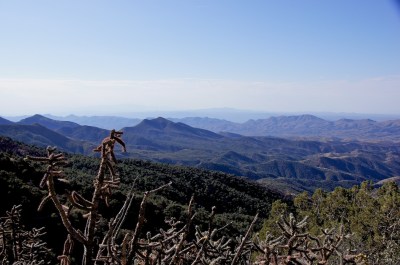
Quite a view on the way up
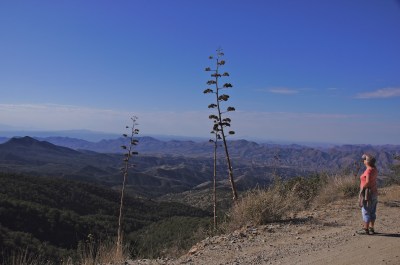
Lots of towering Century plants in this area
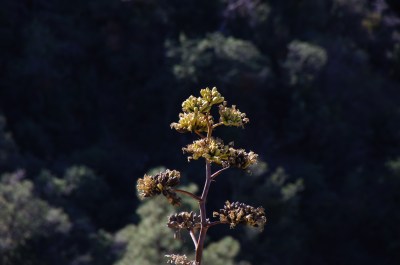
The top of a century plant
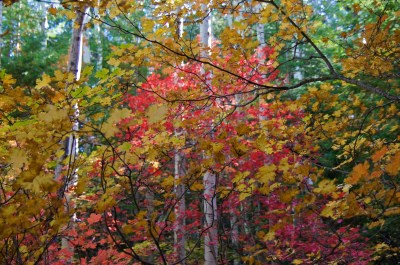
Some colors on Ice House trail
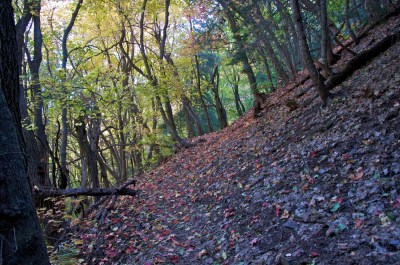
No, the camera is not tilting, it is a steep trail
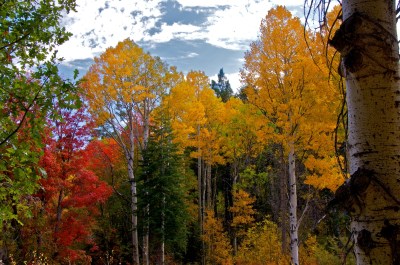
Color along the way to Signal Peak
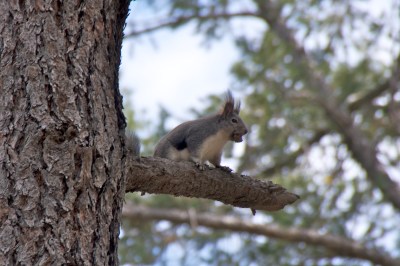
An Albert Squirrel in the tree
More night photography
We had some very interesting photographers for another night photo shoot. Two were forensic photographers, meaning they took the pictures at murder and accident scenes. Maybe not my cup of tea (one bragged he has shot over 600 bodies), but they used some interesting techniques using simple pen lights to take photos. Once you understand this method, you can highlight specific portions of a scene.
So below are several images. Three were shot using the colored flood light apporach, two were done using only a simple small pen light and long exposures,and finally two more traditional flash pictures of a ring tailed cat. These animals are elusive, so I was lucky to get these shots. This cat is also the Arizona State Mammal.
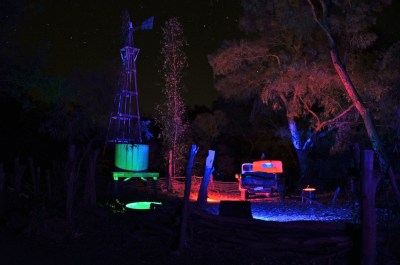
Drover shed and wind mill using colored flood lights
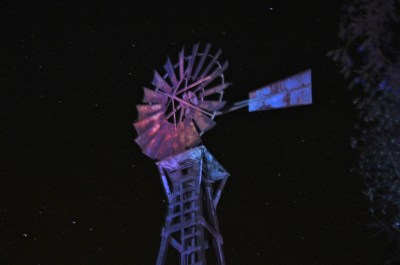
Wind mill with stars in the background
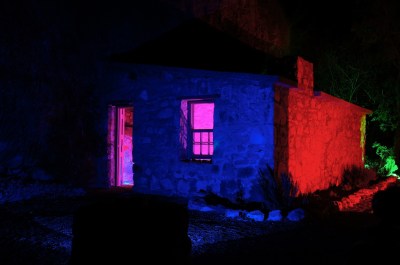
Colored lights highlight the Clevinger house
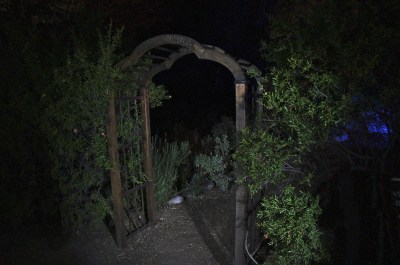
Garden gate, using only a small pen light as a light source
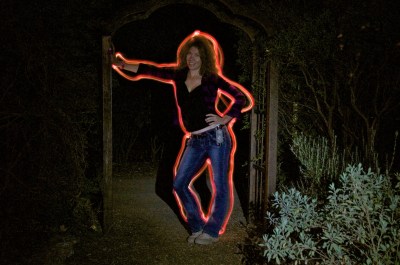
Using a flash light to highlight body contours
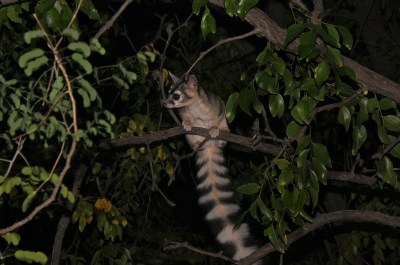
Ring tailed cat in a tree (they eat berries)
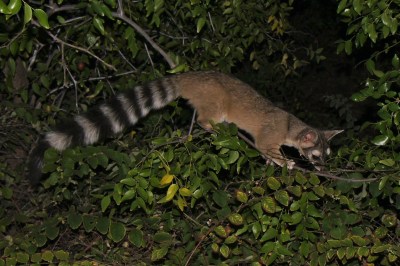
Another shot of the cat
Petroglyphs in the Superstition Mountains
For 2,000 years, local Indians have carved a record of their lives on rock faces in the mountains. They leave behind a legacy that is fascinating, yet hard to decipher. We have seen great petroglyphs last year in Utah, now we have found some in Arizona.
The way to the canyon was rough and rocky but easily passable. It would have been easier if it wasn’t so blasted hot, but then, this is Arizona…
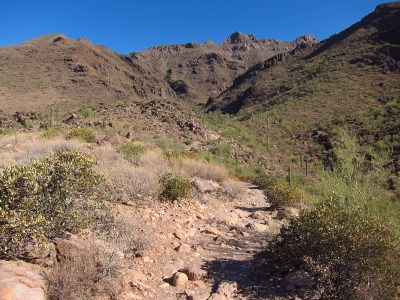
The petroglyphs are in the canyon, uop ahead
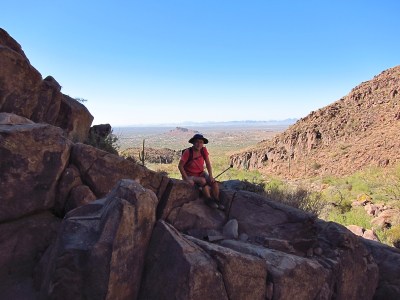
It wasn't all smooth walking to get there....
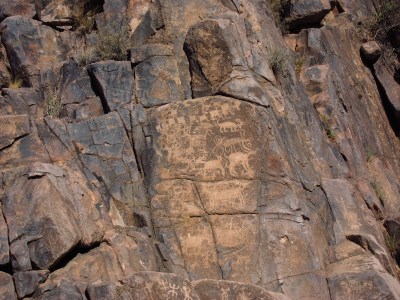
Now we get to see some
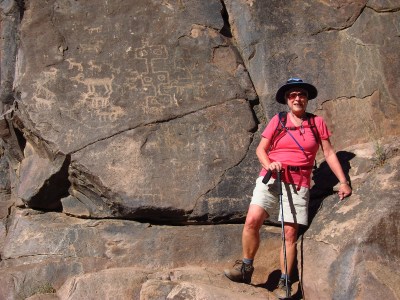
You can see the relative size here
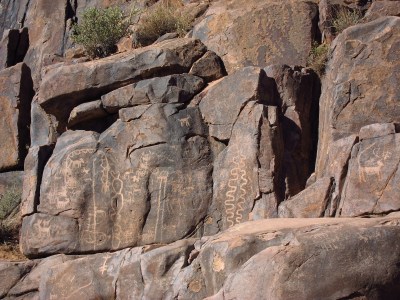
Lots of petroglyphs
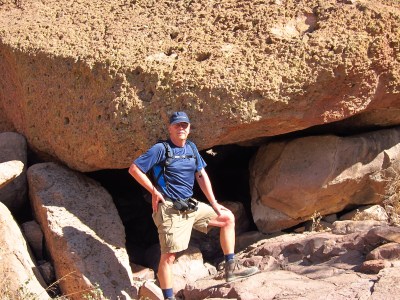
A cave where Indians sheltered for centuries
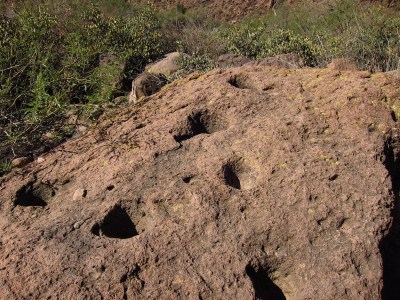
Indians used these holes to grind their corn
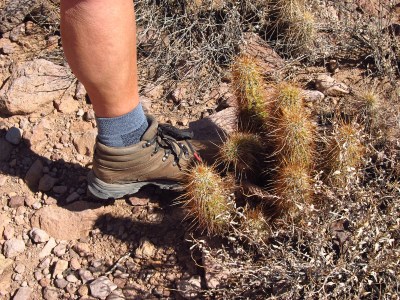
Lots of these little buggers, all at ankle height!
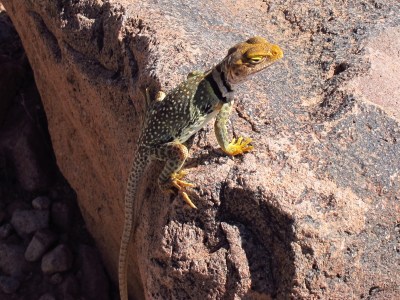
A collared lizard watches us head back
 Laninga's Travel Blog