Archive
Cruising: Tokyo, Japan
Our last port of call was Tokyo, where we spent two days visiting the city highlights.
On the first day, we visited the Imperial Palace. Although it is only open 2 days a year, the grounds are open to all and quite impressive. Especially when you see all this palatial space in the middle of high rise Tokyo! From there we walked to the Ginza, the famed shopping street. We were lucky, on Saturday the street was closed to cars and open for walking. If you want to shop for a high end name brand, you can find it here. And, at the recommendation of a local, we had what we consider the best sushi we’ve ever had in the basement of an office building.
On the last day we took an organized tour ending at Narita airport for our flight back to Vancouver. But first we stopped at the Meiji Shinto Shrine, a serene and lovely place. The 40-foot-high torii gate at the entrance to the 200-acre park is made of 1,500-year-old cypress. We were lucky enough to witness a traditional Japanese wedding procession. From there we visited Senso-ji, the largest Buddhist temple in Japan. Bit of a tourist trap, but interesting including watching (and hearing) the Kendo drummers.
Overall, a memorable trip. All this is left is a long flight back!

A view to Tokyop from the pier where we docked
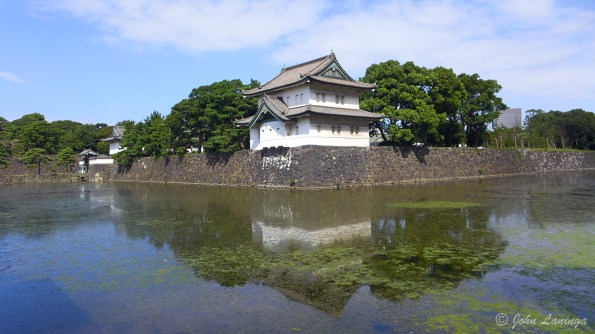
Part of the Imperial Palace
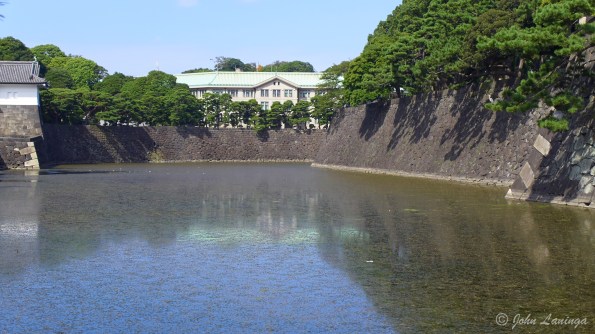
Serene waters and lovely buildings

A relatively calm street on the way to the Ginza
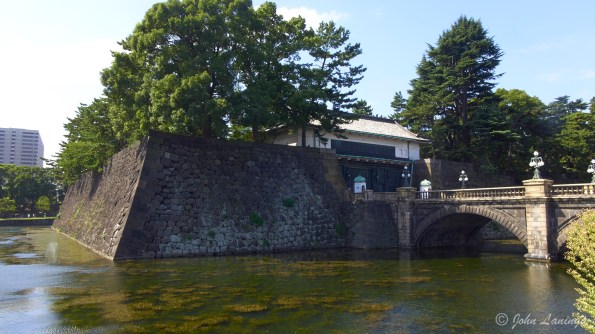
Entrance to the Palace
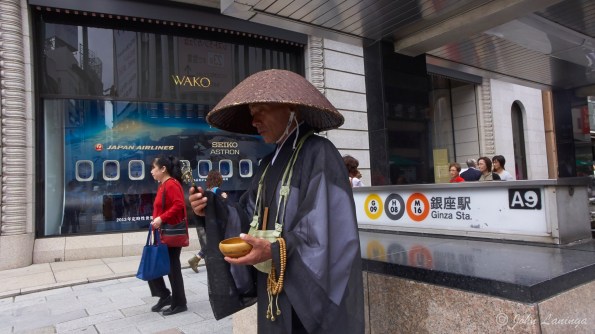
A monk loking for donations
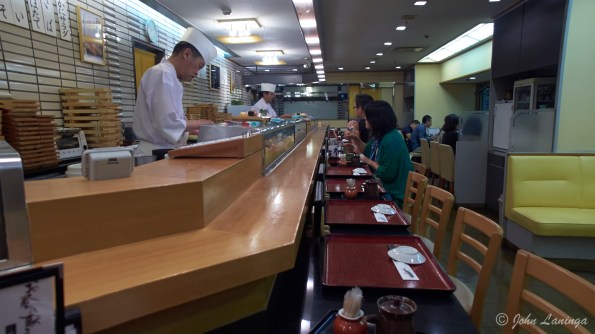
A very good traditional Japanese sushi lunch
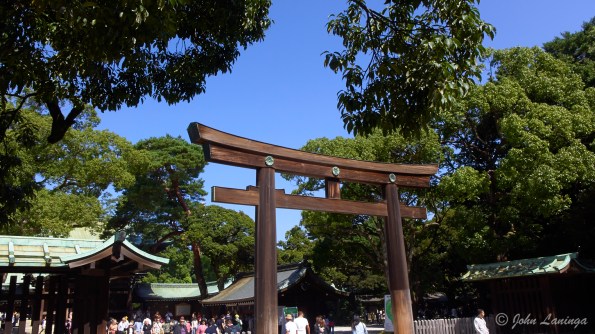
The torii gate, made from 1,500 year old cypress
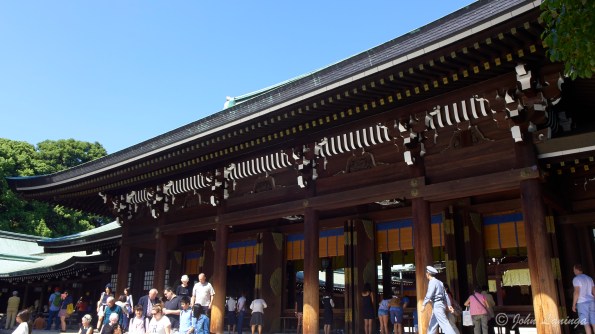
Main building at the Meiji shrine
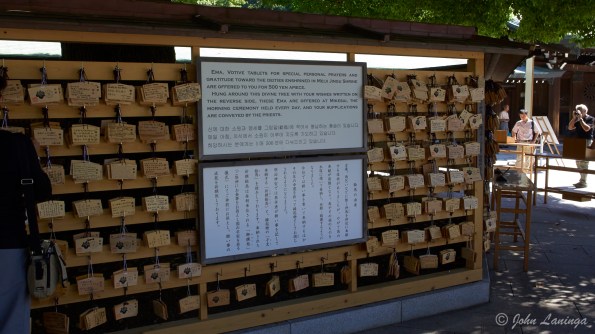
Prayer wall… write a prayer, make a donation
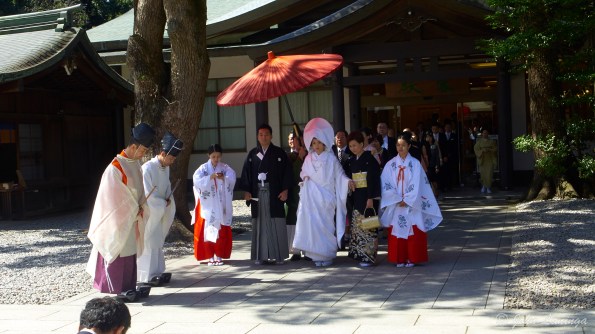
Traditional Japanese wedding
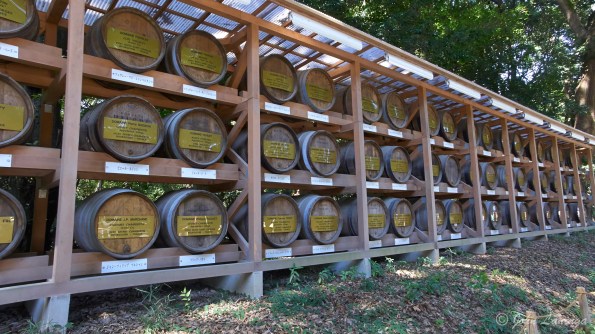
Part of the Shinto Shrine history – saki barrels
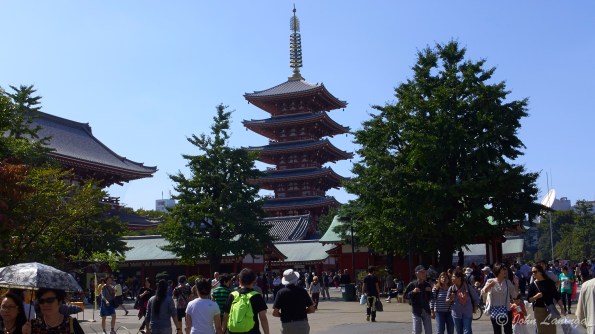
At he Buddhist temple
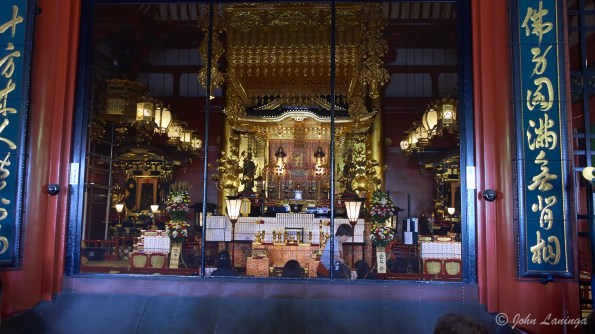
Behind this wall is the actual buddha
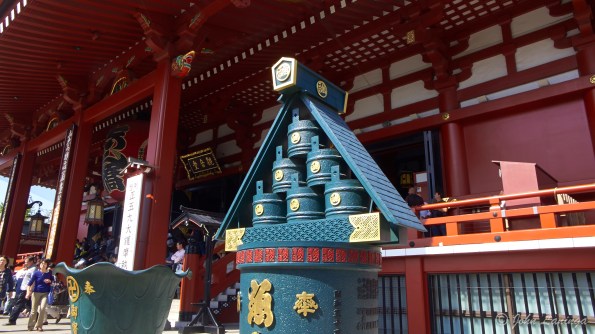
Entrance to the main shrine
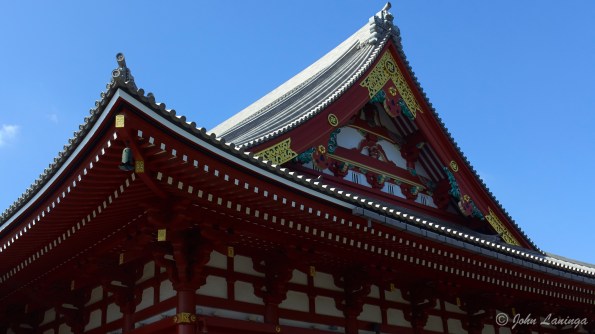
Part of the main shrine
Cruising: Hakodate, Japan
Our second Japanese port of call was Hakodate. Mostly a fishing town, it is best known for its morning market. So, that is where we spent most of our time. Great t check out all the different seafood, focusing on those that are local to the area. Once again, we were amzed at the pricing. Fresh food is VERY expensive in Japan!
As usual, we took to some local restaurants, and had a relatively inexpensive rice and seafood dish. It was tasty, but most memorable because of the location. After all, what better place for Japanese food than in Japan?
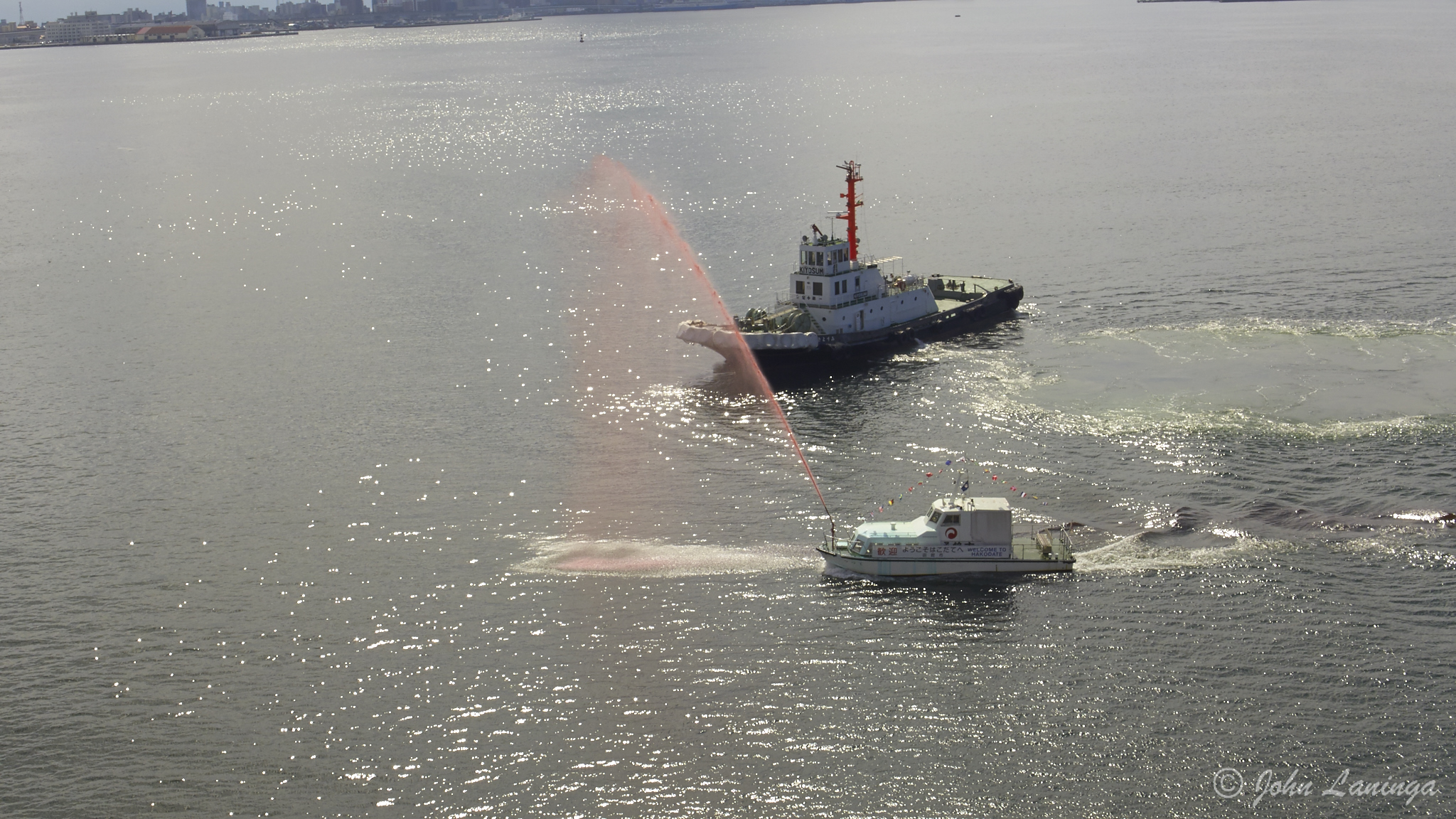
On arrival, we were greeted by a colorful display by a firefighting boat.

Morning Market scene
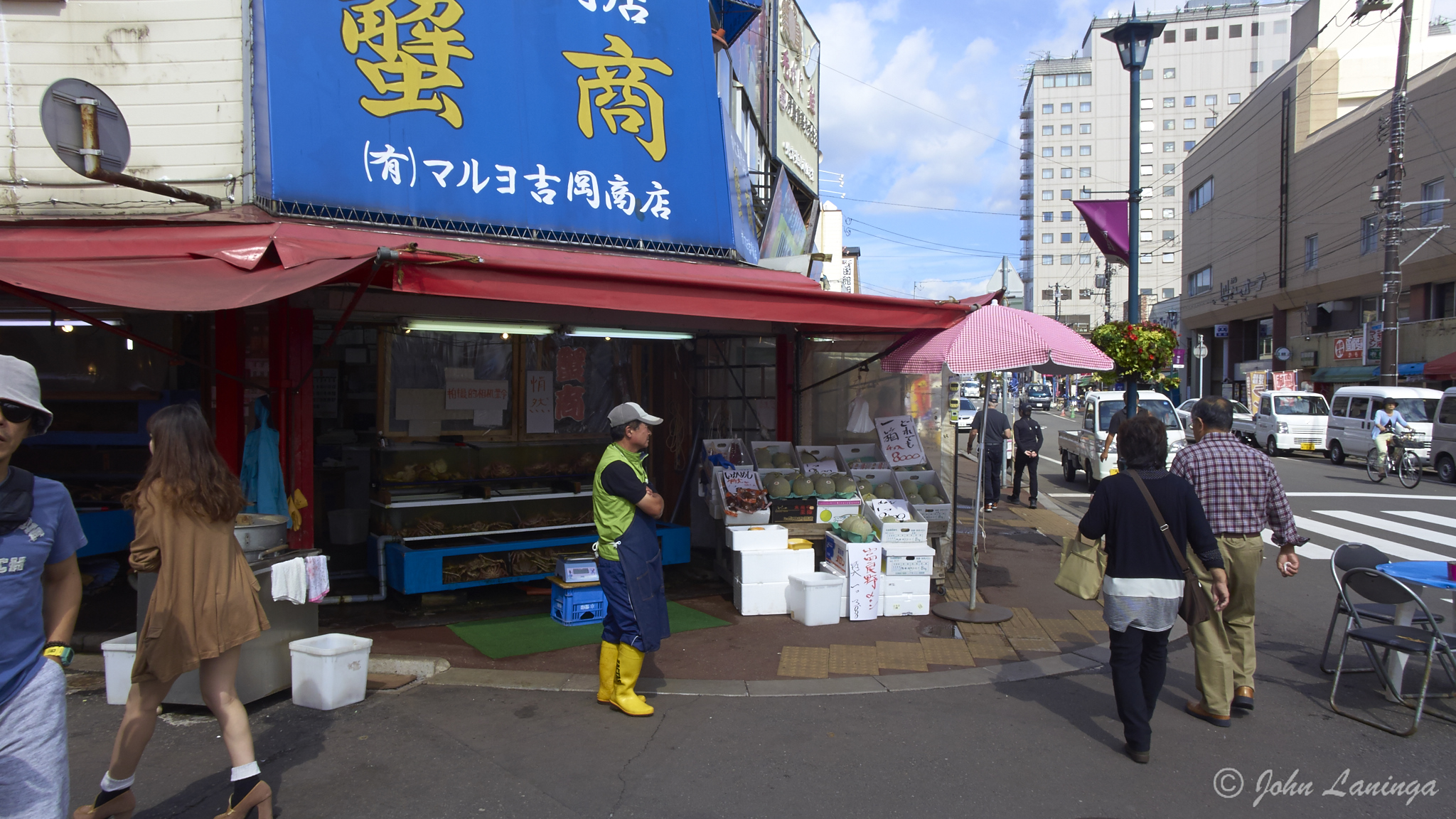
More Morning Market scene
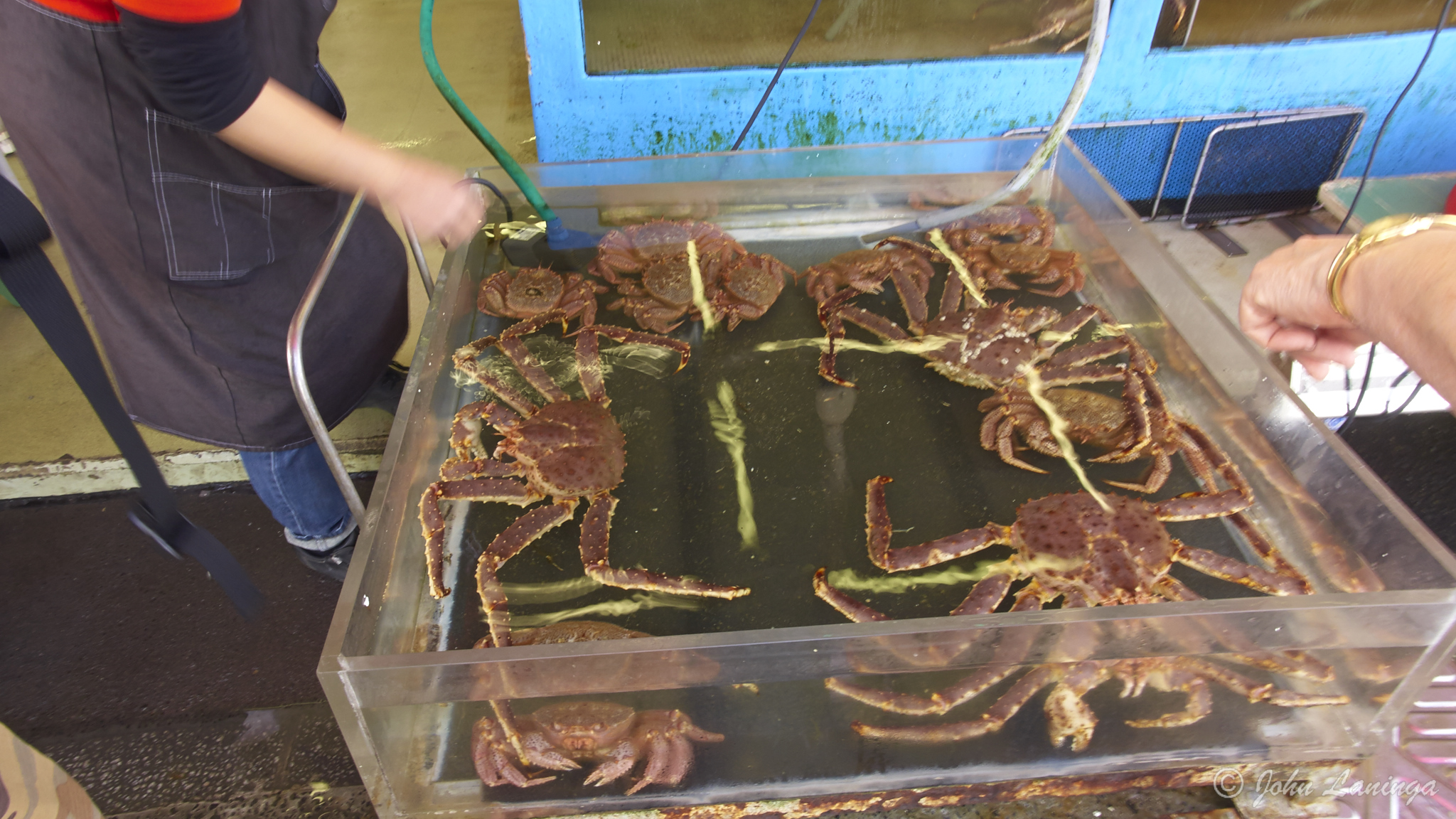
Crab! Get yer crab!
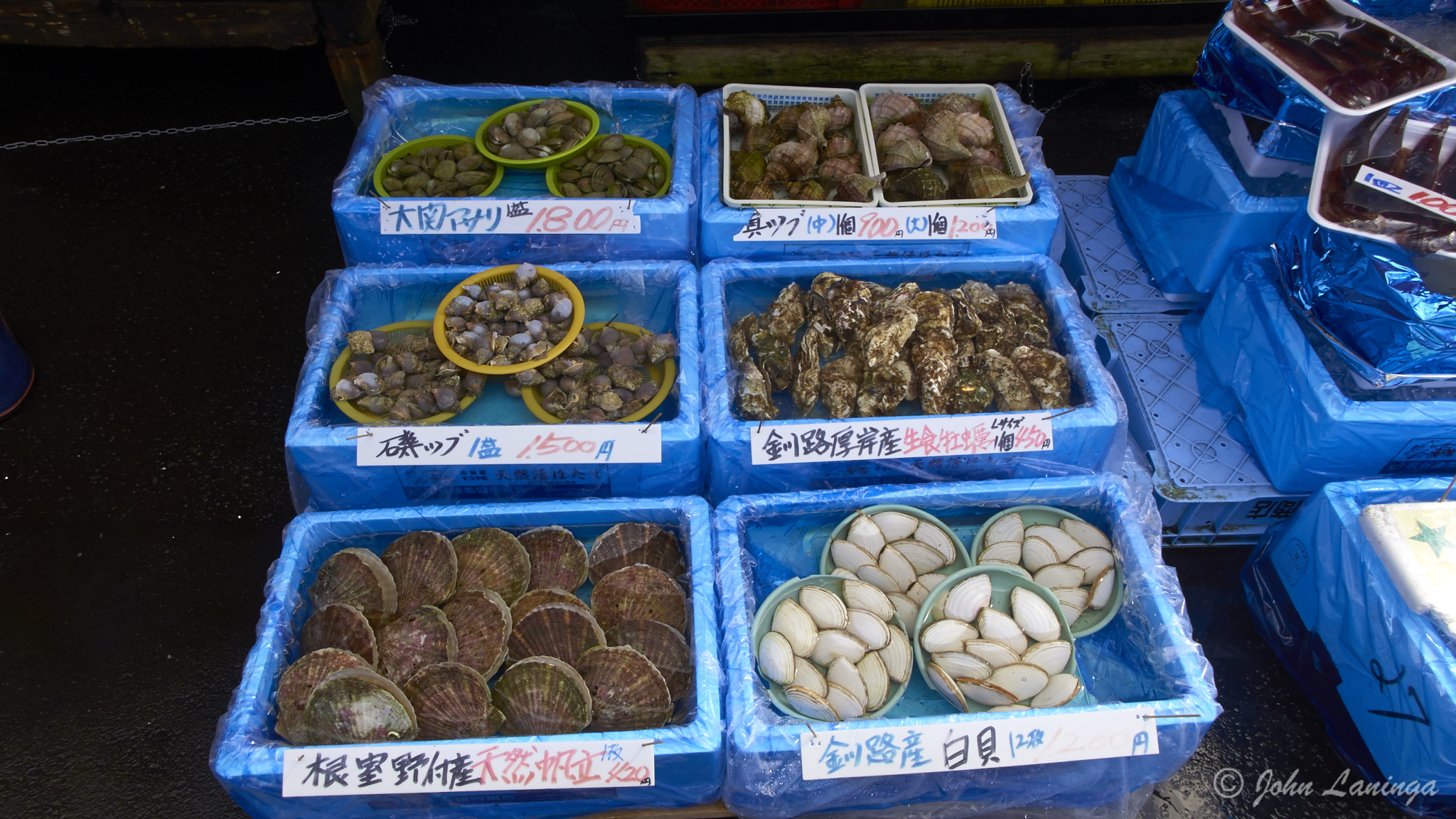
Rich variety of clams
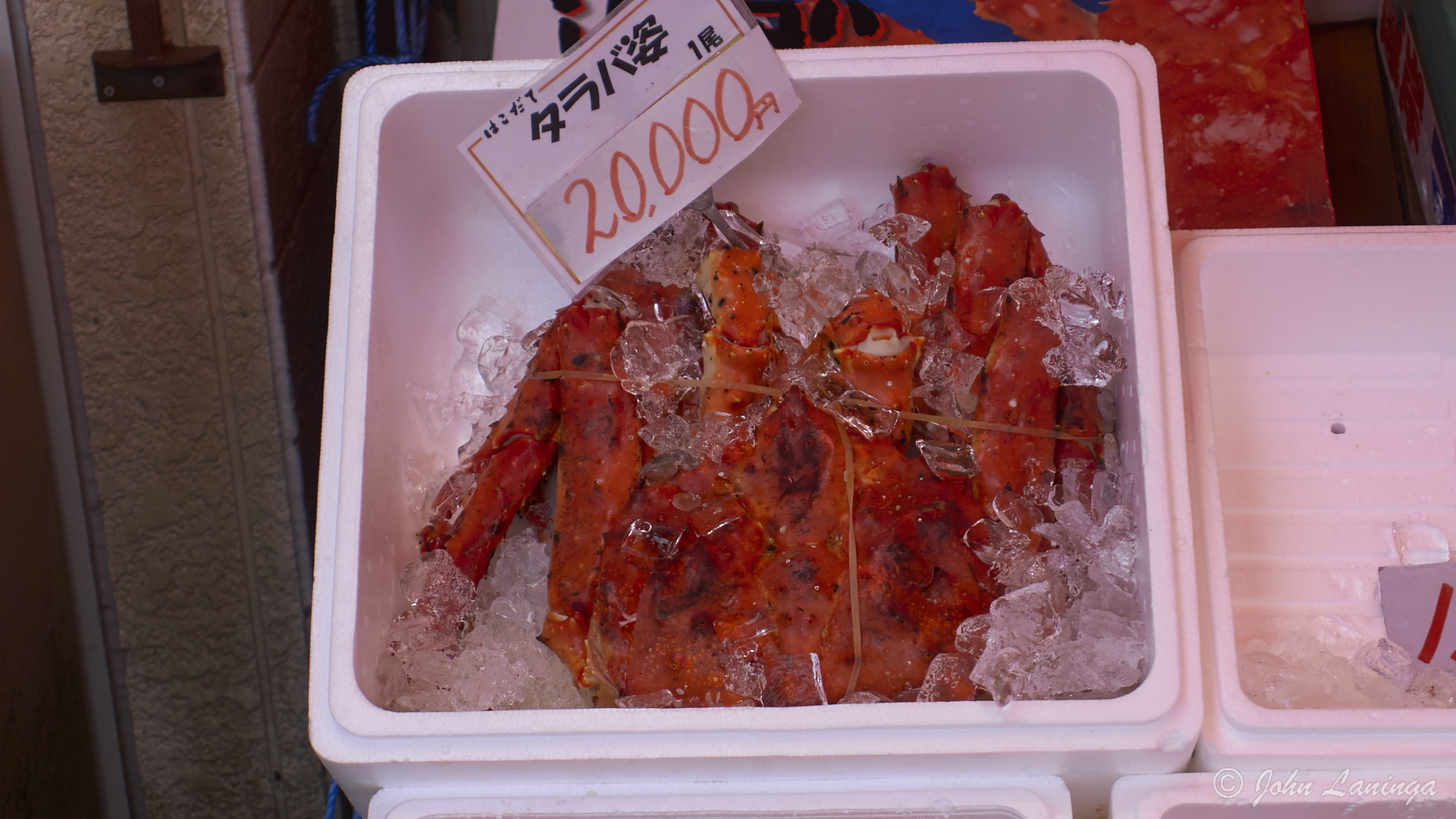
Anyone for a $200 crab?
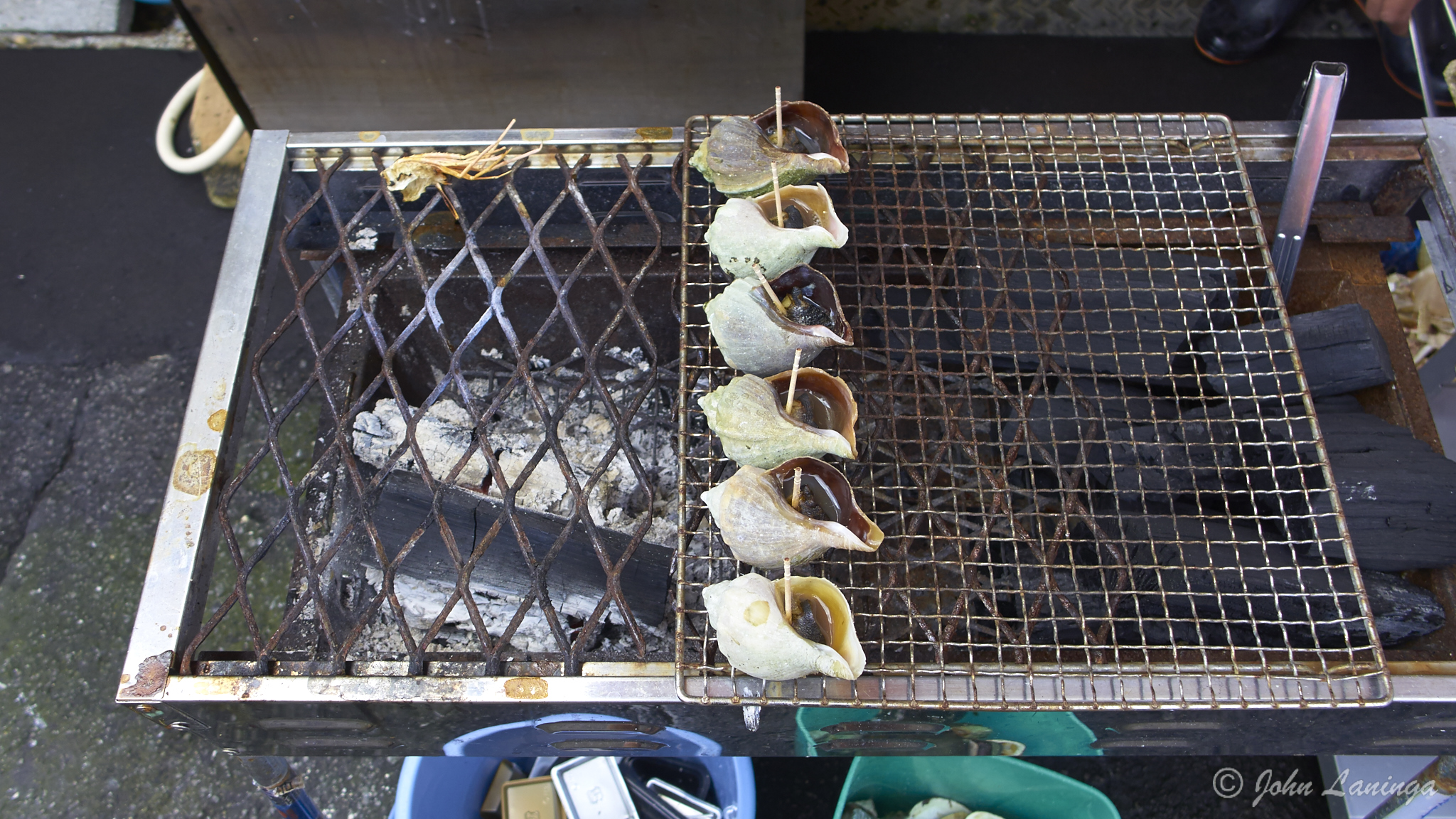
Cooking on the street
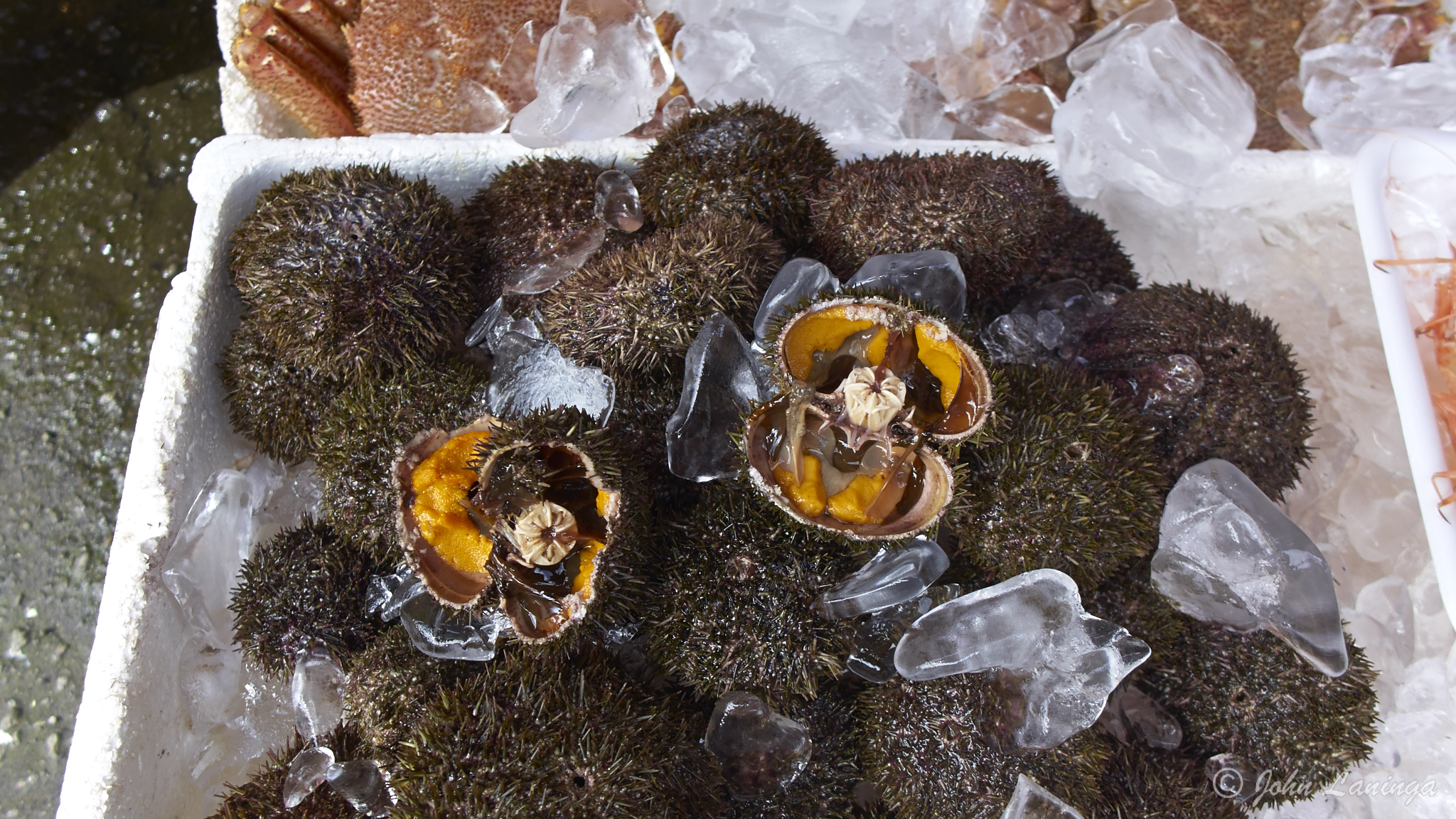
Sea urchins.. we really eat this?
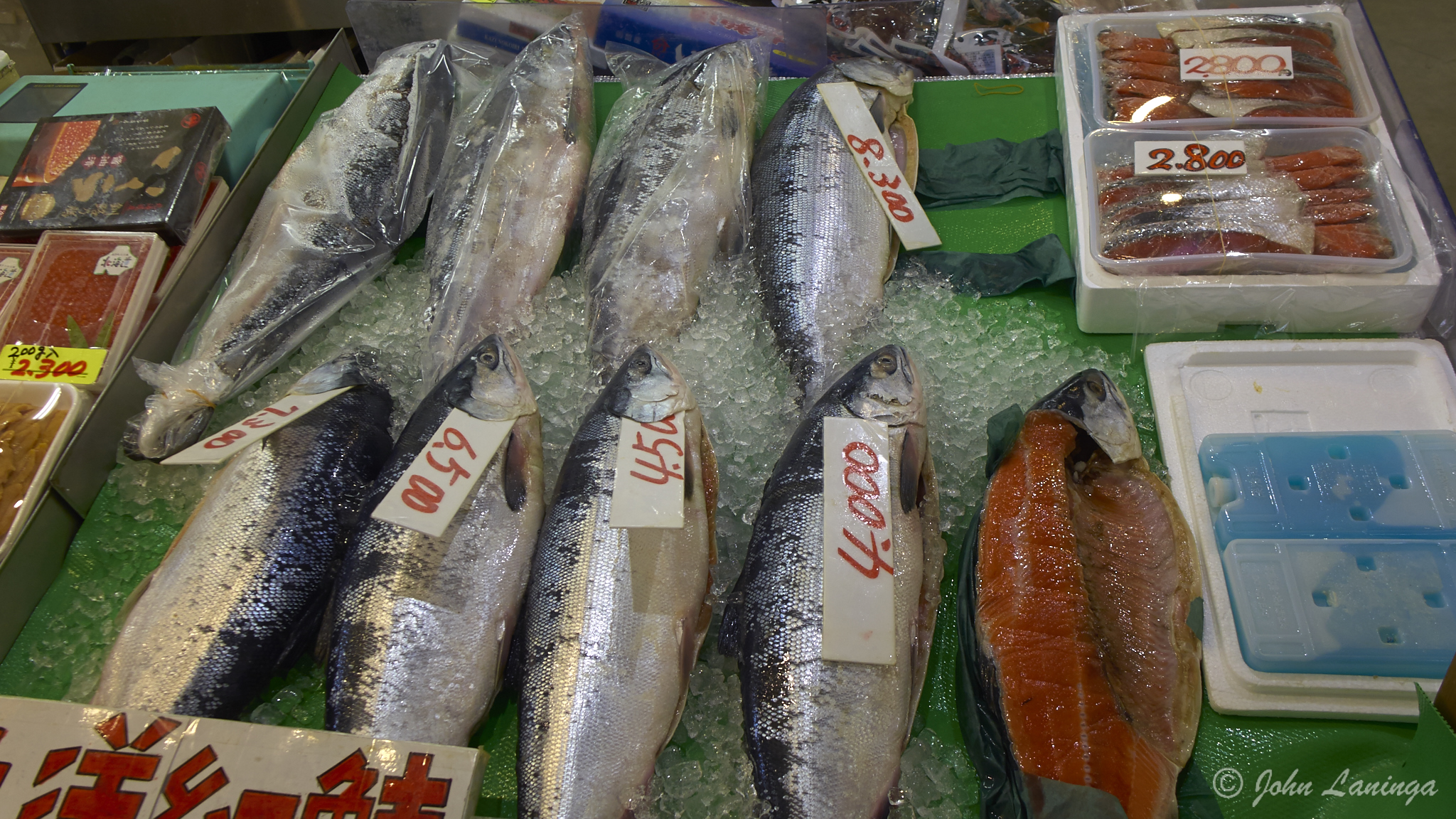
Fish, fish, lots of fish
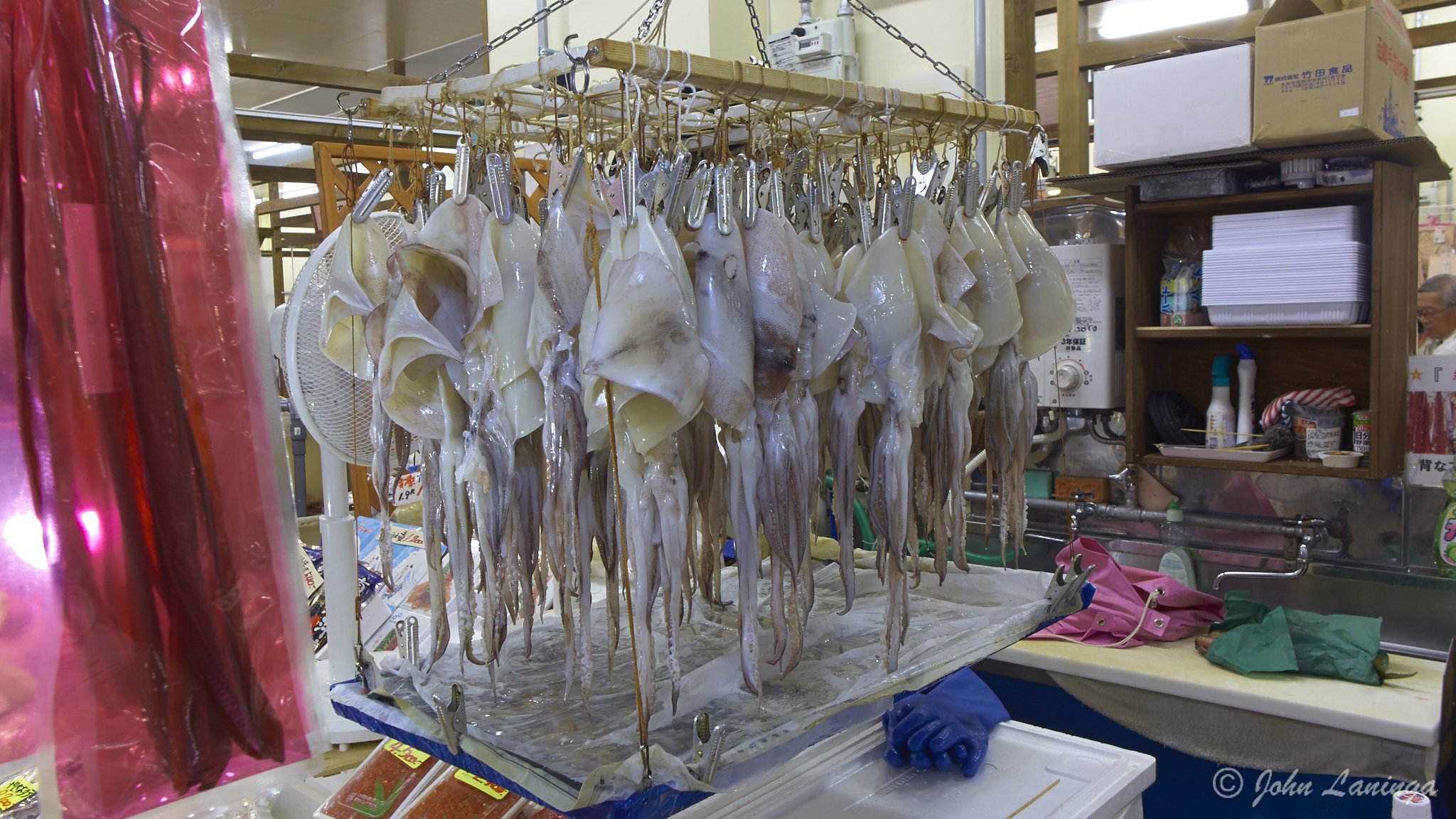
Not sure how you prepare these

Sea food, boxed and on display
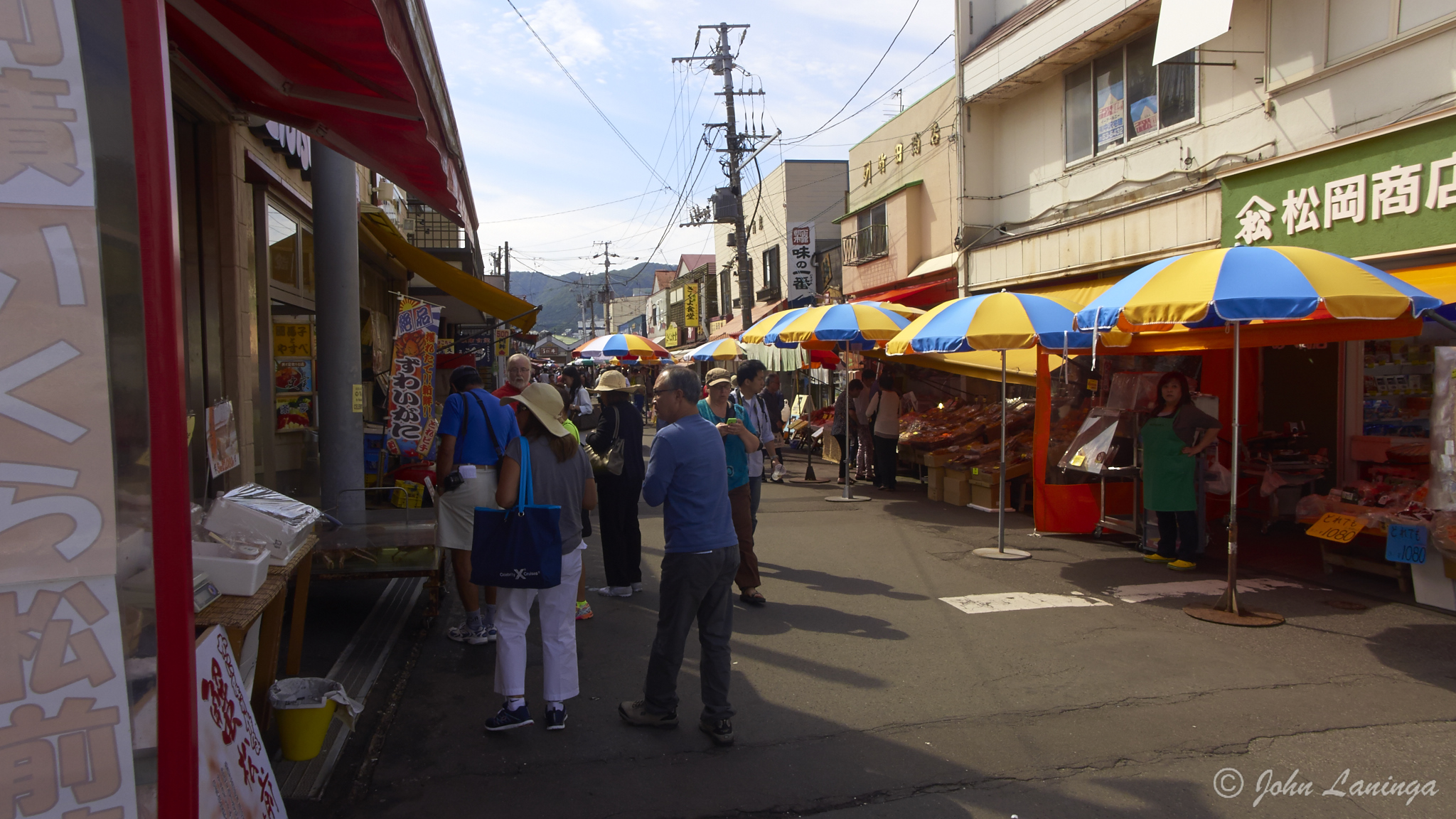
Morning market entrance
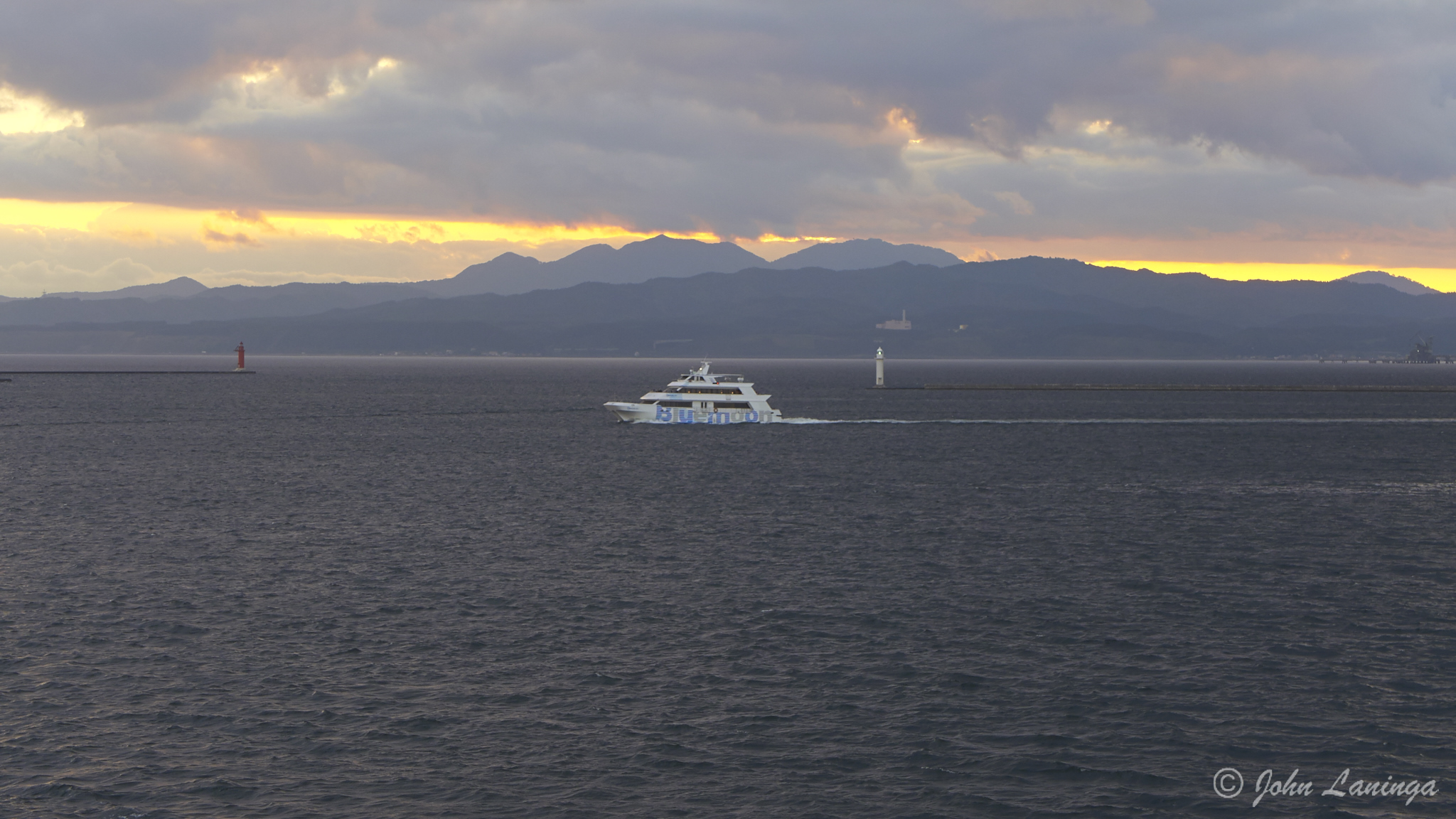
Departure sunset
Cruising: Otura, Japan
Our second port of call was Otura, Japan. Located on Hokkaido Island, it is close to Sapporo, home of the ’72 Olympics. It has a strong herring fishing heritage, although today it is more known for its canals and shopping. We did a walking tour of the shopping district.
There are some wonderful shops in Otura. One you wouldn’t think of is their “double frommage” stores, which makes an extensive line of cheeses, especially desert cheeses. They were passing samples on the street, and we made several round trips for seconds and thirds. We can’t take that back on the ship, so we had to pass on buying some, which we otherwise certainly would have done.
One thing that was obvious was the high prices of fresh produce. Melons were selling anywhere from $60 to $100 — each! And fresh corn was in the $2 to $3 per ear. Don’t know how they can afford to live there.
Of course, we found a local sushi place. If you’re going to have Japanese food, then why not in Japan? We found a cute local place and the sushi was indeed very good.
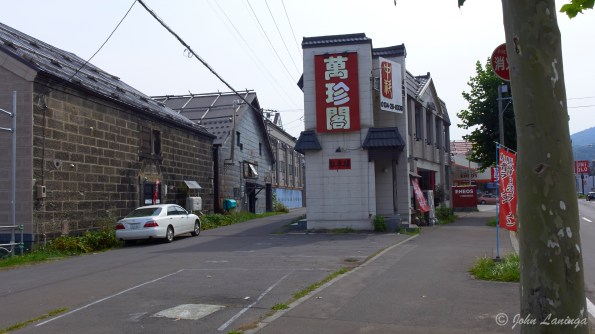
Obviously we are now in Japan
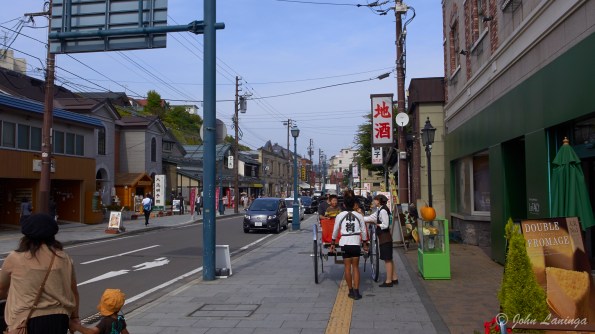
A view of the shopping street
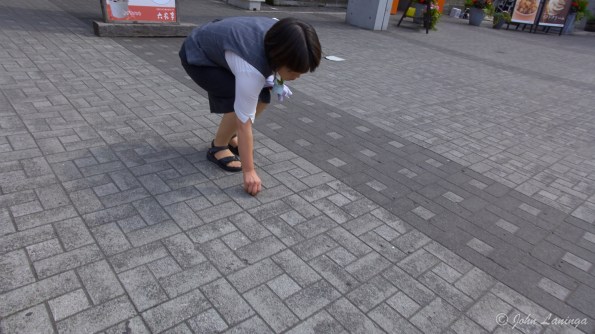
So clean. They even pick up trash by hand.
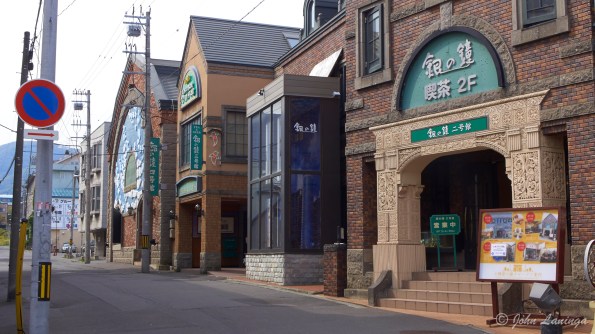
No idea what they were selling
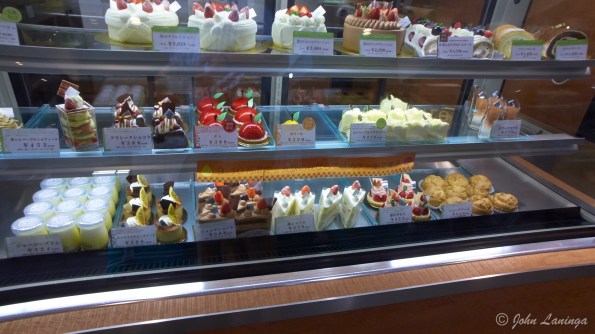
Sure did recognize these though!
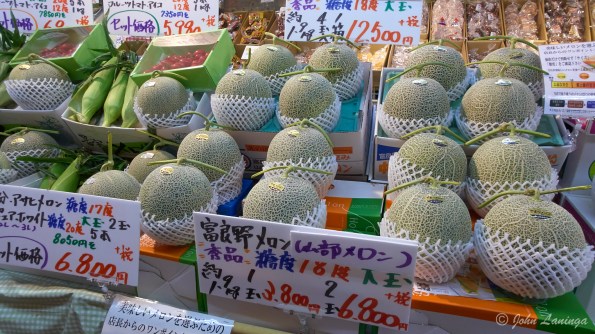
Melons at about $60 each
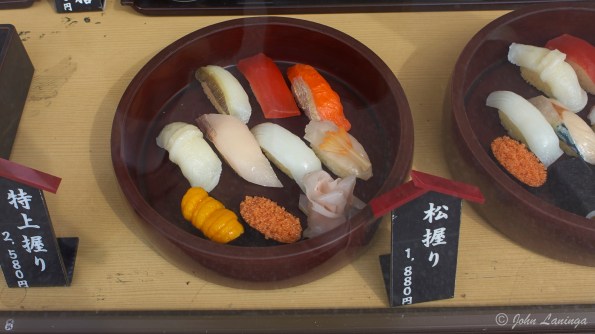
Sample of our lunch plate
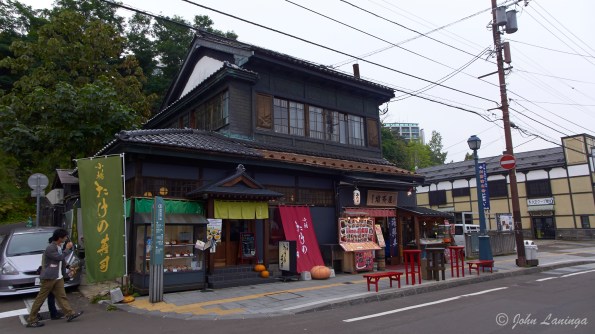
Local building
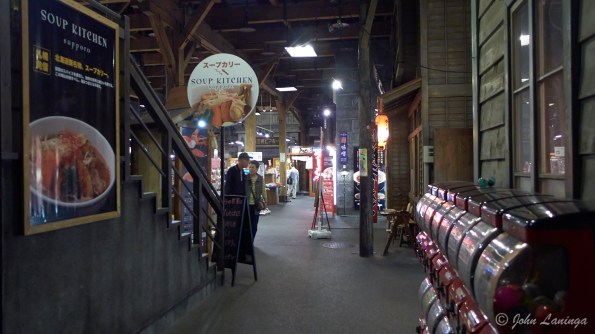
Inside one of the shopping arcades
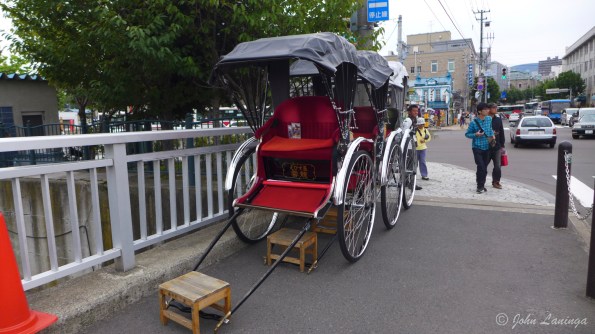
Cool way to get around
Cruise: Petropavlosk
Our first port of call was in Petropavlosk, Russia. This city has a lot in common with Juneau, AL in that it has no road access, about the same latitude, and a summer tourist spot. Beautiful surroundings, with volcanoes (dormant!) ringing the city. And lots of wildlife, and local fisheries. We took an organized tour so we could appreciate the city and surroundings.
Our first stop was a a new church, built high on a hill. The gold domes were visible from far away. We were somewhat surprised we could enter, as a service was going on. Even more surprised to see no benches, everyone was milling about, shopping the gift store, lighting votive candles etc. Certainly different than here.
Our second stop was at the Military Glory Museum, serving to remind people of the violent past. Old equipment was on display, as well as some typical Russian posters, showing tough soldiers storming the beaches. Not all that different from any military museums anywhere.
We then took the bus to a hill top to see the surroundings. Good view from on high! Along the way we visited several memorials to local heroes.
Our final stop was at a newly built market. Large and clean, this place had everything, especially if you wanted sea food. Didn’t know there was so much caviar available! We tasted some and it was excellent.
A final comment. Patropavlosk is the home of the Russian Submarine Navy. We were able to see two nuclear subs, albeit from a distance. In fact, they delayed a massive training exercise until our tour ship was out of the harbor. Whew!
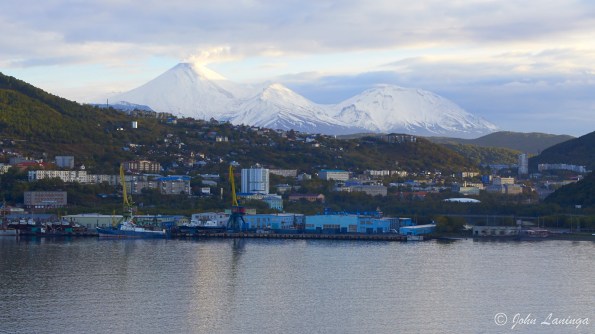
The harbor is a very pretty scene
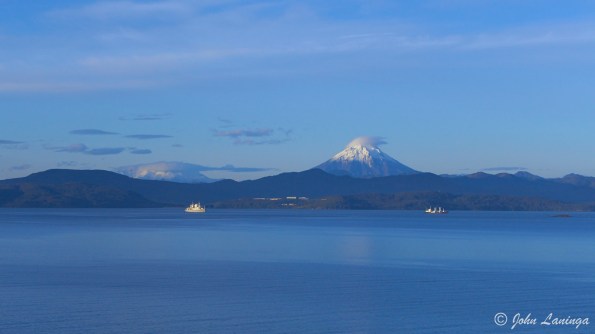
One of the volcanos. Look in the water, far right…
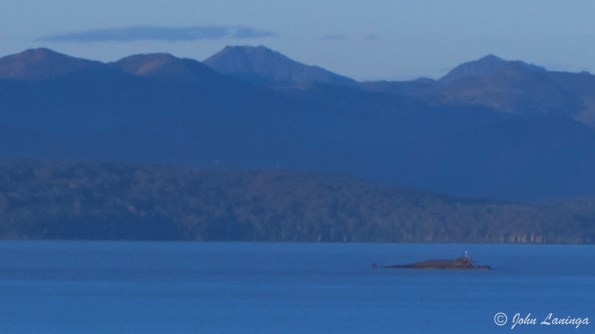
… and you can see one of the two nuclear subs on the surface.
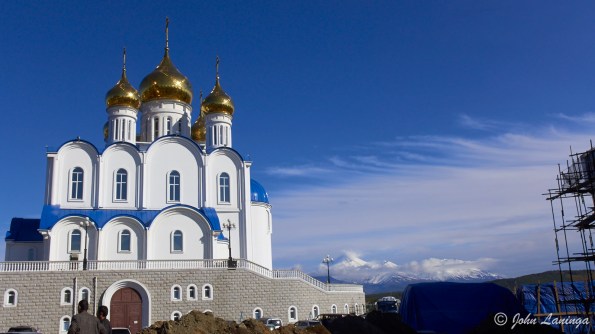
Beautiful church, beautiful surroundings
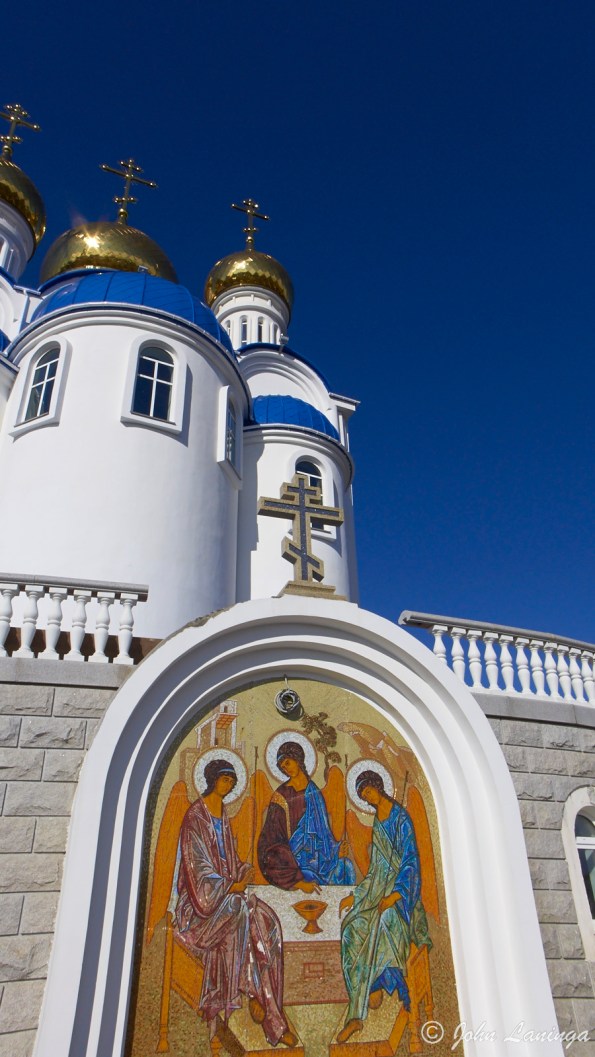
Interesting tilework
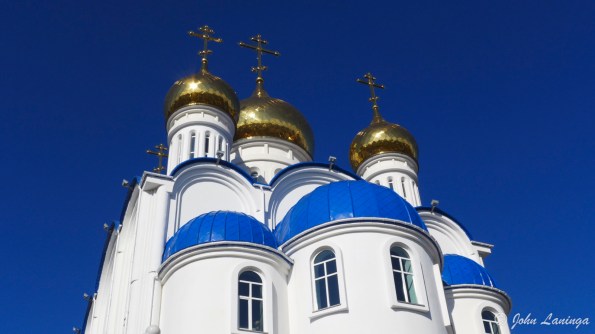
Scenic building
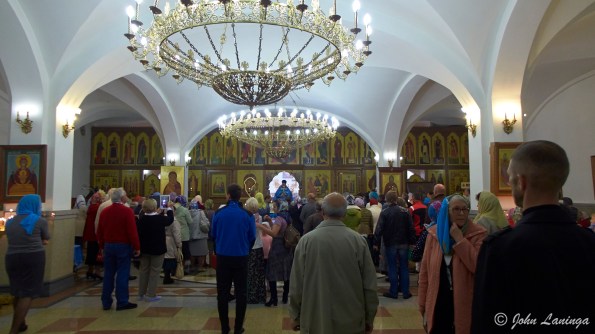
Main hall with service in progress
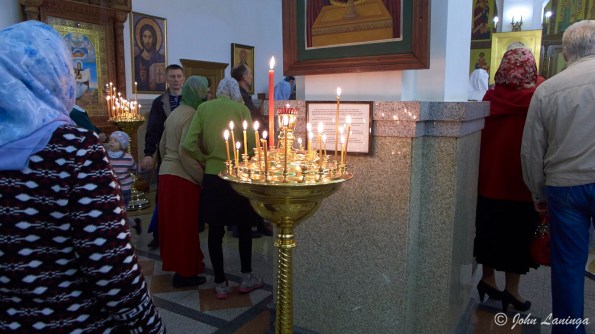
Lighting candles in the church

One of the memorials
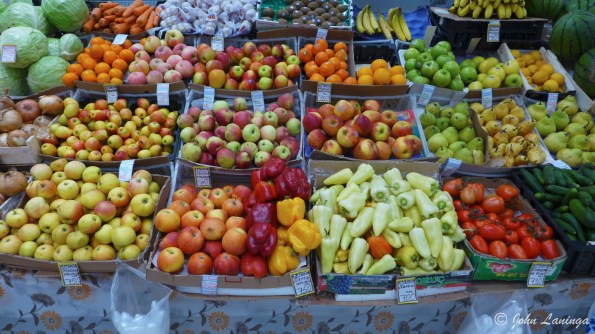
Lots of fruit, too
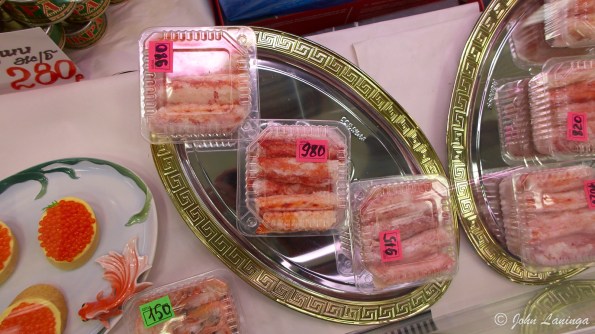
Our favorite – ready to eat king crab legs! $35 a pound!
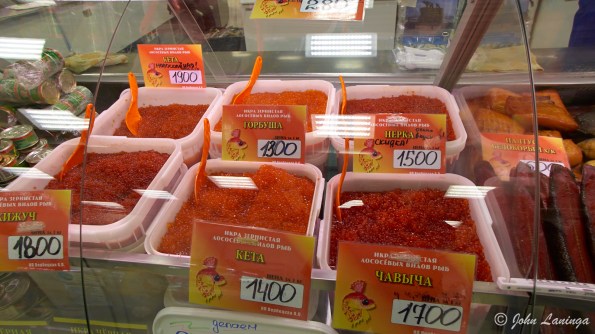
Just how much caviar do you want? A gallon?
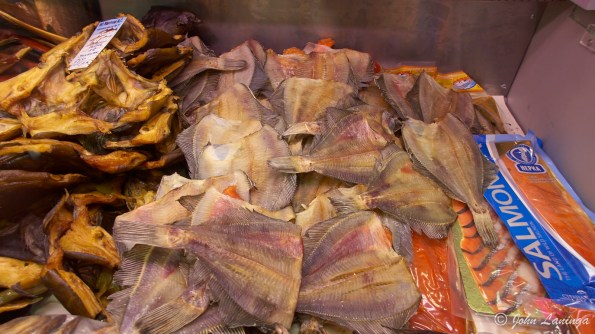
Dried fish? You want dried fish?
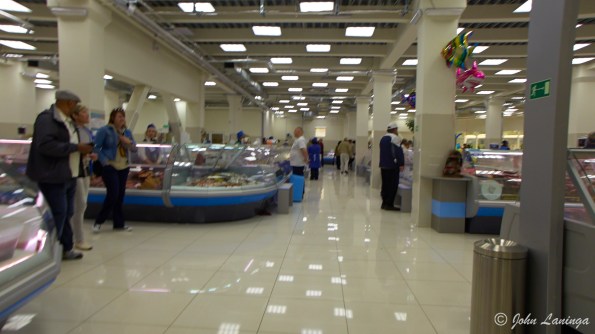
Inside the market hall… clean and large
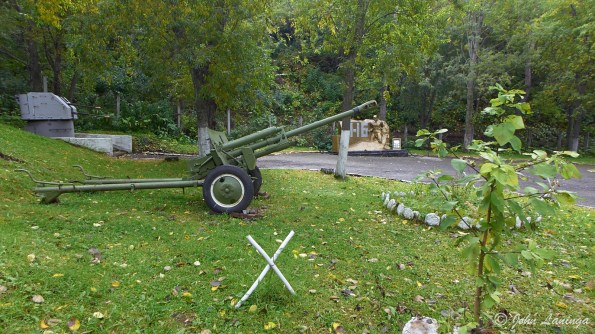
Outside the museum
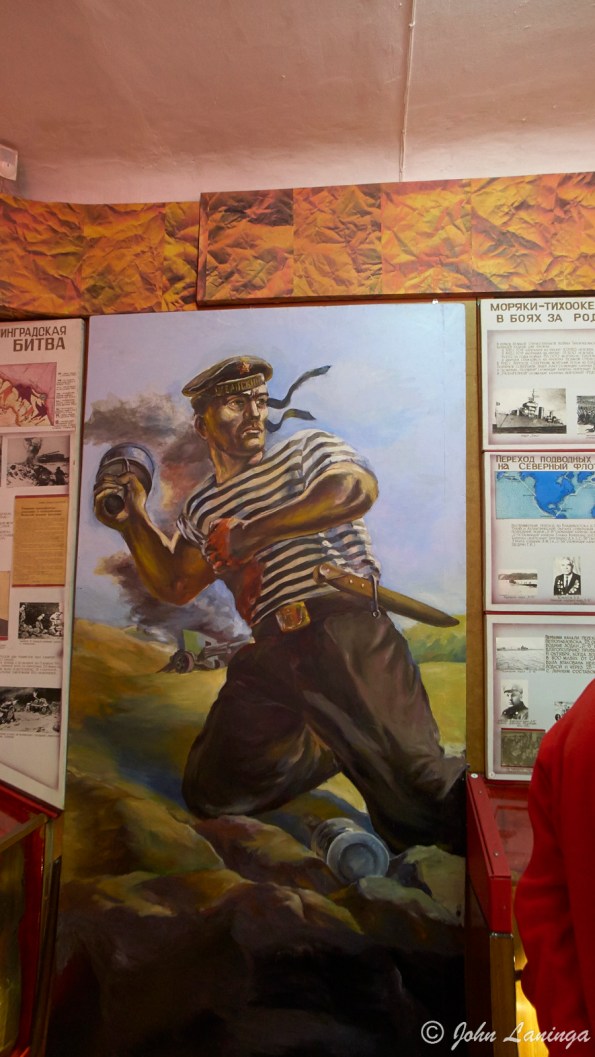
Military glory museum
Cruising the Pacific
The first 9 days on our cruise from Vancouver to Japan were at sea. The first port of call was Petropavlosk, Russia so this was our first trans-Pacific cruise. We had quite a party as we crossed the dateline! It was strange, going from Wednesday 10:00PM to Thursday 10:01PM at one time. We skipped Thursday entirely. Oh well, we’ll have to make that up on the way back.
In general, the water was smooth. Except one day, when we were in the fringes of a typhoon, which whipped the waves up to 30 feet high. Some people were sea sick, but we had no problems. Didn’t miss a meal.
One thing we like about trans ocean cruises is the activities. We had interesting lectures during the day, lots of music throughout the ship, shopping, and great entertainment at night. Certainly no time to get bored.
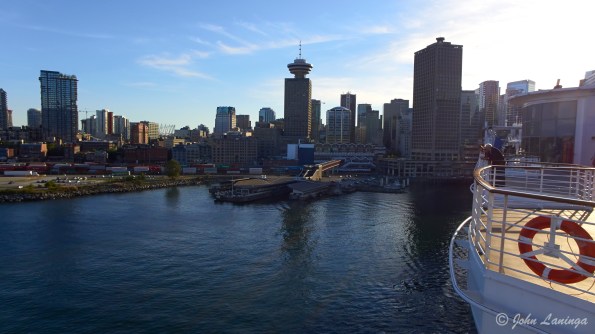
Looking back into the sun as we depart Vancouver harbor.
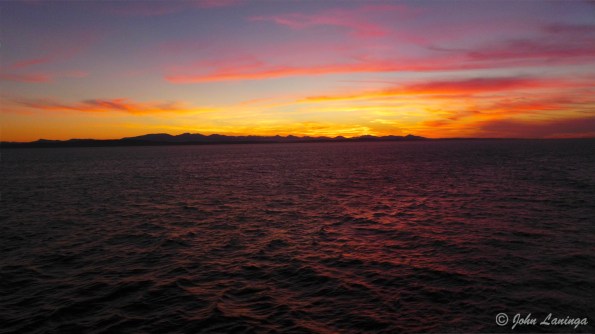
Our first sunset on the Pacific.
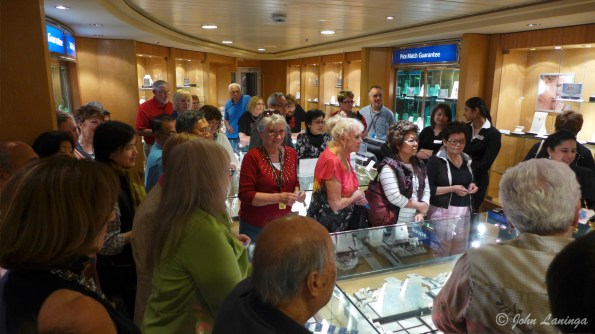
Romola getting caught up in the shopping frenzy. She doesn’t spend much, though.
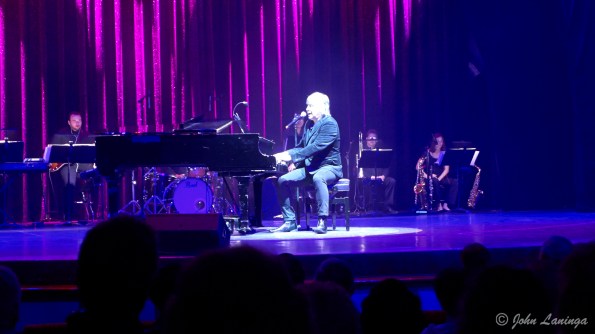
One of the featured entertainers.
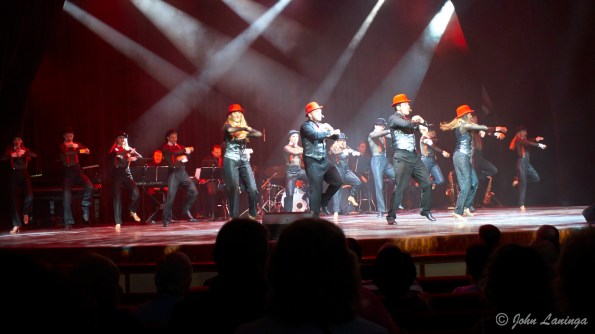
The ships own dance crew put on quite a show

Ida, enjoying one of our faborite places… the bar.
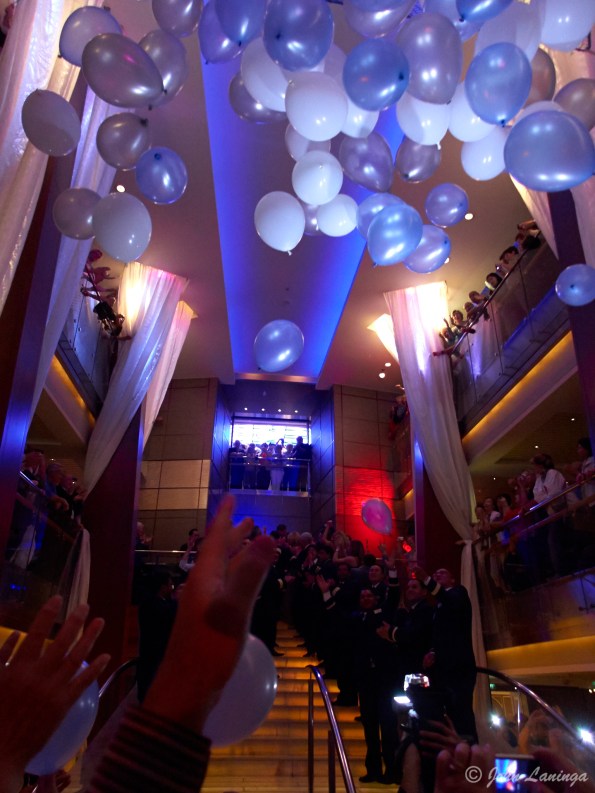
Big party as we crossed the international date line.
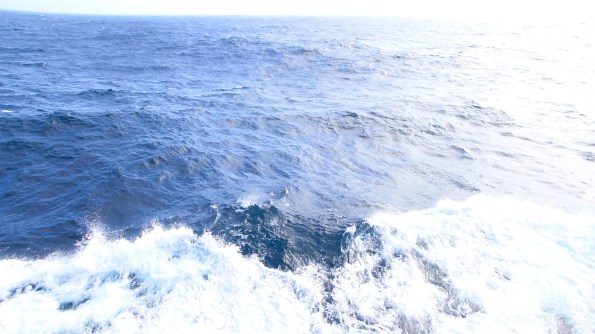
Doesn’t look bad in pictures, you should have been there….

One of the volcanoes at Petropavlosk.
Starting from Vancouver, BC
Our cruise to Tokyo began in Vancouver, BC. Of course, that is “home town” for me, as I lived there as a kid. So I became de facto tour director to our friends Les and Ida Cook. And the weather cooperated, beautiful!
Our highlights include an afternoon on Grouse Mountain. The gondola starts within the city limits, and whisks you to the top. There are tourist attractions up there, as well as restaurants and shops. The views were spectacular, and we waited until dark to get the night lights. Truly a world class city.
Later, we visited the Granville Market, which has a wide arrangement of foodstuffs – from seafood to vegetables. And artist stores for those so inclined. Les and Ida enjoyed our ride on the cute little ferry to the island.
After settling on our ship (the Celebrity Millenium) we got a nice view of downtown Vancouver and the Lions Gate bridge as we started our cruise. Nine days at sea coming up!
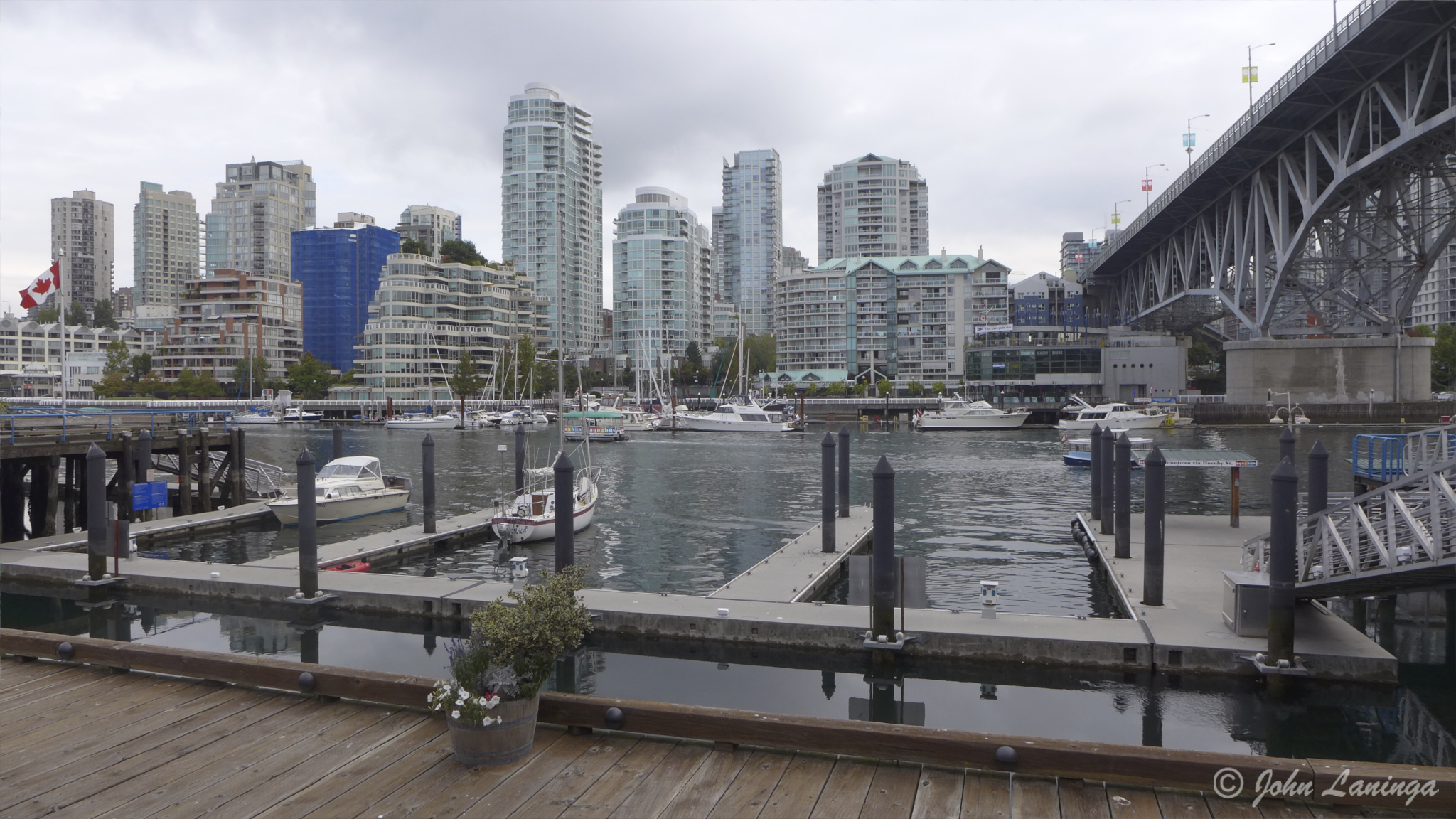
False Creek, right outside our apartment
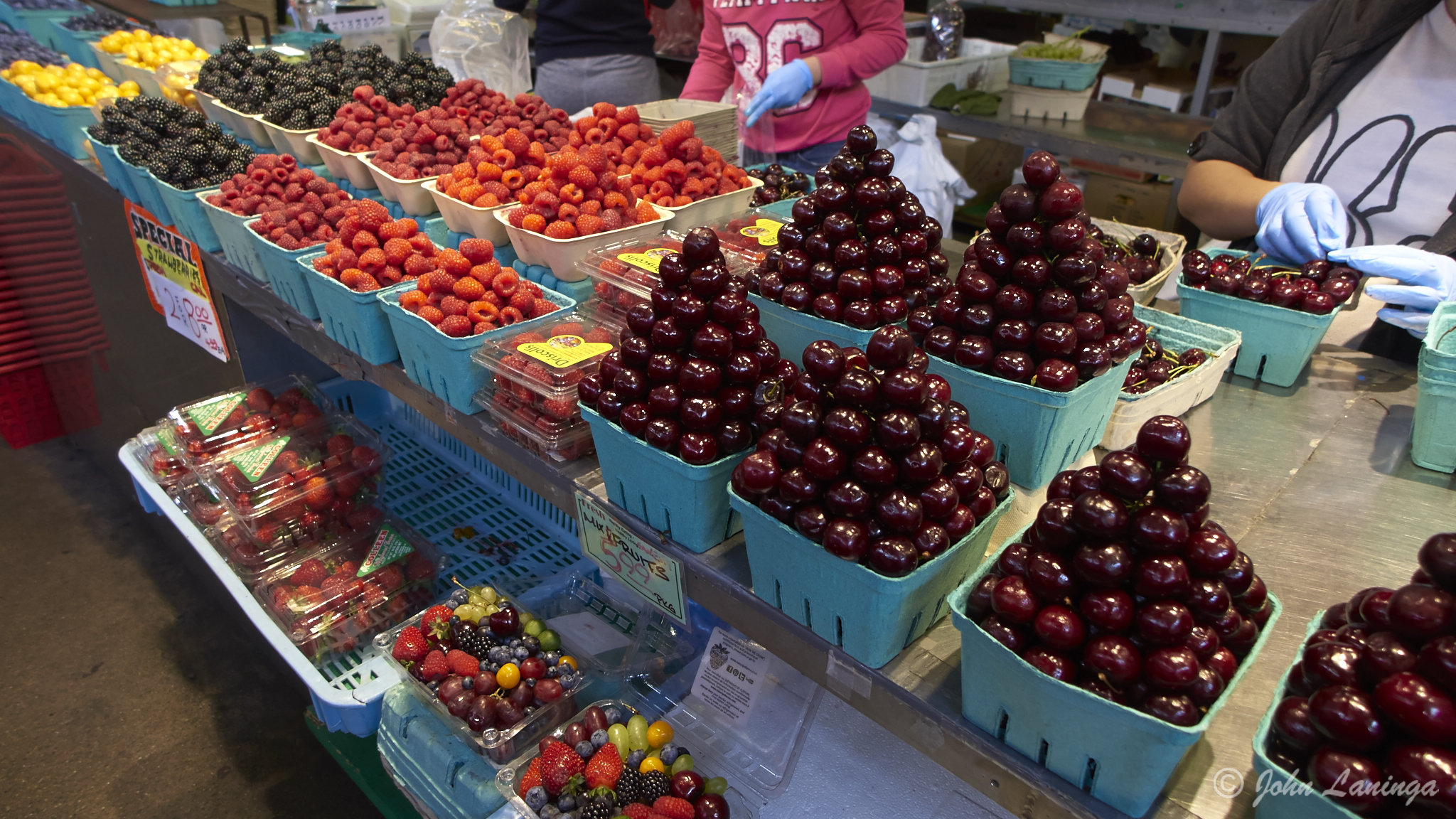
Never saw cherries packaged like this before!
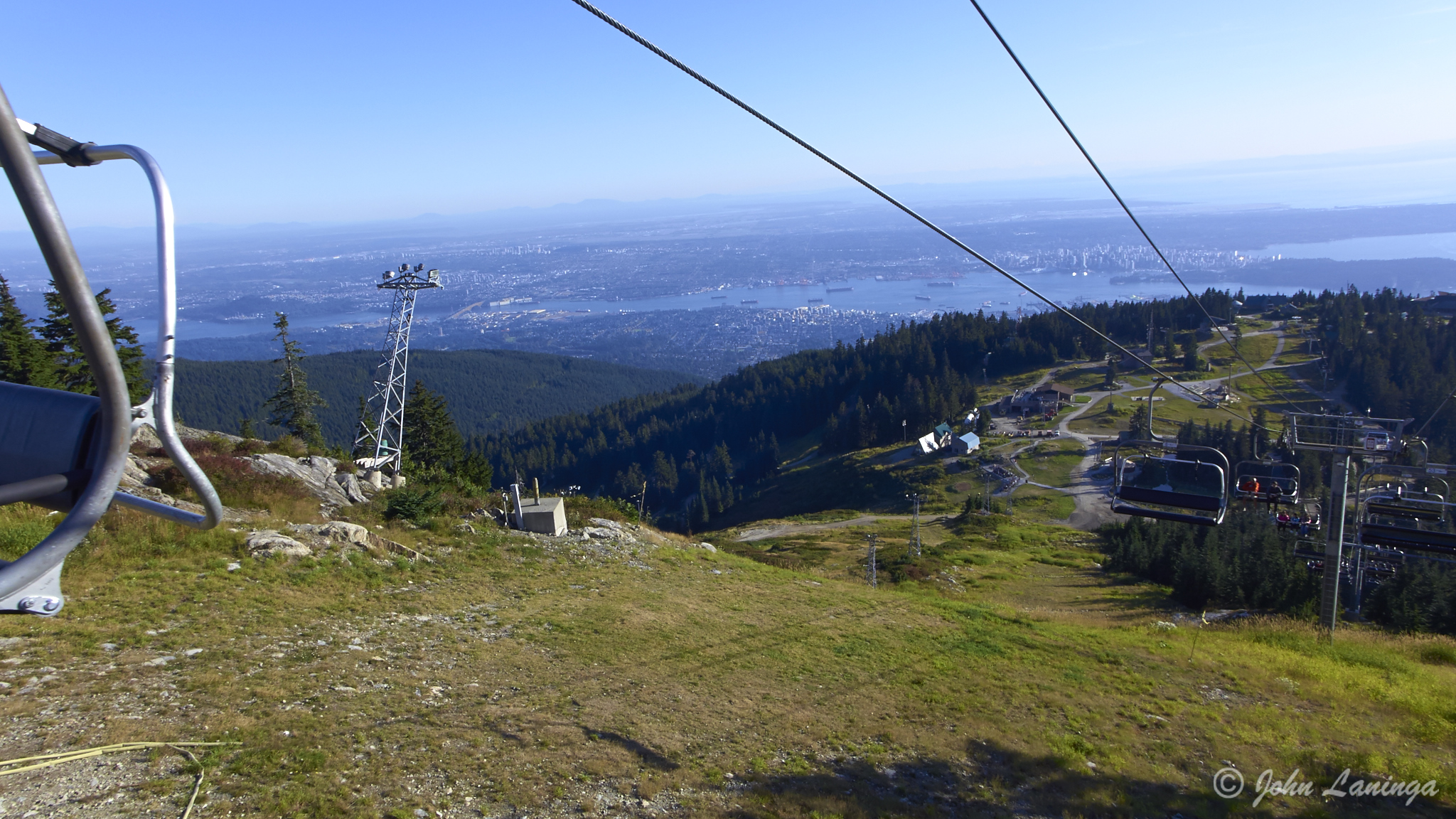
Looking back from the top chair lift
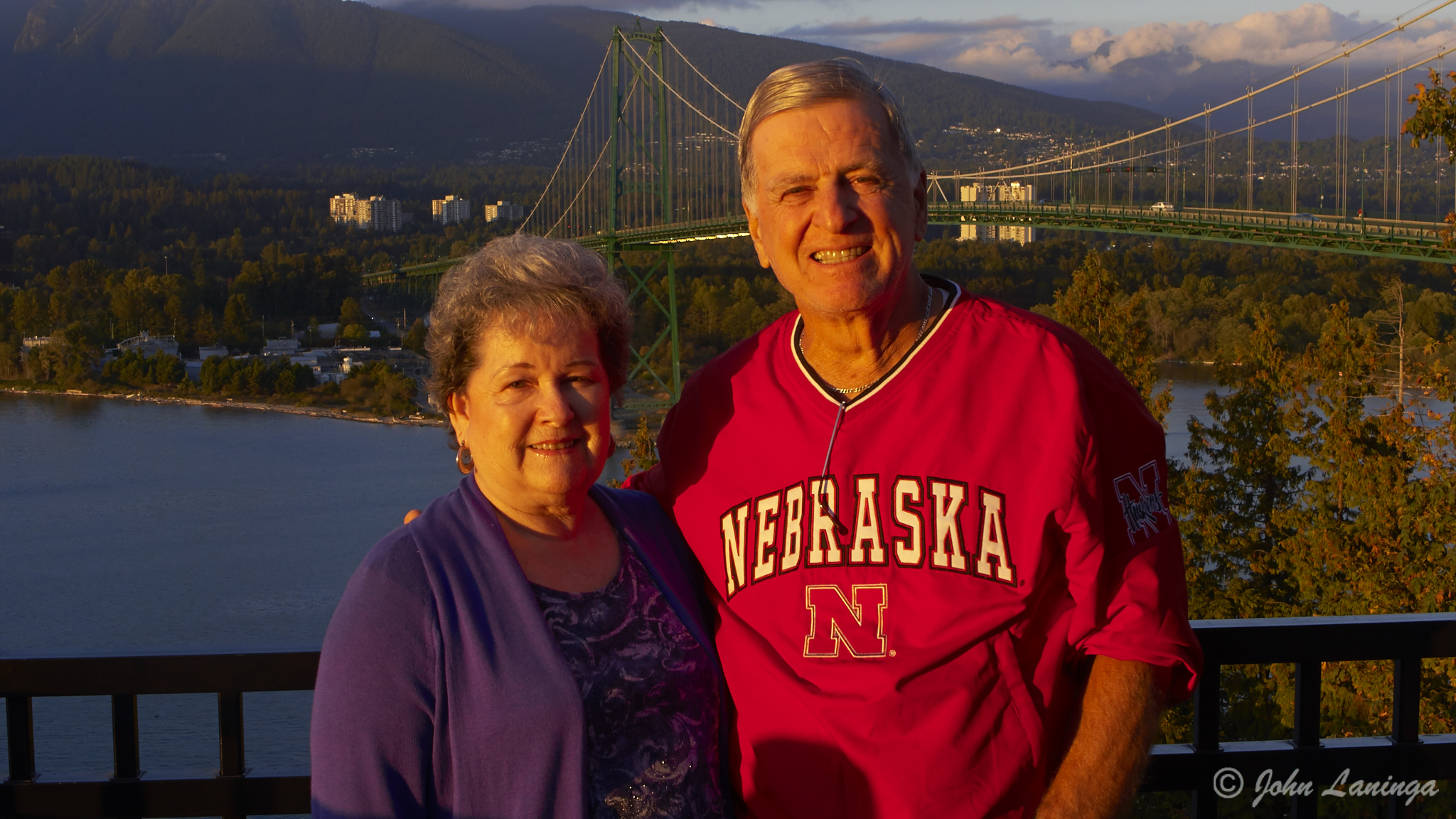
Ida and Les at Prospect Point in Stanley Park
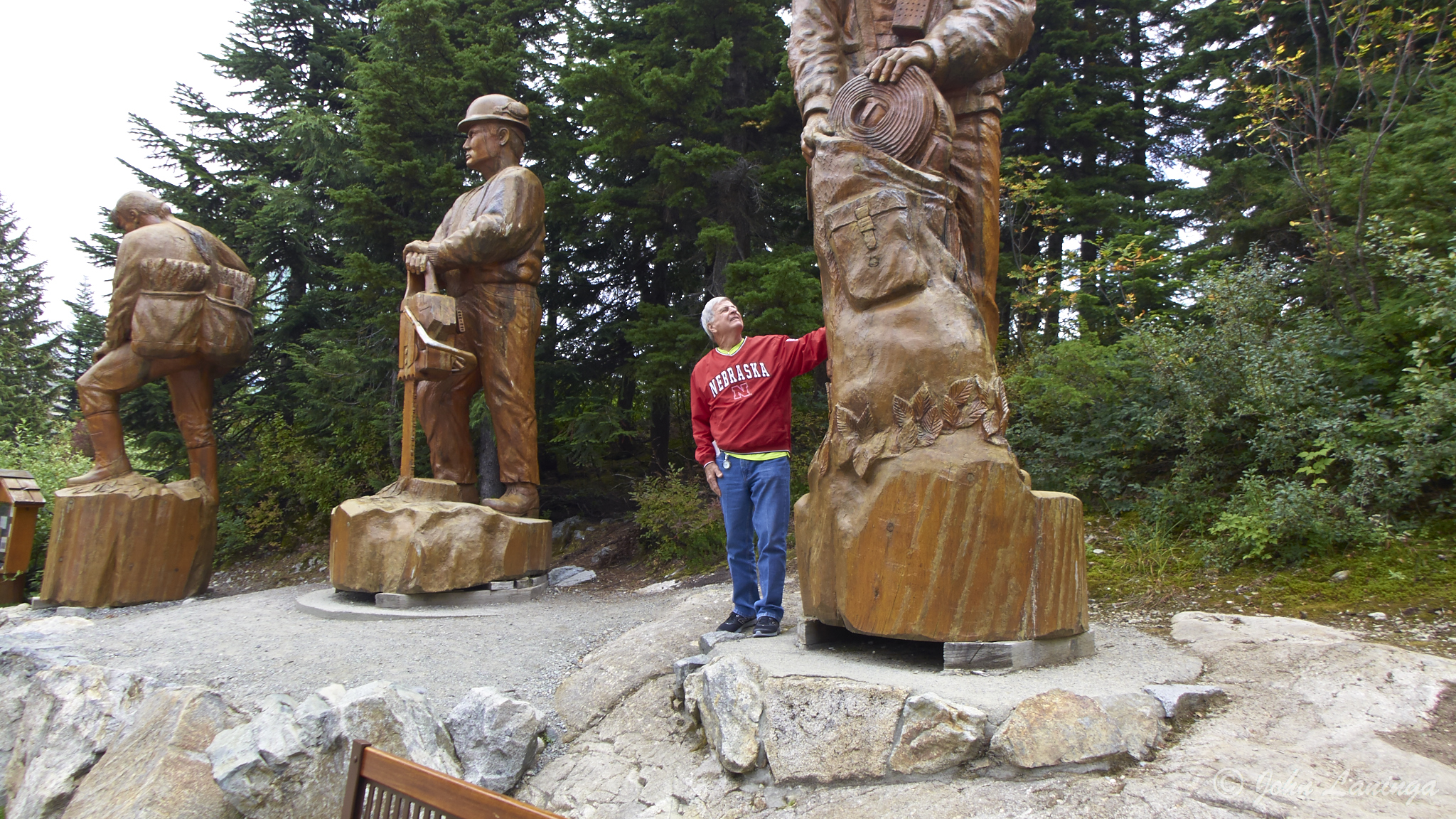
Les admires the wood carvings on Grouse Mountain
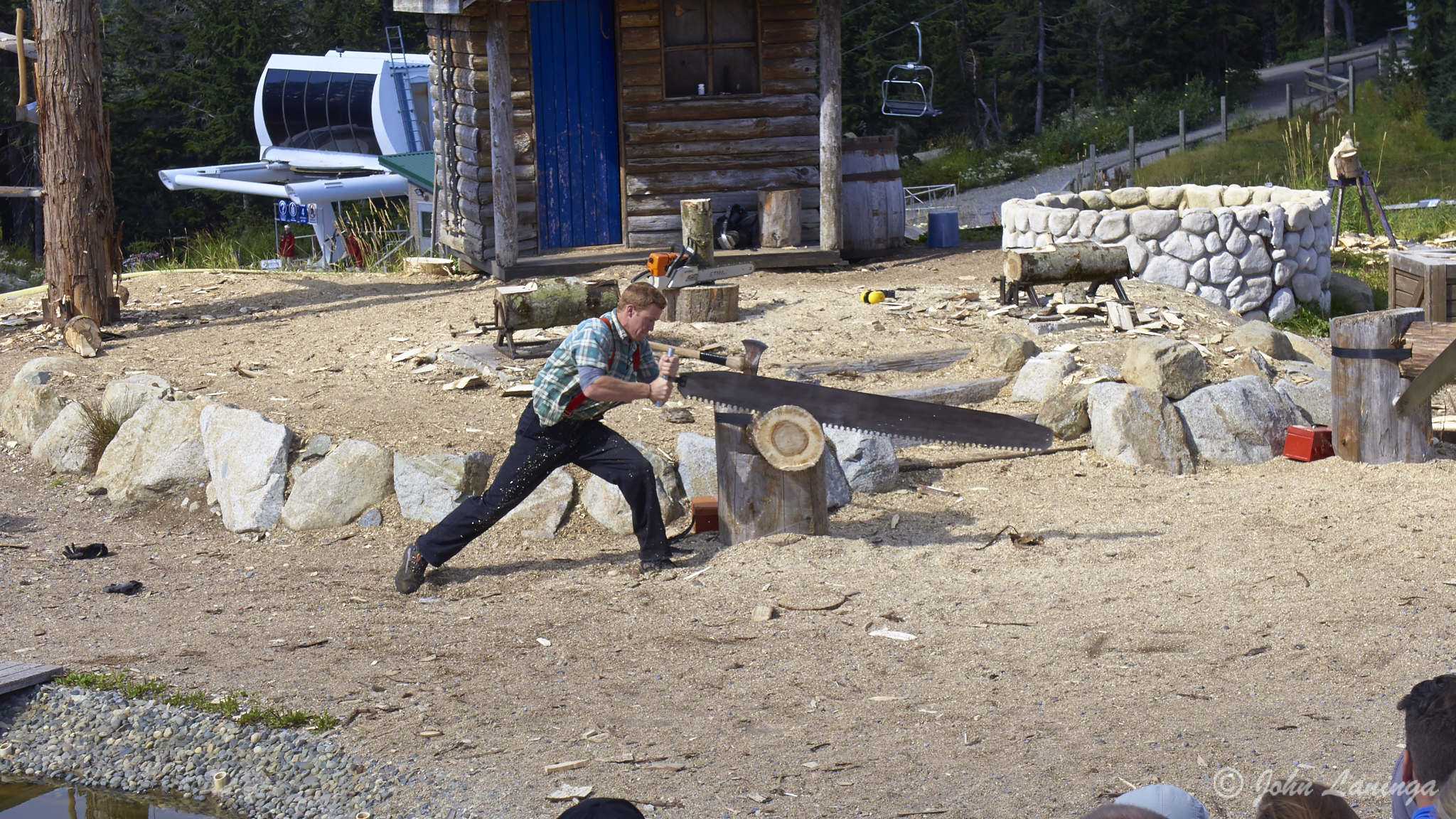
Lumberjack show
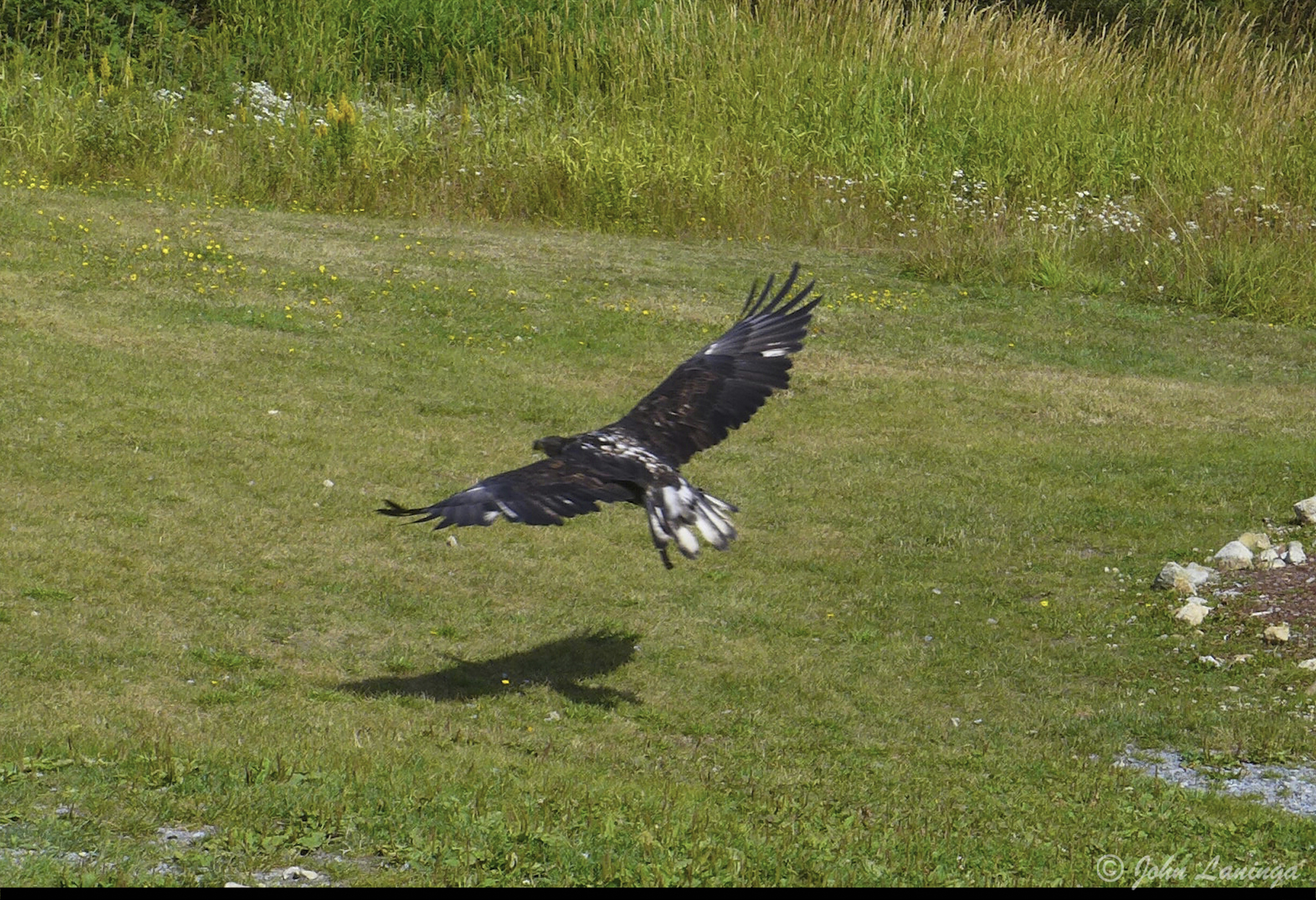
An eagle demonstration on Grouse Mountain
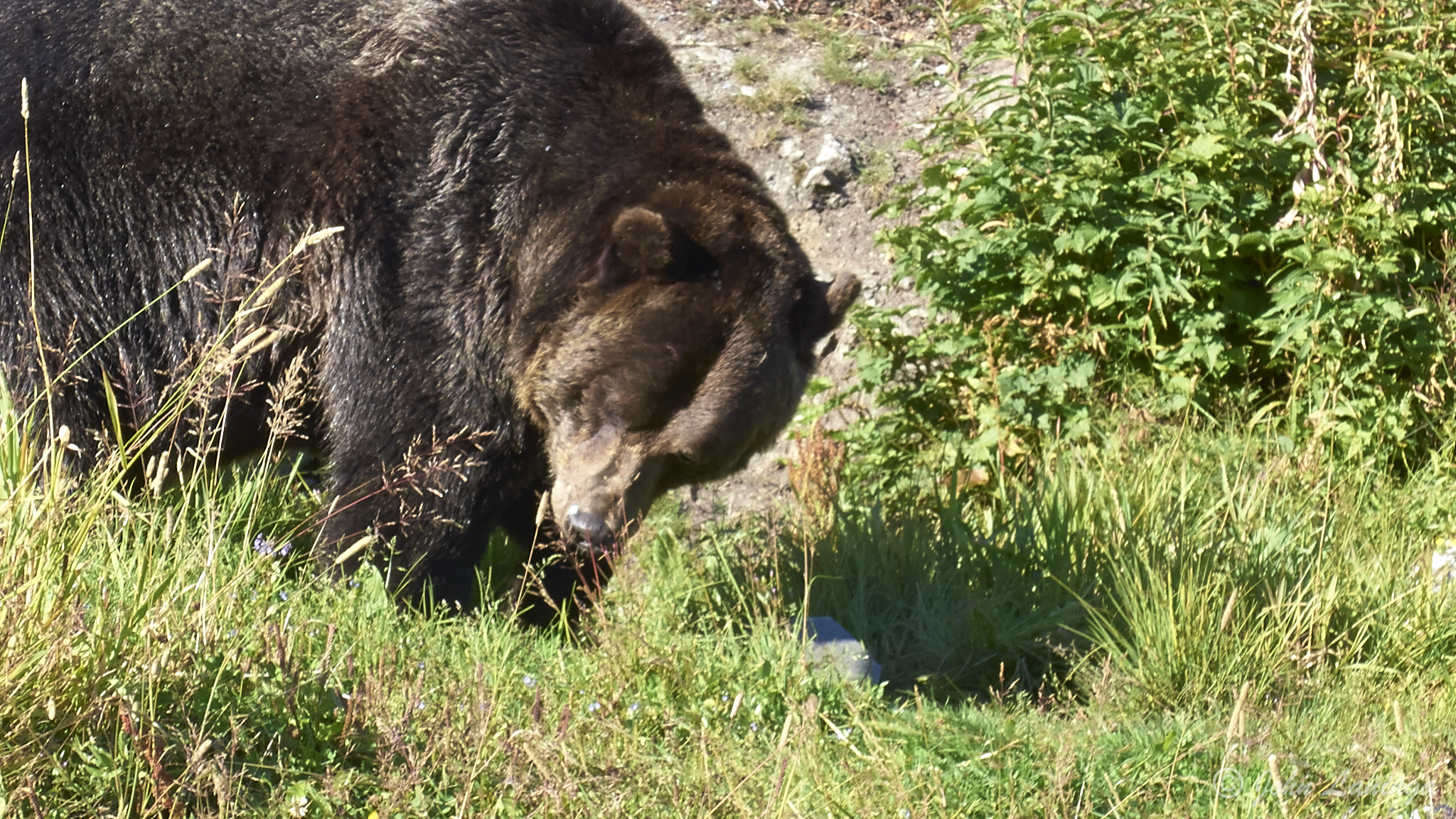
Gib brown bear
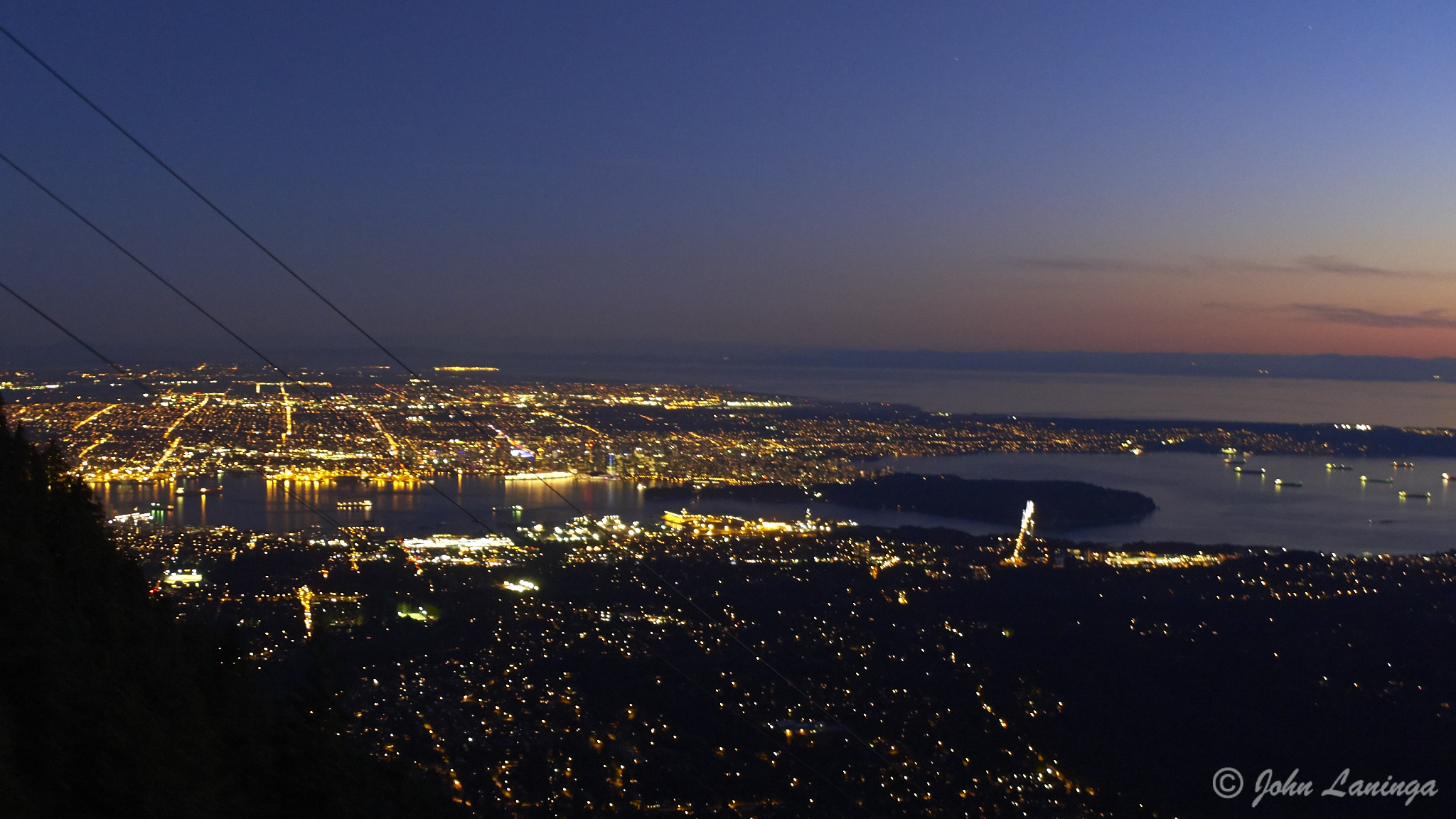
Downtown Vancouver from Grouse Mountain

Leaving downtown Vancouver
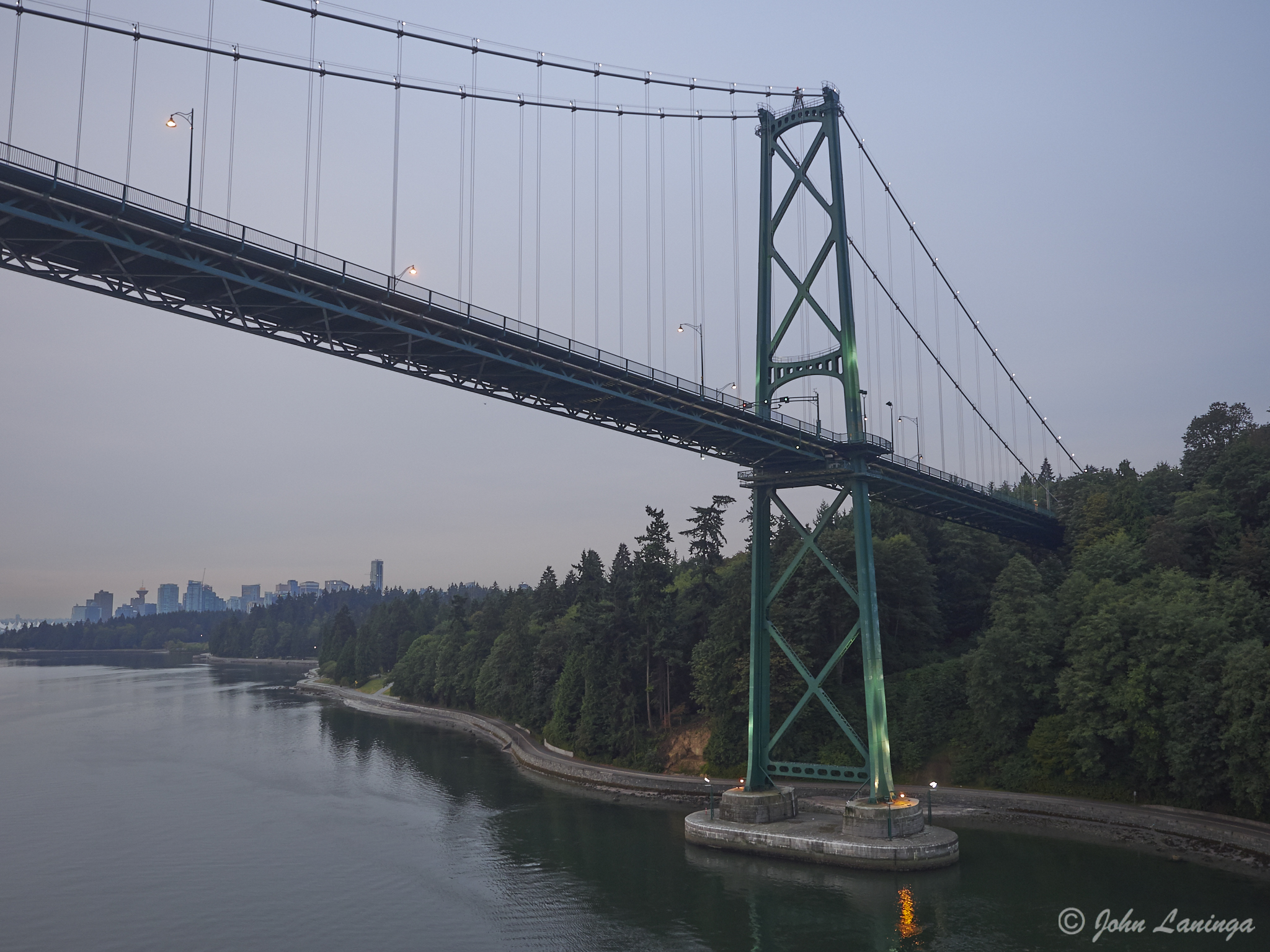
Passing under the Lions Gate Bridge
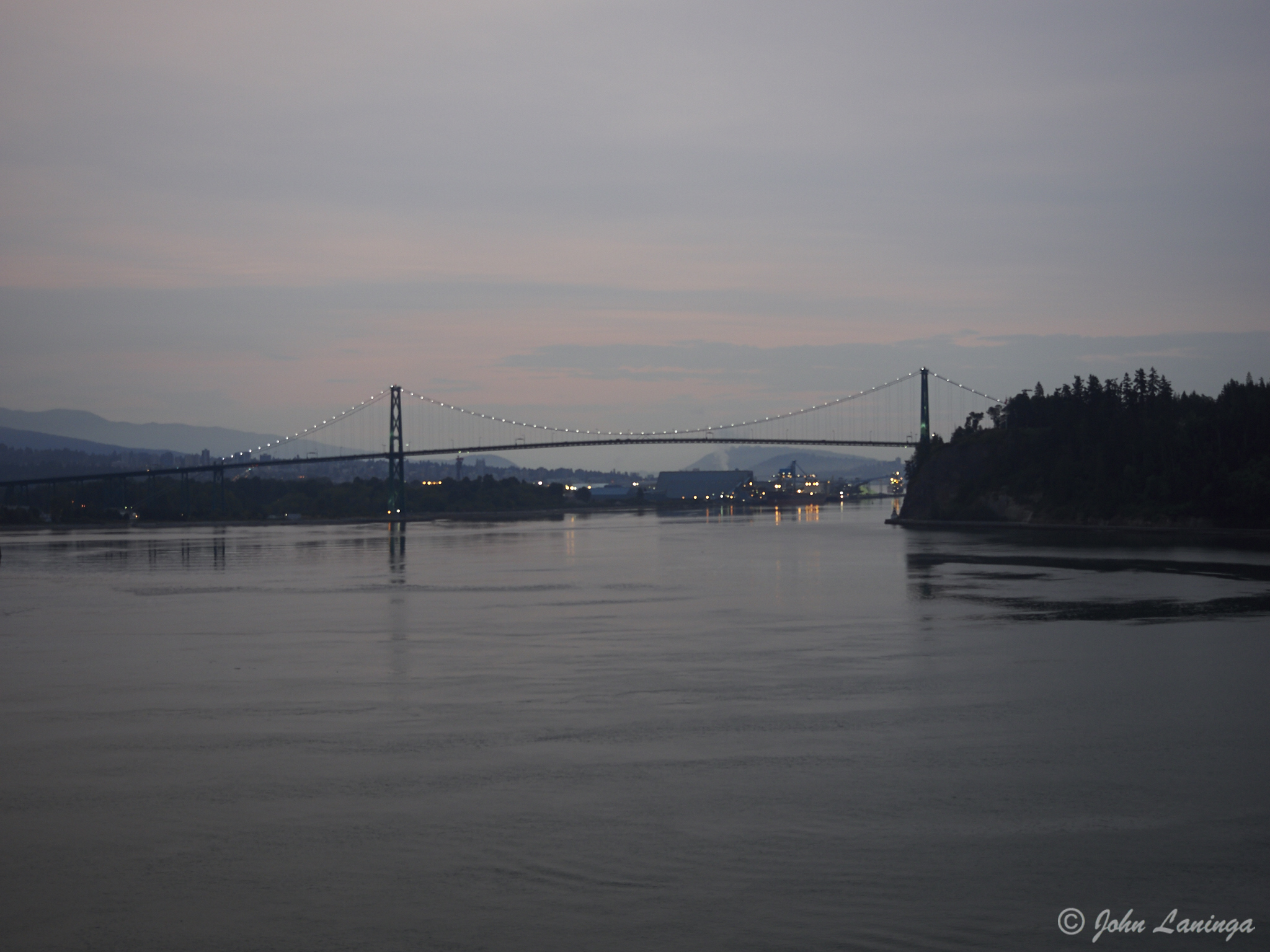
Goodbye, Vancouver!
Fort Langley, British Columbia
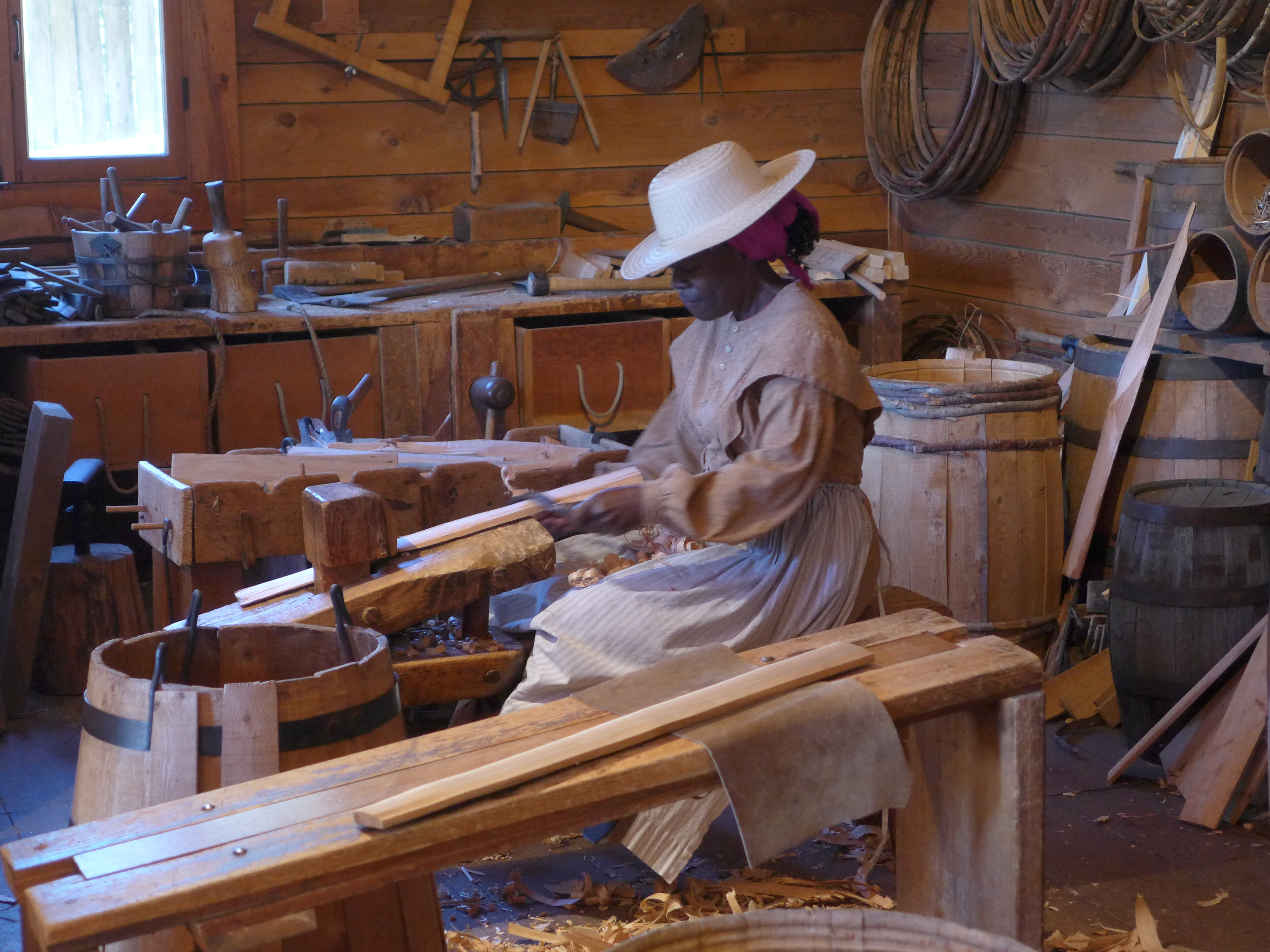
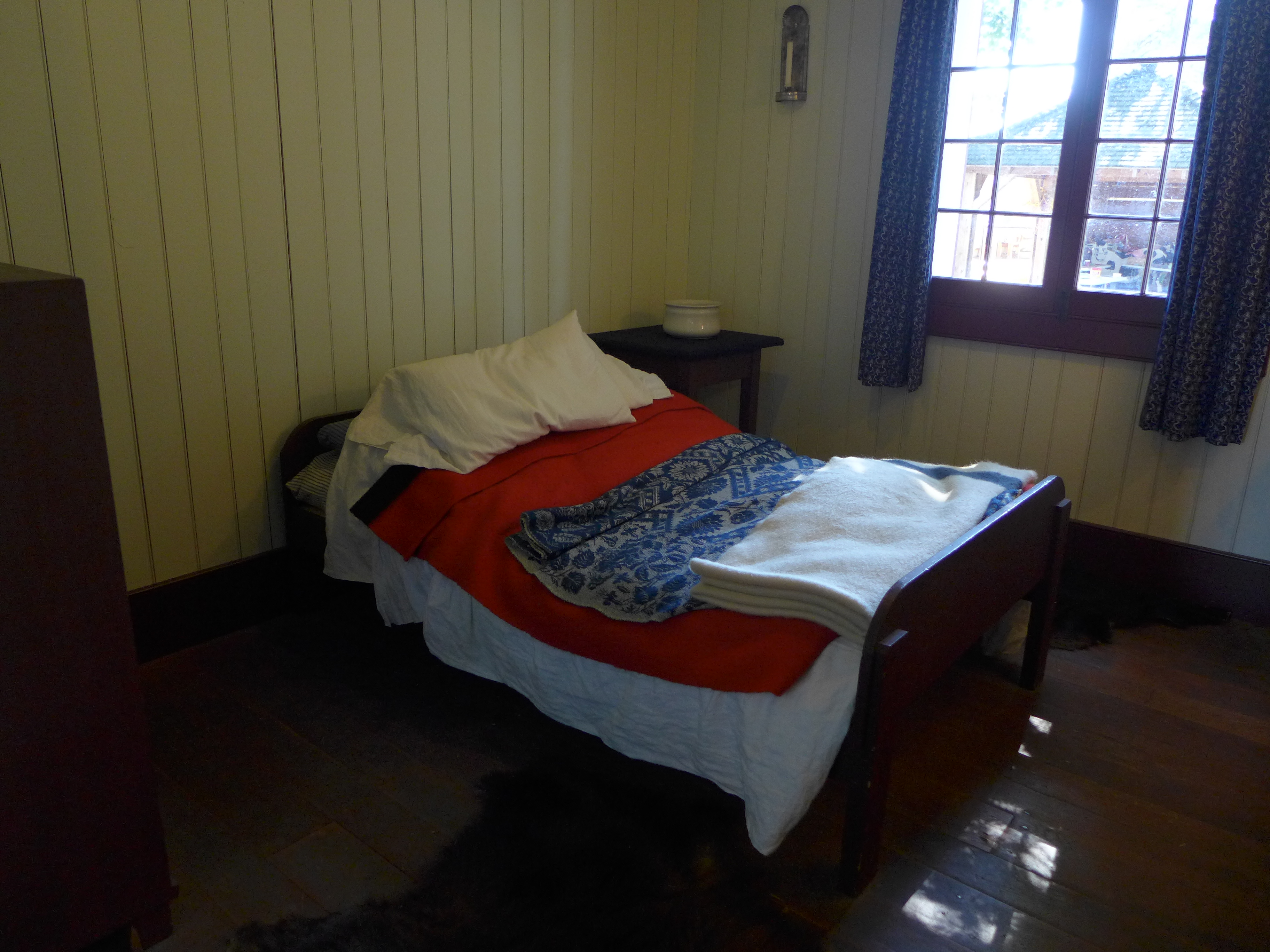
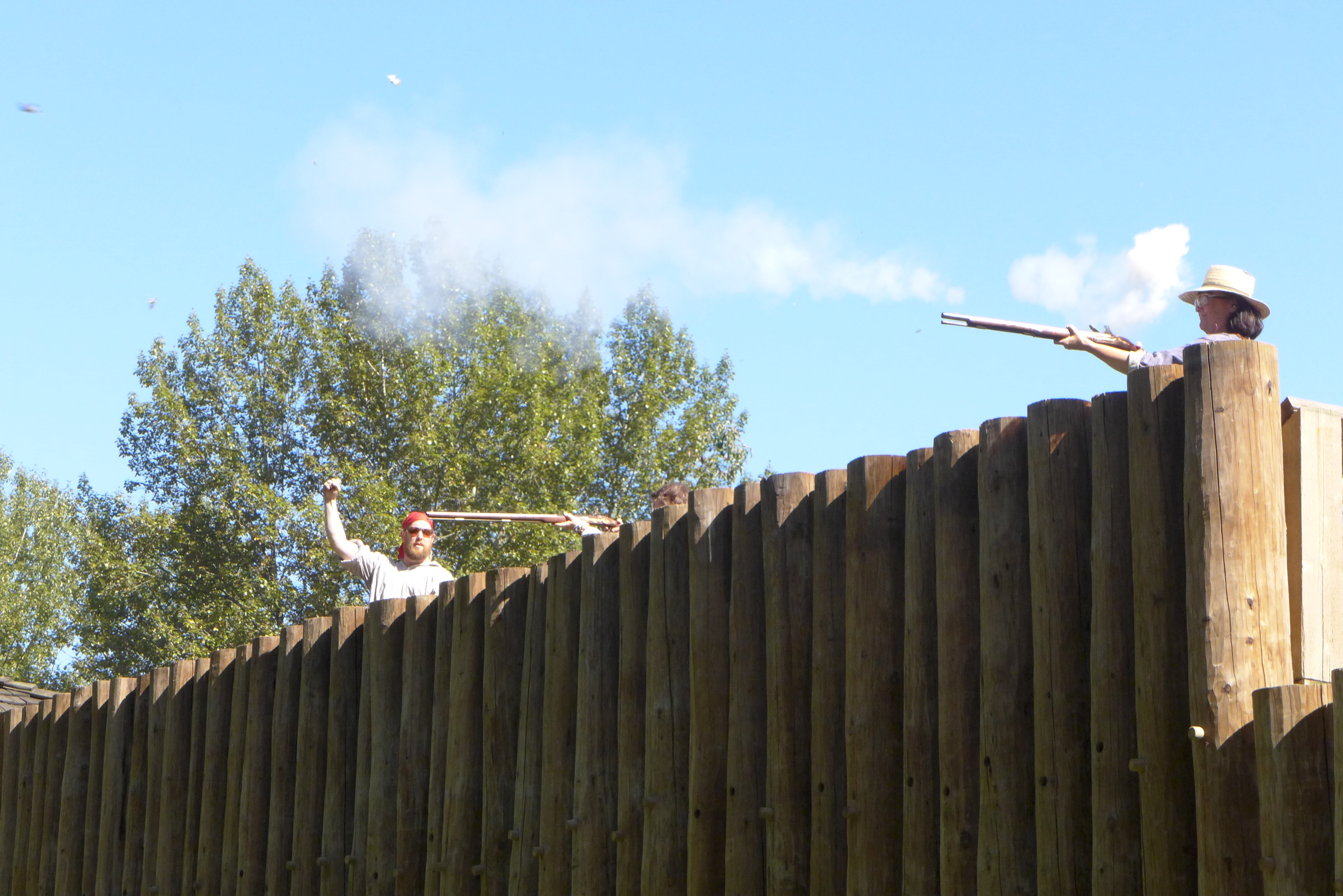
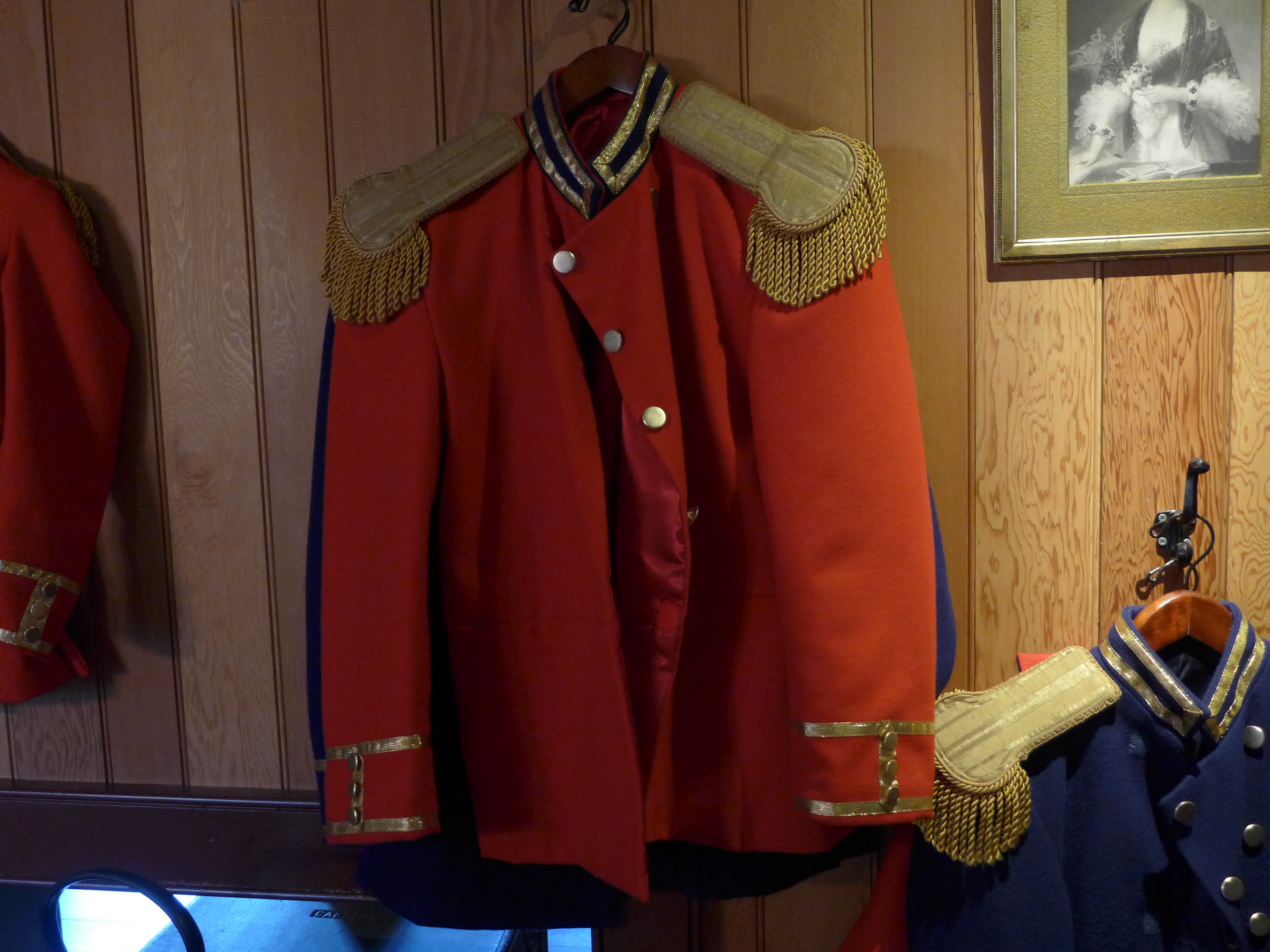
After volunteering at Ft. Vancouver for 4 summers, we had a chance to visit Ft. Langley. An interesting contrast between the two sites.
Alaska: Skagway
In 1896 gold was discovered in the Canadian Yukon, causing a major prospector rush. One of the more popular ways to get there was to take a boat from Seattle to Skagway, then hike the 550 miles to the gold fields. The first 40 miles were treacherous, going over White Pass, followed by a long and dangerous hike. So many prospectors didn’t make it that the North West Mounted Police manned a border crossing and demanded every prospector carry one ton (!) of supplies. This required many prospectors to hike the Pass 30 or 40 times carrying goods just to be allowed into Canada!
The city of Skagway was a booming place with bars, parlors, businesses, con men (such as “Soapy” Smith), and loose women. Some very fantastic schemes were sold to unsuspecting prospectors (like the guy who sold “specially trained gophers that would gather gold for you”)! Eventually a narrow gauge railroad was built, requiring some 450 tons of dynamite just to make the roadway. But by the time it was finished the gold rush had dwindled to almost nothing. Skagway declined and was pretty well dormant for decades.
During World War II the US leased the railroad in its effort to protect against Japanese attacks. As a result, many improvements were made. Narrow gauge locomotives and rolling stock arrived from around the country. After WWII, the railroad again was dormant, parts going into receivership.
Then tourists arrived, coming in huge cruise ships. The town has been rebuilt and still has many original buildings. The White Pass and Yukon Railway also was purchased and rebuilt into a major tourist destination.
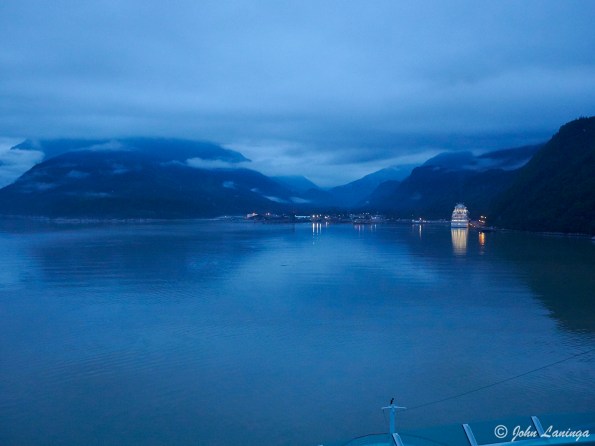
Early morning arrival in Skagway

Red Onion Saloon
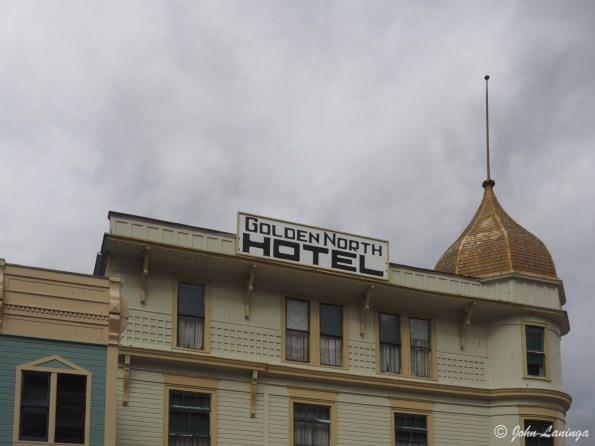
Golden North Hotel
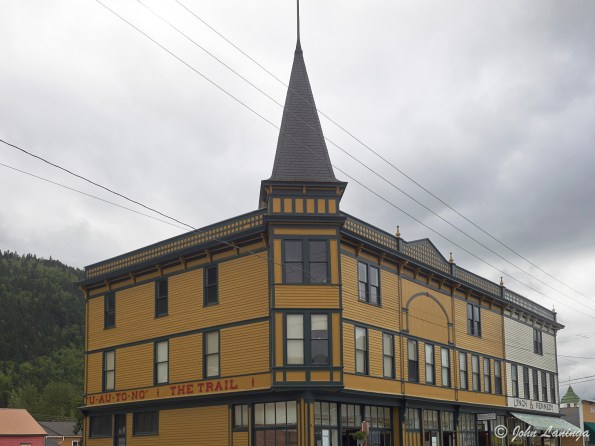
Skagway Rail Station
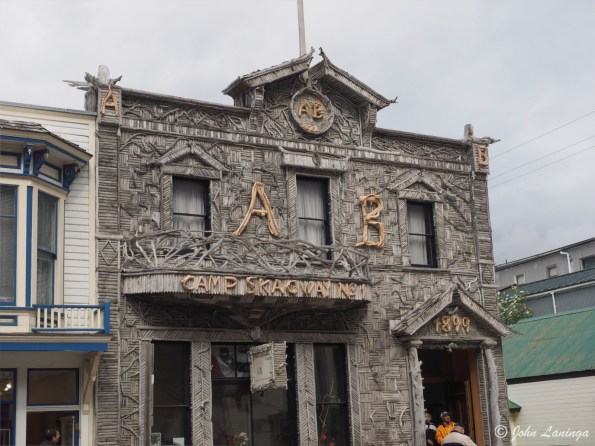
Now a museum
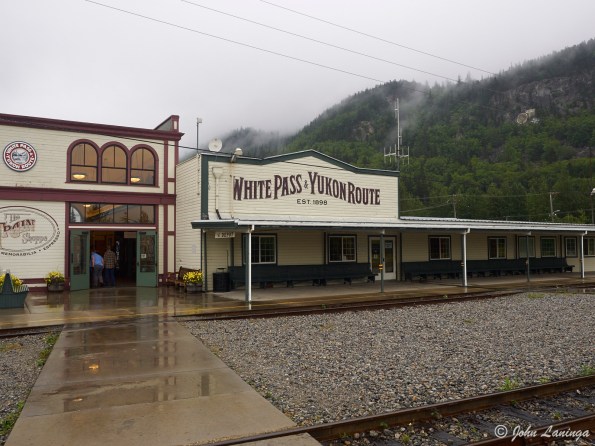
The WP&YR Depot
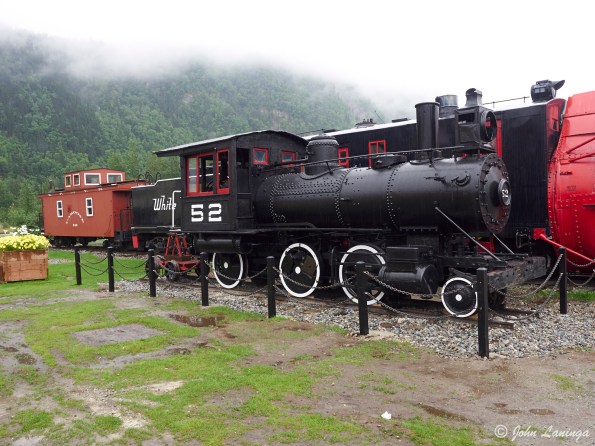
One of the early steam locomotives
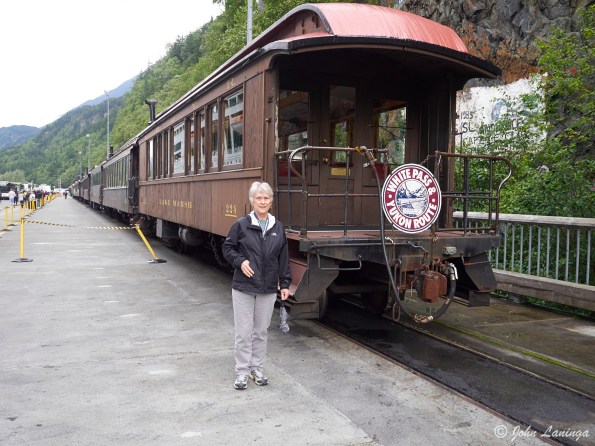
Getting ready to board the train
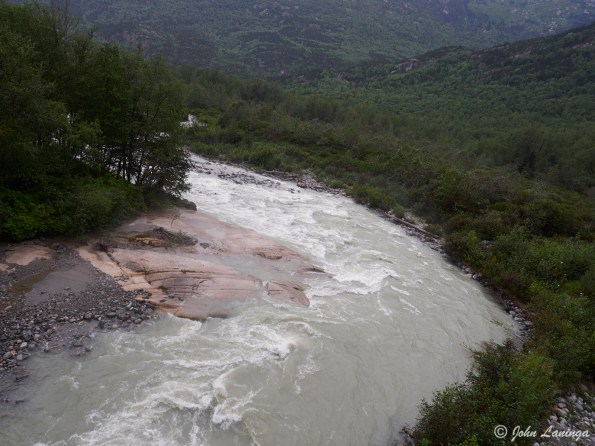
A look down from the train
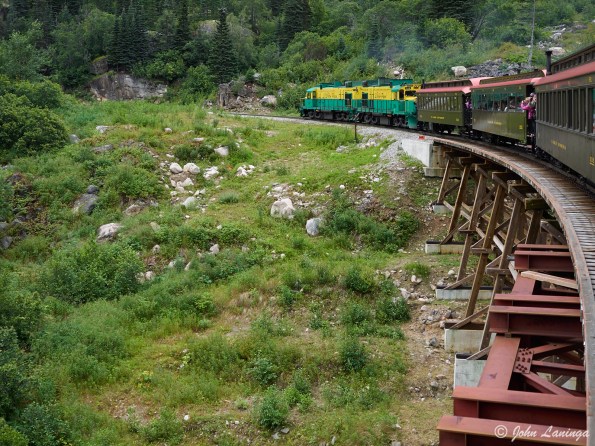
Engine, crossing a trestle bridge
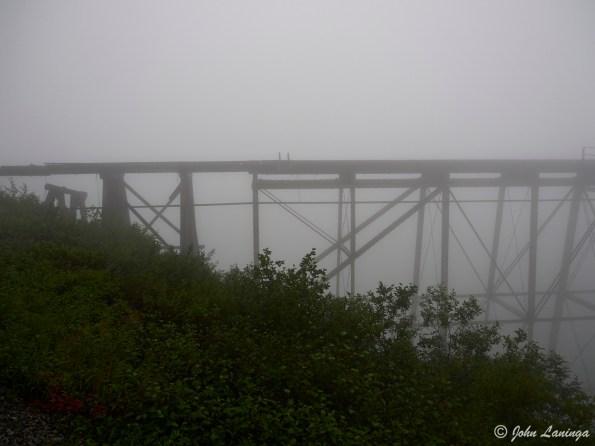
A ghostly view of the Cantilever Steel bridge (no longer used)
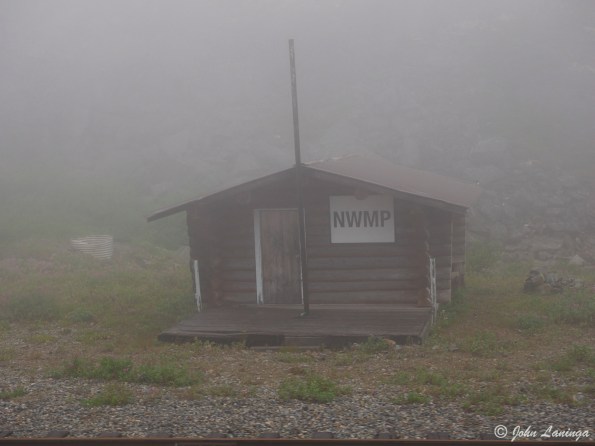
The NWMP station at the top of the pass
Alaska: Ketchikan
Ketchikan bills itself as “the Salmon Capital of the World”. And indeed we enjoyed salmon fish and chips, as well as sending some salmon home. It is also known as one of the wettest cities in the USA (rainfall in excess of 18 feet in one year). True to its reputation, it rained on our way up but we were treated to a exceptional sunny day on the way back.
The population of Ketchikan is around 8,000. The day we were there there were 4 cruise ships, so we had around 10,000 tourists in town. Talk about crowds…. But we all got a chance to see the salmon going upstream to spawn, look at the largest totem park in Alaska, and visit historical Creek Street, which catered to lonely lumbermen and miners in the 1890’s.

Arrival in the rain
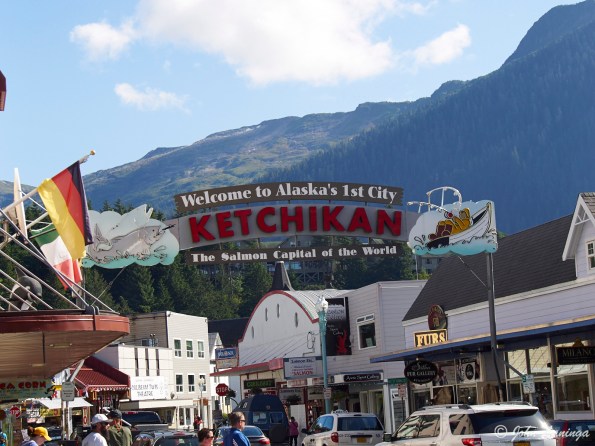
In case you wondered where we were…
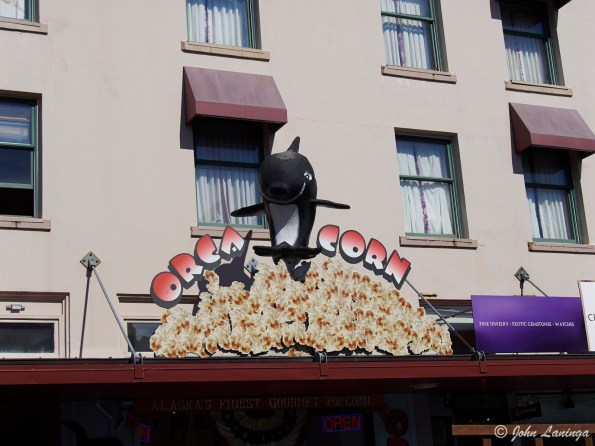
The theme certainly includes whales
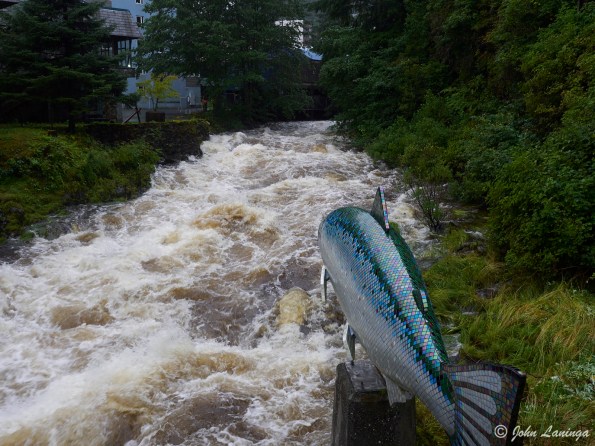
Salmon statue
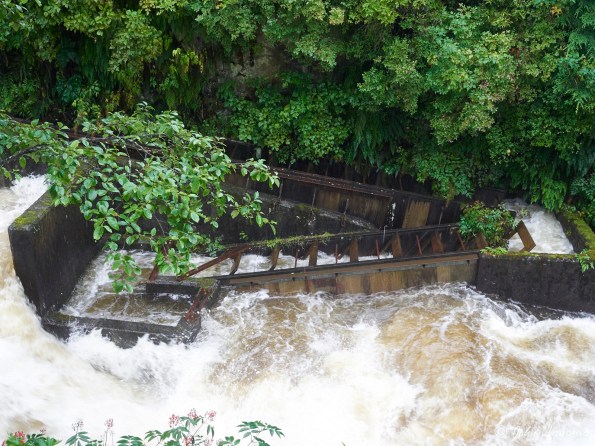
Fish ladder
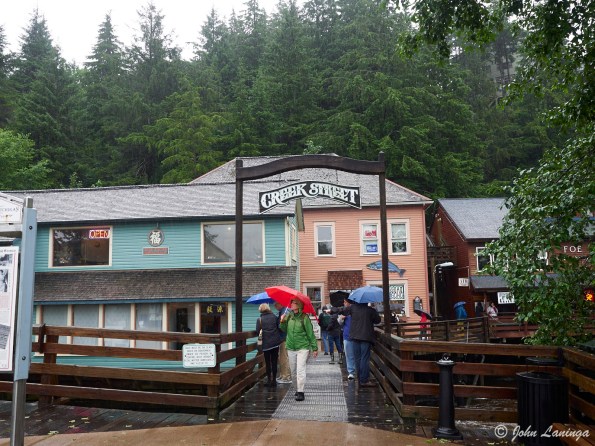
Historical Creek Street
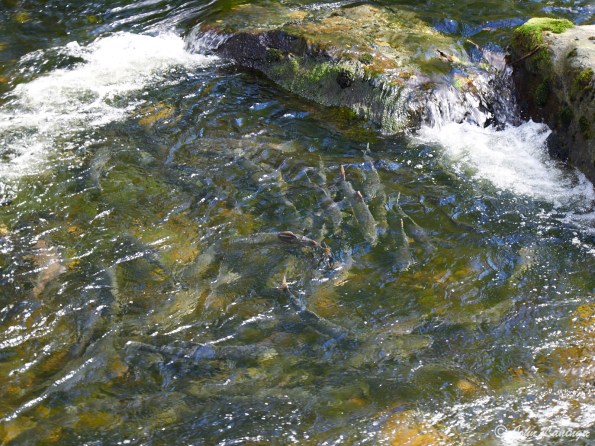
Spawning fish
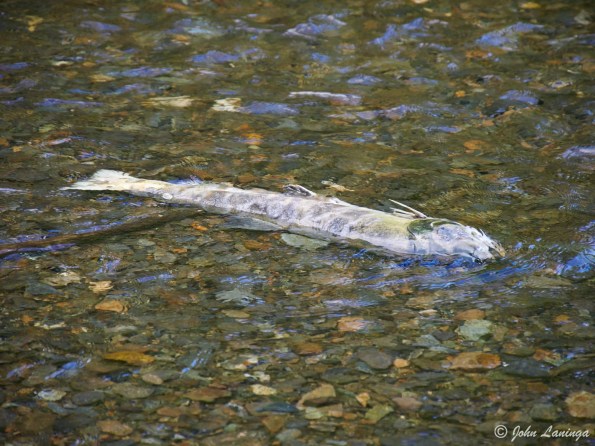
The fate of the salmon after spawning
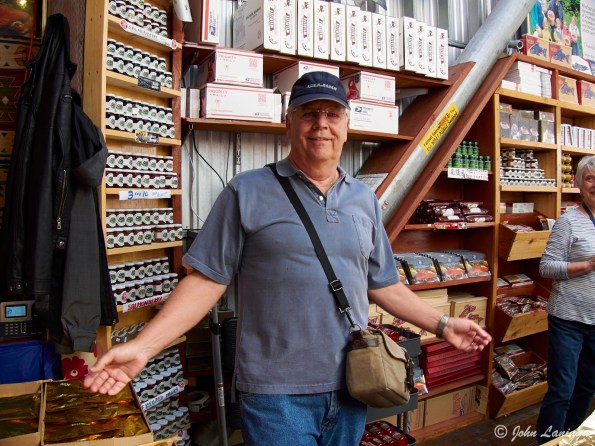
Just had to buy some salmon
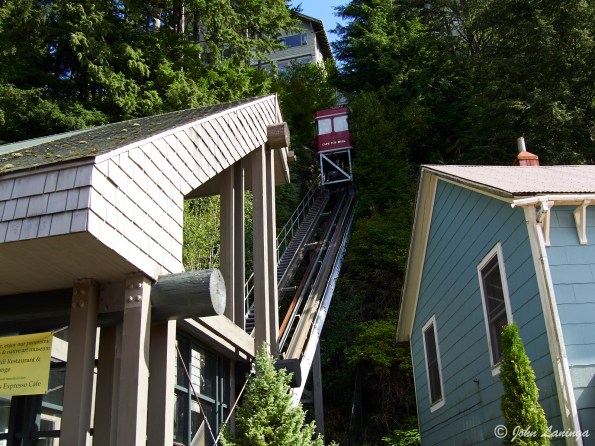
Steep hills around the city
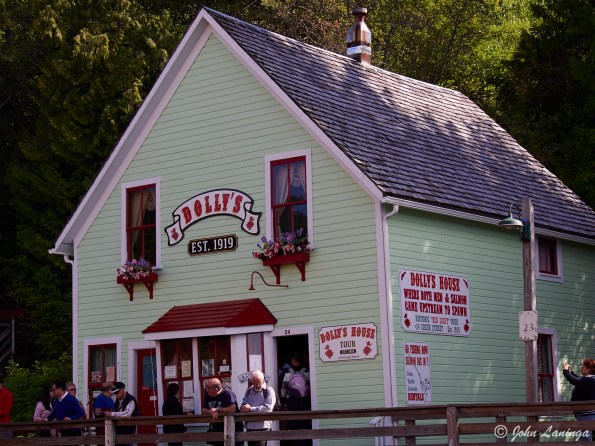
Before TV, entertainment had a distinctly manly theme
Last canon firing
One of my more interesting duties as Fort Vancouver volunteer is demo’ing black powder. Last weekend, we did rifle and canon firing. My duties were firing the canon. Pictures below.
The canon is an 1841 Mountain Howitzer, very popular in the day as it was effective, light, and transportable. It could be broken down and carried on two horses or mules. It was optimized for firing explosive shells as well as spherical case and canister. Its range was about 1,000 yards. It was popular in the Civil War, especially in the west because it did not require roads to transport.
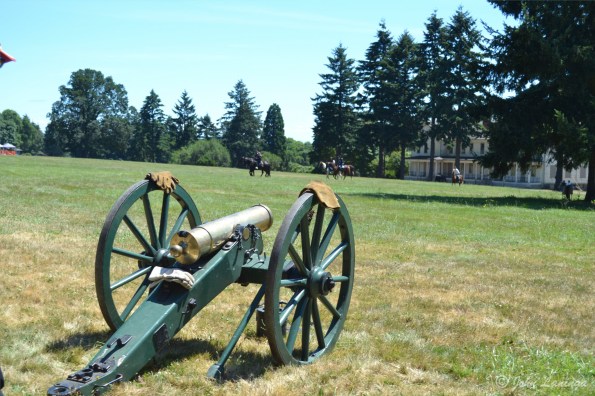
The 1841 Mountain Howitzer
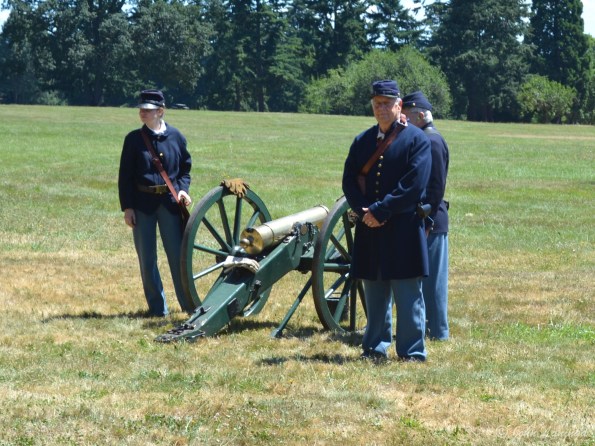
Ready for action

Cleaning the barrel
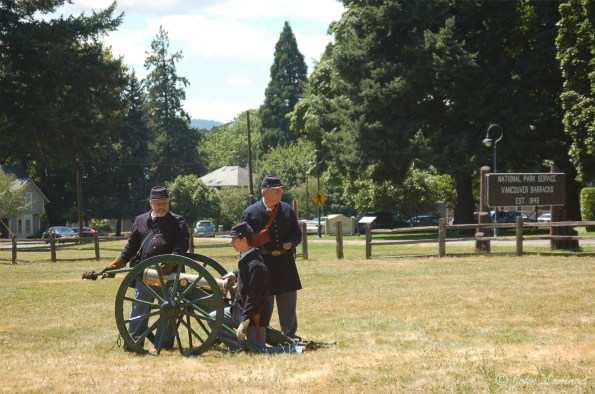
Waiting for the charge to be delivered
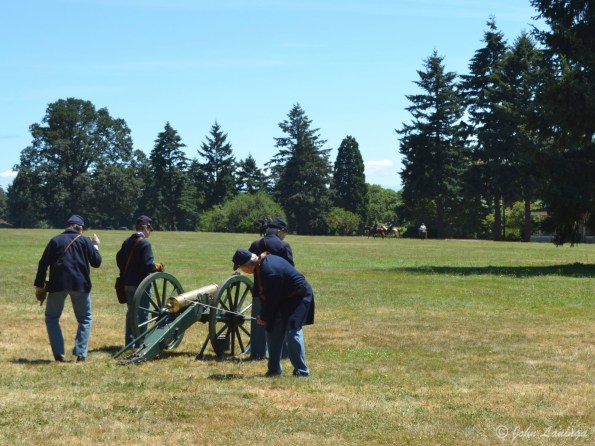
Ready for the Fire command
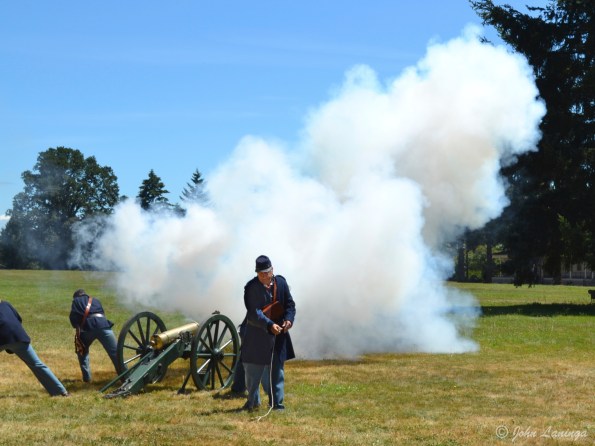
FIRE!
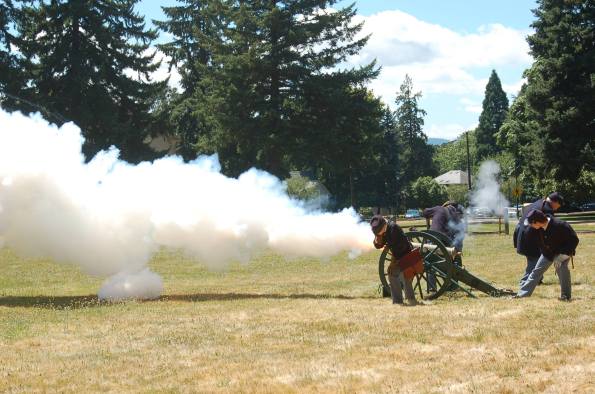
And from the other side….
 Laninga's Travel Blog