Archive
Bruges, Belgium
Bruges was a portal to The Amber Road, a trade route to the East that began in 1600 BC. Traces of human activity in Bruges date from the Pre-Roman era. The earliest fortifications were built in the first century BC, to protect the coastal area against pirates. The Franks took over the whole region around the 4th century. Viking incursions of the ninth century prompted the reinforcements in the walls and buildings.
Bruges had a strategic location at the crossroads of the northern and southern trade routes. It fostered a wool and cloth trade, growing into one of the largest trader cengters in the world. This opened a trade in spices, and also advanced commercial and financial techniques. A flood of capital soon took over the banking of Bruges. It became a major art center, attracting painters, novelists, and prominent people to settle here. But this prosperity would not last..
The silting of the local rivers and channels eventually closed the waterways, and trade dropped. The city suffered, and population declined. But In the last half of the 19th century, Bruges became one of the world’s first tourist destinations attracting wealthy British and French tourists. Now tourism is the major source of income for the city.
Bruges is known for chocolate, beer and lace. But it also has a great art history, and has the original “Madonna and Child” by Michelangelo on display in the Our Lady church. A spectacular place to visit!
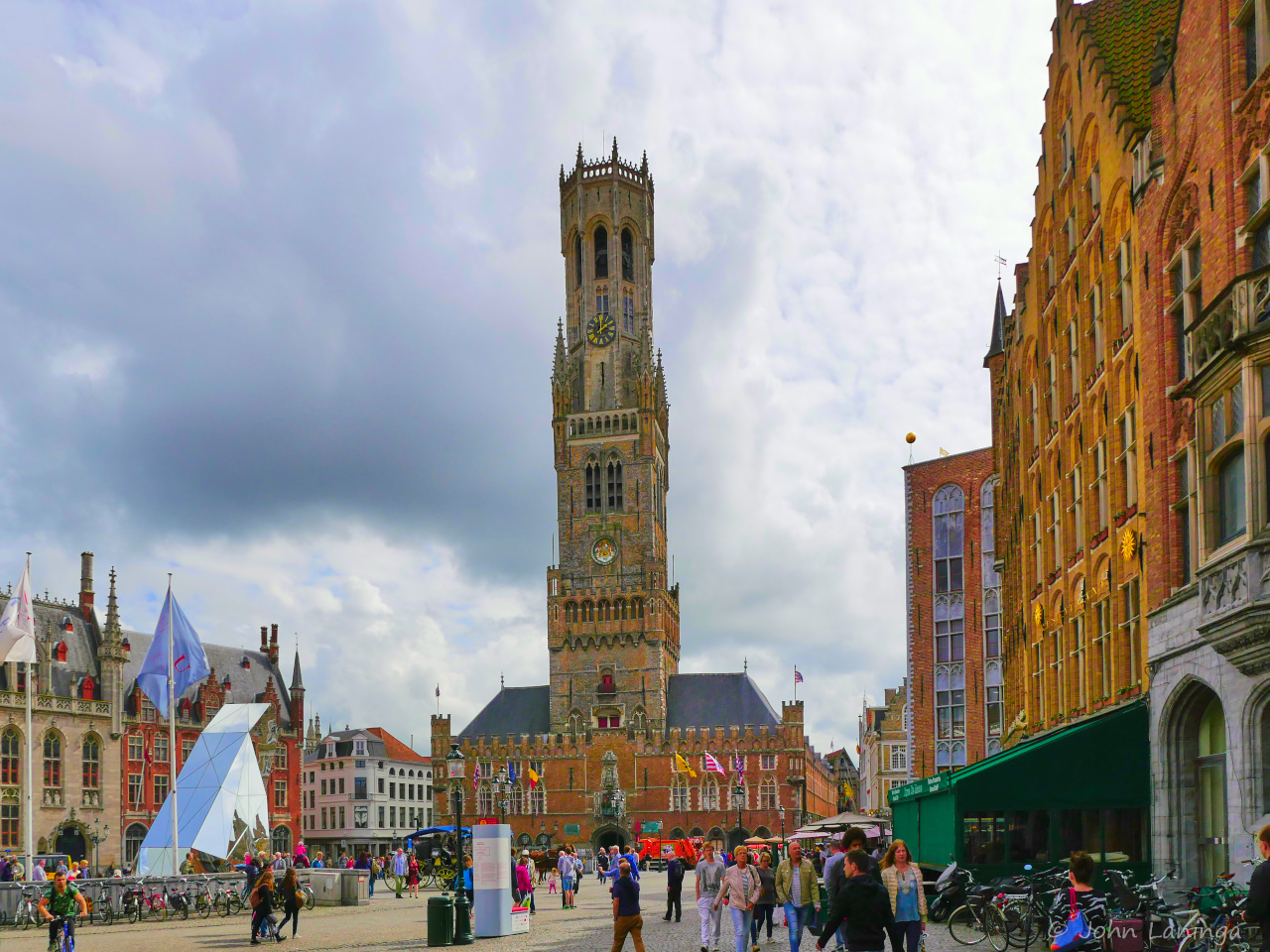
The Belfry on the Grote Markt in Bruges
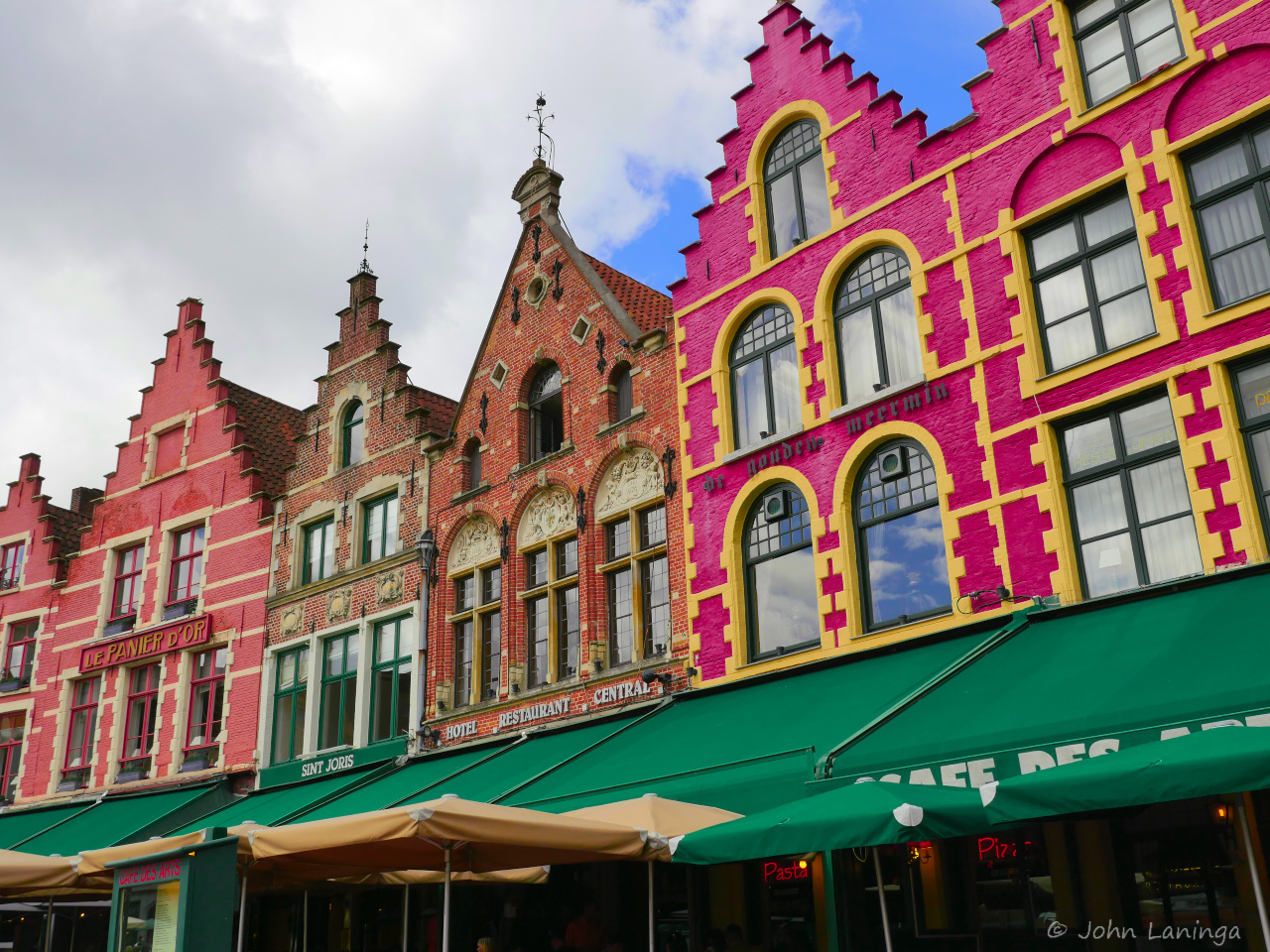
Colorful buildings on the Grote Markt

An almost gone skill, hand making making lace
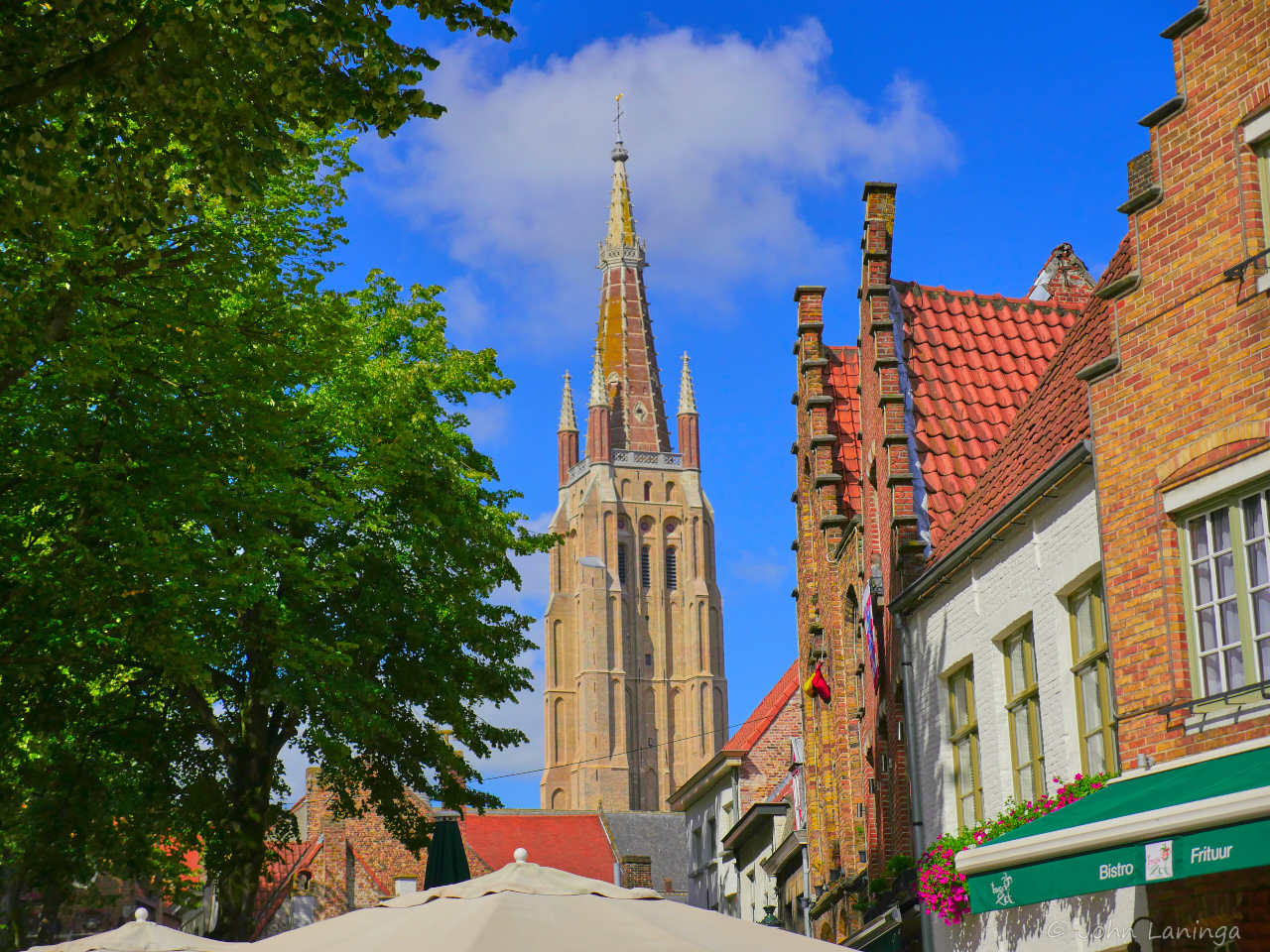
Tower of the Our Lady church
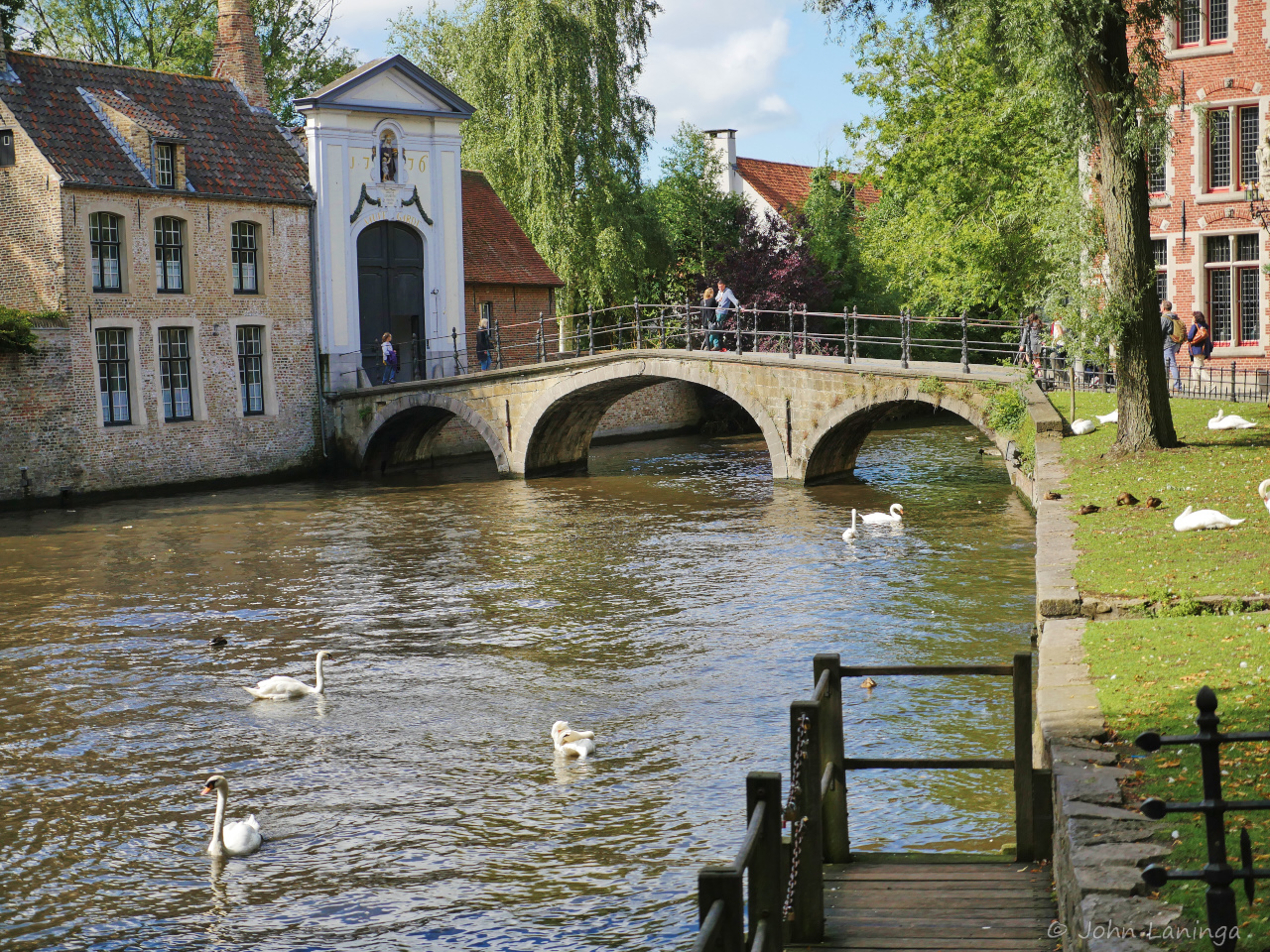
A bridge over the canal, and swans on the canal
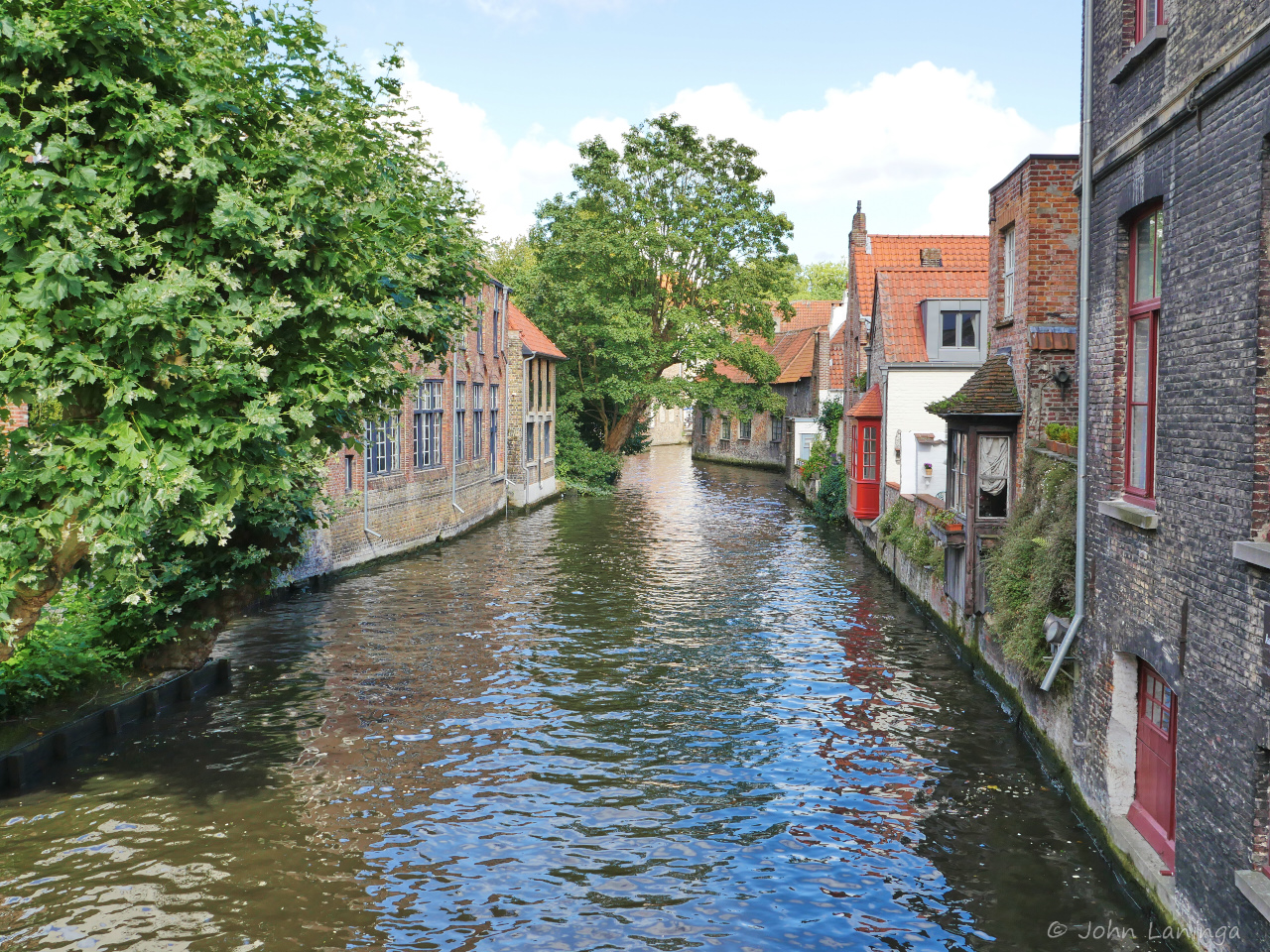
Canal view
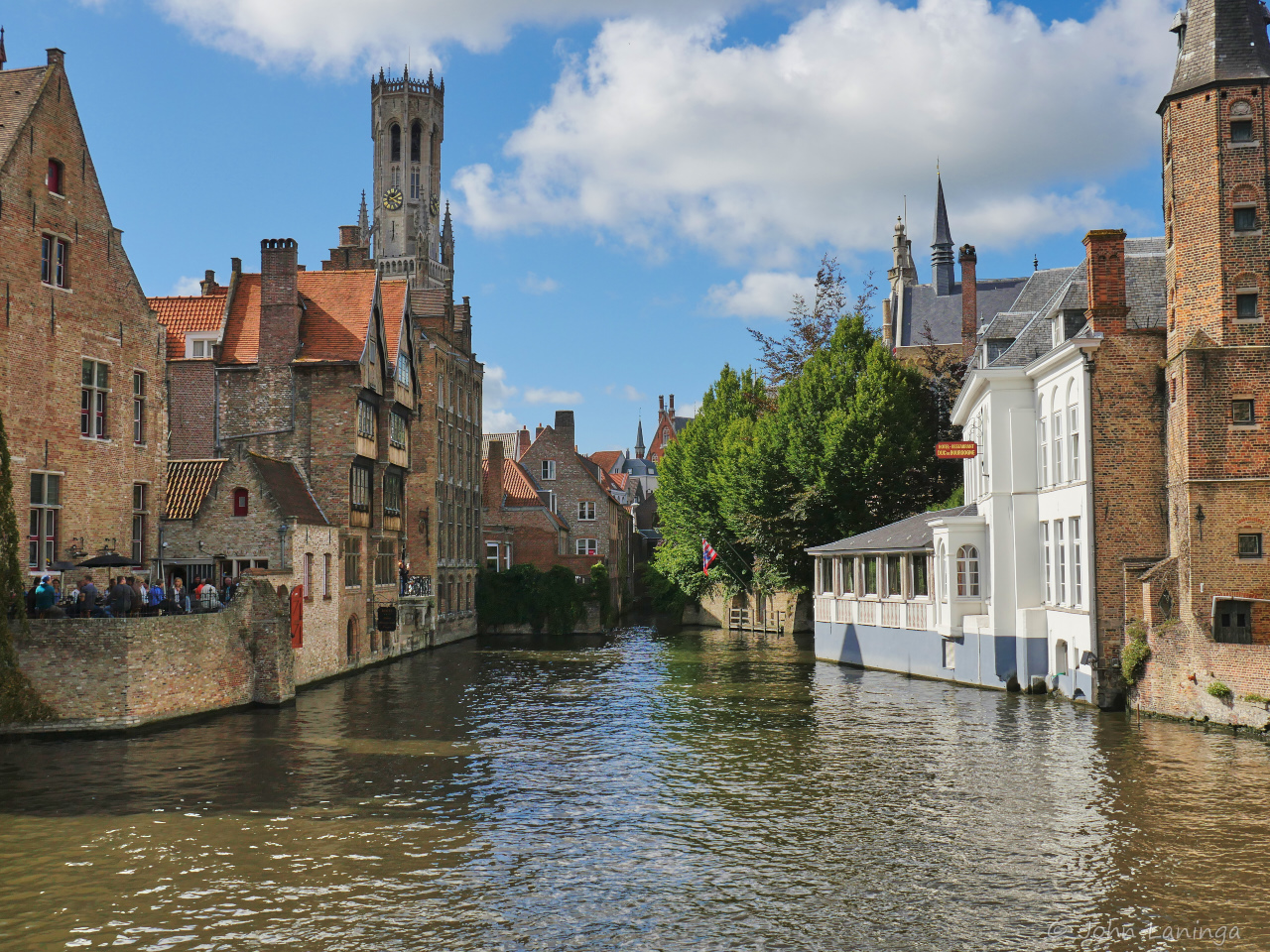
Another view of the Belfry, viewed across one of the canals

The street our hotel is on
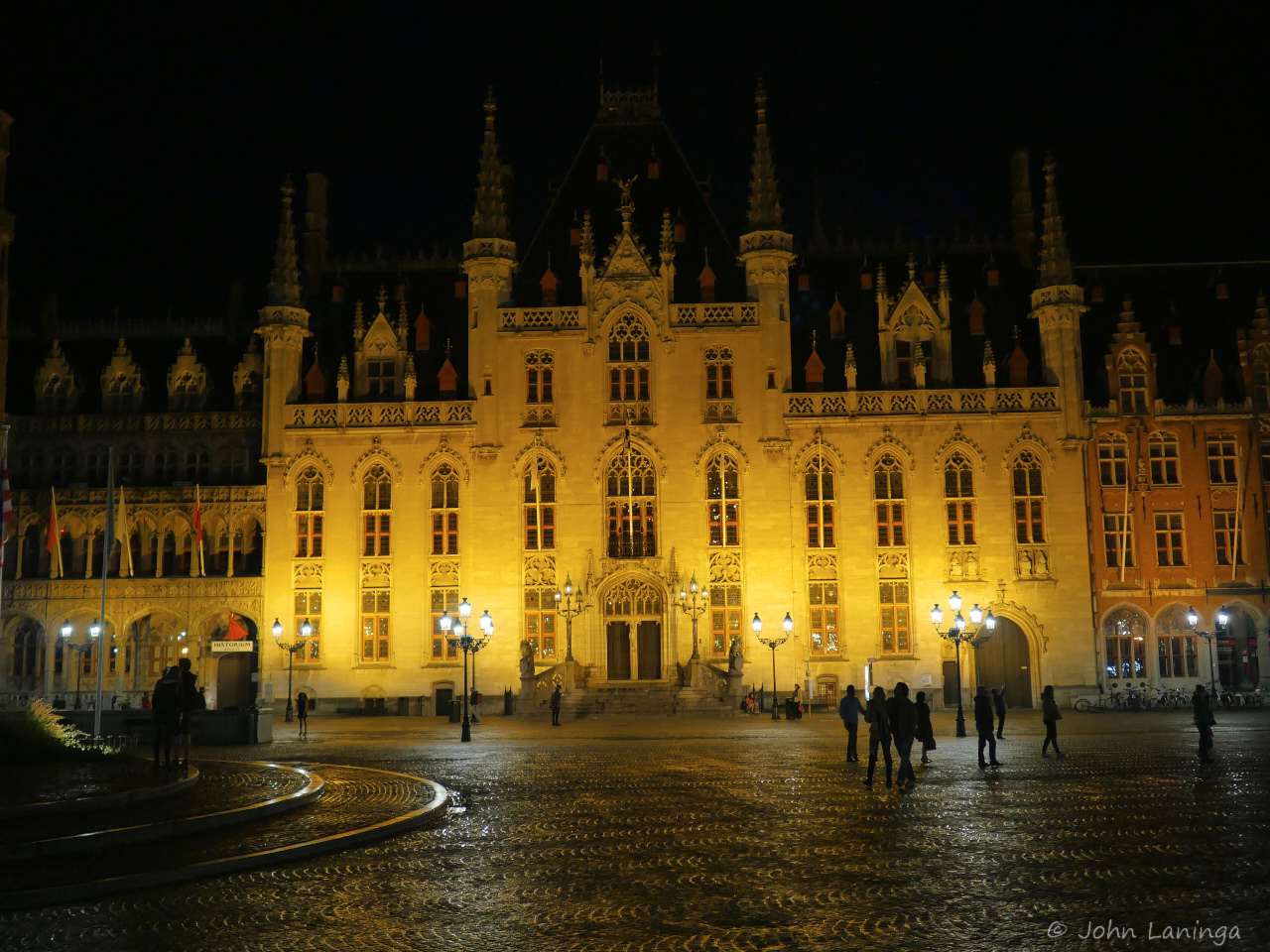
Impressive even at night
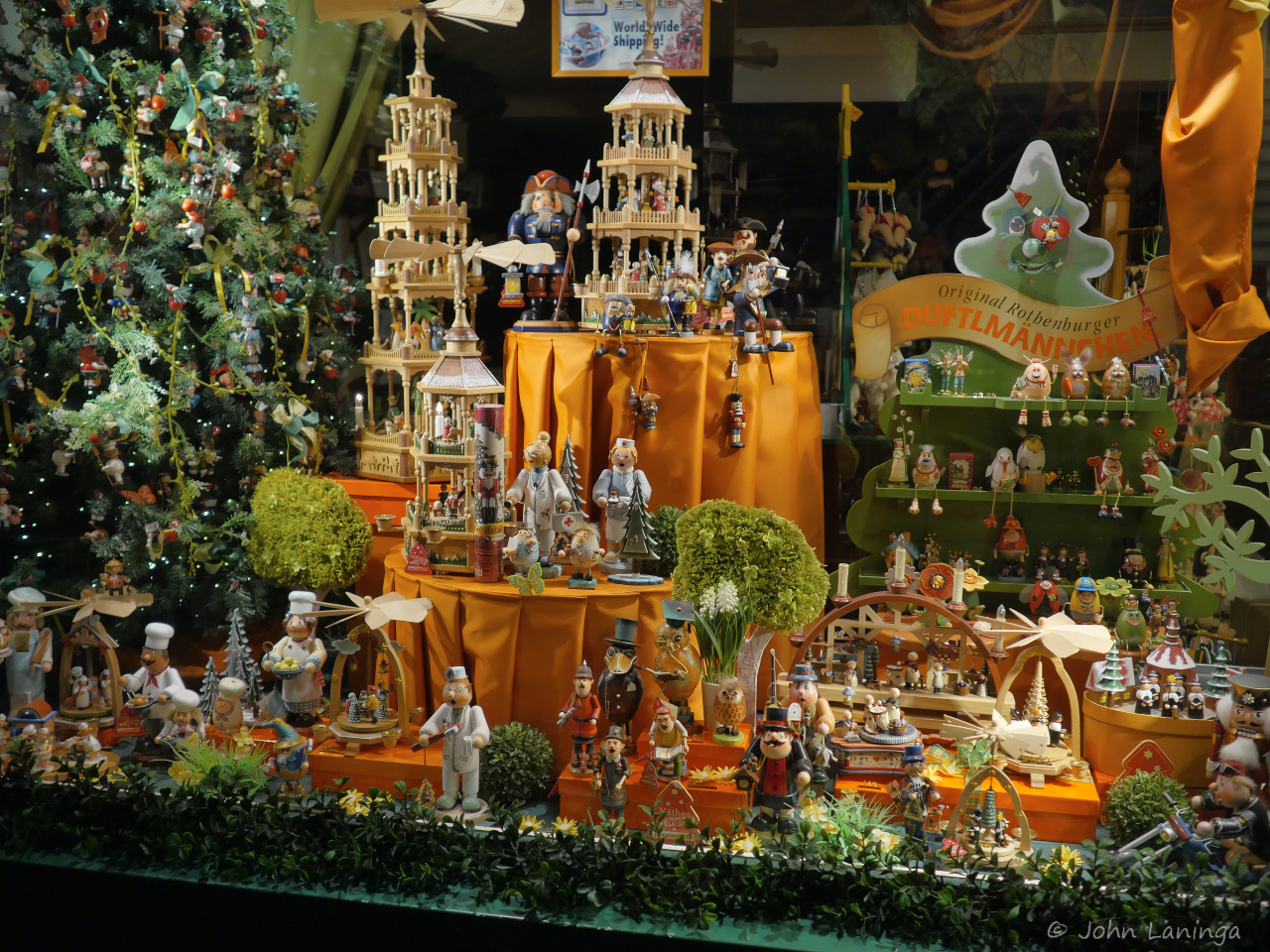
Window shopping
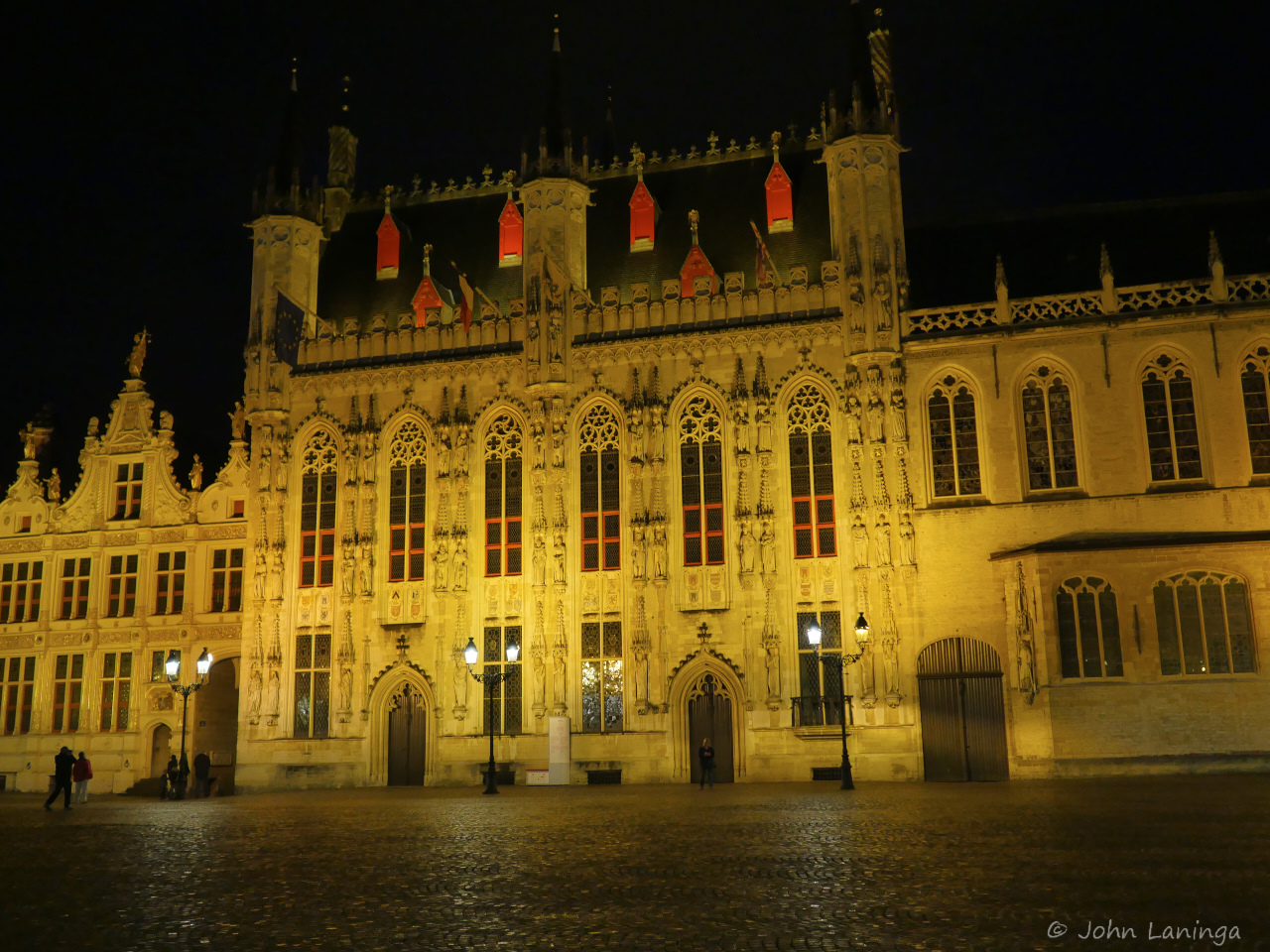
Government building at night
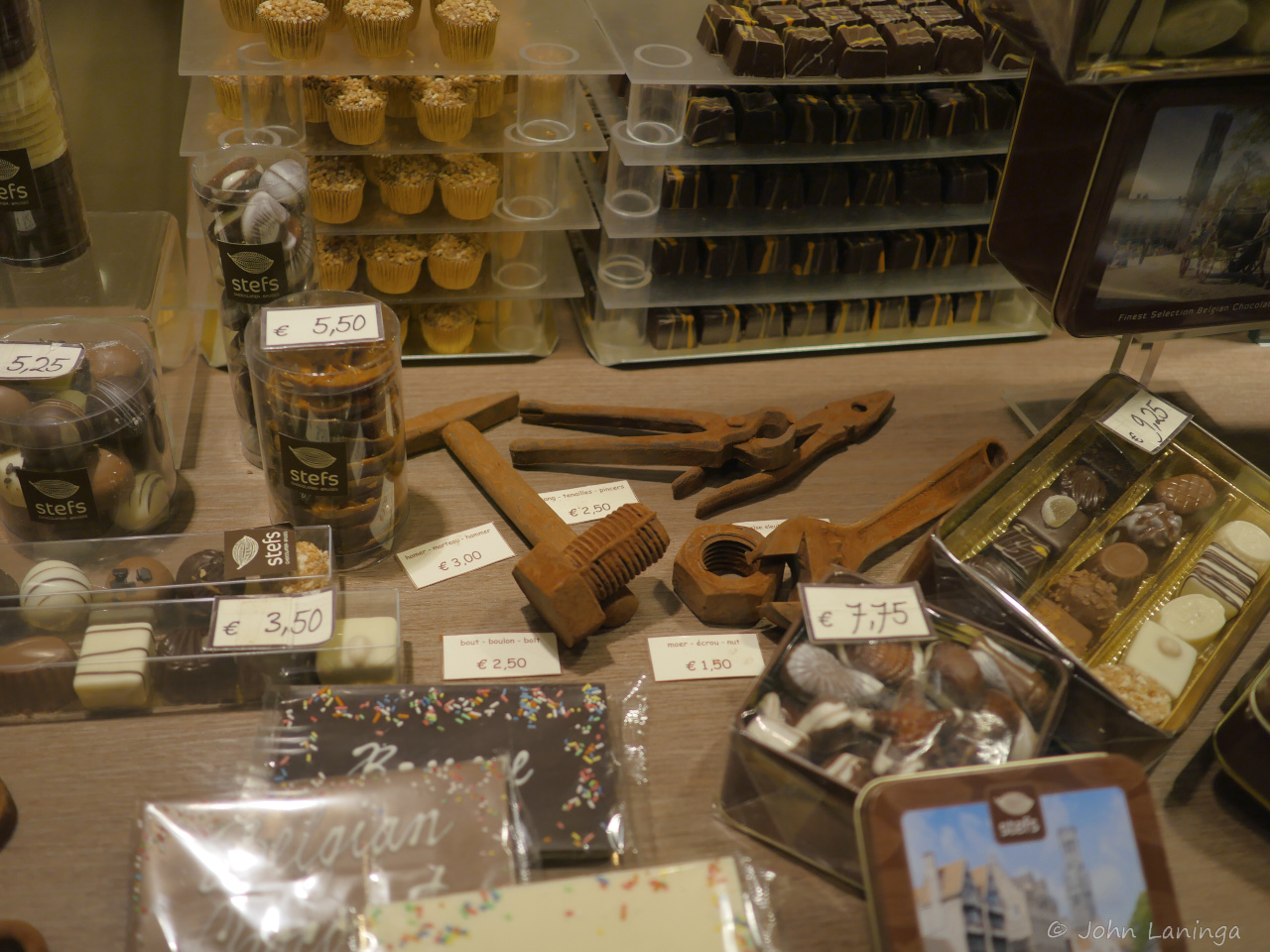
Yum! Chocolate! Check out the chocolate tools
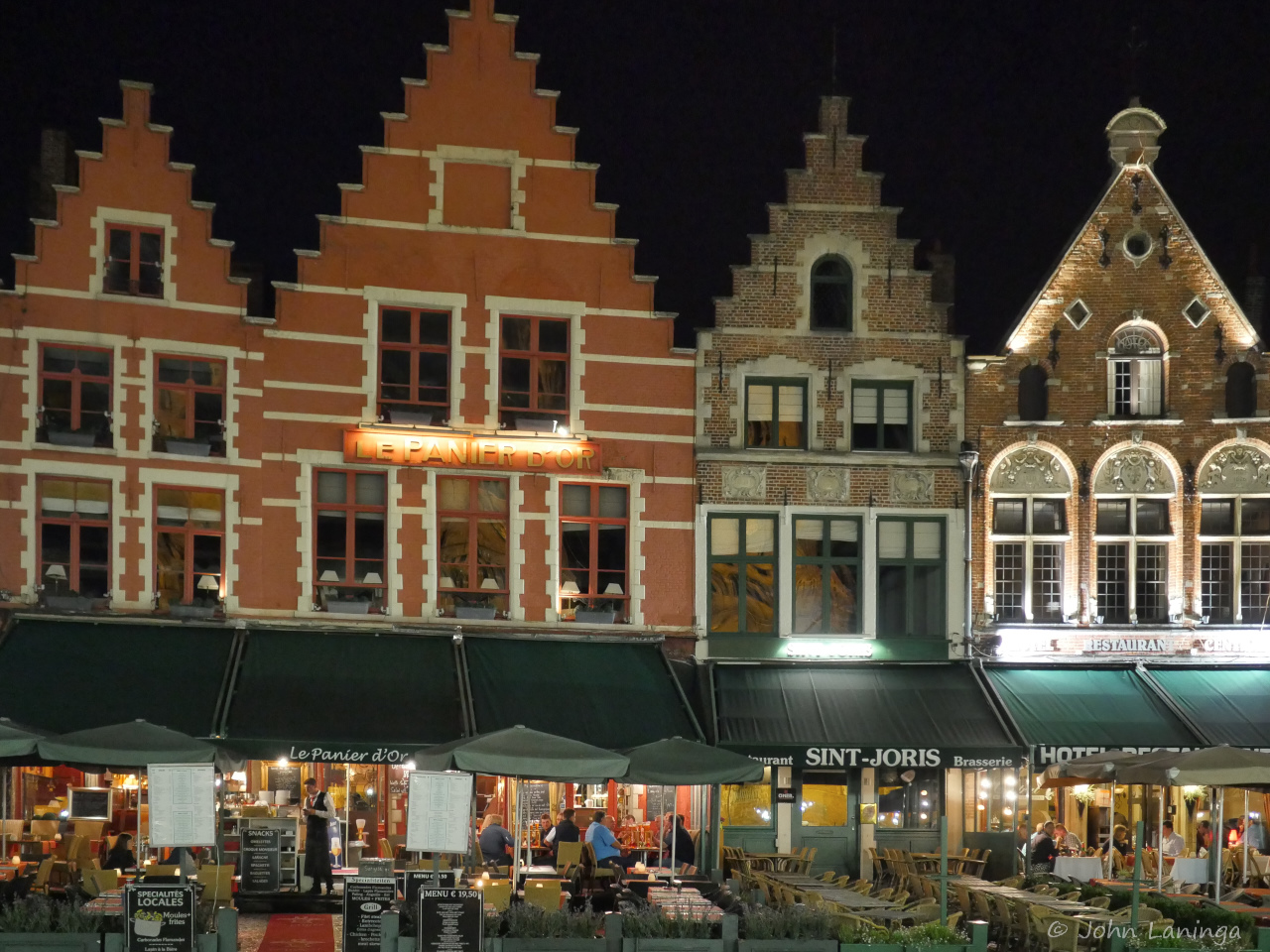
Grote Markt buildings at night
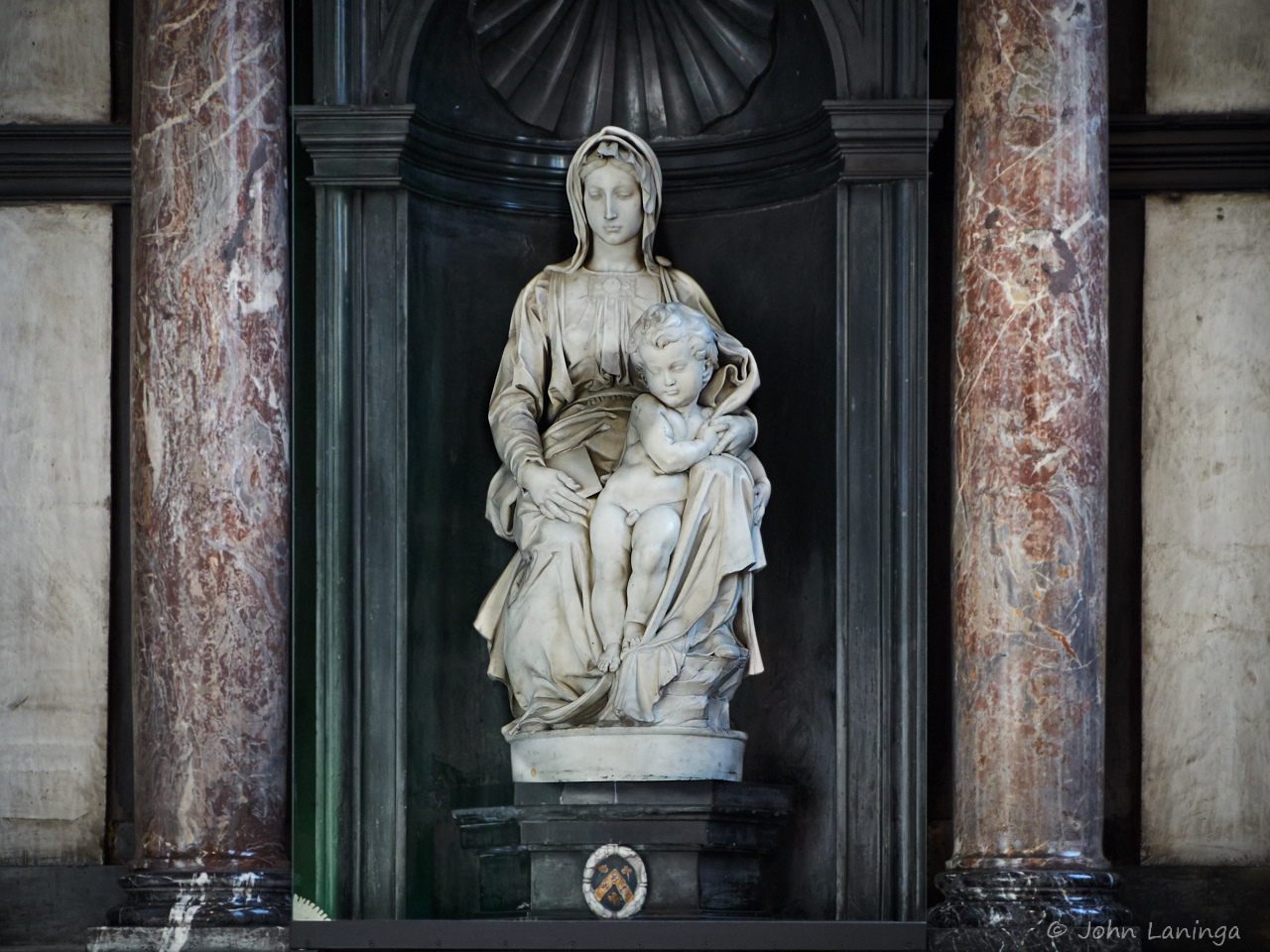
Madonna and Child, by Michelangelo
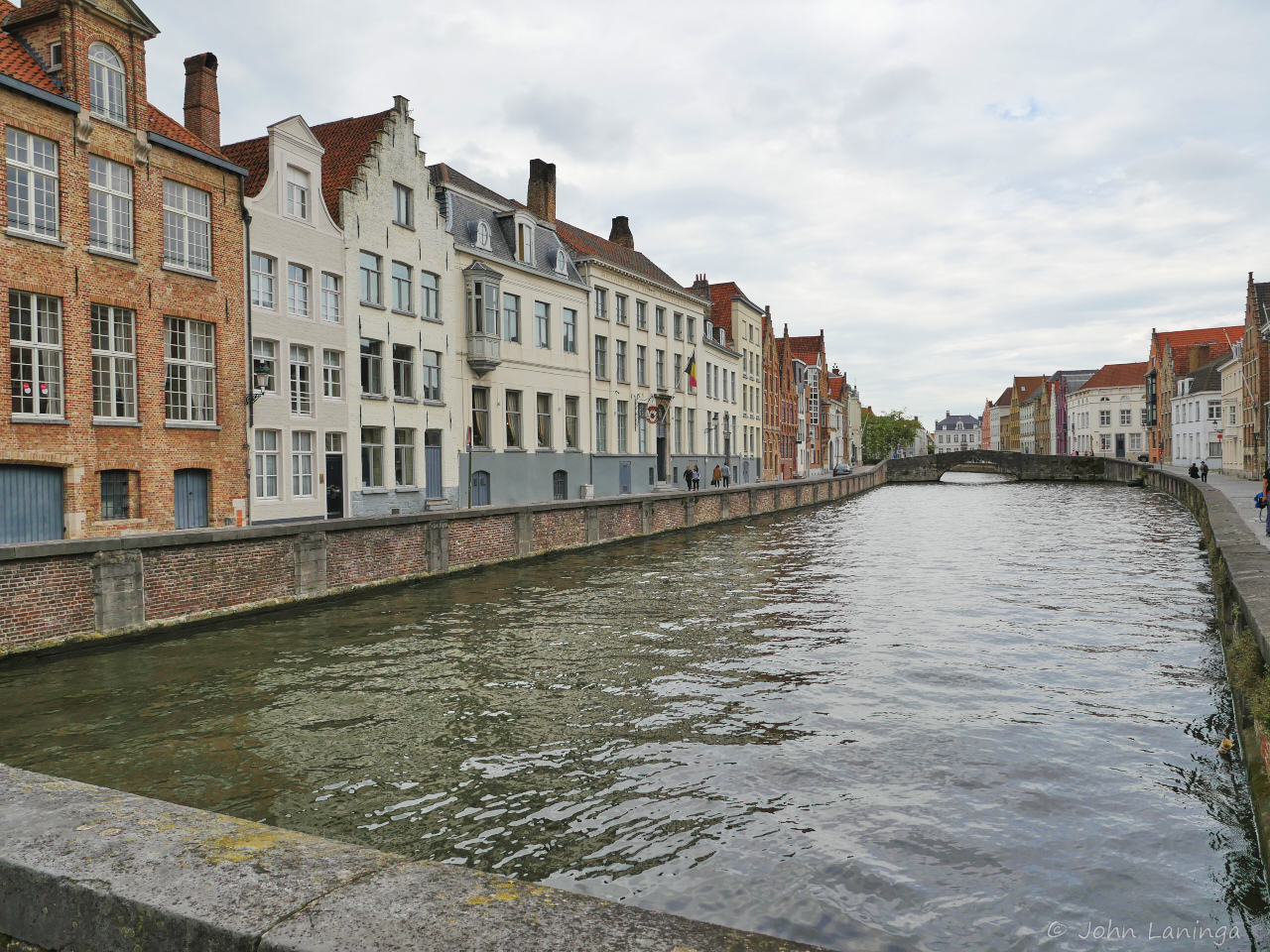
City view, on one of the main canals
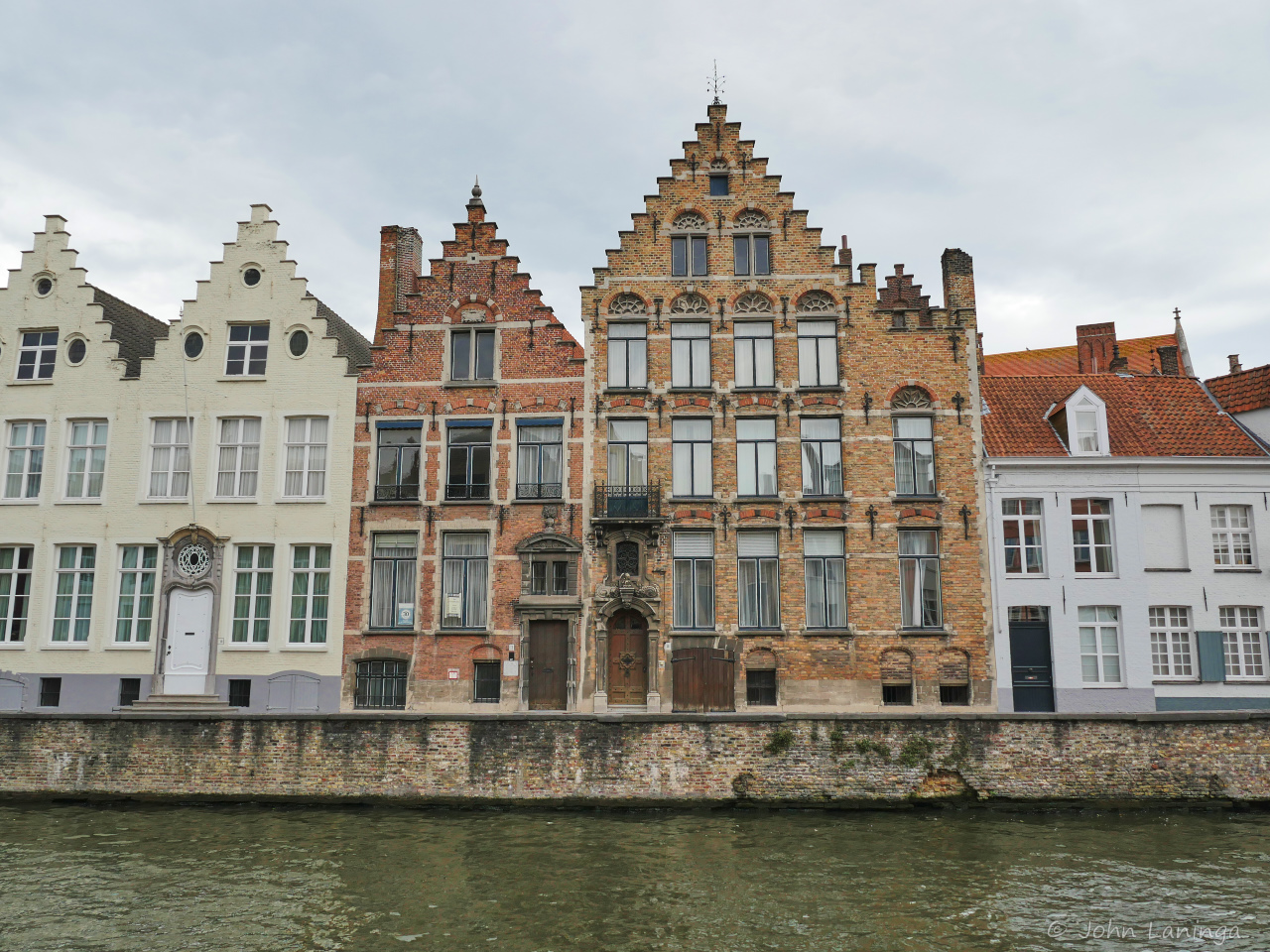
Local architecture, on the canal
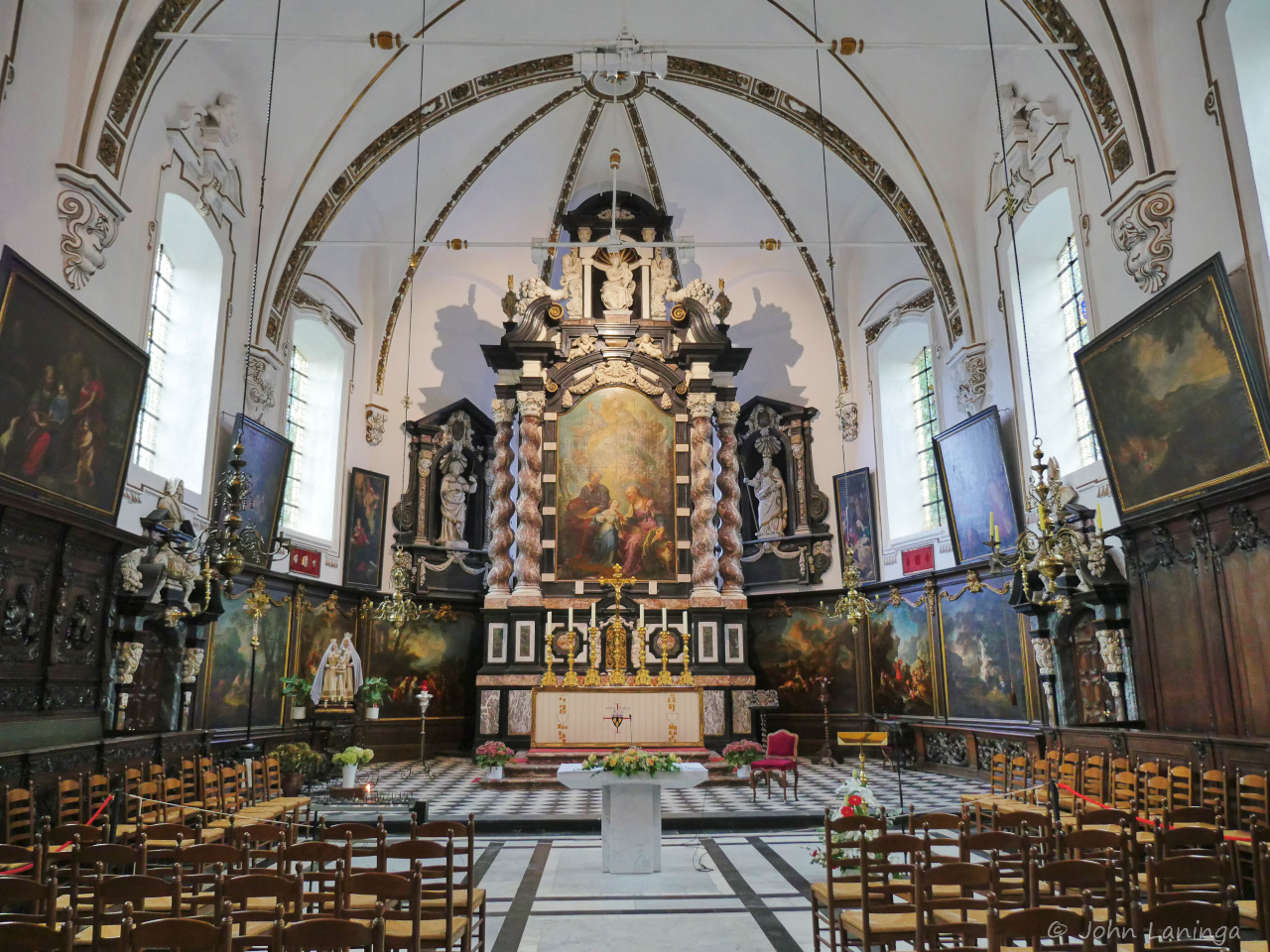
Inside a local church

Harp concert, and it was spectacular!
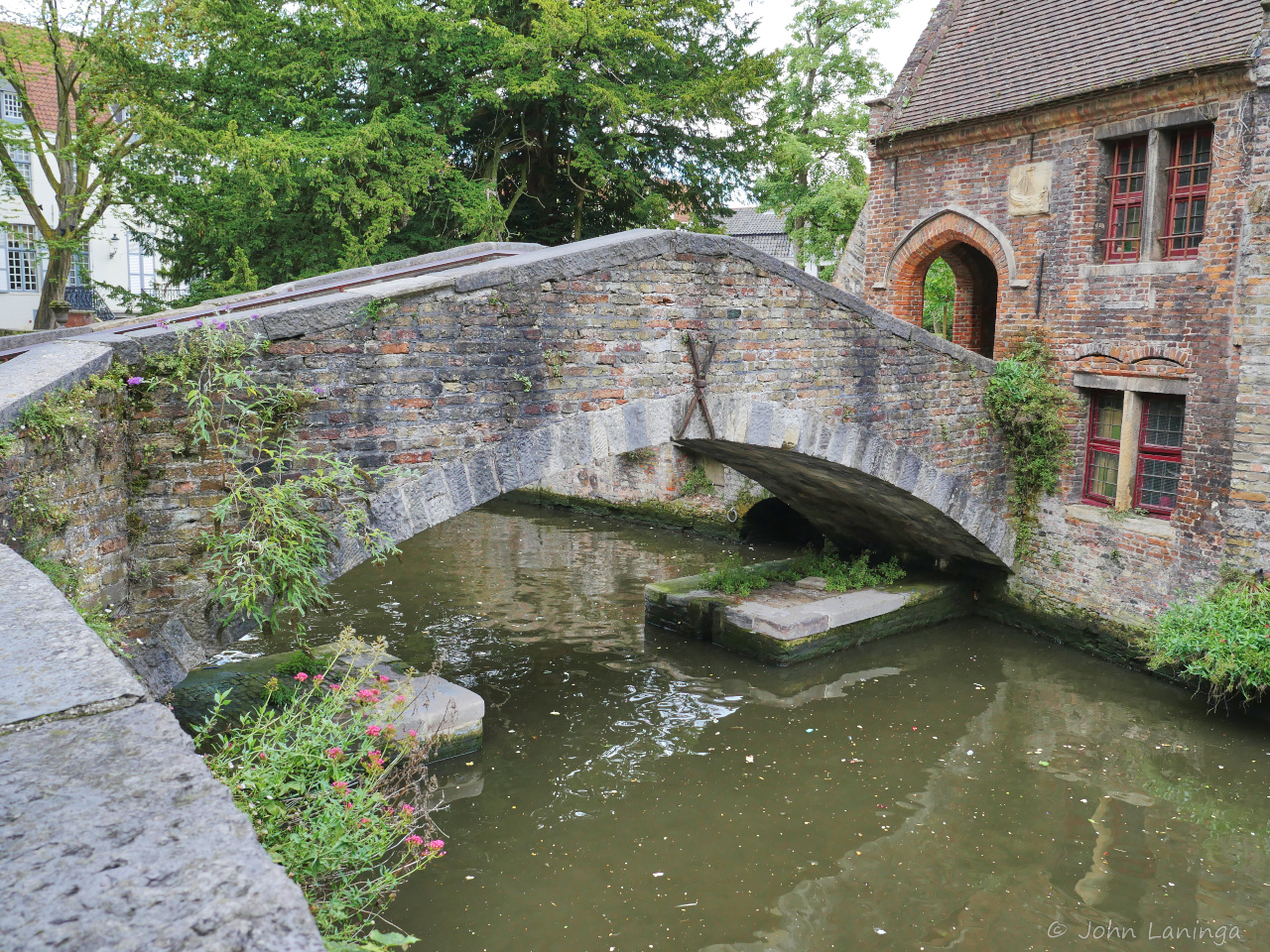
The smallest bridge in Bruges
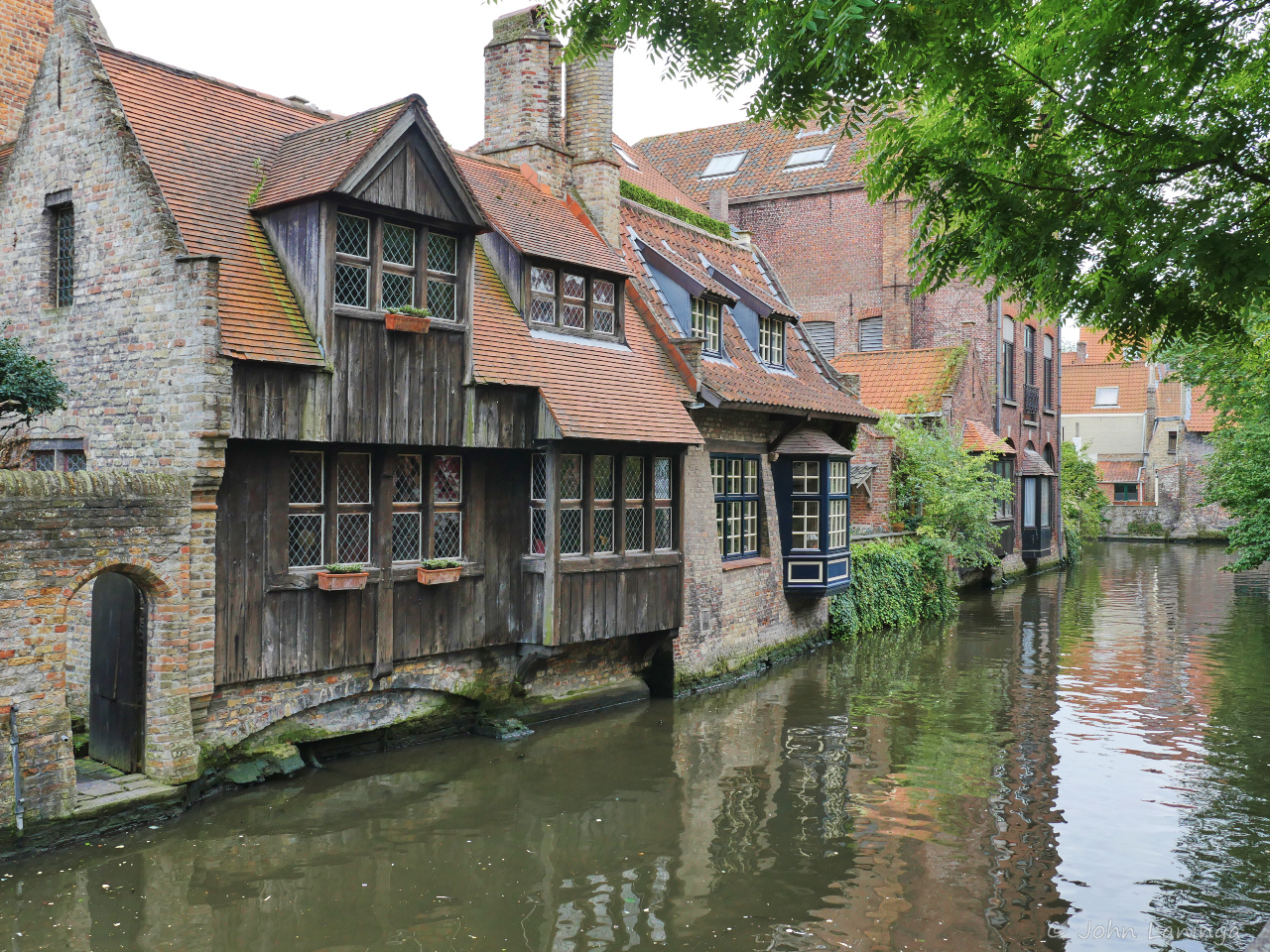
Old house on the canal
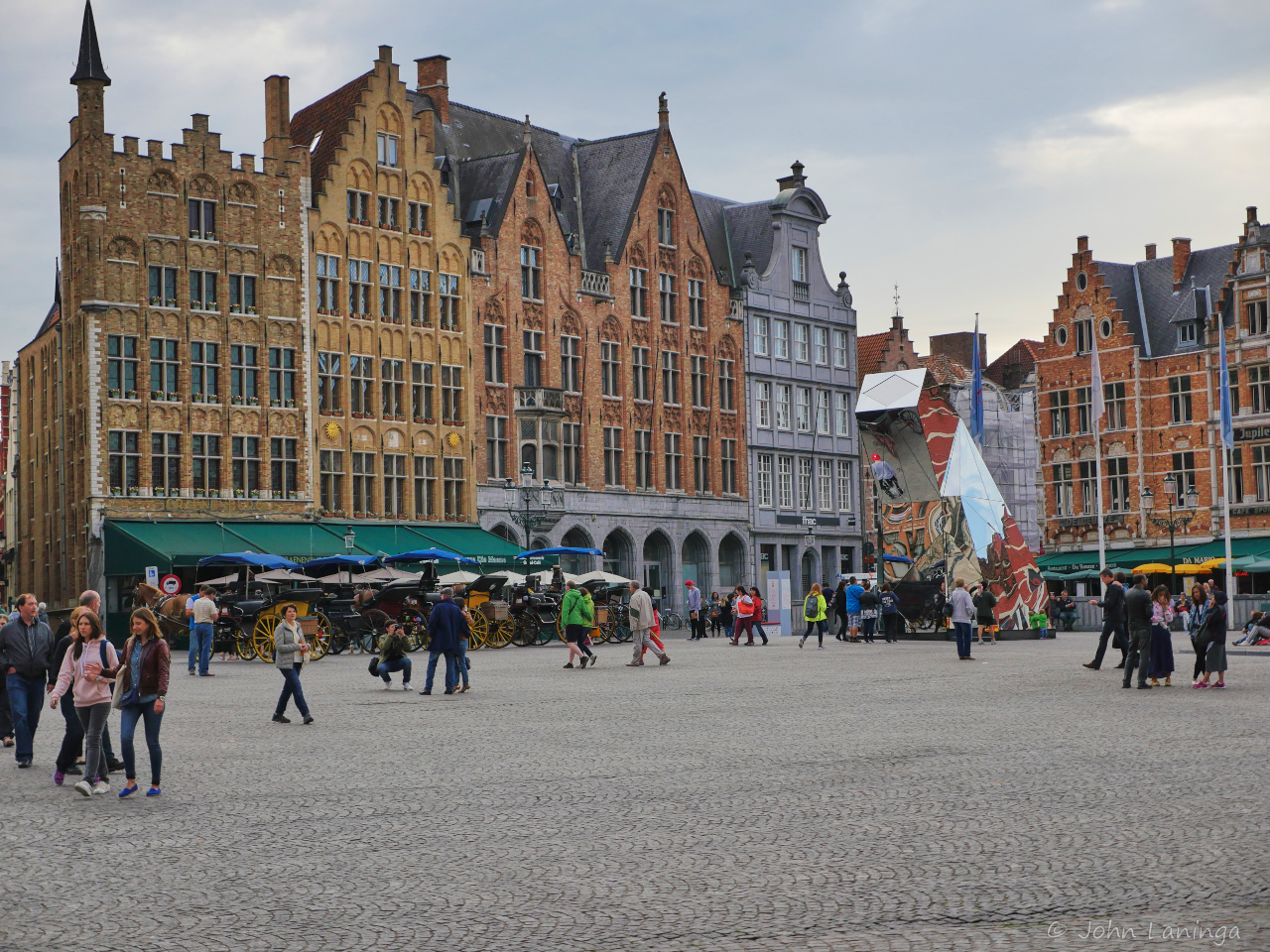
Evening view around the Grote Markt
The Vatican
No question, the Roman Catholic Church is the wealthiest entity on earth. A one day visit to the Vatican only scrapes the surface, but the amount of property, buildings, artwork and antiquities boggles the mind. And the items on display only represent a small fraction of all the items in storage.
If you plan to visit, leave lots of time. And be prepared to share the sights with others…. the Vatican is a huge tourist attraction. But if you have the chance to spend a day do so… the visual impact is worth it.
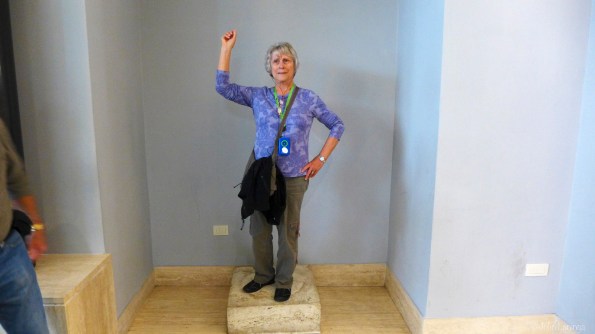
This beautiful statue caught my eye
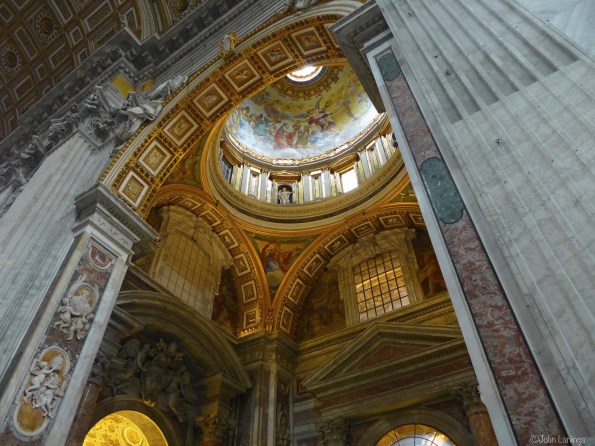
Looking up in the Church
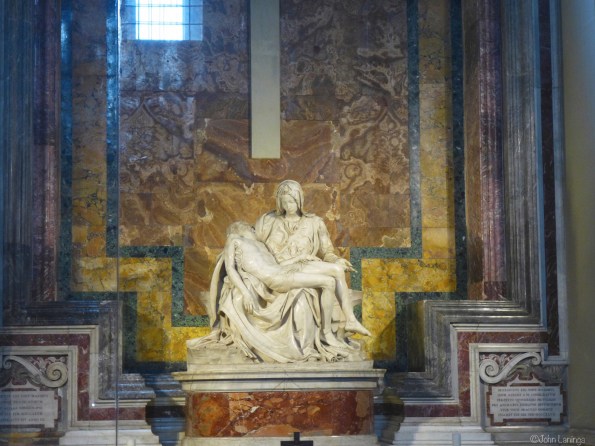
Michelangelo’s first statue
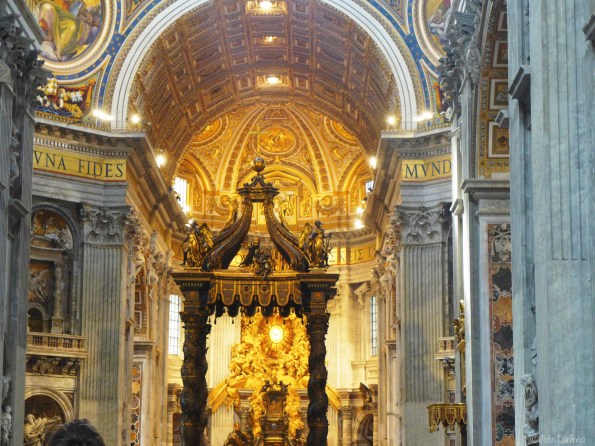
The Altar in St Peters church
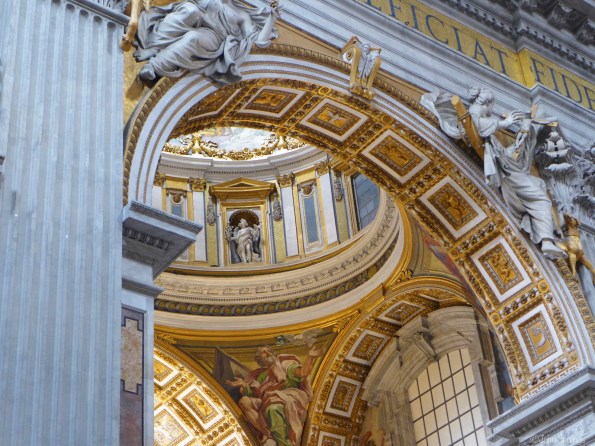
Artwork everywhere
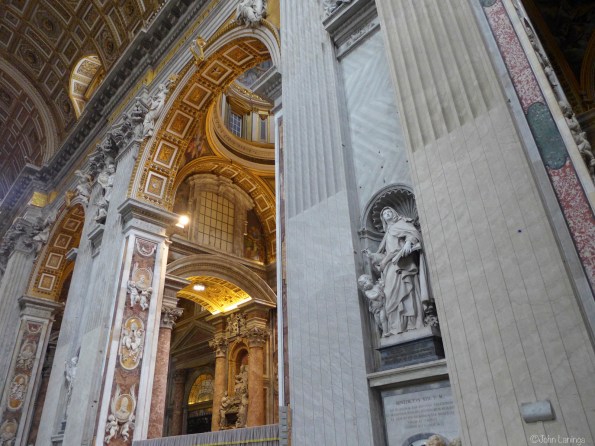
Always look up
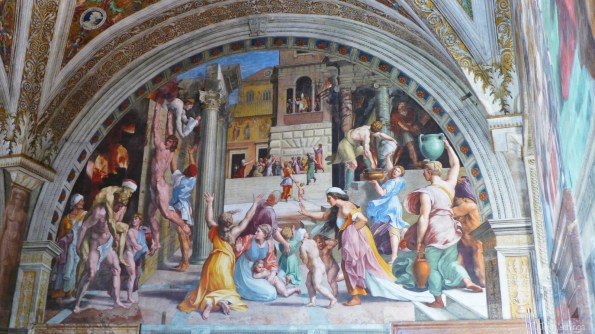
Wall paintings
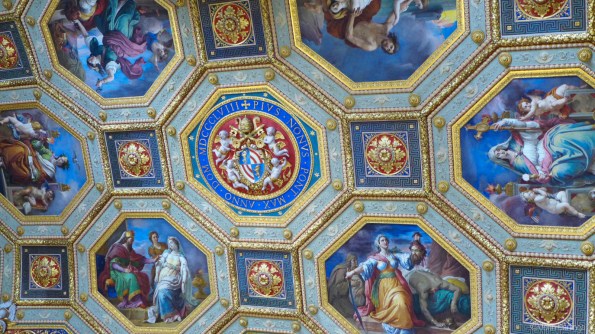
Beautiful ceiling artwork
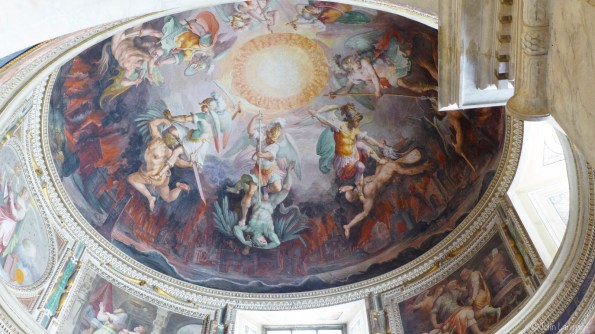
More Michelangelo work
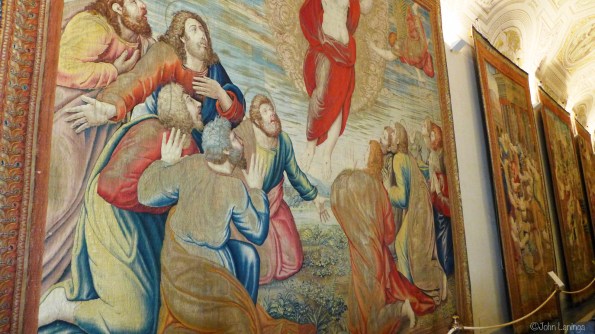
Fabric wall coverings
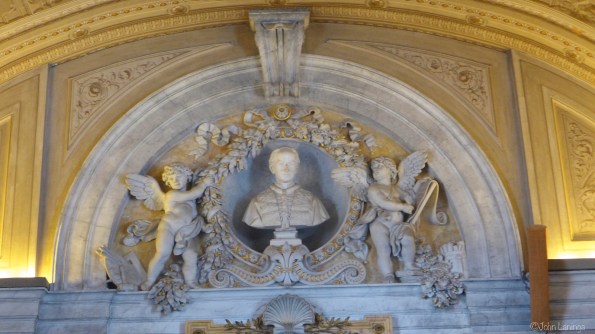
Even the ceilings have statues
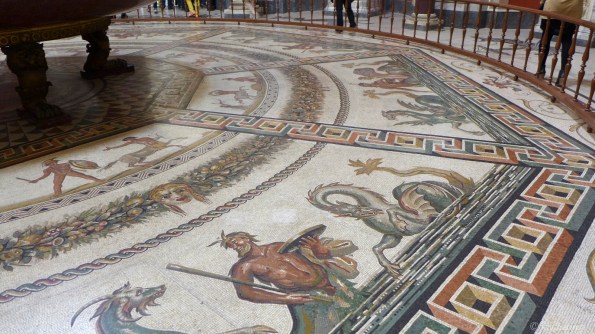
The floor is magnificent as well

This one piece of marble was a bath
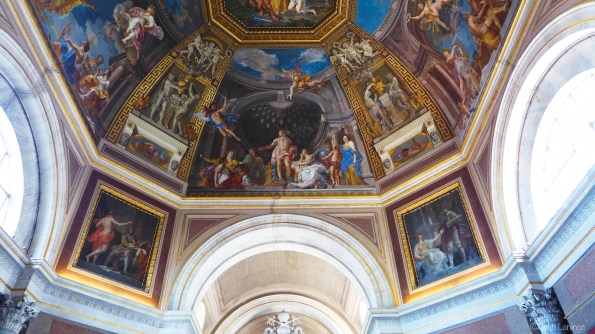
Continued ceiling work

Statues everywhere
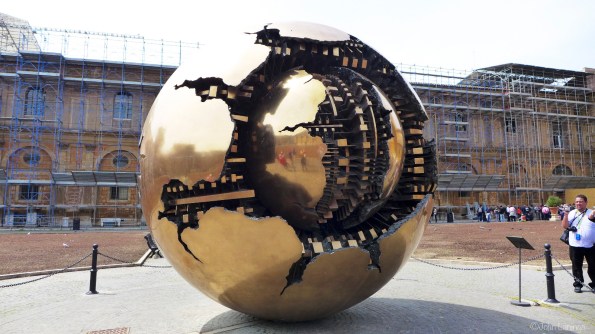
An artists depiction of the RC Church covering the world
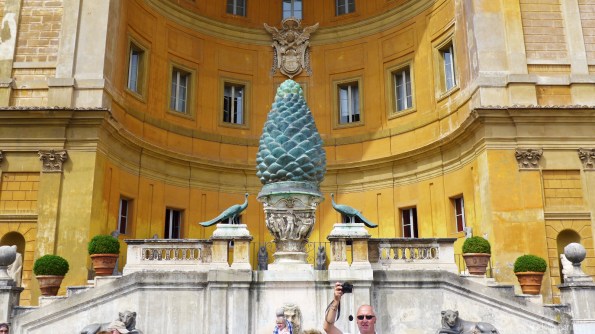
The Rion (or pinecone) represents the Vatican region of Rome
 Laninga's Travel Blog