Cruise, Cartagena Columbia
Although people have lived in this area for 4,000 year, it wasn’t until the mid 1500’s before the city as we know it was founded. Originally an important port for Spanish trade, it has withstood numerous attacks by foreign governments and pirates. A large part of this has been the construction of a major defensive wall, most of it still exists today.
The old city has a wall of some 9 miles long, and entrance is through the clock tower. Inside, you will find narrow roads, but colorful buildings, many with balconies with flowers and decorations. There are parks and museums, but it is hot here…. the average high temperature is 90F all year round!
Once outside the old city, it is a large and modern place. High rise apartments and office complexes as far as the eye can see. Truly a city with both the old and the new.
Below are some pictures; for a full album click on the Flickr link (below right) and click on Albums.

Clock tower and entrance to the old city


Colorful buildings

Showing off the local dress

Many works of golden art

The Inquisition Building, scene of awful tortures

Cartegena stree

Decorative door knocker

Colorful buildings

On top of the wall

A defensive outpost

Canons on the walls

Shopping in the shade

Colorful parrot
Cruise, Gatun Lake
In order to make the Panama Canal work, they had to flood a large valley. This lake is now called Gatun Lake, and houses a wide variety of wildlife. Much of this was viewed from a small boat. In addition to the usual birds, we even saw (and heard) a Howler Monkey. They are loud!
On the way to the lake, the bus made a quick stop so we could view a rare two toed sloth up in a tree. we watched, it climbed higher… and the branch broke and the surprised sloth was at our feet! An unusual experience.
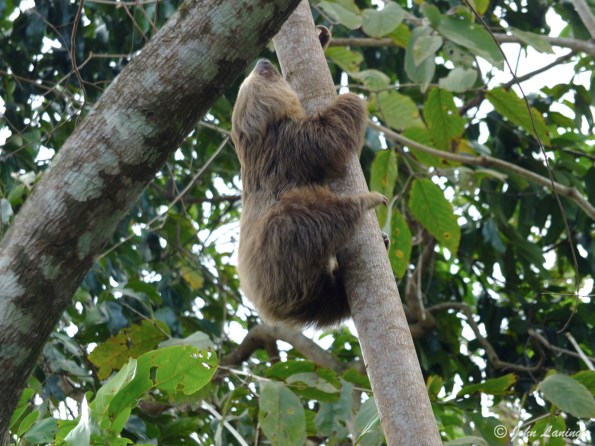
A two toed sloth climbing a tree
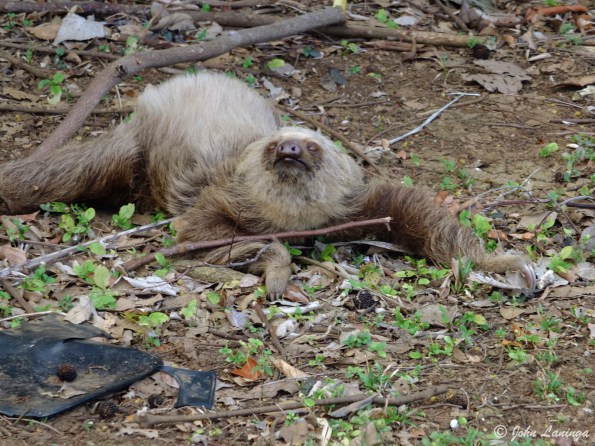
A surprised sloth after his branch broke!
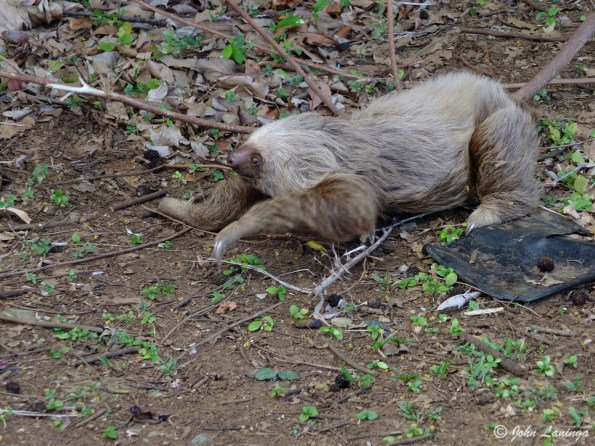
Oh well, go find another tree to climb.
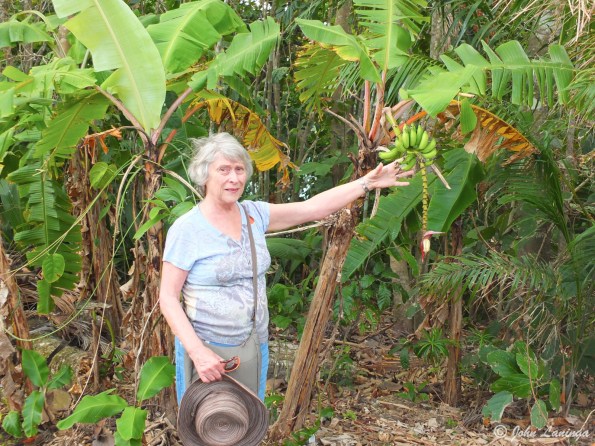
Bananas growing in the wild
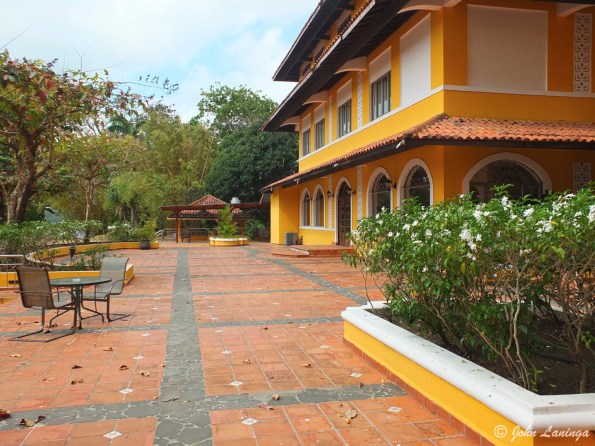
Noriega’s former headquarters, now a hotel
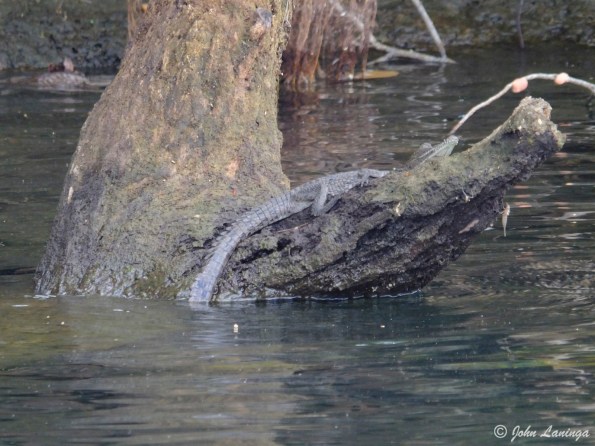
Small crocodile
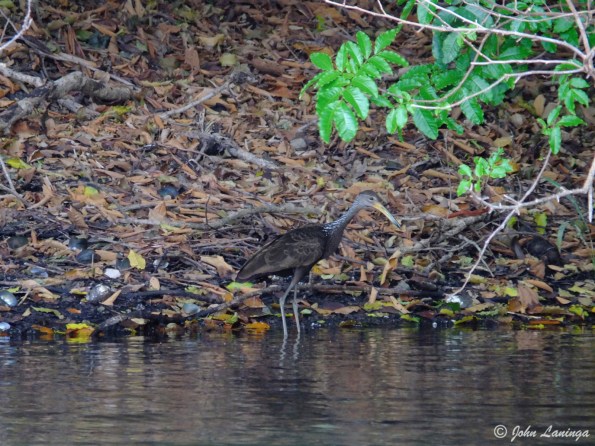
A limpkin, looks like an egret
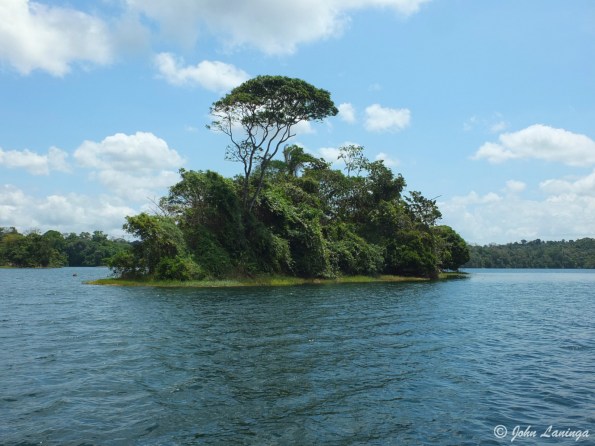
One of the many islands
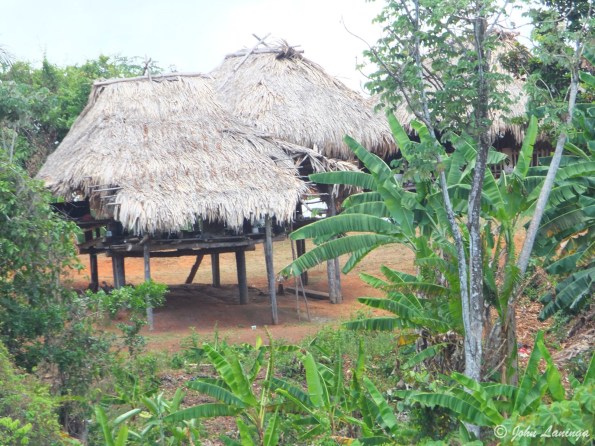
A native indian hut
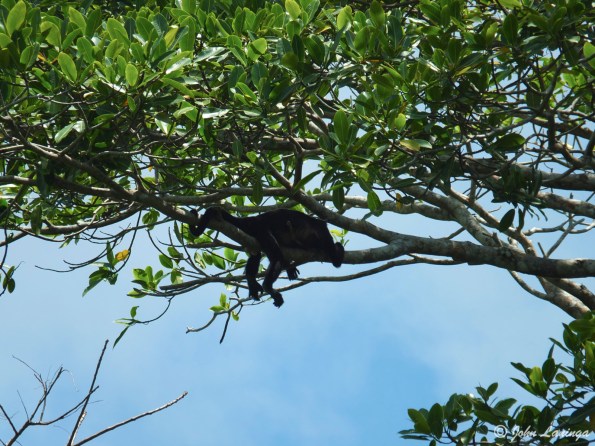
A sleeping howler monkey
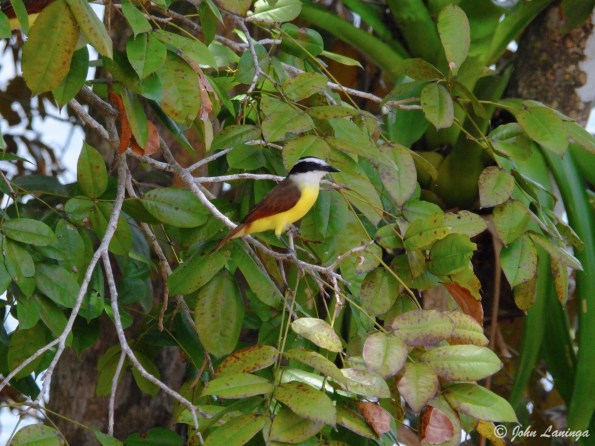
Kiskadee
Cruise, Panama Canal
Certainly the Panama Canal was one of the highlights of our trip. After reading all about it, listening to lectures about it, and seeing the old movies about it, the trip through the canal was fantastic. Just seeing the place that had the huge political history, emphasized by the thousands who lost their life building it was thrilling.
Our ship, the Celebrity Infinity, was a “Panamax” ship, meaning it was as large as was allowed. Our ship, 985 feet long, just fit in the 1,000 foot locks… with 1 1/2 feet per side!
We were lucky enough to see the new locks being built on both the Atlantic and Pacific side. They are huge, each gate weighs over 350 tons! Once these are finished, shipping capacity will be dramatically increased.
It will be interesting to see if, and how, the proposed Nicaragua and Northwest Passage canals could affect the ongoing Panama operations.
As usual, all albums may be found by clicking on the Flickr link (lower right) and then clicking on Albums.
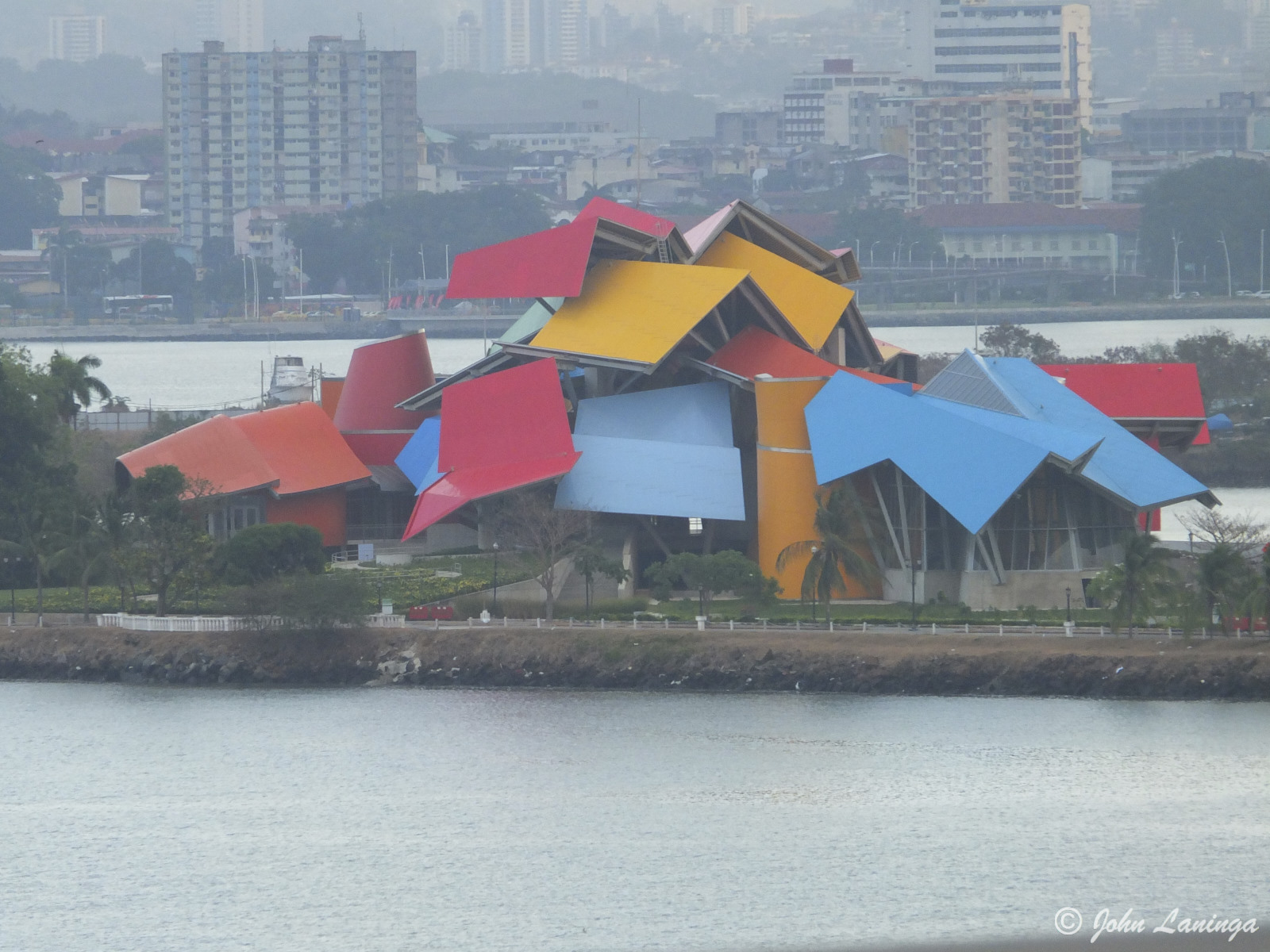
The museum at the Pacific side of the Canal
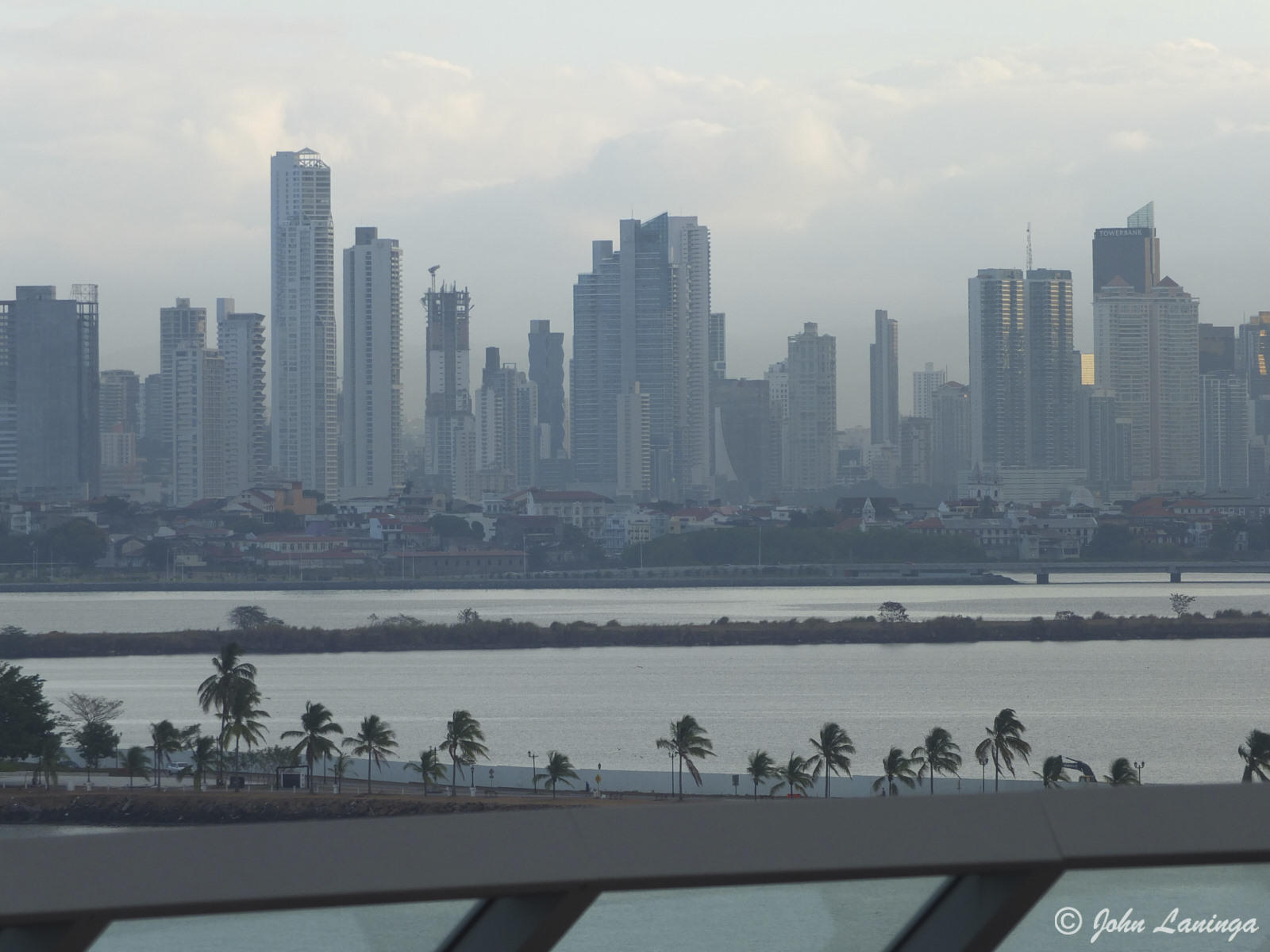
Panama City is a major city
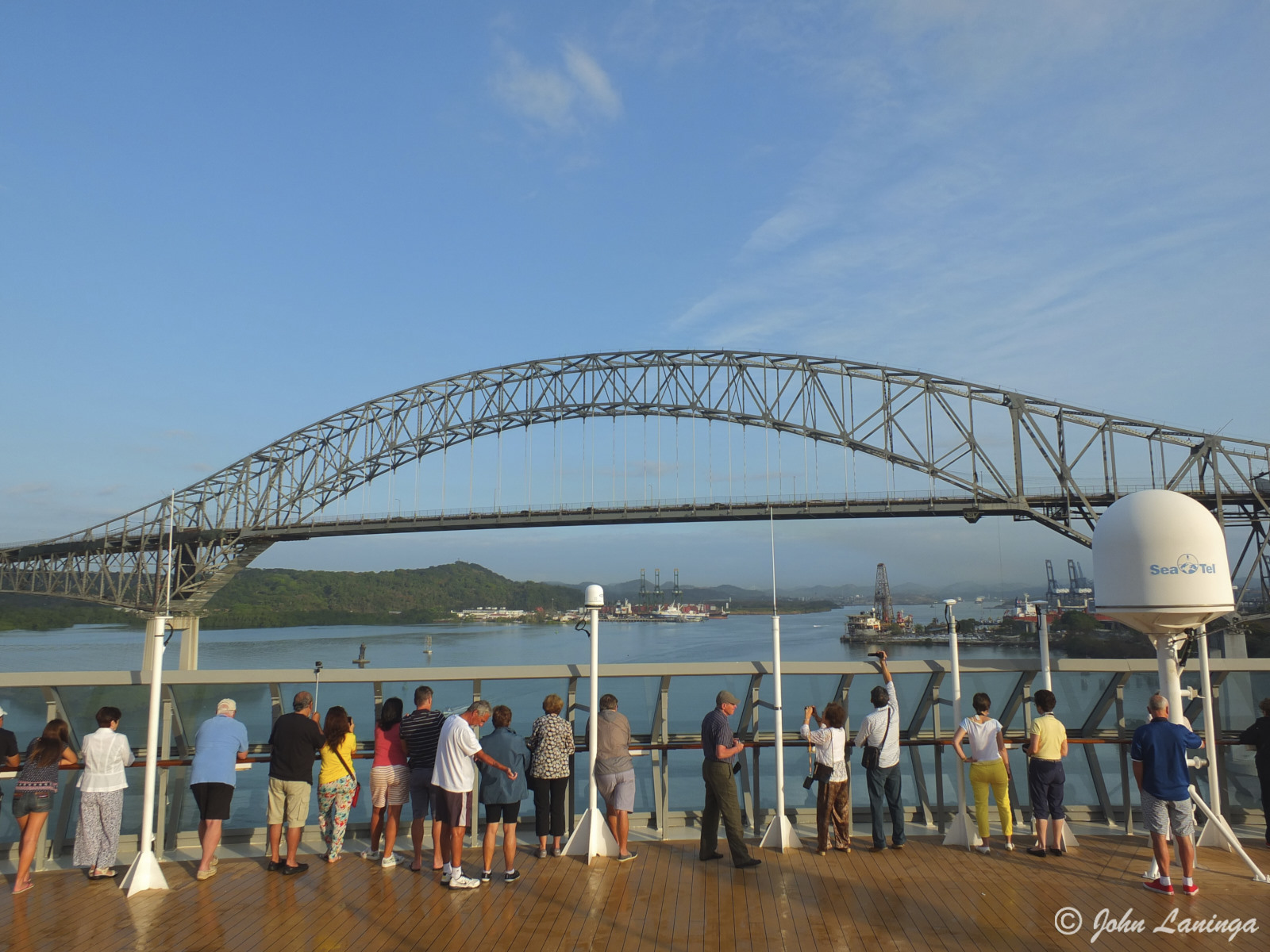
The Pan American bridge
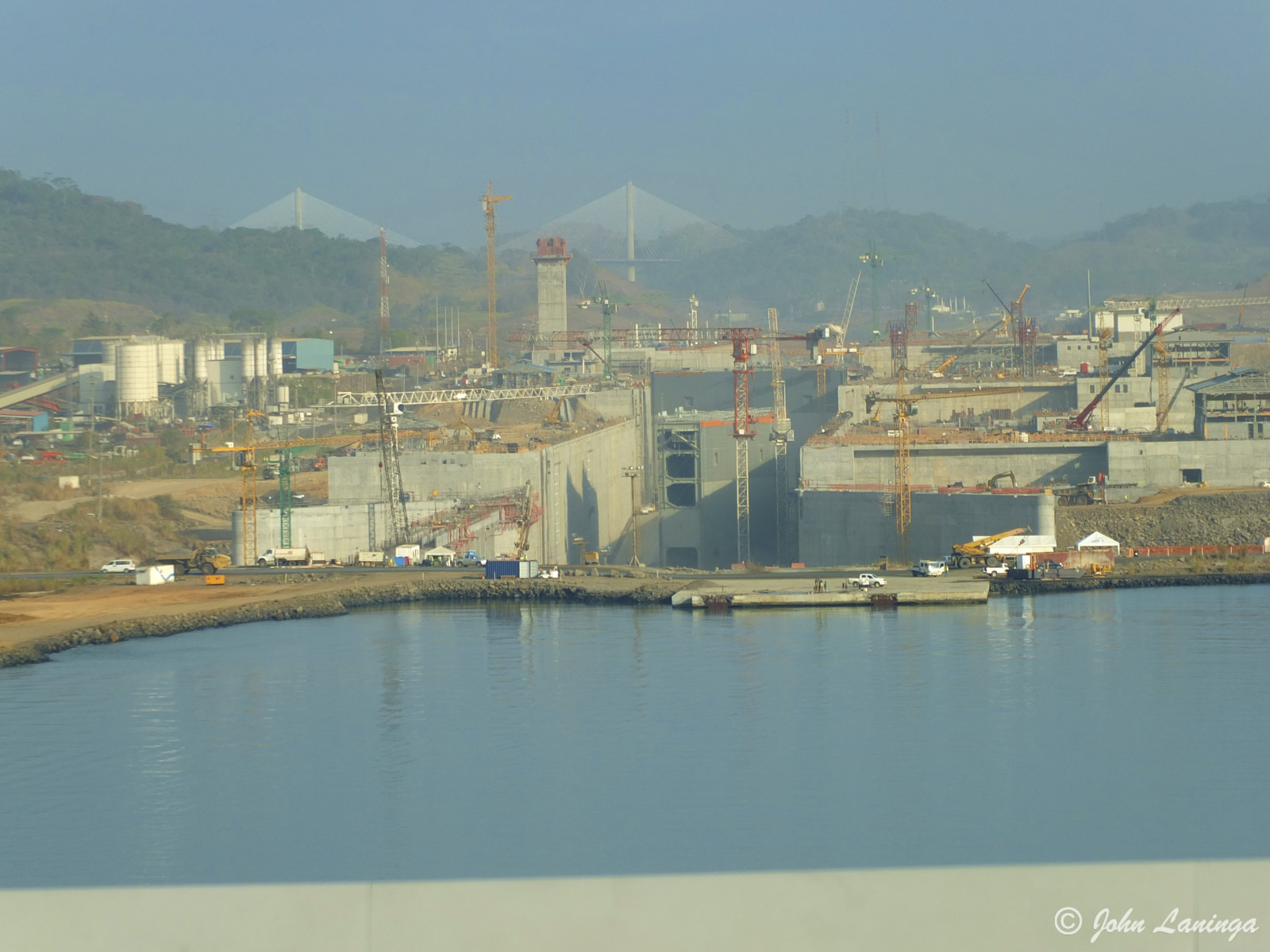
A good view of the Pacific side new locks
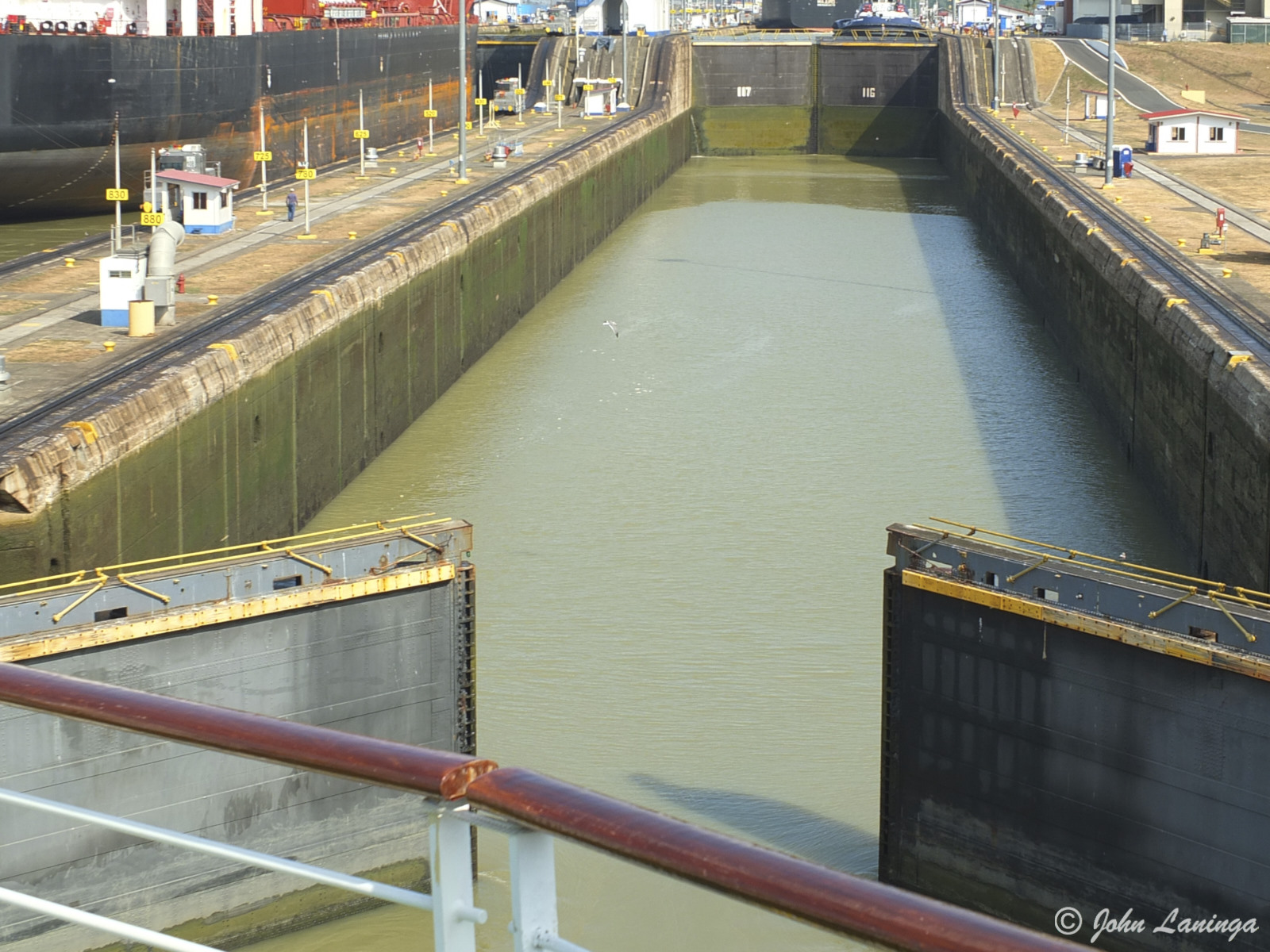
Entering the locks
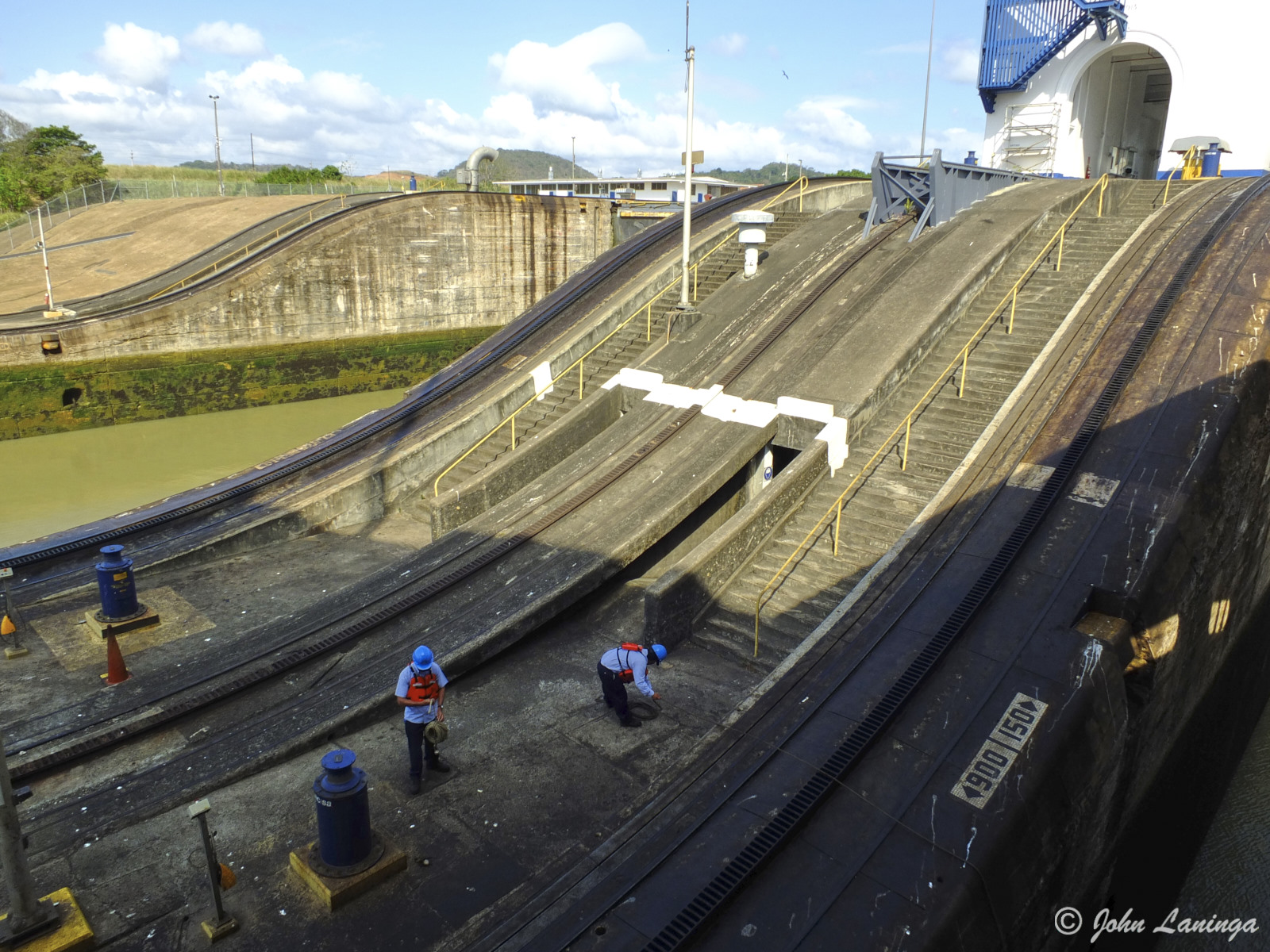
Hooking up the mules
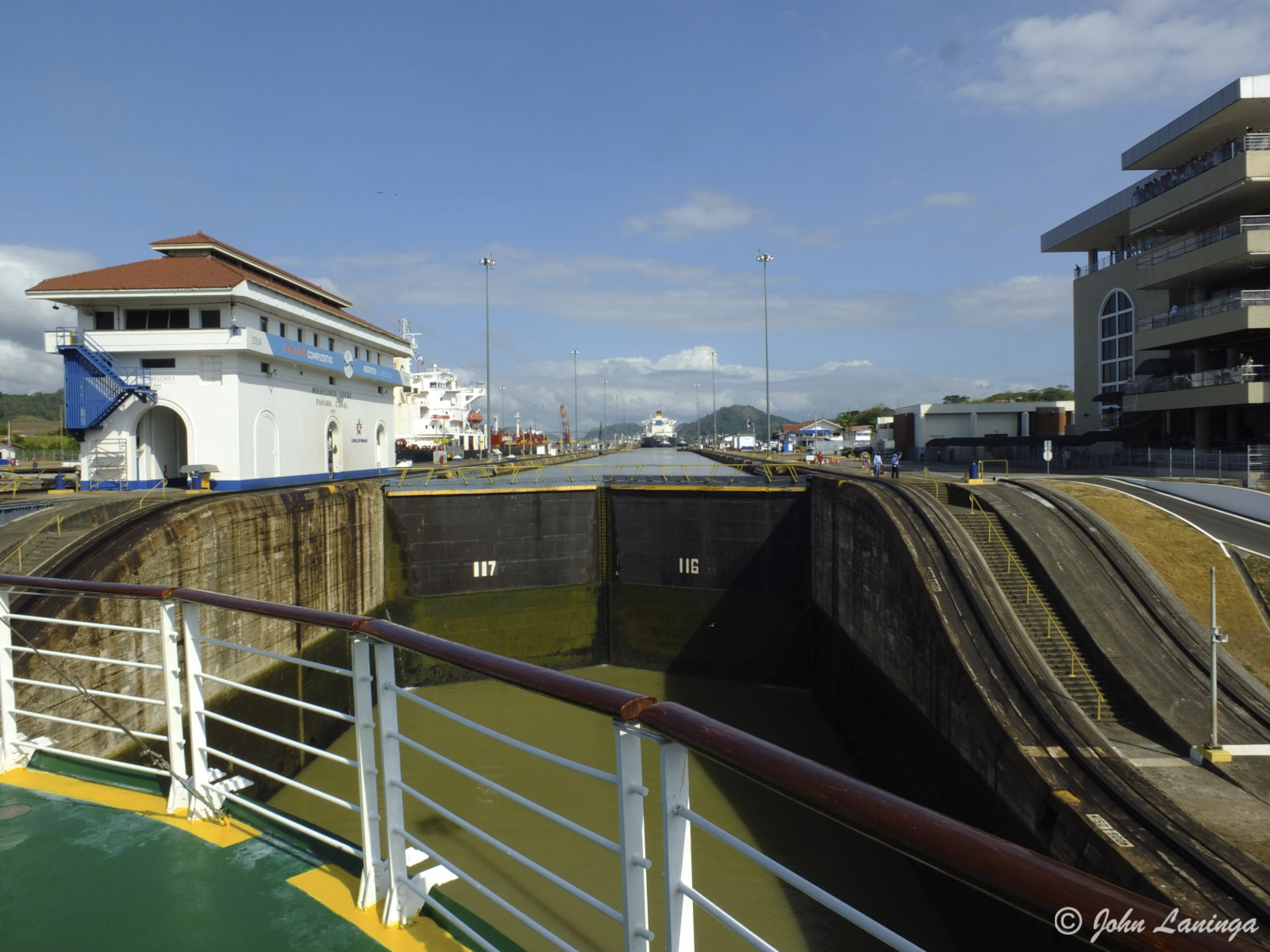
Almost all the way in
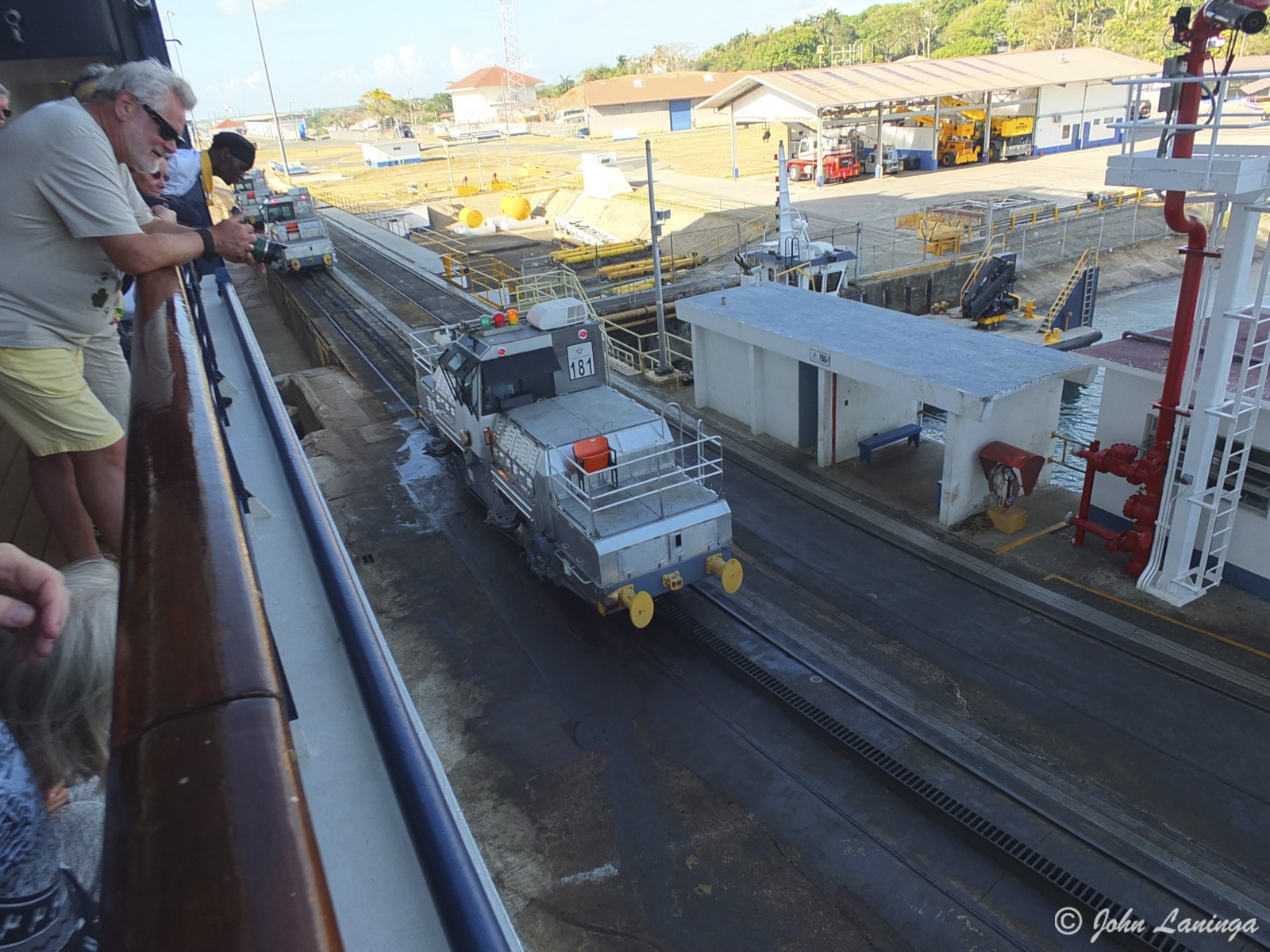
Guiding us through the locks
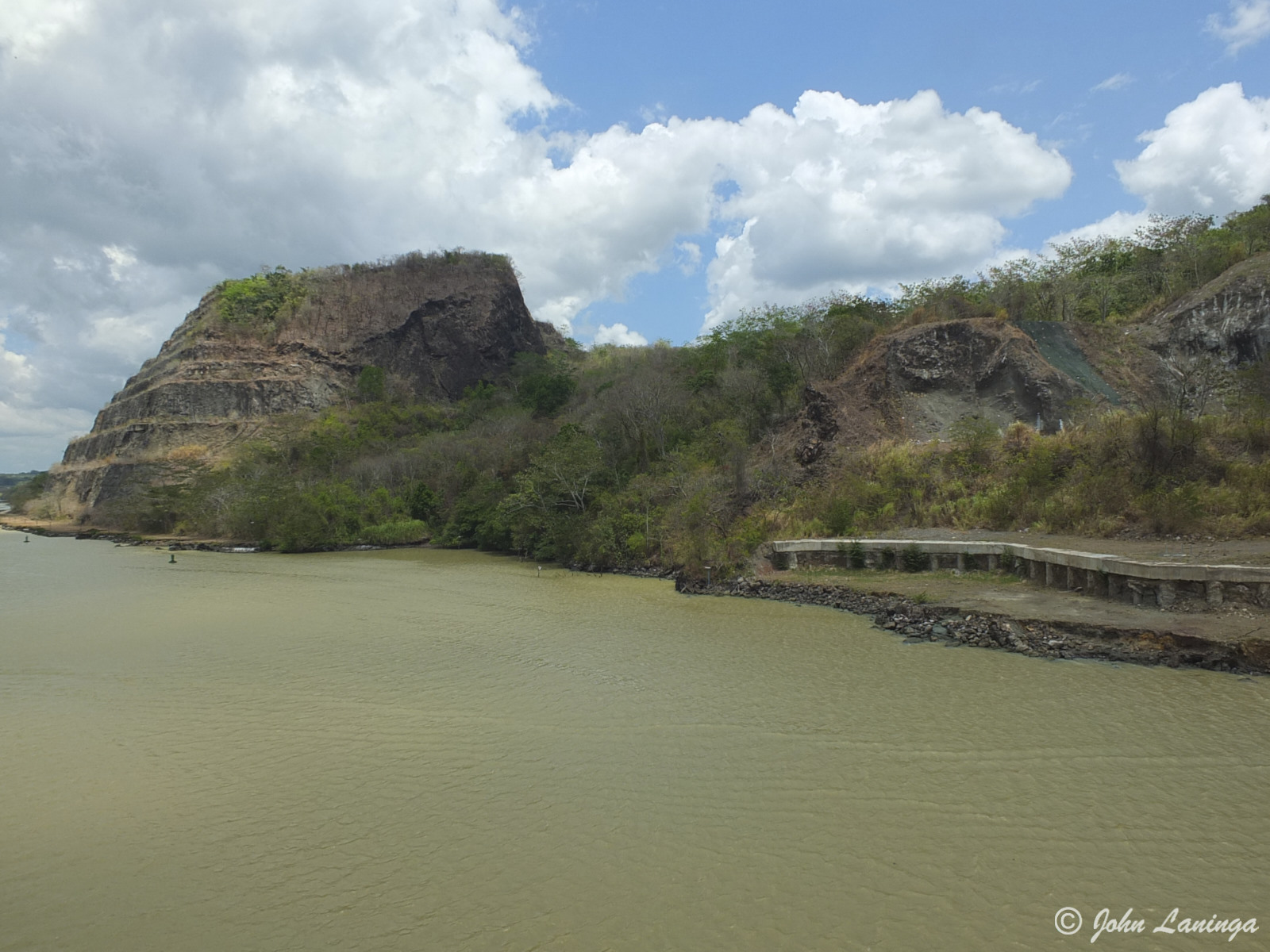
Culebra Cut, where thousands died
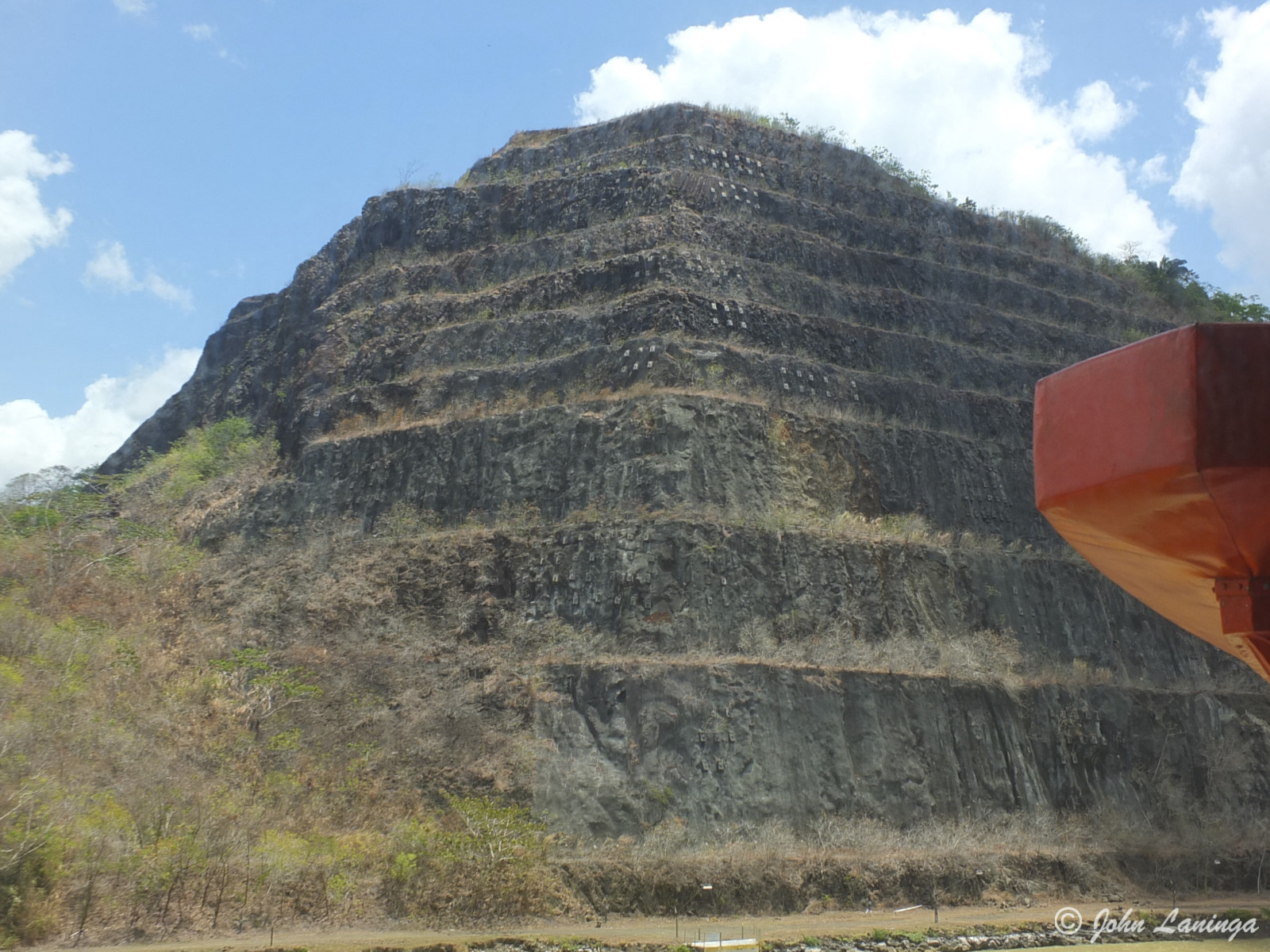
“Gold Hill” – workers were told they could keep any gold they find. Of course, there is no gold in volcanic rock….
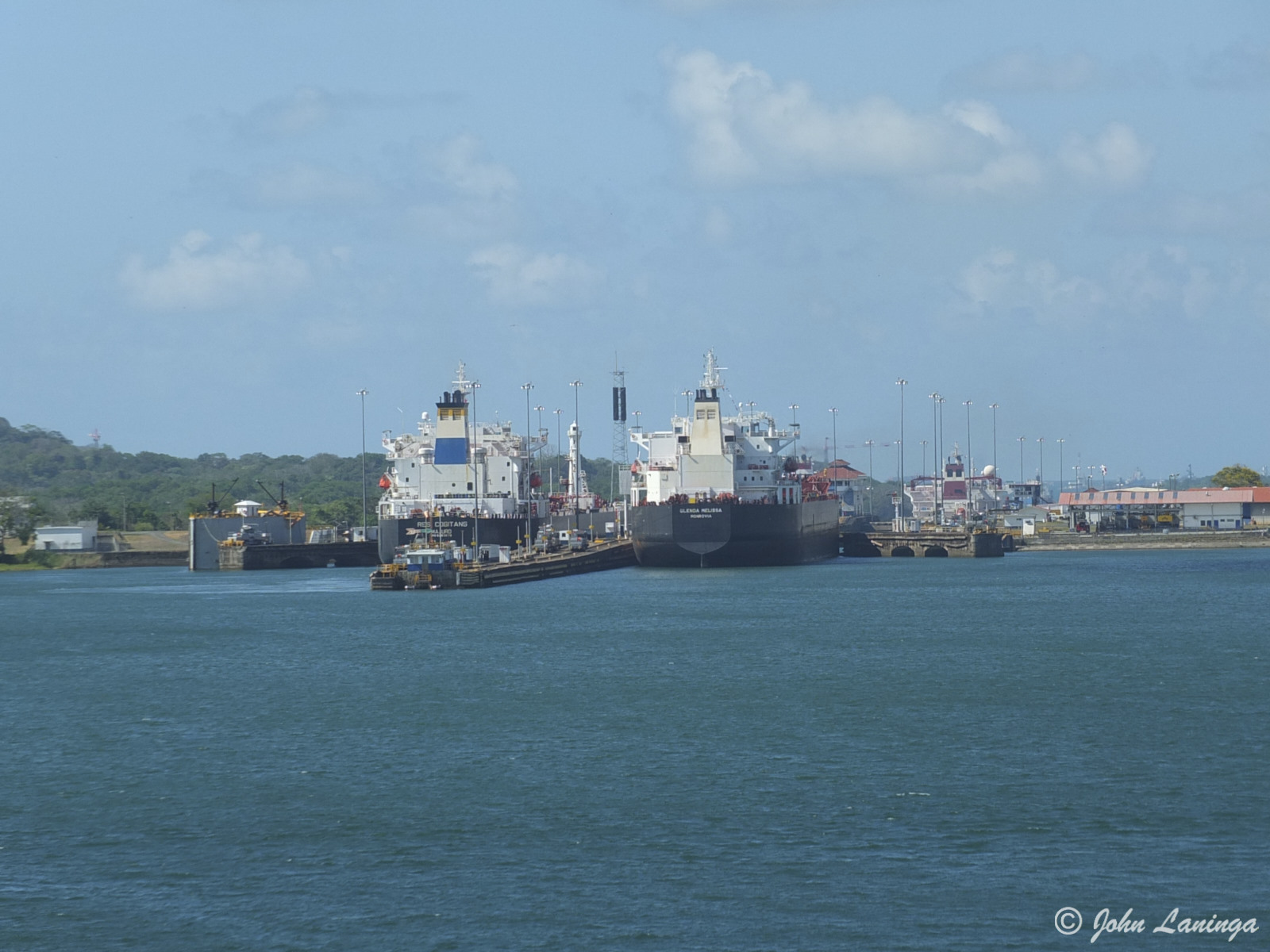
Approaching the Gatun locks
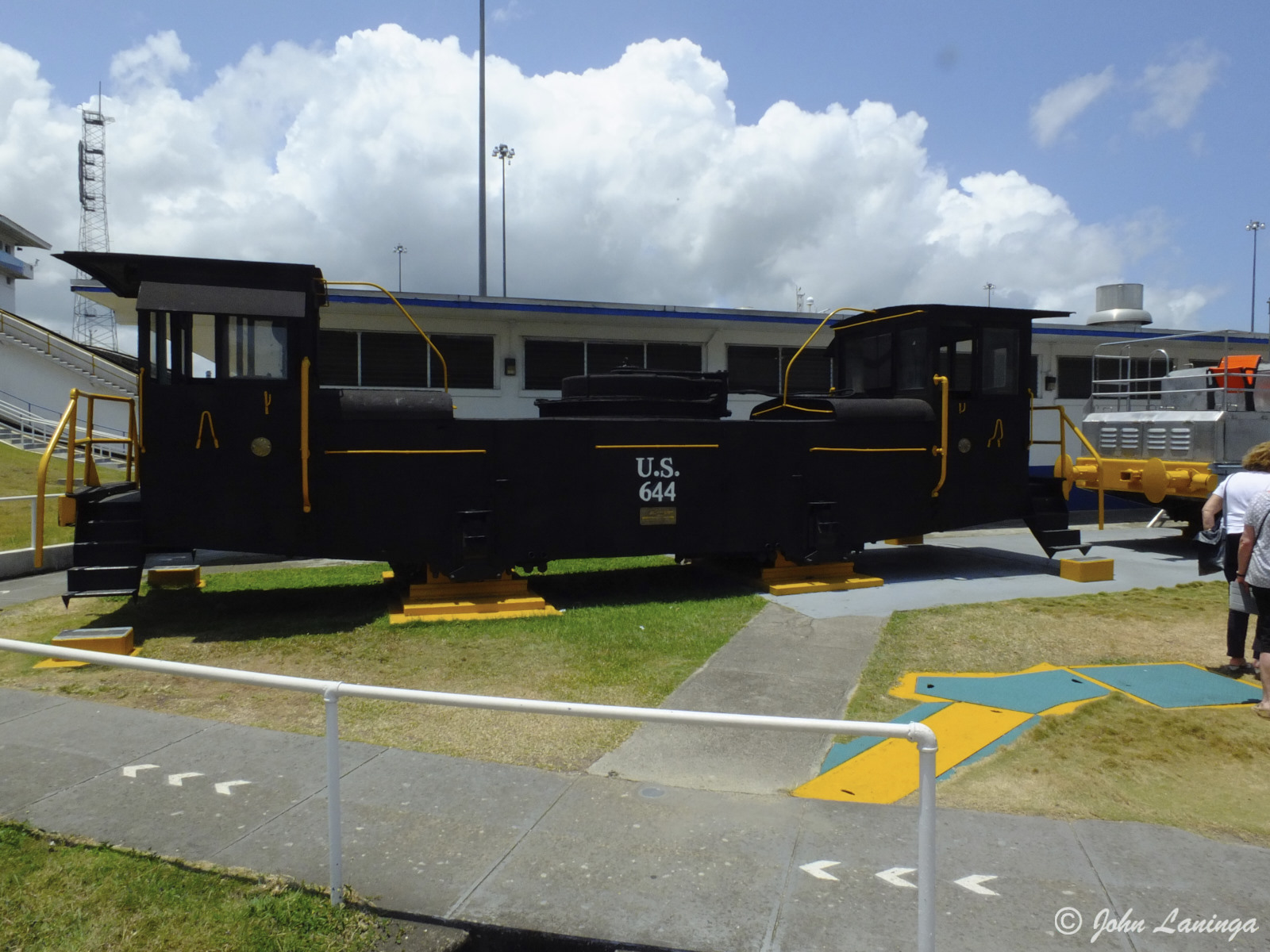
Original mule
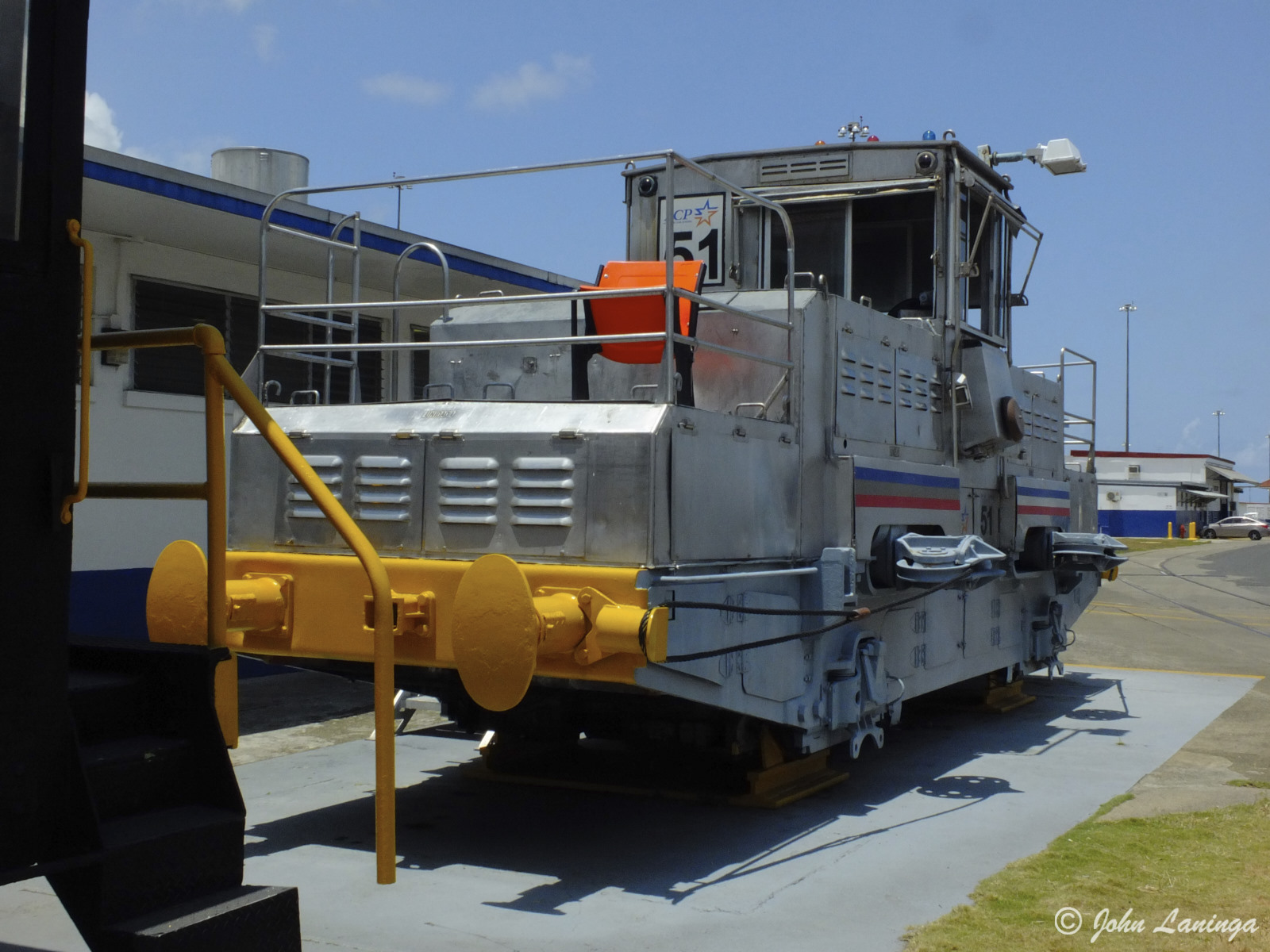
Second generation mule
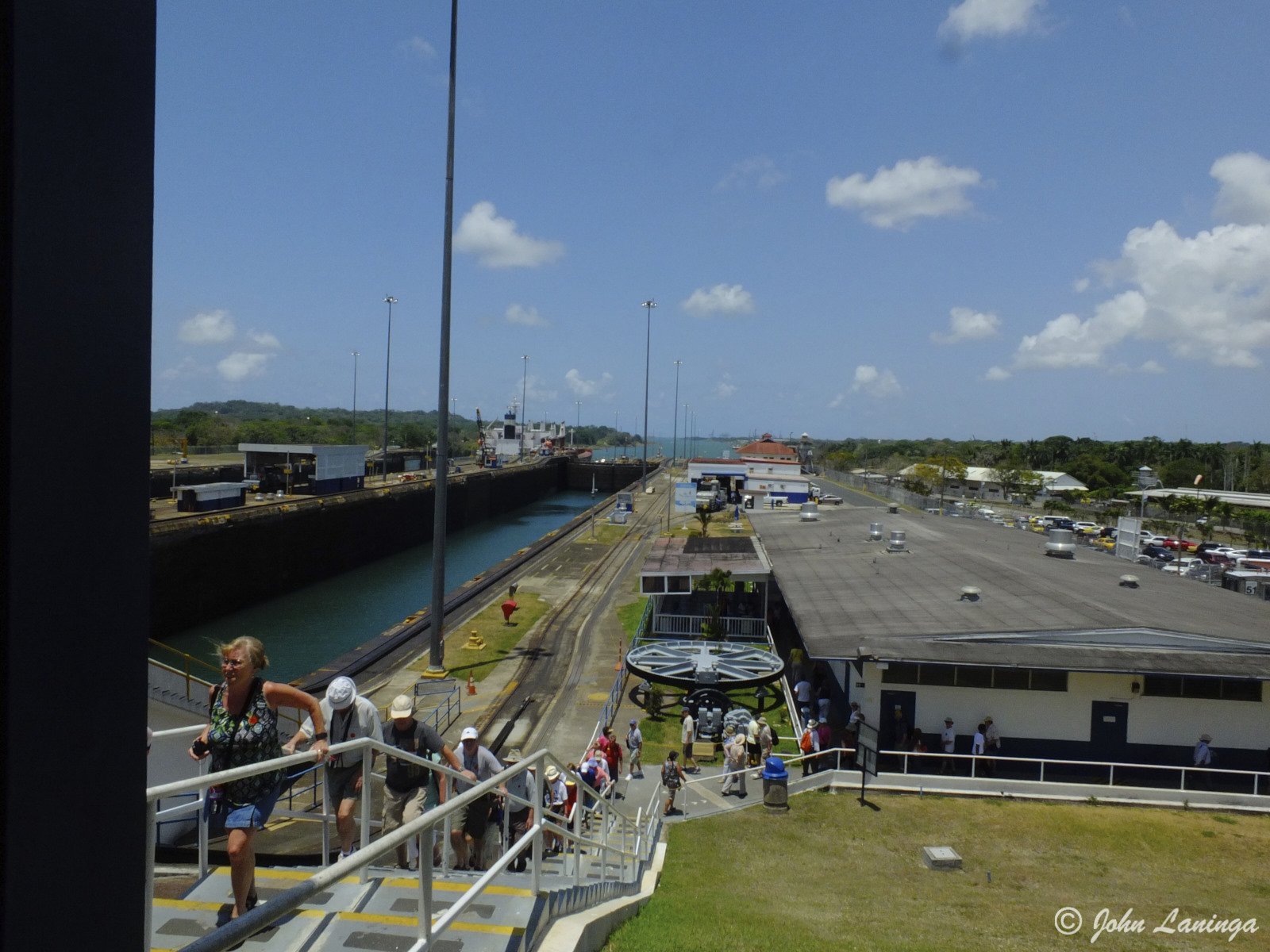
Look! The Caribbean Ocean!
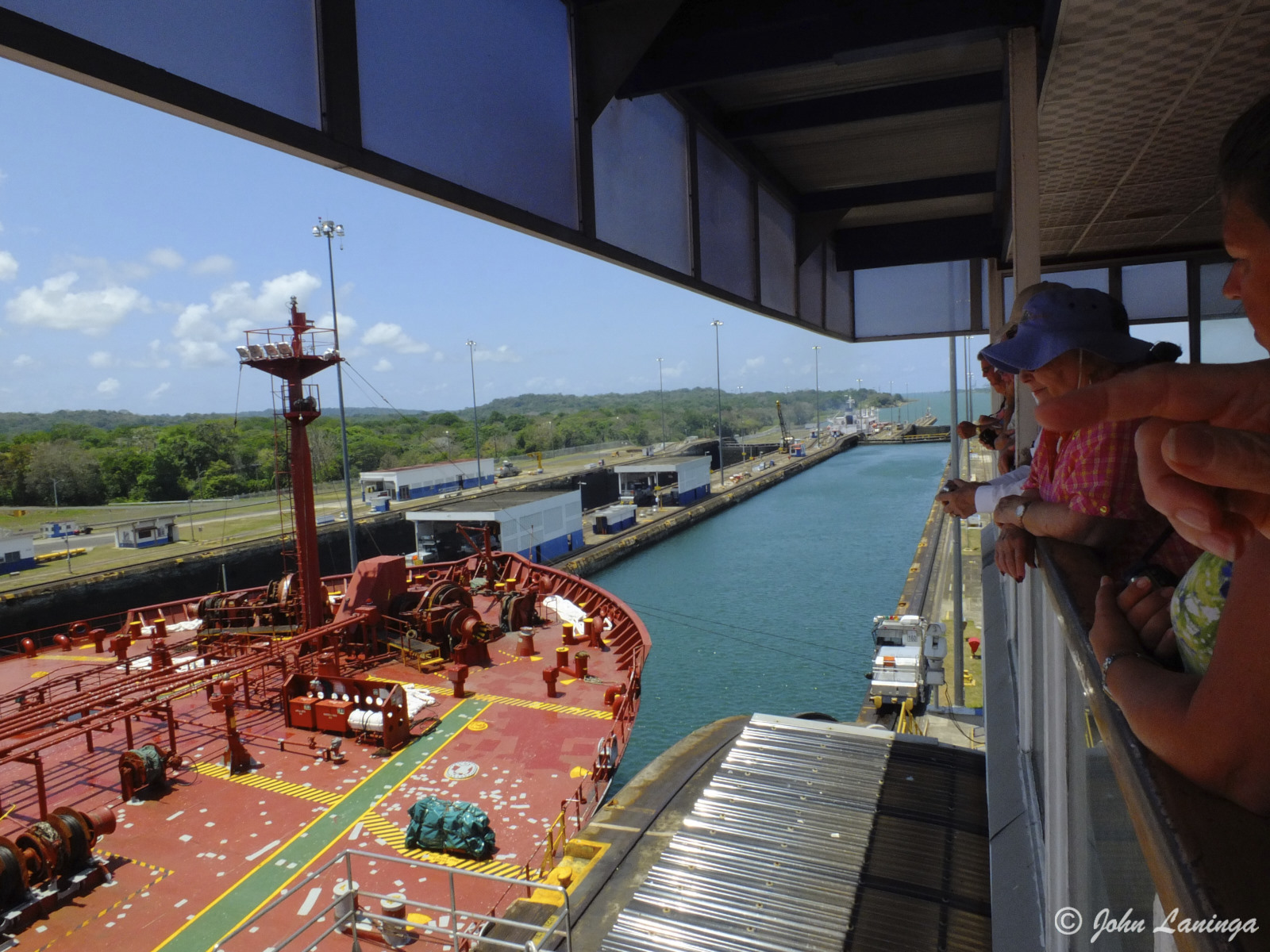
Watching a huge tanker go through
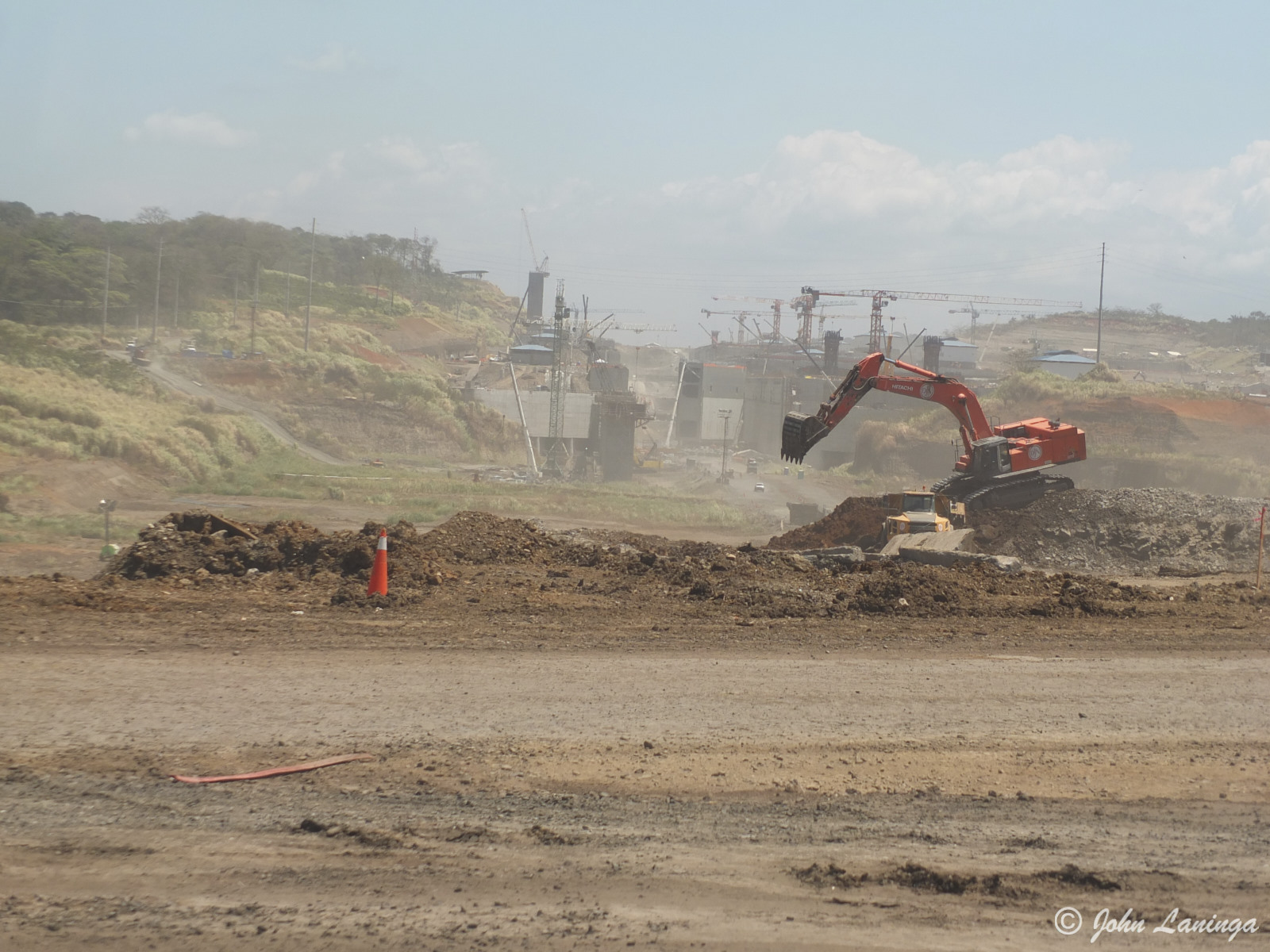
Working on the new locks
Cruise, Week Three
Our second leg of the cruise started in the port city of Valparaiso. Unfortunately, serious fires the night before our arrival meant so much smoke in the air we didn’t even go off the ship for our customary walk. So, we sat around in the the terminal until we could re-board the ship.
After 2 sea days, we arrived at Arica, Chile. In the rain… the first rain for this city in FORTY YEARS! Locals were very excited by the rain. We took a cruise to view the geoglyphs, enormous figures on the hill side. Based on their location and orientation, it is presumed these were navigational aids to find your way out of the desert to the sea.
A visit to the local museum introduced us to the Chinchorro mummies. These 7,000 year old mummies pre-date Egyptian ones by some 2,000 years, and show an entirely different civilization existed here. They used a most unique mummification technique. Careful preservation is necessary as the humidity, even as low as it is, is increasing which affects the mummy materials.
Although arid, this area has excellent soil, so with irrigation it is a big producer of many types of fruit and vegetables. Because there is only one season here all year, there are no seasonal products… everything grows all year. Especially olives, a major crop.
Our next stop was supposed to be Lima, but a problem with the completion of dock construction diverted us to Pisco, Peru. There is really nothing to do or see here unless you take expensive excursions, so we stayed on board until we departed for Manta, Ecuador
Manta proved to be quite interesting. This is the area where the Panama Hat originated, and it still is one of the mainstay industries in this area. The ladies who weave the hats have a very unique way of working!
The St. Mark’s church is particularly interesting… it was designed and pre-fabbed by Gustav Eiffel (before the Eiffel tower) and shipped with two other buildings to Arica. These were to replace originals destroyed by an earthquake. All the metal pieces fit together and require a key to assemble/disassemble them. When Peru lost the territory in a war they took the “church key” with them.
As usual, click on the Flickr link (below right) and then Albums to see all photo albums. Our next stop: the Panama Canal.

Smoke over Valparaiso
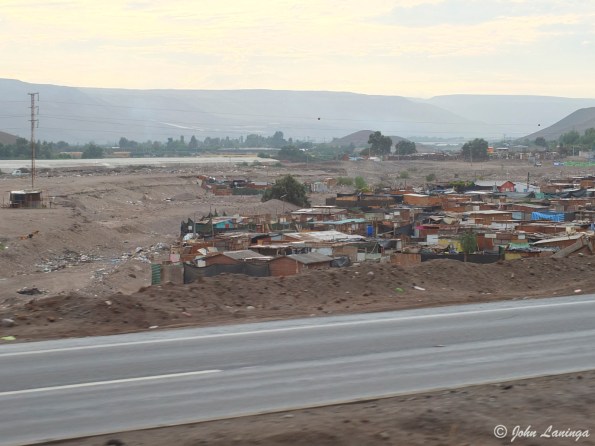
Some of the not so desirable portions of the city
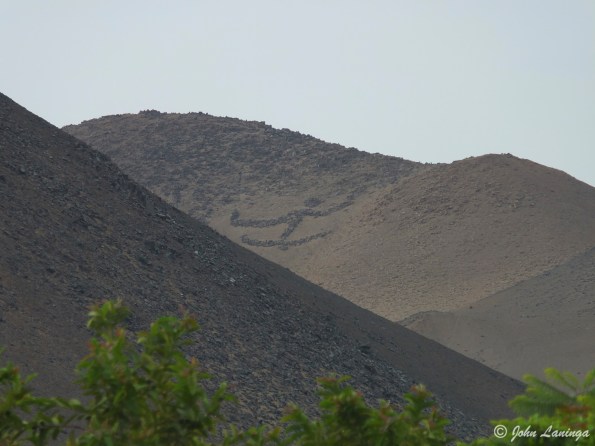
Enormous geoglyphs in the distant mountains
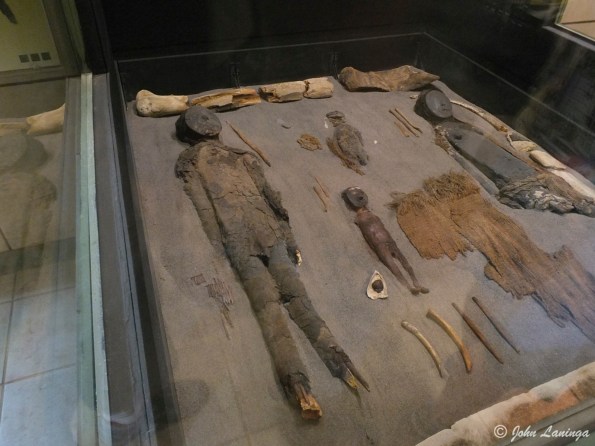
Ancient Chnichorro mummies
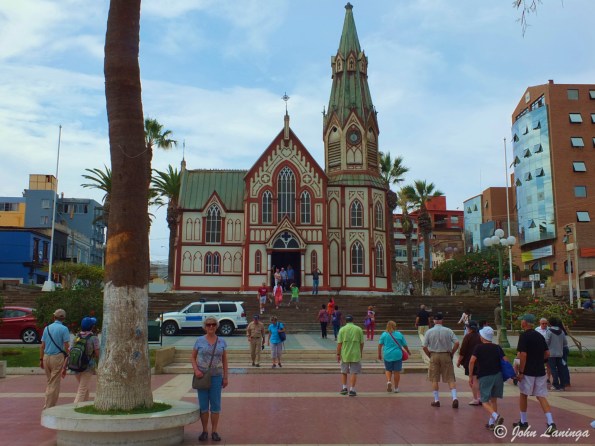
Church, designed by Gustav Eiffel
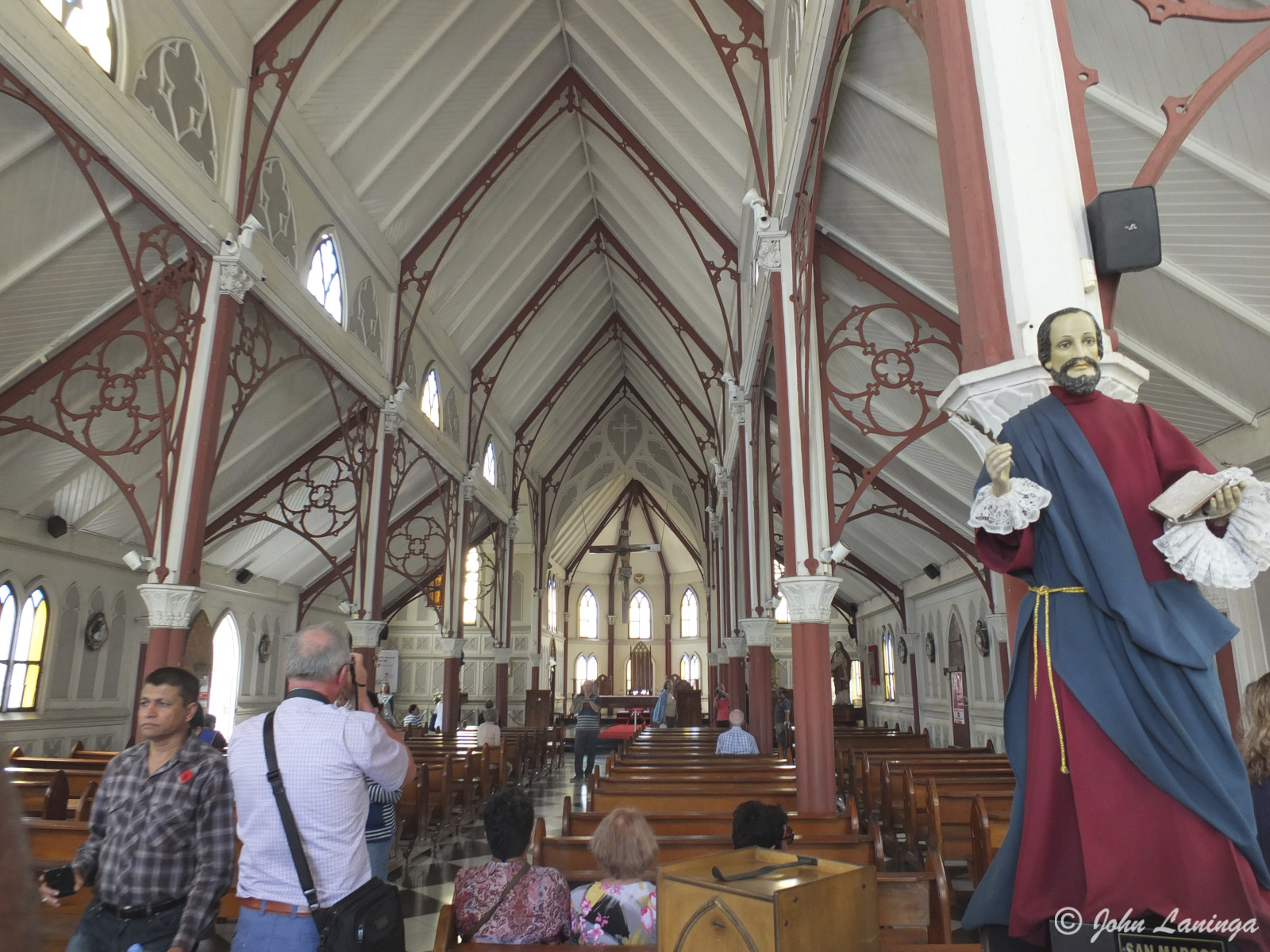
Inside St. Mark’s church, showing Eiffel’s traditional metalwork

A very busy street in Manta
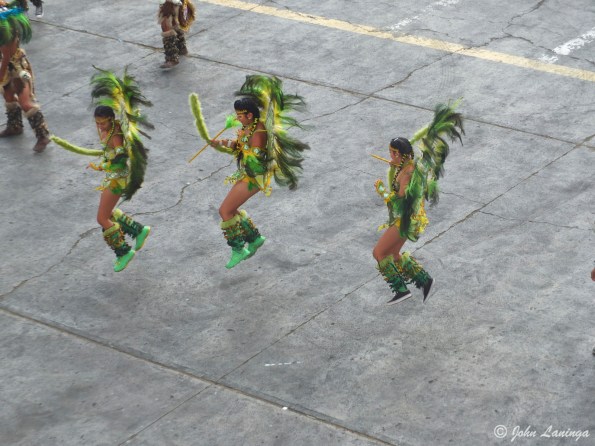
Local entertinment

Manta is definitely a port city
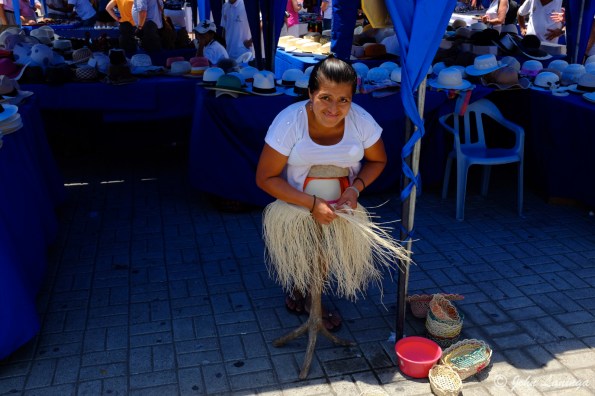
Making Panama hats
.
Cruise, Week Two
Our second week was spectacular. It started with a cruise around Cape Horn, known as end of the world. This is where the Pacific, Atlantic and Antartic oceans meet. We were luck with calm weather: 12 foot seas and 50 mph winds. Two days later, and winds were 80mph+ and 30-40ft. waves!
We then cruised through the Chilean fjords. Specifically, through the Beagle Channel, and had a great look of the glaciers that line this channel. This took us to Ushuaia, Argentina, the southernmost city in the world. We hiked a local ski area and got our End of World certificate. And had some king crab, locally caught.
Our visit to Punta Arenus was cancelled due to hurricane force winds. The port was closed, so the captain decided to divert to the seldom visited Skua glacier. This is one of Chile’s main glaciers, about 13 miles long and runs into the ocean. We had a great view of the glacier and ocean interface.
Our next stop was Puerto Montt, Chile. A rather small city, whose main income was fishing. We visited the fish market, and based on our observations, wouldn’t want to eat anything from there. Not sanitary to our standards. On to Santiago, our last stop of this, the first leg of our cruise.
Again, a few pictures are ;posted below. our full albums are on Flicker (below right). Click on Albums to see the list of albums.
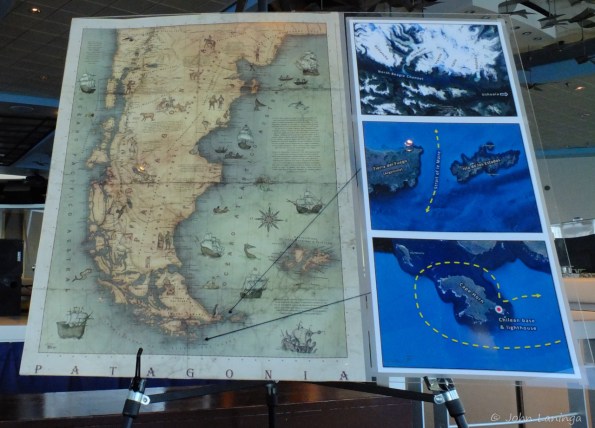
Our route
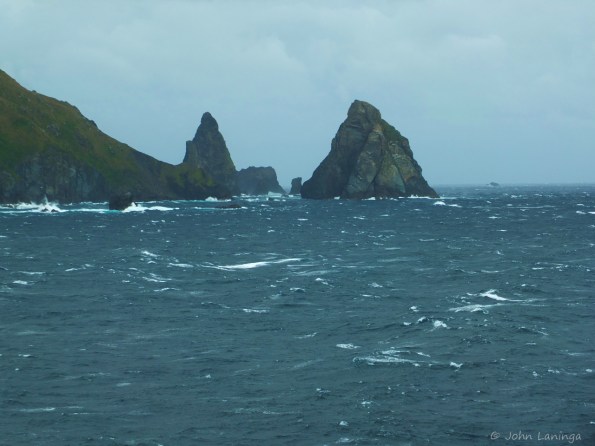
Cape Horn peaks
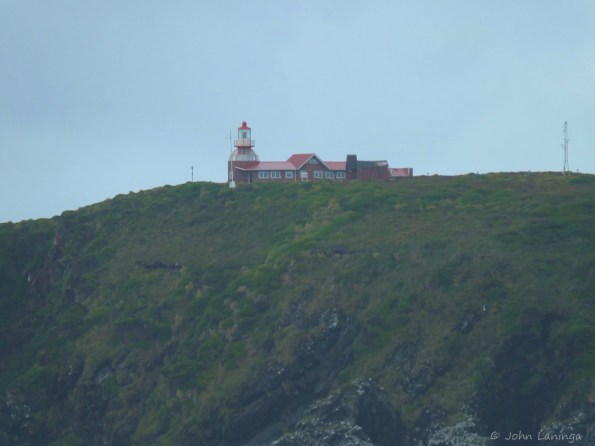
End of the World lighthouse
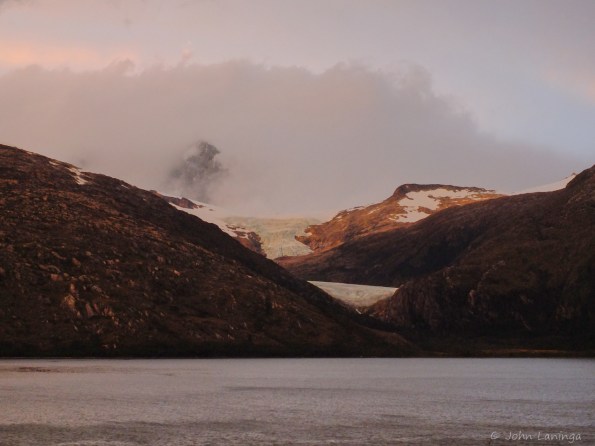
Lots of glaciers
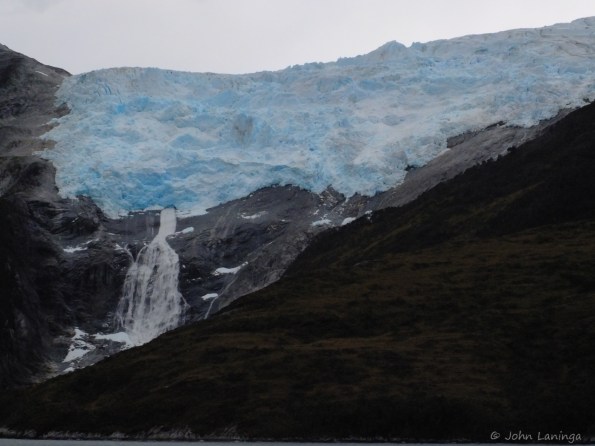
Another magnificent glacier

Beagle channel glaciers
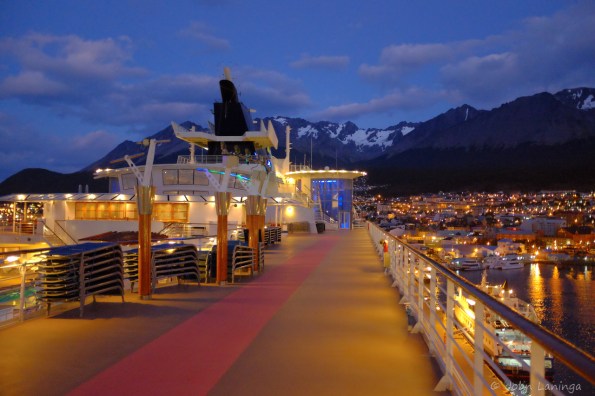
Early morning arrival in Uhsuaia
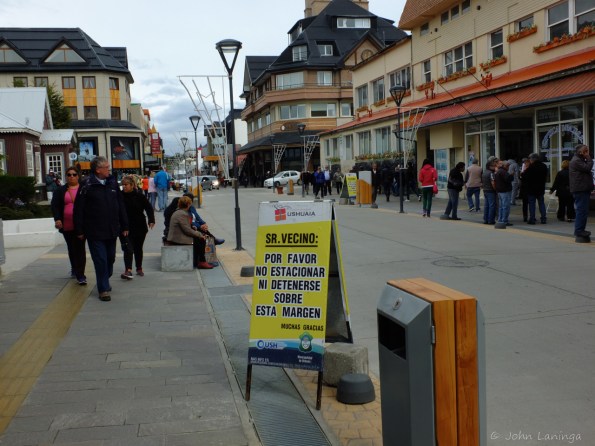
Downtown Ushuaia

A sea cruise, and we hike up a ski area!
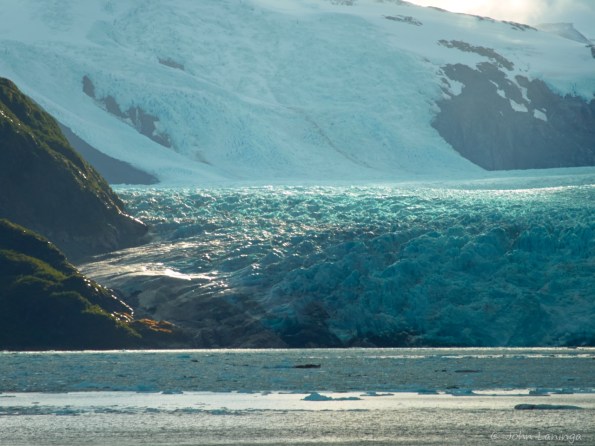
Sun highlights the Skua glacier
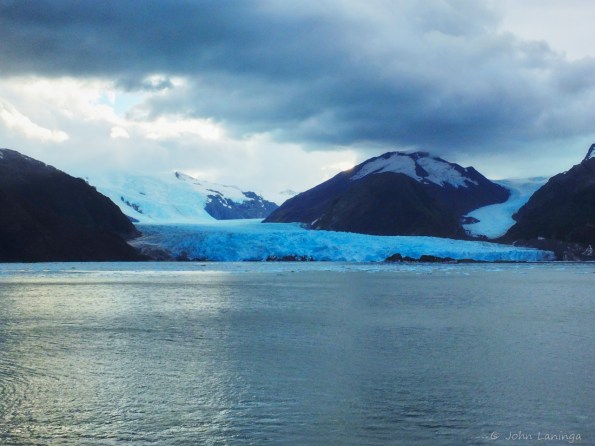
Skua glacier to water interface
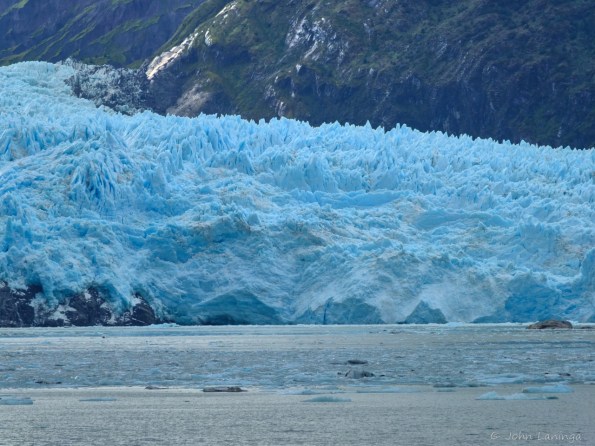
Skua glacier face
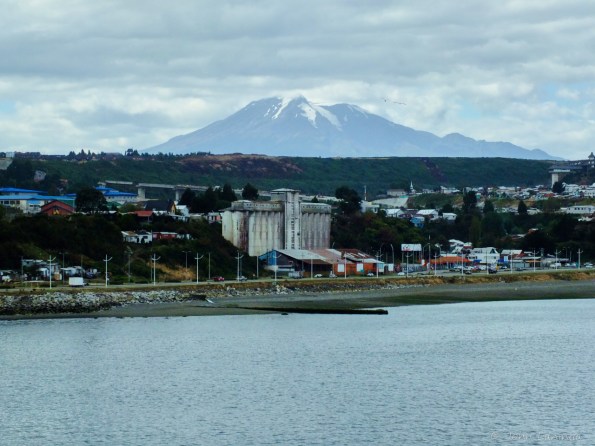
A peak of the Orsono volcano
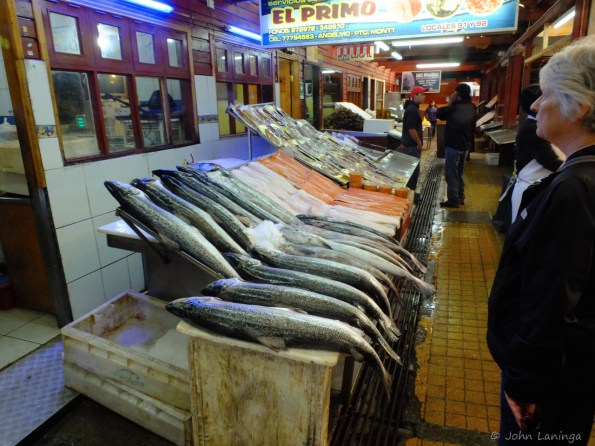
Fish on display
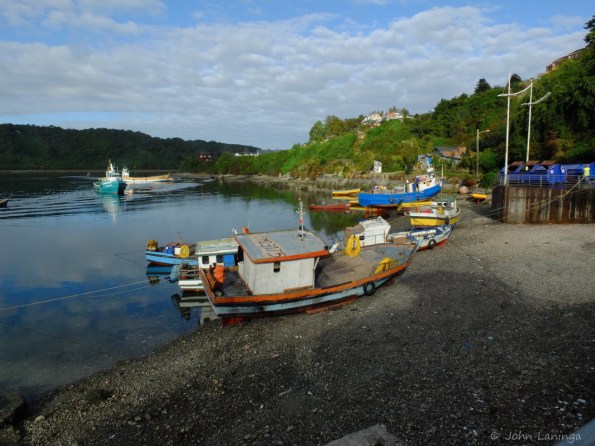
Puerto Montt is a fishing village
Cruise, week One
Although our cruise started in Buenos Aires, we actually didn’t leave port until the second day. Instead, we had a tour of a local ranch, where we learned about their lifestyle. We viewed the ranch, watched horsemanship demos, learned more about folk dances, and ate some local barbecue. Washed it down with a local red wine.
Our first true port of call was Montevideo, Uruguay. Uruguay has some 300 million cows, and 3 million people. So local industry was heavily skewed to leather and beef. We had a pleasant stroll through the city and “shopped” a local art fair. A storm was brewing, and we made it back to the ship just before a major storm struck. Others were not so lucky, and got a good soaking.
A short cruise brought us to Punta del Este, a local hotspot for the rich and famous. Beautiful beaches and a cheap economy makes it a haven for people like Madonna and Leonardo deCaprio, who frequent this area. But we also saw the poor side of the area, showing the contrast between the haves and have nots.
We ended out first week at Puerto Madryn, AR. Not exactly a tourist town, but a 2 hour drive in a cramped van brought us to Punto Tomo, a major rookery for Magellan penguins. Thousands of them were here, we saw penguins from hatchlings to elders. We also some some local rather rare birds and small mammals.
A few pictures are shown below, but feel free to click on the Flickr link (below, right) then click on Albums for our complete albums.
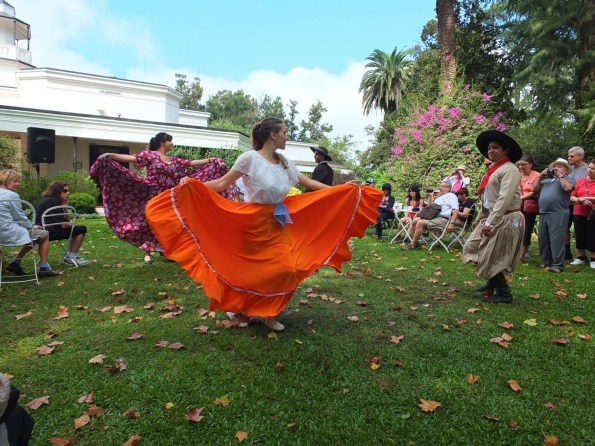
Local dances and color
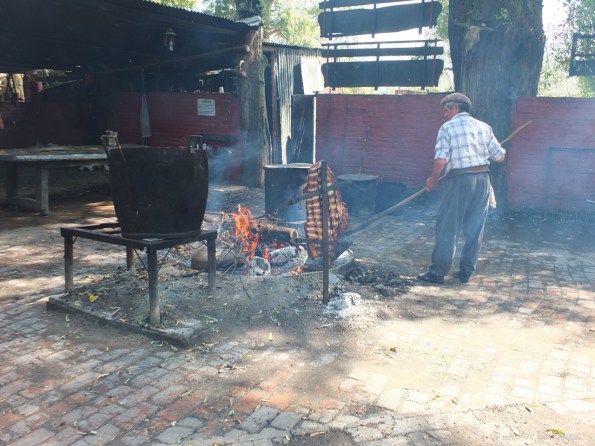
Cooking lunch, Argentina style
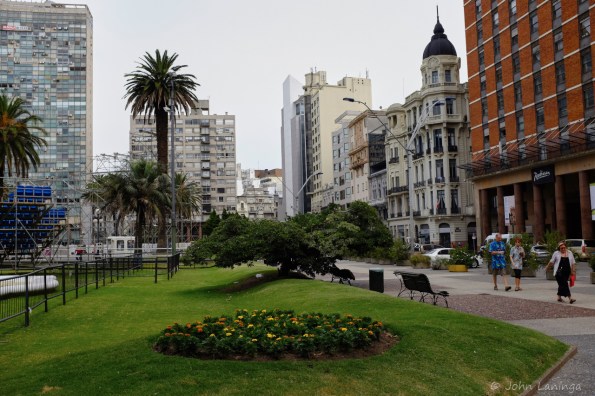
Downtown Montevideo
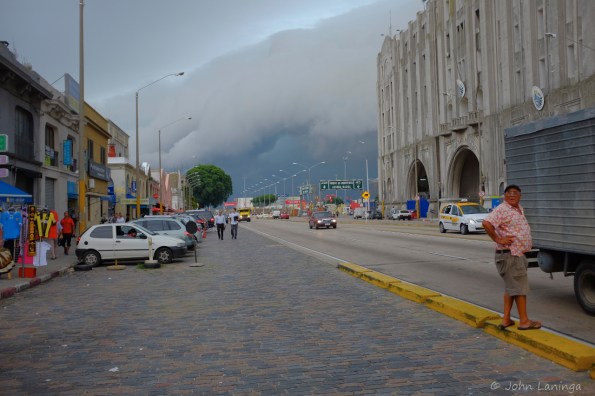
The storm approaches!
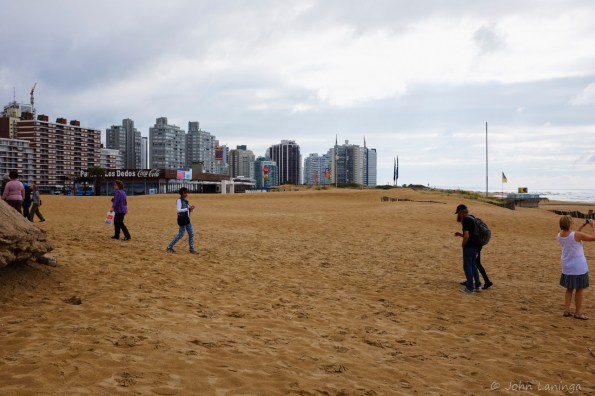
Montevideo beaches
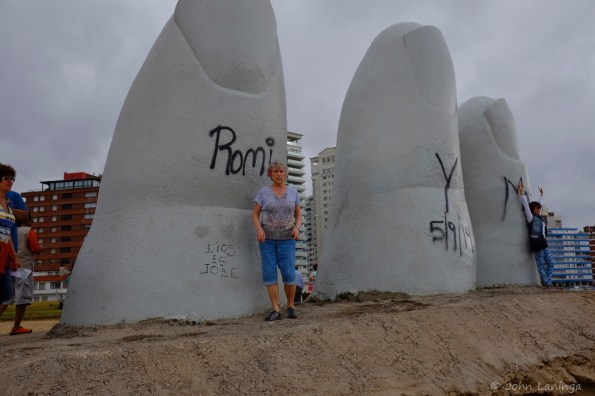
Artist feature on beach

Magellan rookery

Magellan penguin

Buenos Aires – Last day
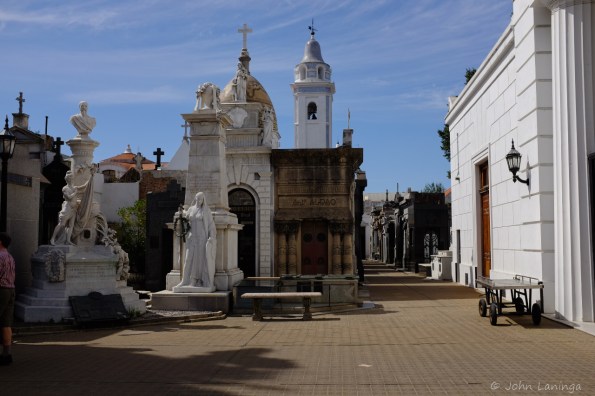
In the entry way

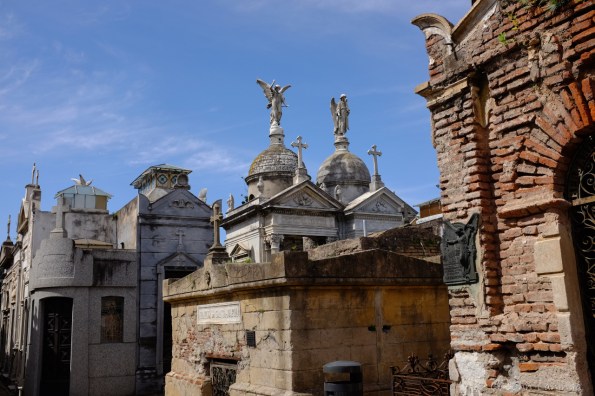
Kind of looks like Rome!
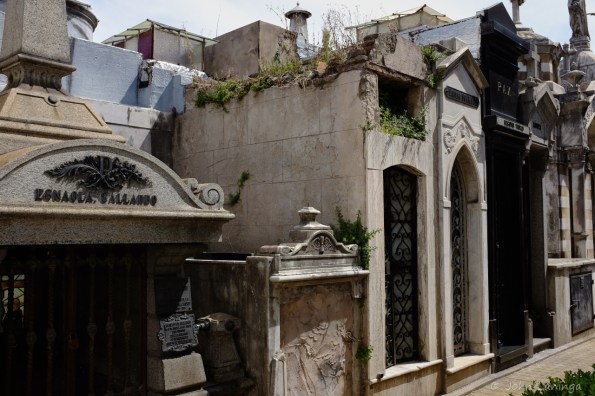
Different designs from one grave to the next
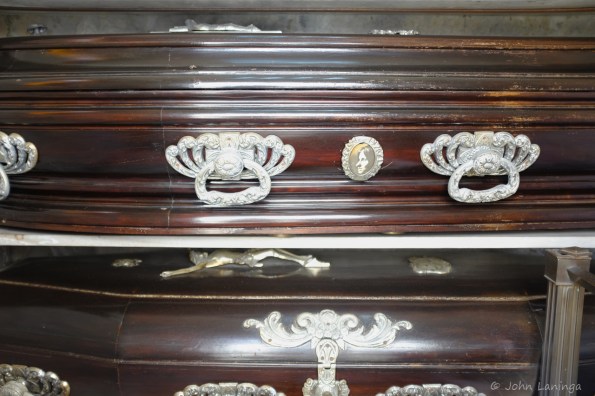
A look inside finds caskets with silver hardware
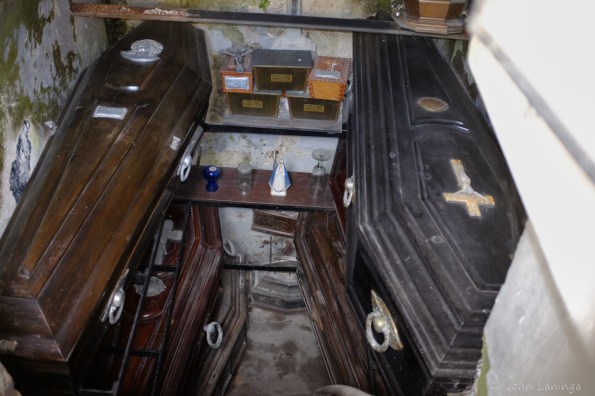
Inside one, caskets stacked on top of each other
Some older ones are breaking up
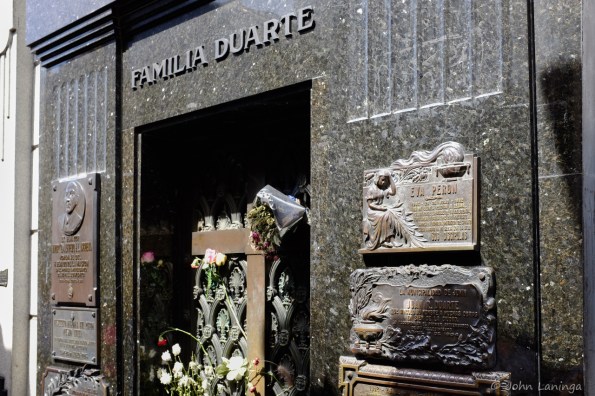
Eva Peron’s grave, still very popular
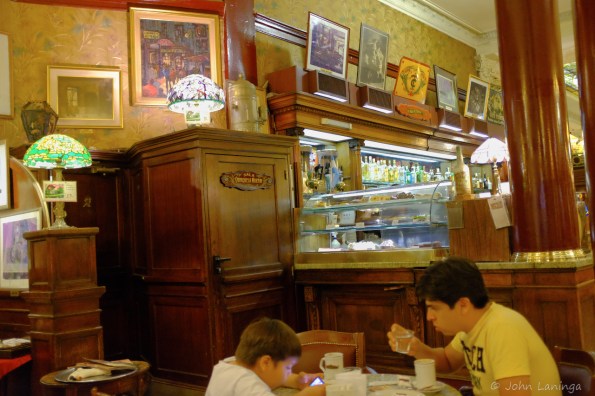
Pastry bar
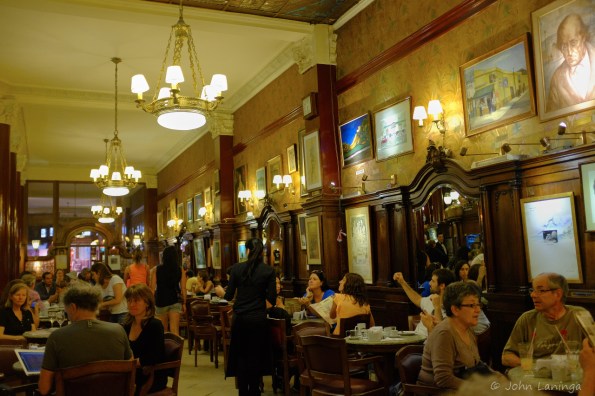
Inside Cafe Tortoni
Buenos Aires – Day 3 and Tango show
We walked a lot today… a lot. We left the hotel, walked up to the 9th of July Avenue (incidentally, this is the widest avenue in the world) and headed east. Along the way we saw restaurants, stores and businesses. After a half mile or so we ended up at El Obelisco. This is a national historic monument and icon of Buenos Aires. Located in the Plaza de la República, in the intersection of avenues Corrientes and 9 de Julio, it was built to commemorate the fourth centenary of the first foundation of the city.
Here we took a little detour down Lavalle St. This is a pedestrian only street, filled with shops of every kind, money changers (the dollar is in huge demand) and restaurants. Ida found two nice leather purses, and with the US Dollar, she got a great price.
We walked back to the Teatro Colon, an opera theater built at the turn of the 1900’s. Patterned after Italian and French examples, it is a beautiful and elaborate structure. It is large, will hold around 3,000 people and still no amplification is needed. It is said to have the best acoustics in a large hall in the world. Most impressive.
After our theater tour we walked back to the hotel on Lavalle and Florida Streets. Once again, stores and eating establishments everywhere… and lots and lots of people. And it isn’t even evening yet!
This evening we took in a dinner Tango show. It was thrilling to sea and hear the Tango, performed by Argentinians, in Argentina!
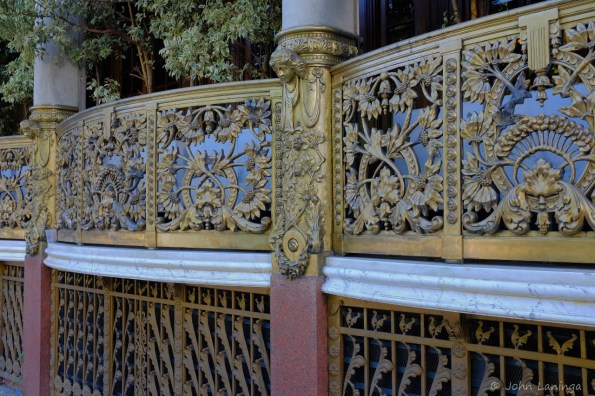
An elaborat balony railing
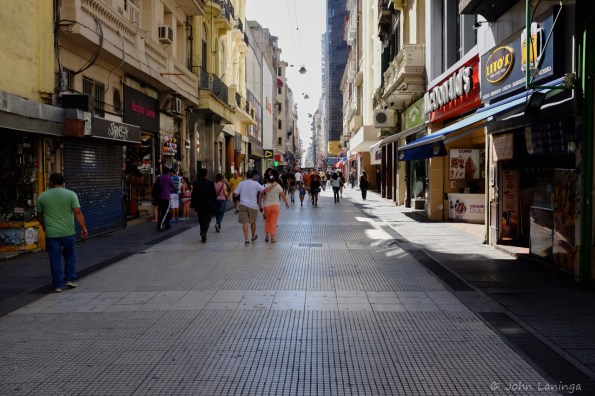
Early morning walk on Lavalle Street
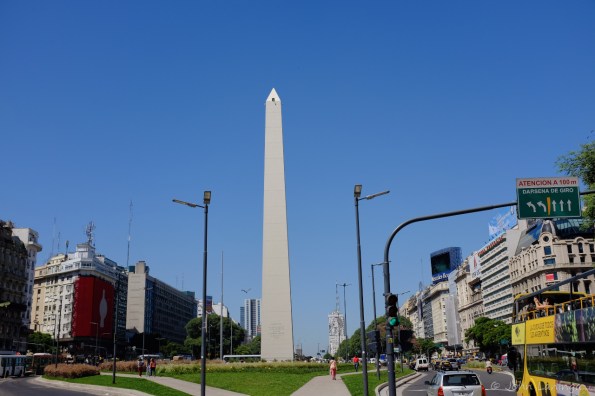
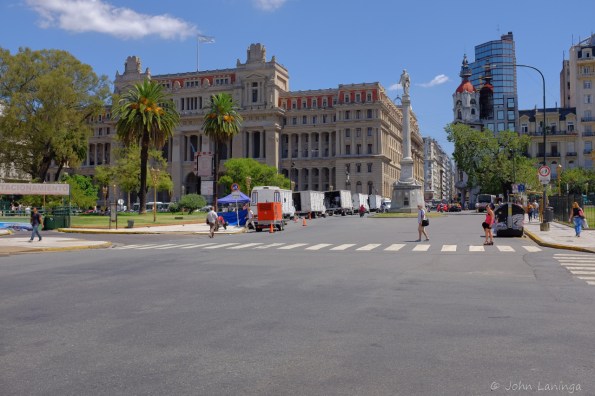
Government buildings
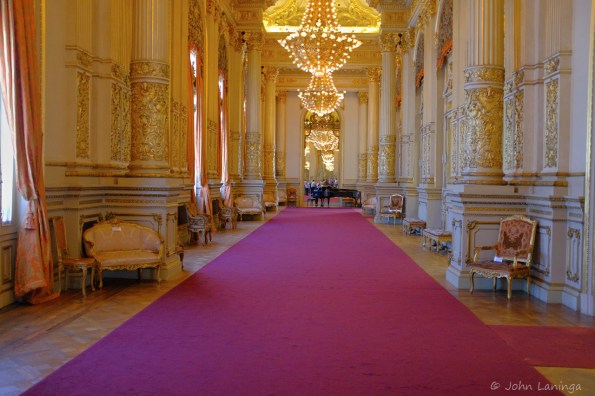
Great hallway, where the rich people gathered during intermission
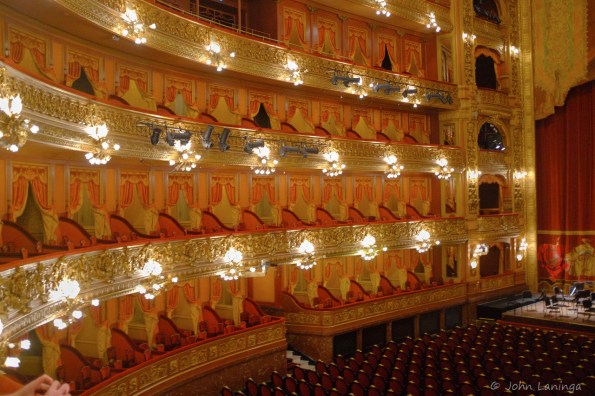
Balcony suites, left side
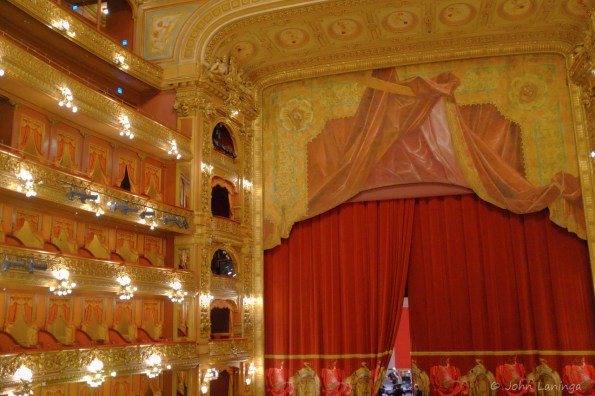
Boxes and stage
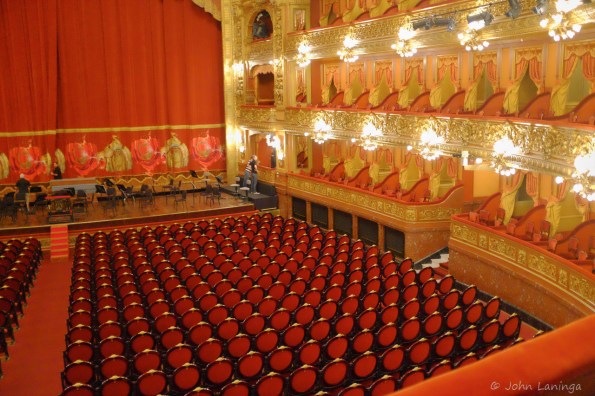
Main floor and “widow’s boxes”
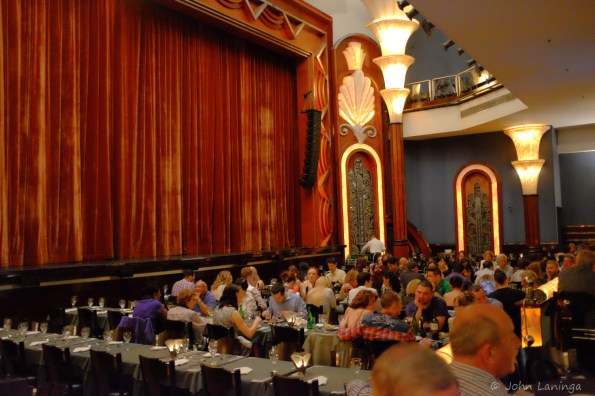
Inside the Tango Theater
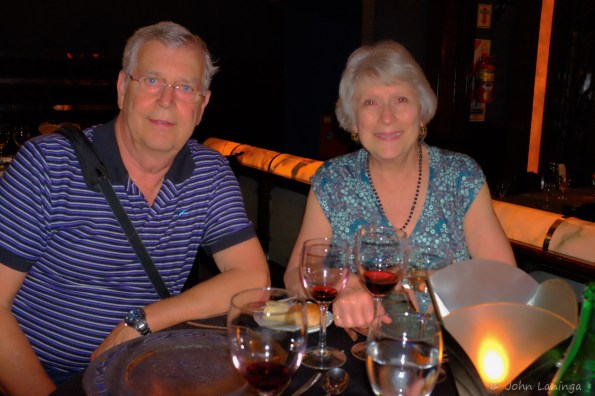
John and Romola
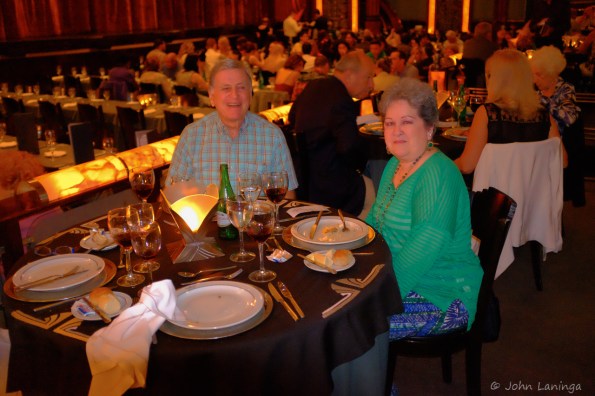
Les and Ida
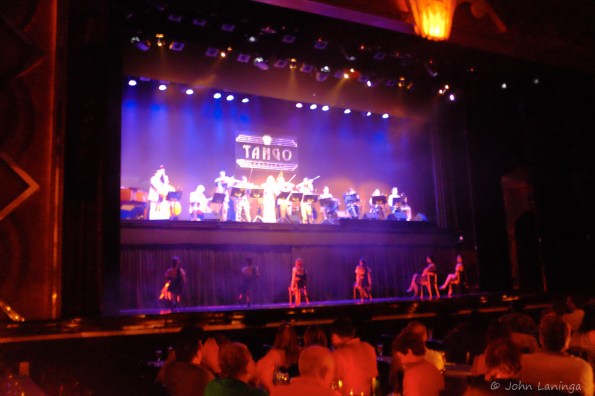
Tango show
Buenos Aires evening
We are staying in a neighborhood where night time activities can be somewhat sketchy. Nevertheless, we had to eat, so off we went to a place recommended by our hotel (Don Ernesto’s). We had an excellent meal, starting with a very nice salad, with lots of hearts of palm. Our main course consisted of two huge cuts of meat: a rib eye, and a filet. Washed down with a very good Malbec, we needed the 8 block walk home.
But when we got outside we saw a wine shop, where we met an owner most willing to please. We bought another bottle of Malbec, Ida got a unique Malbec rose and a fine drinking Malbec. Ours is for consumption at the hotel, Ida had hers packed for travel.
Romola and I met with our new friend Carlos, who took us to a very old traditional coffee house and bar. Dust on the bottle, manually turned meat slicer, very rustic. A nice way to spend the evening!
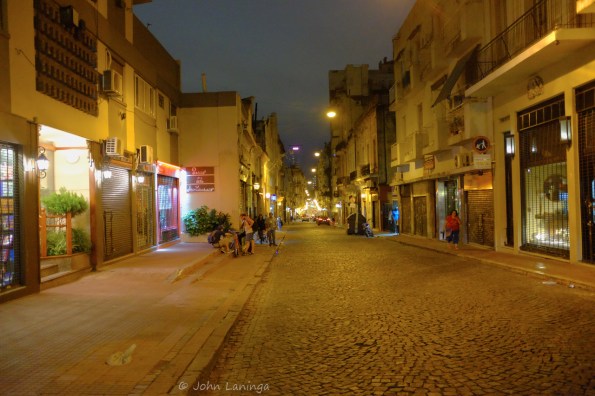
Night time in BA. Kind of quiet.
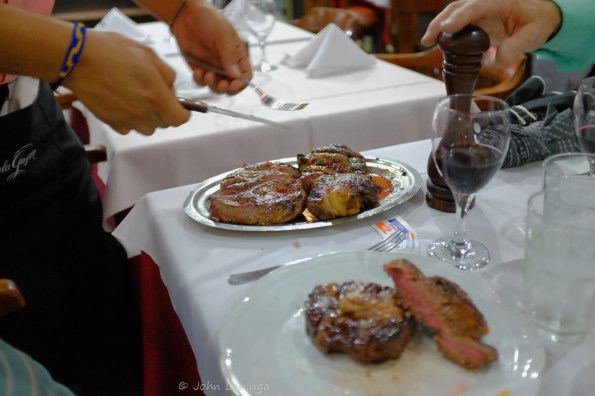
Our steaks
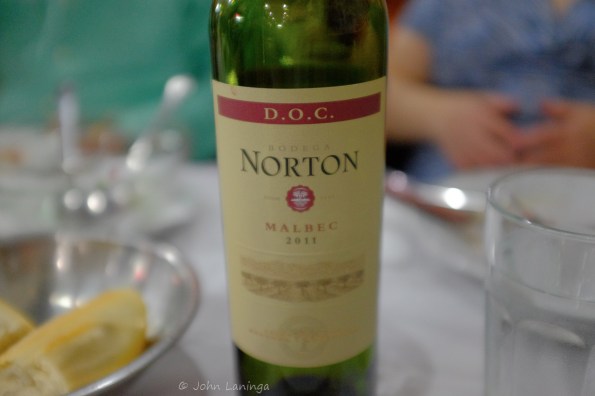
Our bottle of Argentinian Malbec
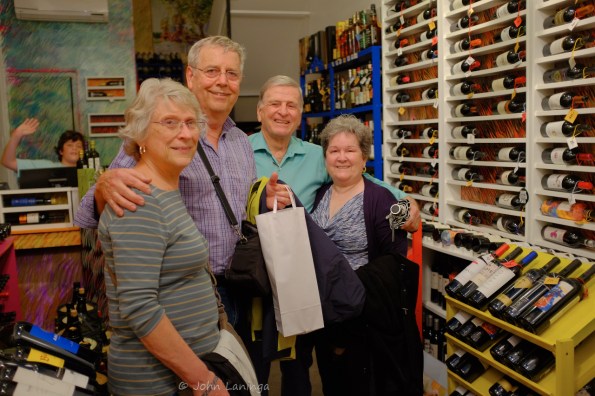
Happy with our wine purchases in the wine store.

Inside the coffee shop.
Day 2 in Buenos Aires
Our second day in Buenos Aires was mainly an orientation day. We walked all over the place, got lost, found our way again, and had a great time. Getting lost is a good (but possibly dangerous) way to learn a city.
After hitting a few of the main shopping streets, we ended up in Puerto Madero, where the old warehouses were refurbished and made into shopping and eating locations. Nice place to stroll along the water and see the sights.

Street scene
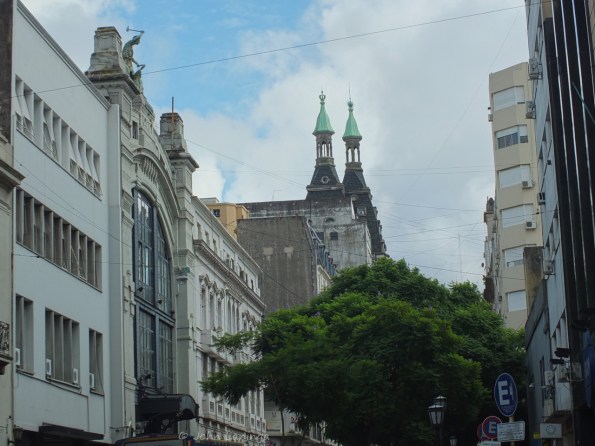
Alonh Ave Peru
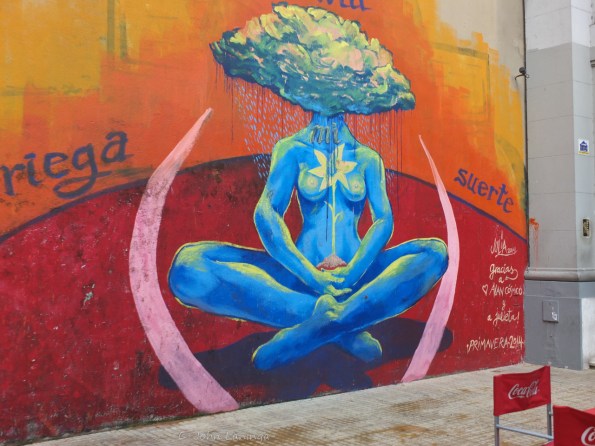
Some fancy grafitti
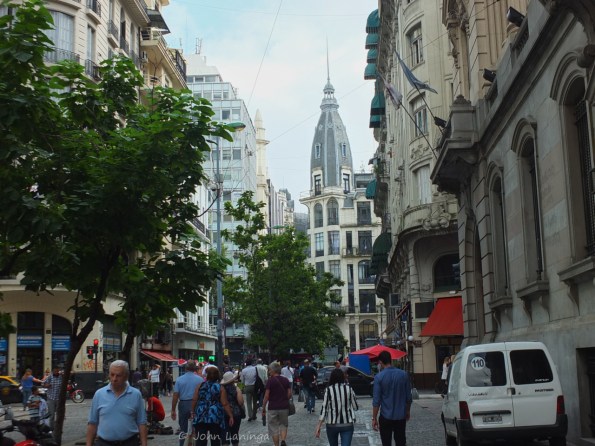
Street scene
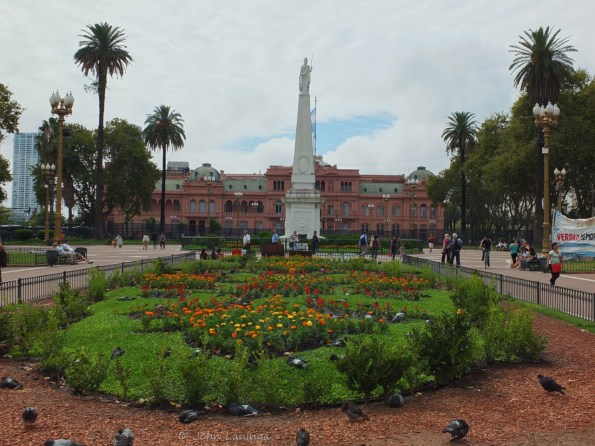
Casa de Gobkerno
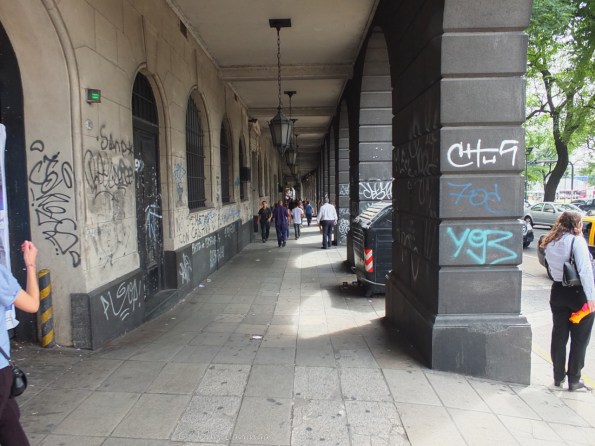
Walkway under one of the buildings
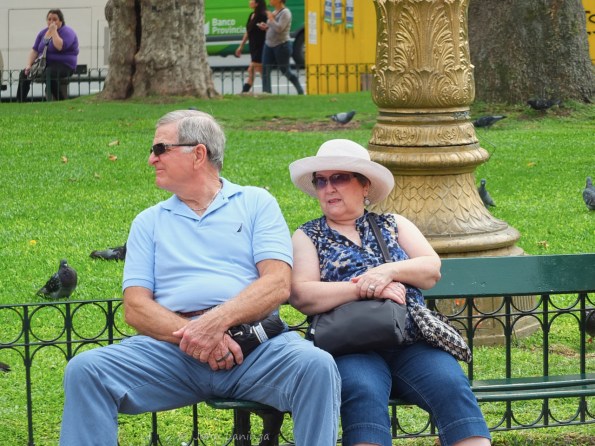
Les and Ida see something to the left
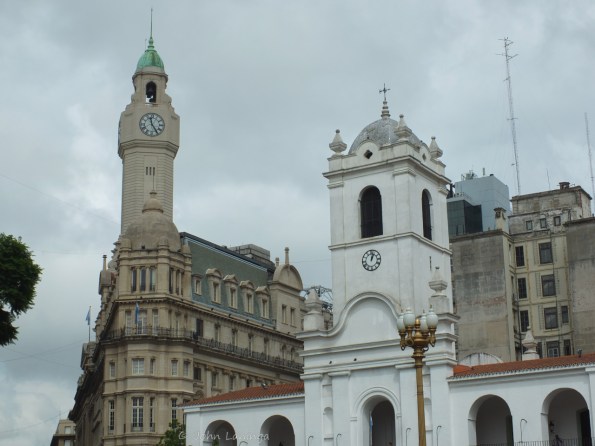
Local church and oivernment buildings
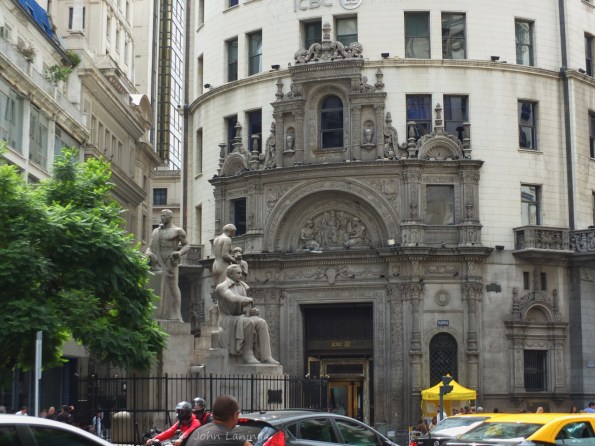
Statue with building facade
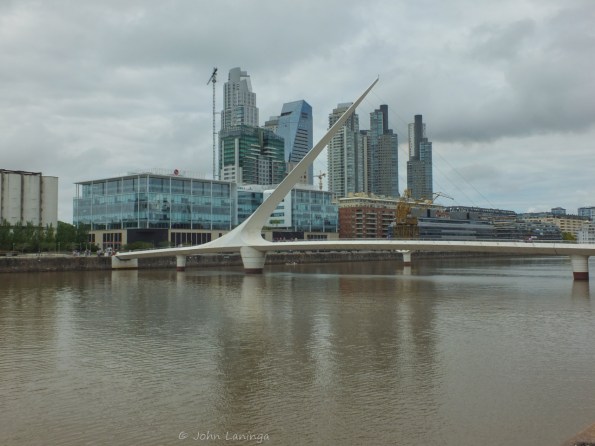
The “Puente de la Mujer” foot bridge
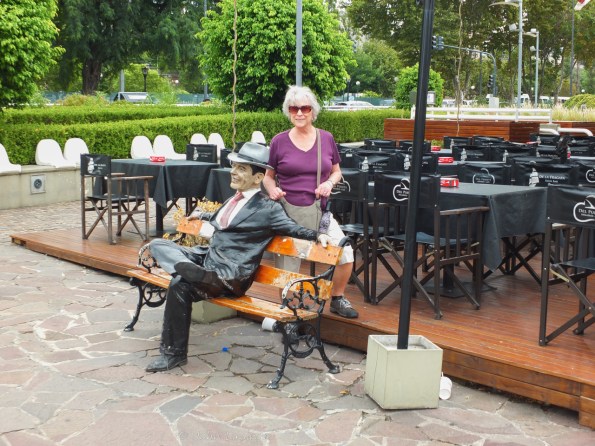
Romola found someone who didn’t talk back
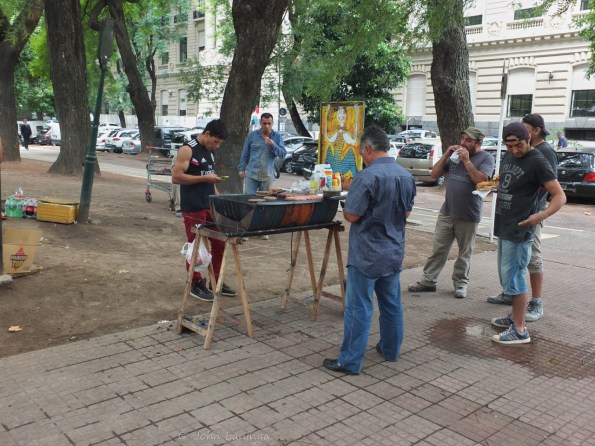
Cooking on the street – with a charcoal grill
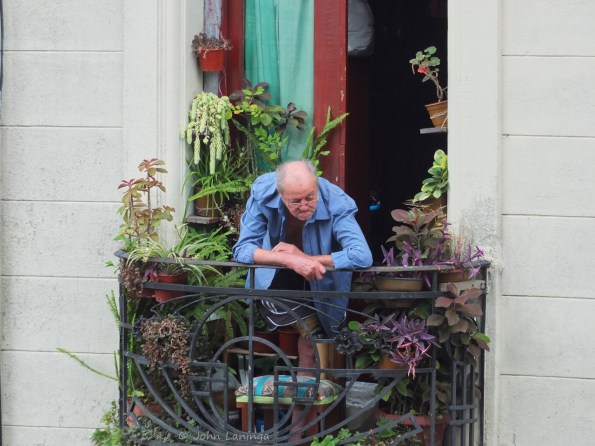
Our “neighbor” across the street
 Laninga's Travel Blog