Archive
Croatia visit
After Venice, our cruise stopped in two Croatian cities:
Split was built as a retirement “home” for the Roman Emperor Diocletian. He was the only Emperor to retire, most were killed in battle or political upheavals. The city was beautifully built using marble, and with continuing restoration and maintenance, it is a magnificent place to visit and stroll through time. Lots of museums and historical exhibits to keep you occupied.
Dubrovnik is called the Pearl of the Adriatic because of the extensive use of marble during its construction. The city walls are said to be Europe’s finest and most complete. A disastrous earthquake in the 1600’s caused extensive damage but the city has been rebuilt as much as possible. Historical remnants, such as the original foundry, are still being found and excavated.
The Azamara cruise line arranged for a magnificent concert by Croatia’s most famous cellist, Ana Rucner. She did a fabulous and most energetic concert in the middle of old town Dubrovnik. Most enjoyable.
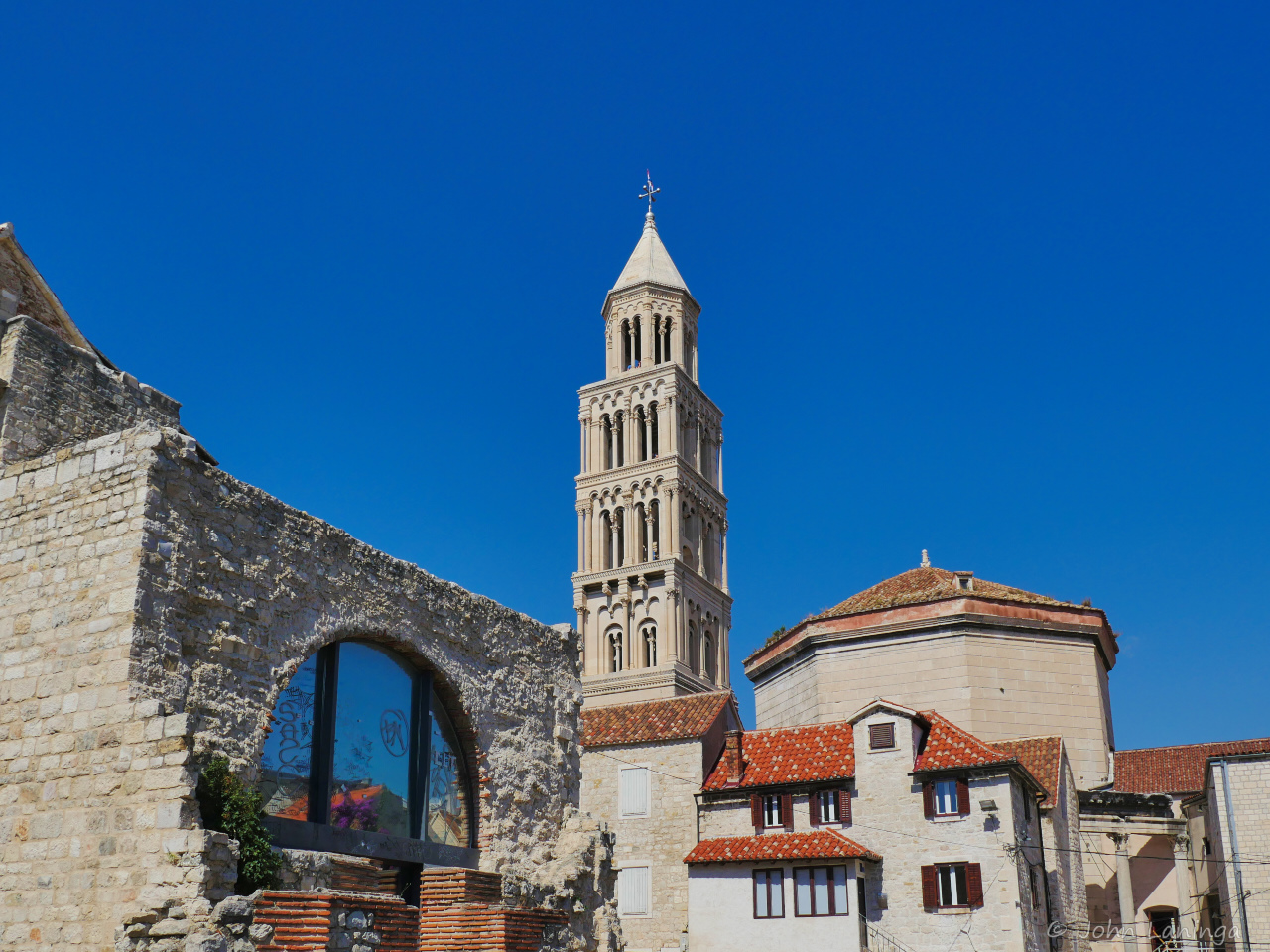
Church tower
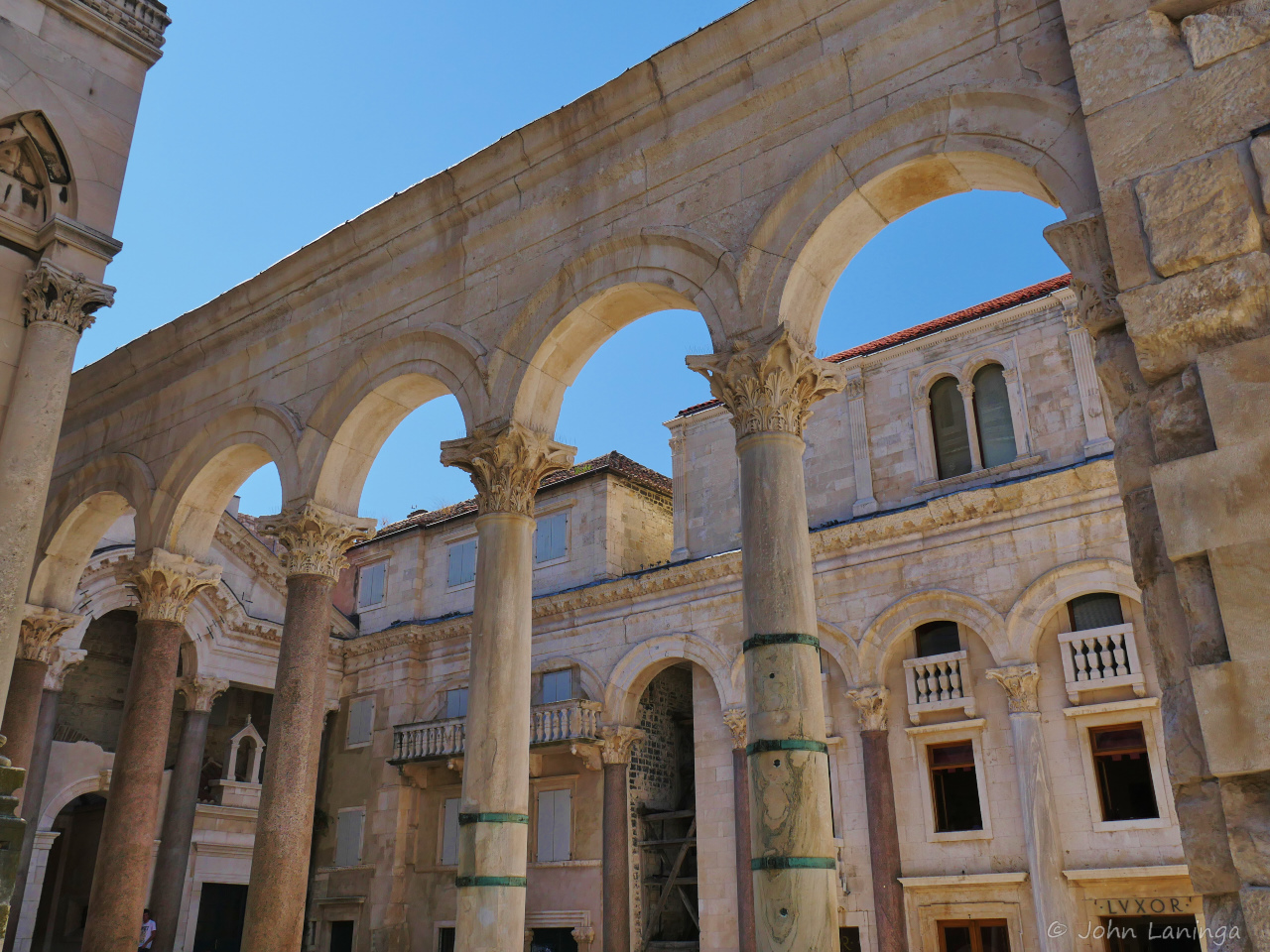
Emperor Diocletian used many colors from around his empire for his pillars
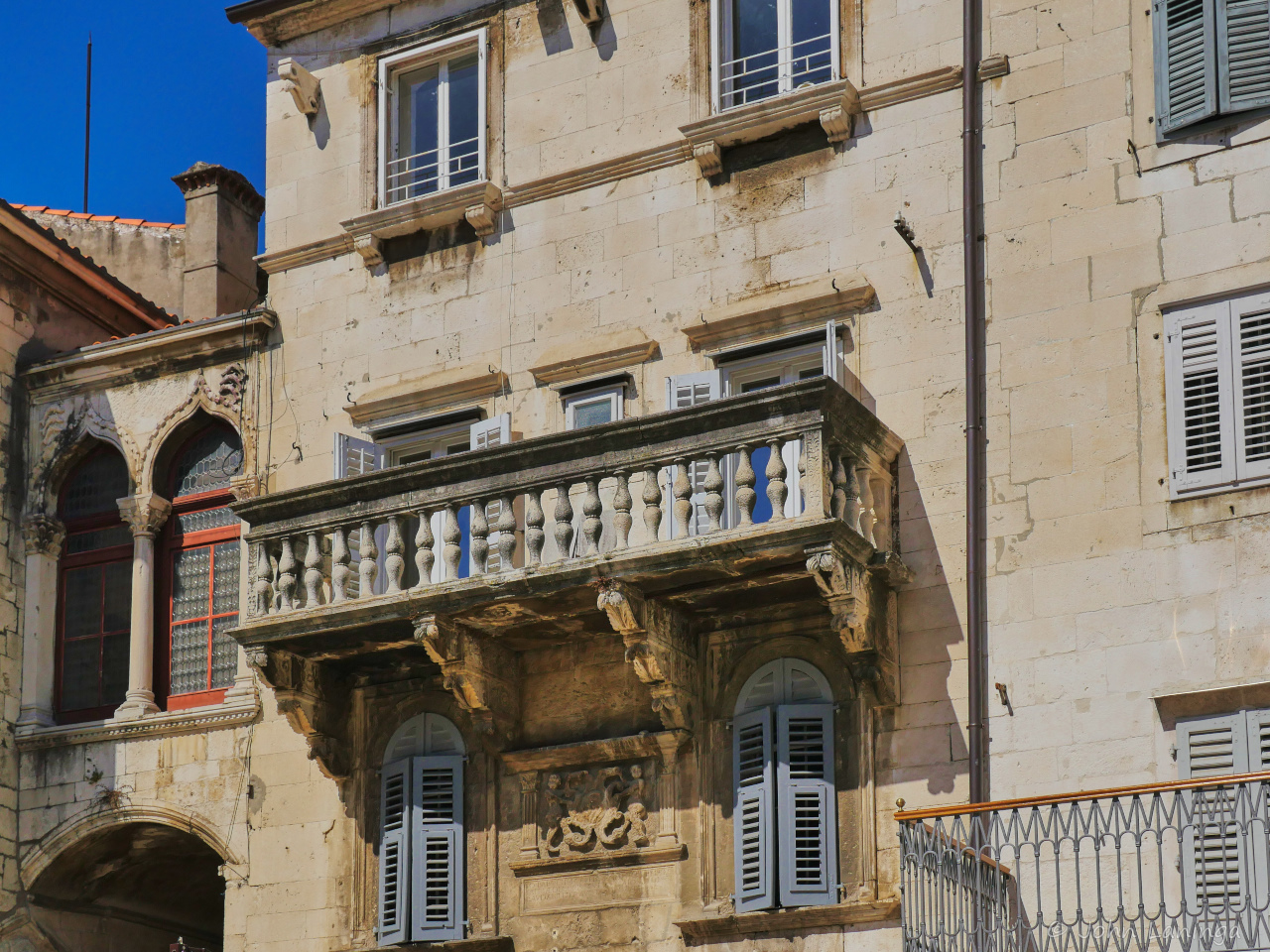
Classical Venician style
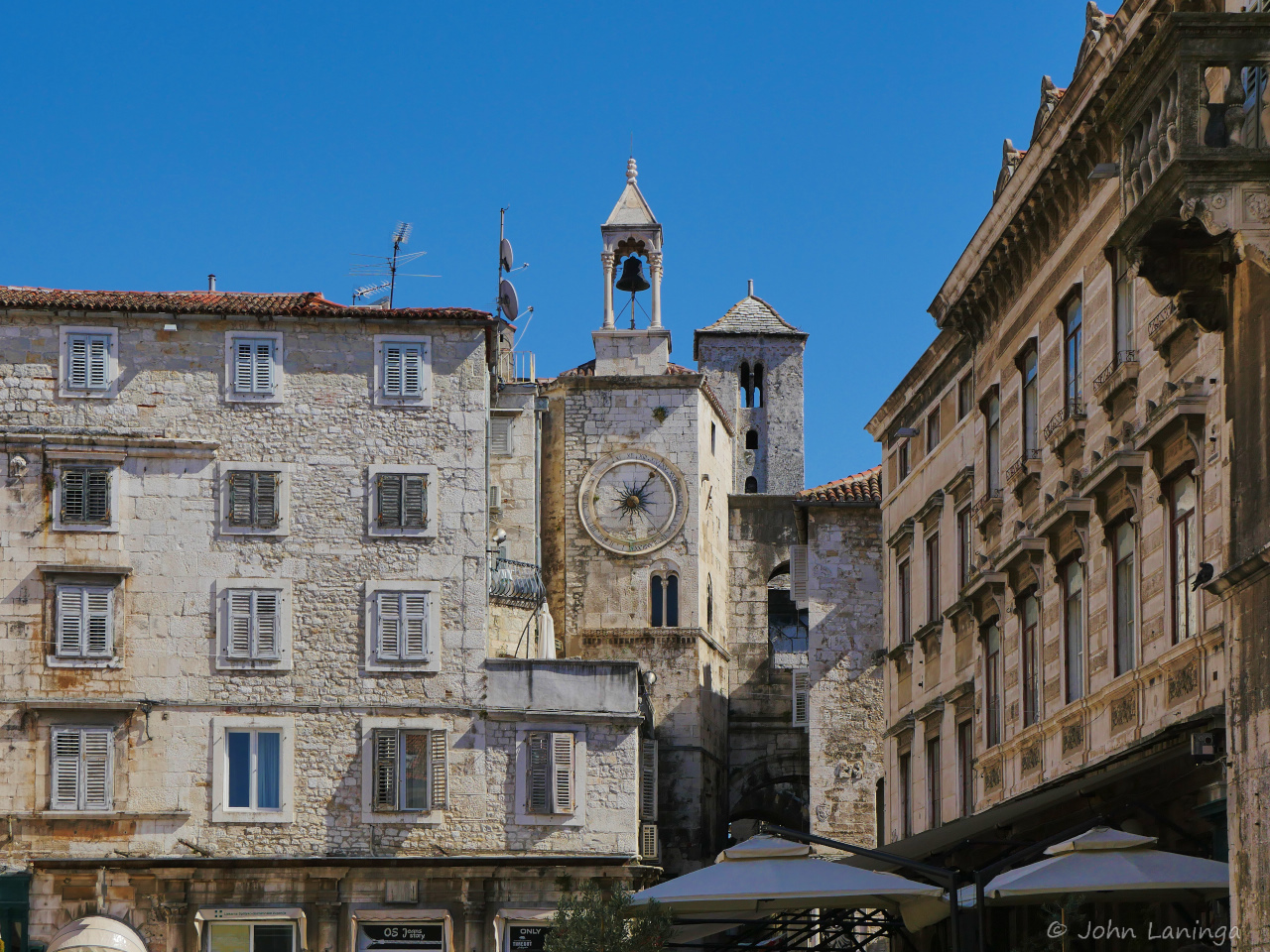
Clock tower on the square
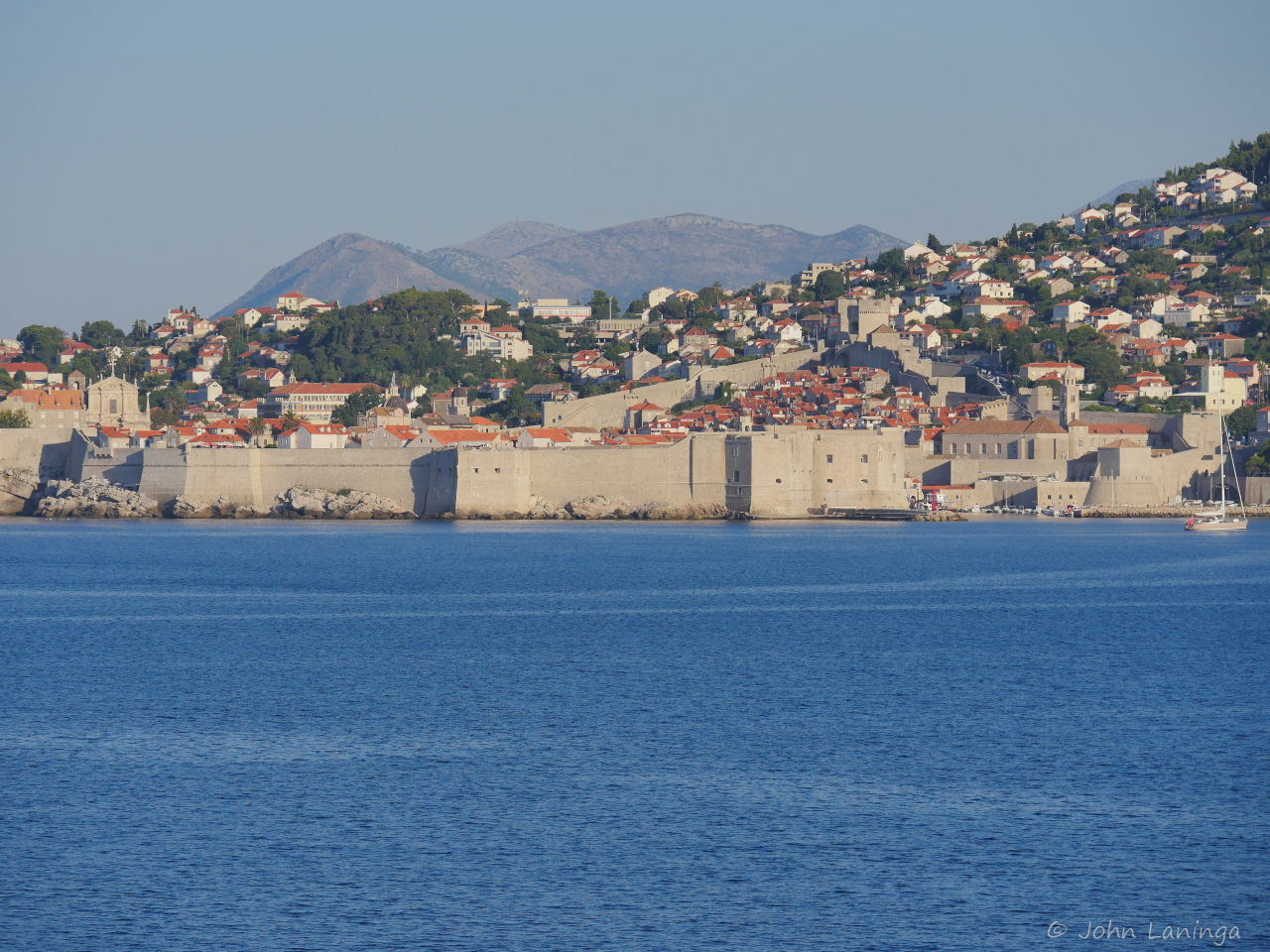
Approaching Dubrovnik, walls visible
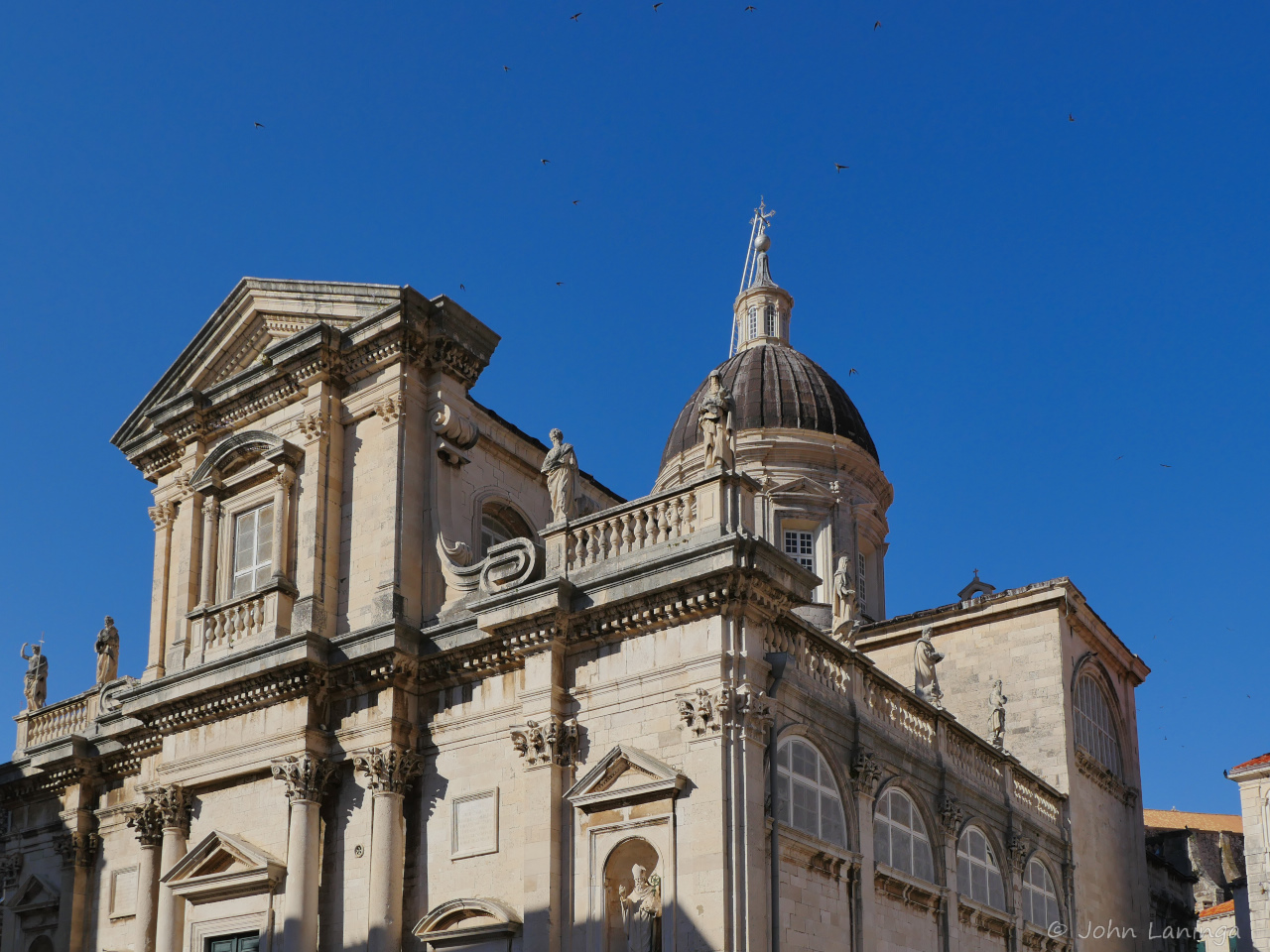
Rector’s Palace
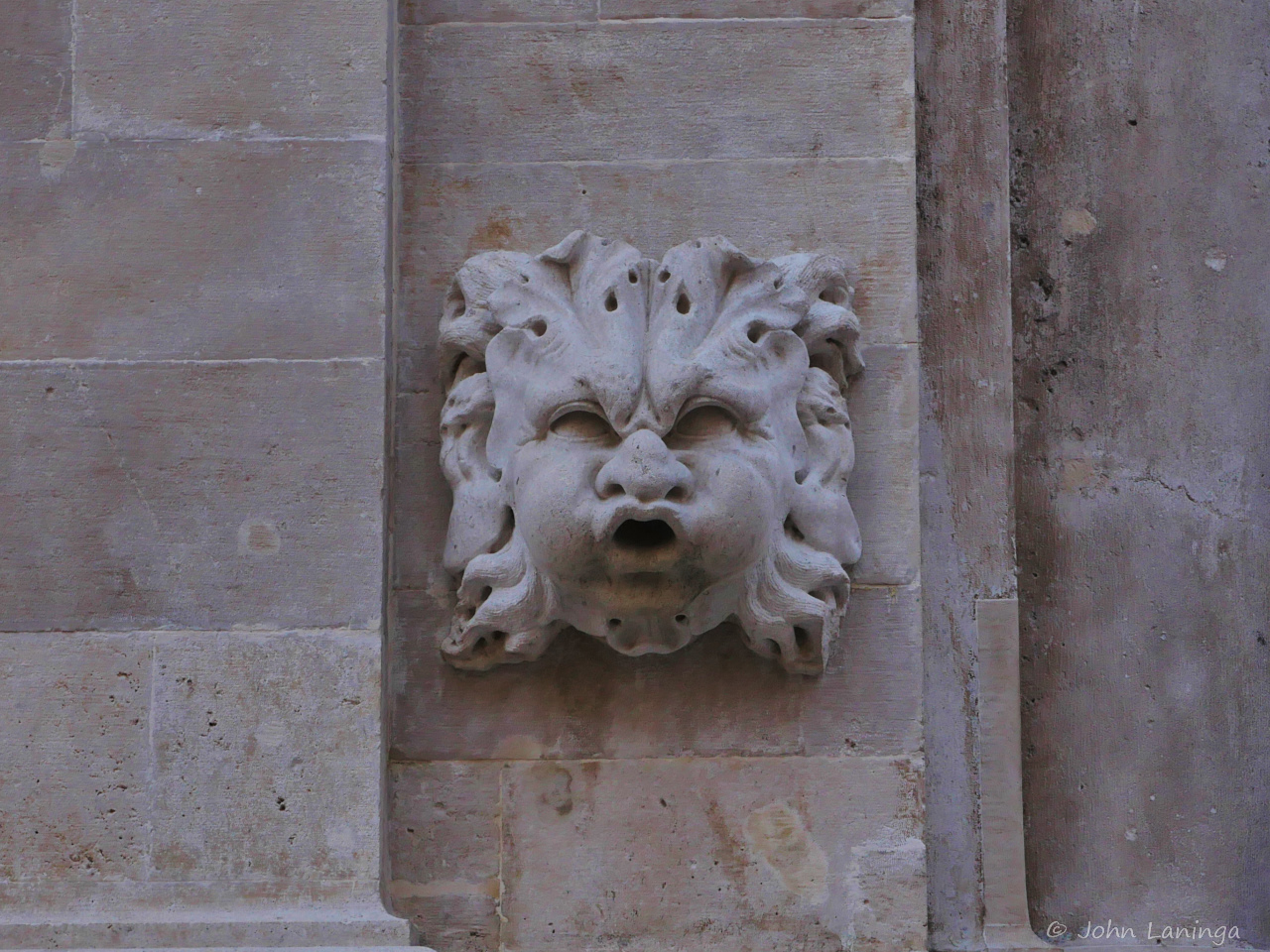
Guess they didn’t like drain spouts, which this is
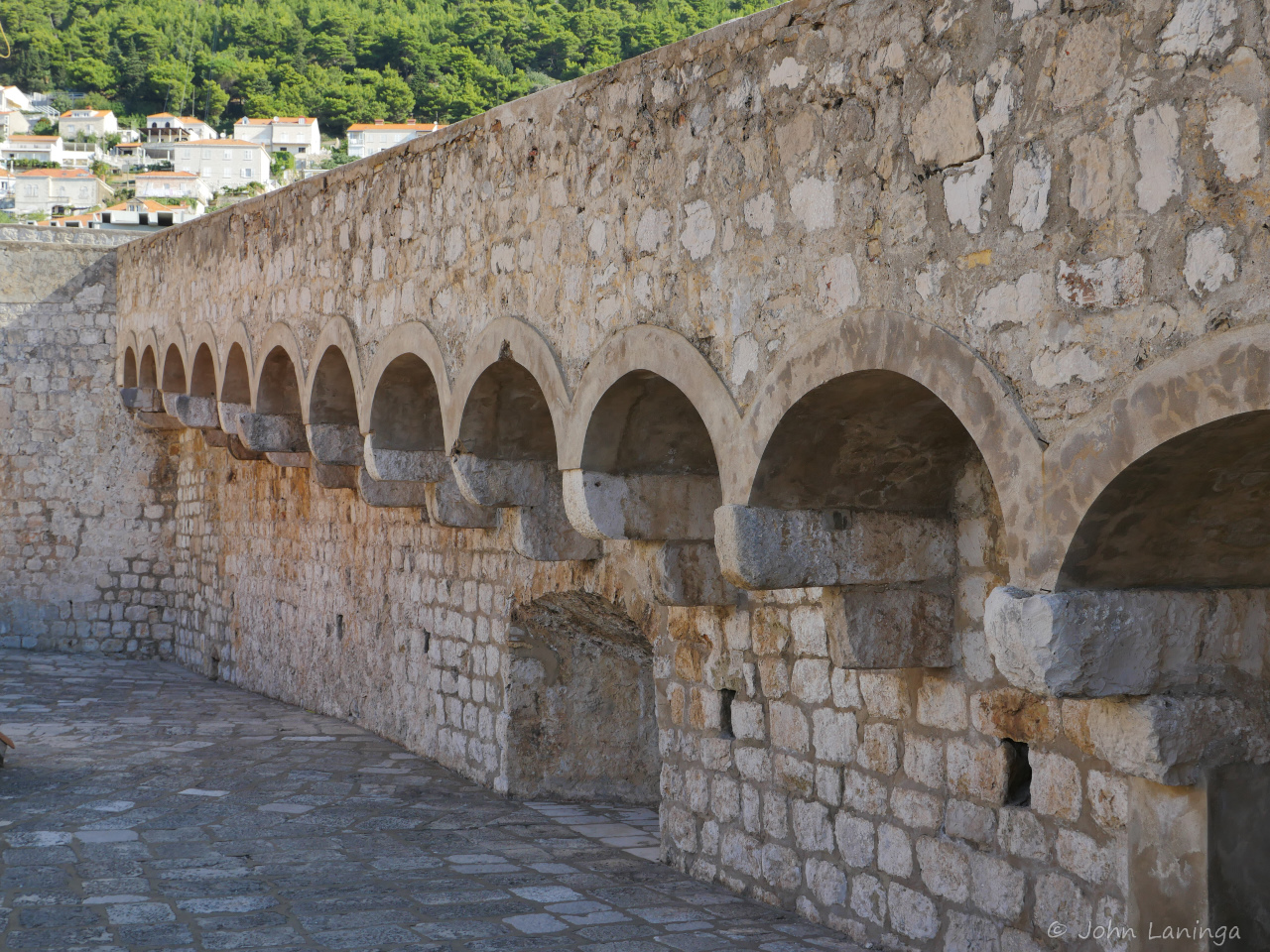
The wall supports style looks like Roman viaducts
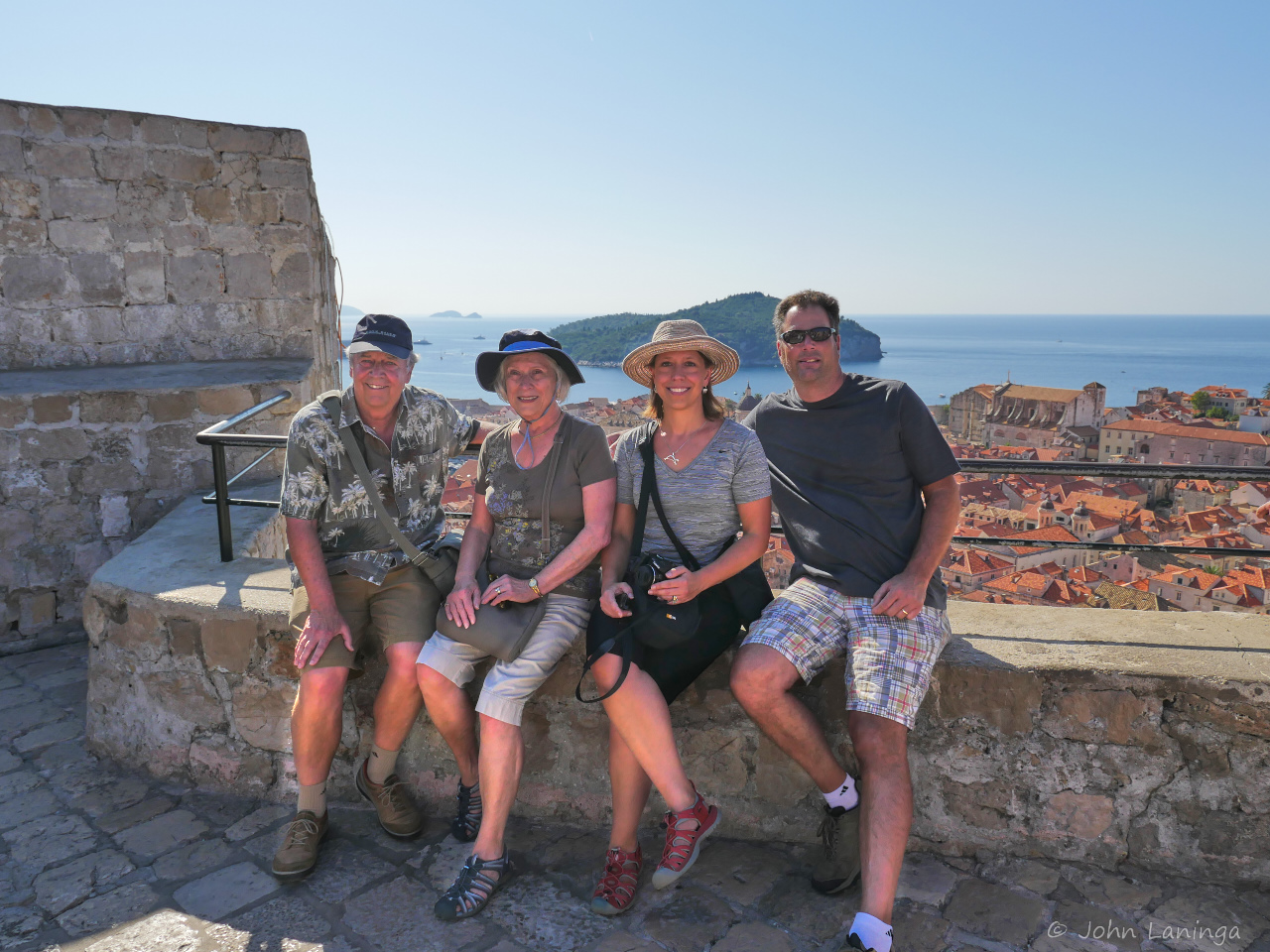
Enjoying a short rest on the wall
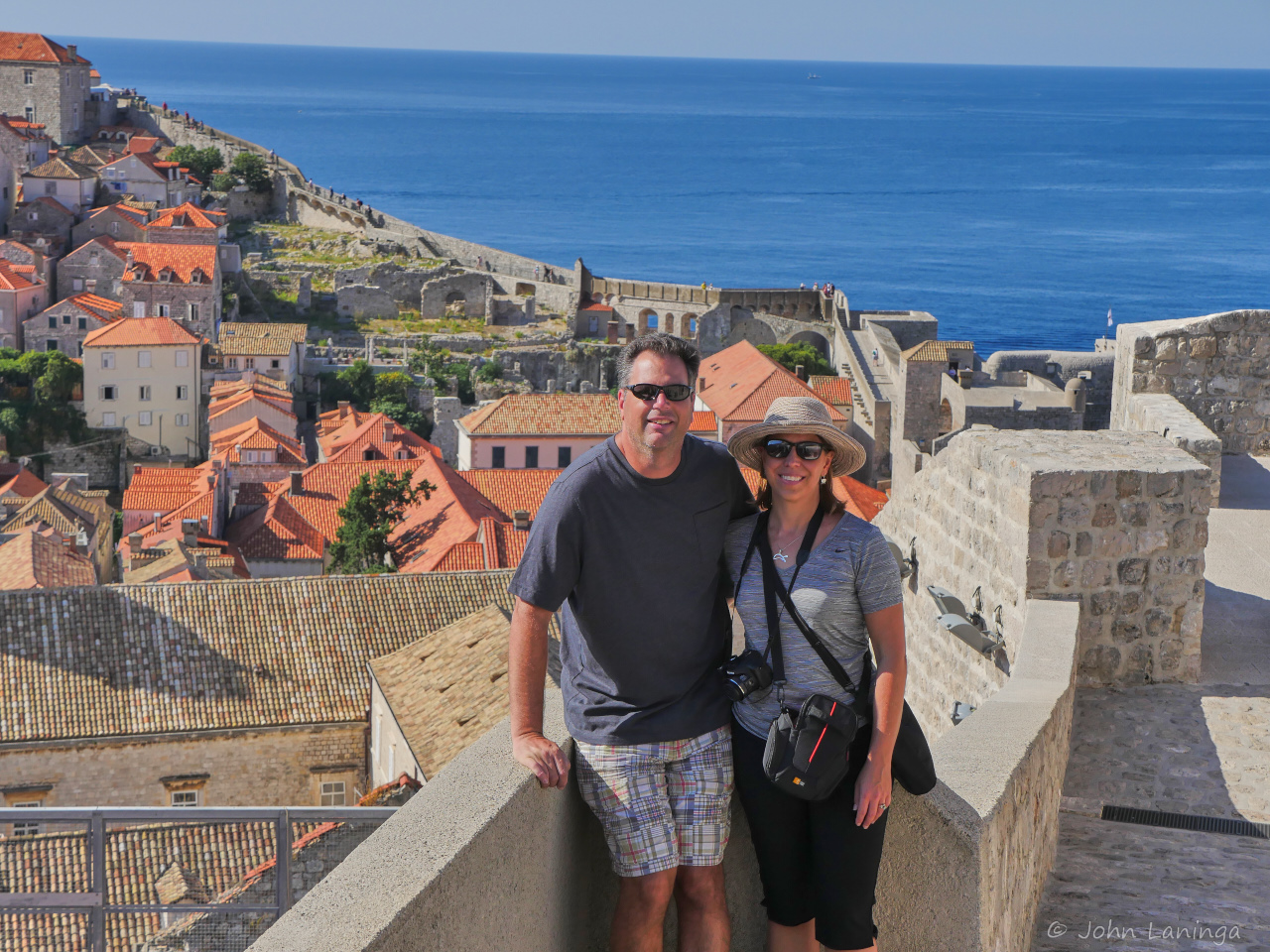
Tanya and Shane on the wall
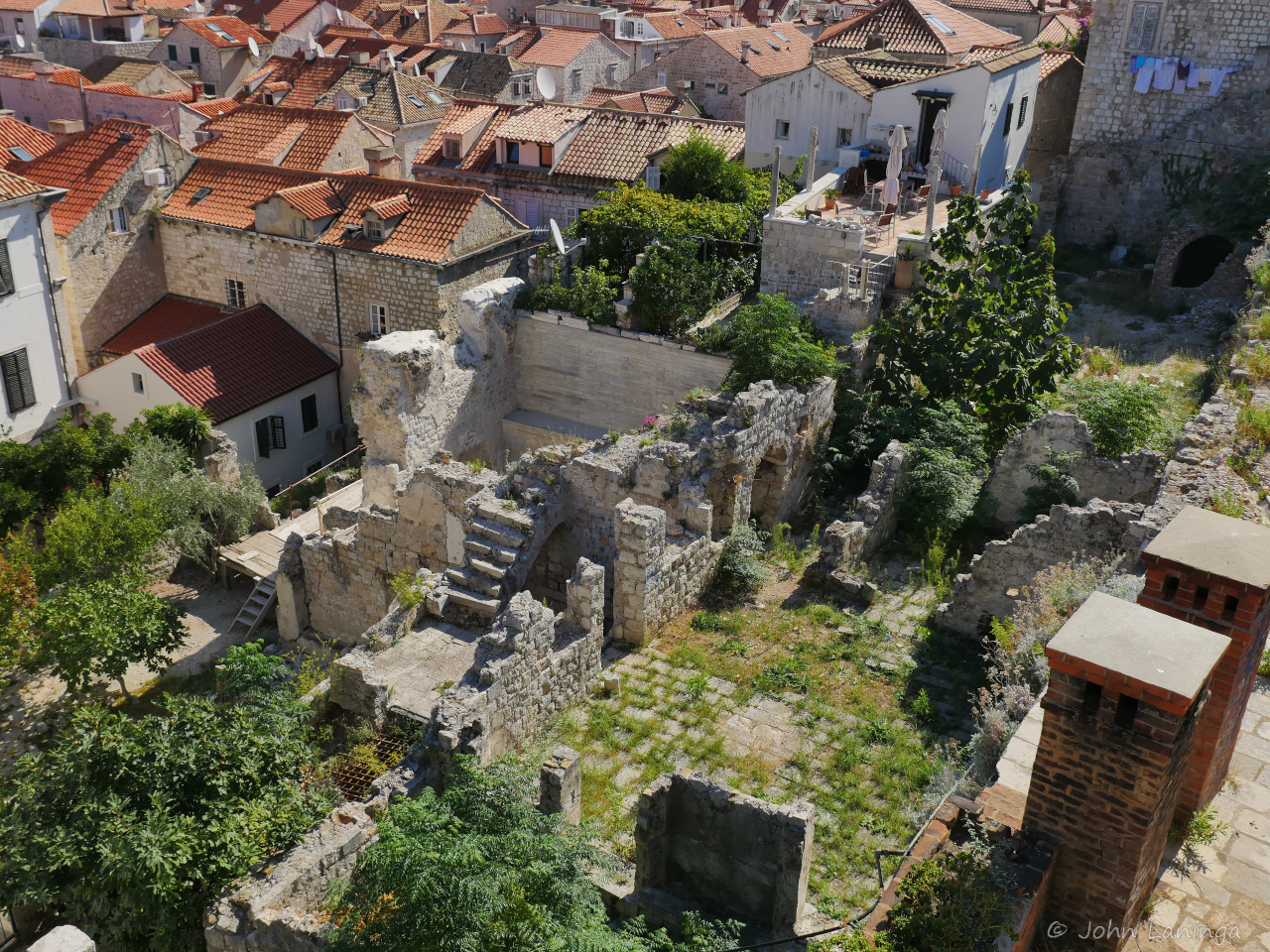
Some parts are still waiting for restoration
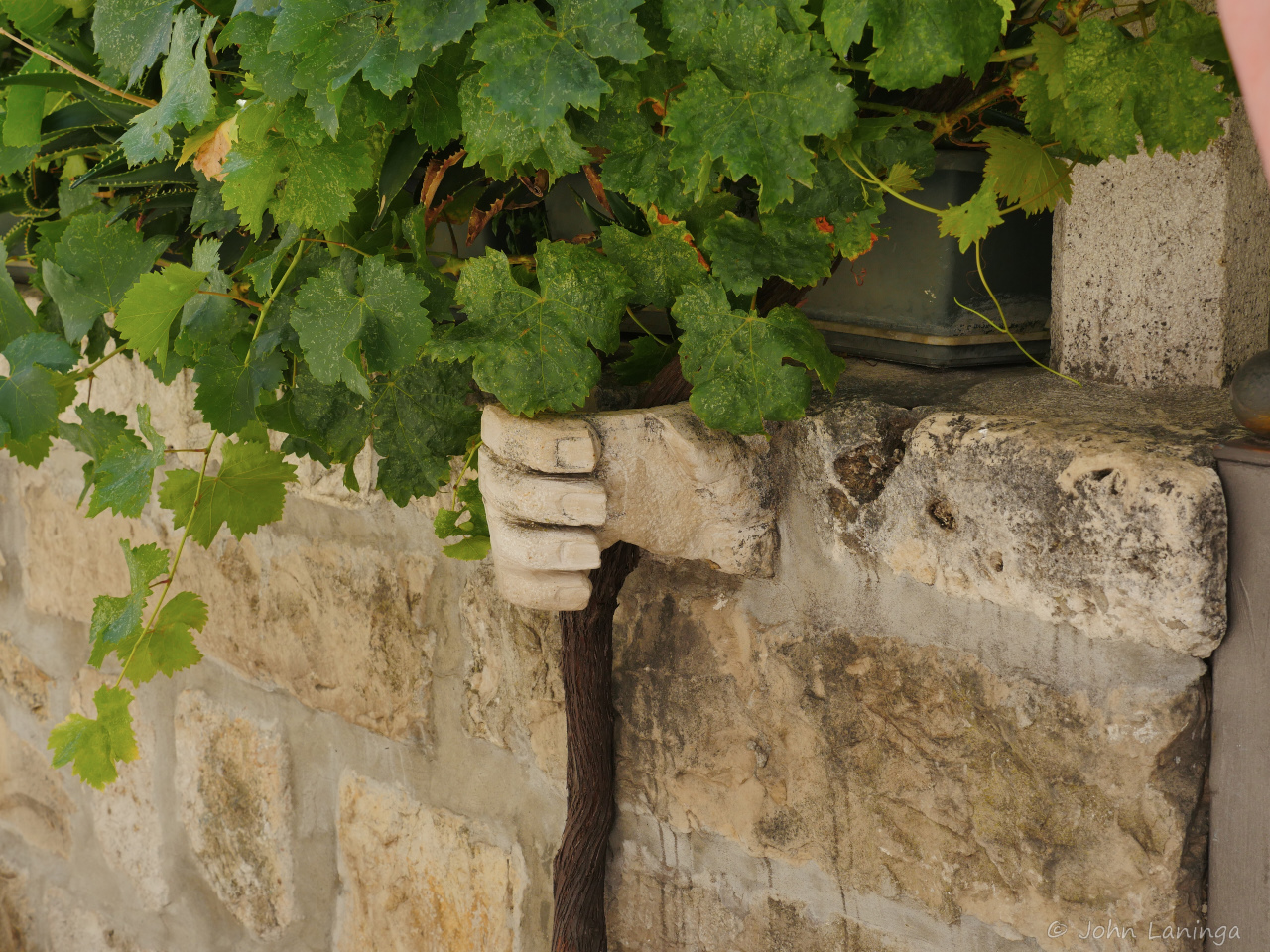
Hands holding a grape vine
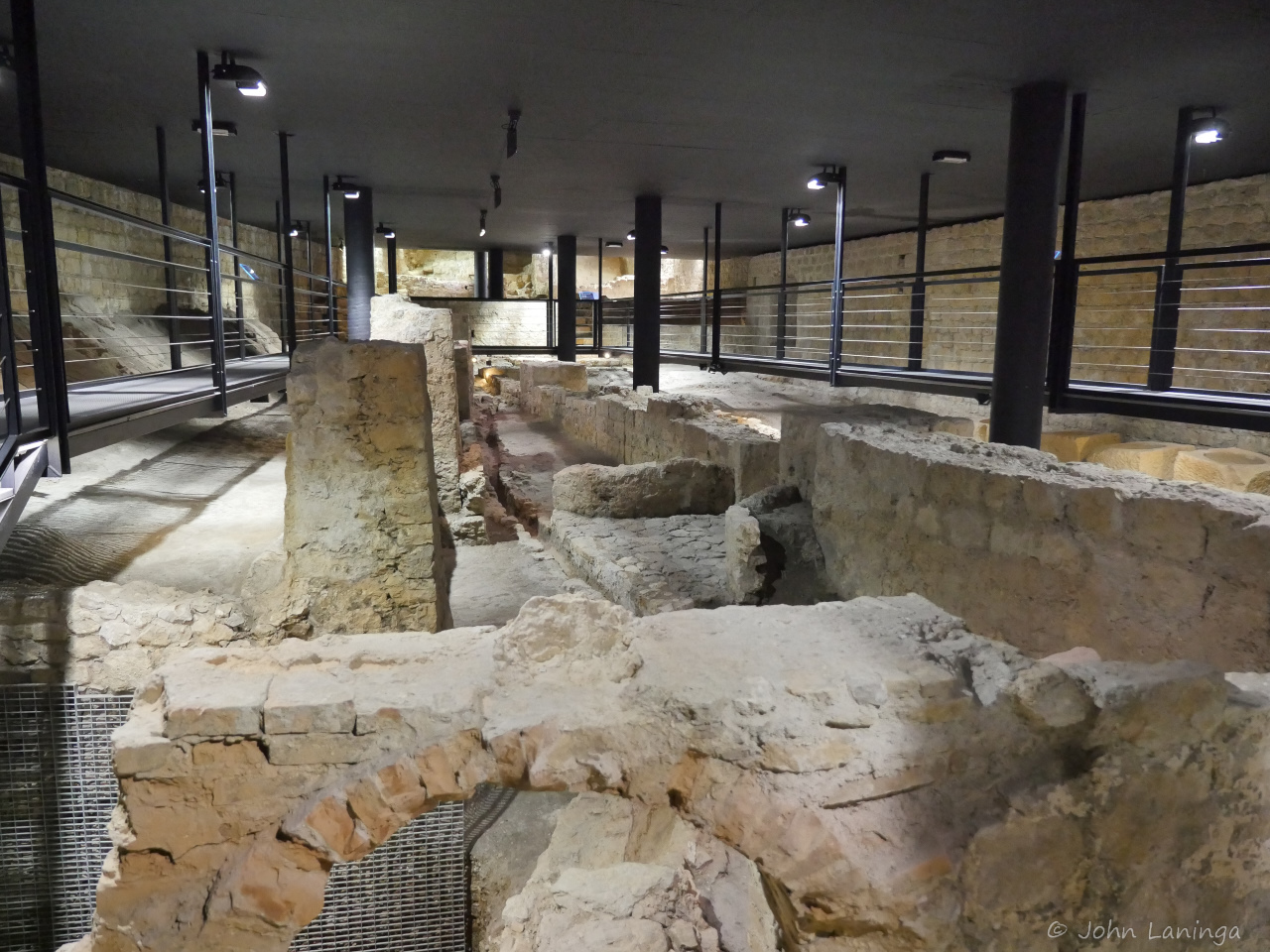
Inside the recently discovered and excavated foundry
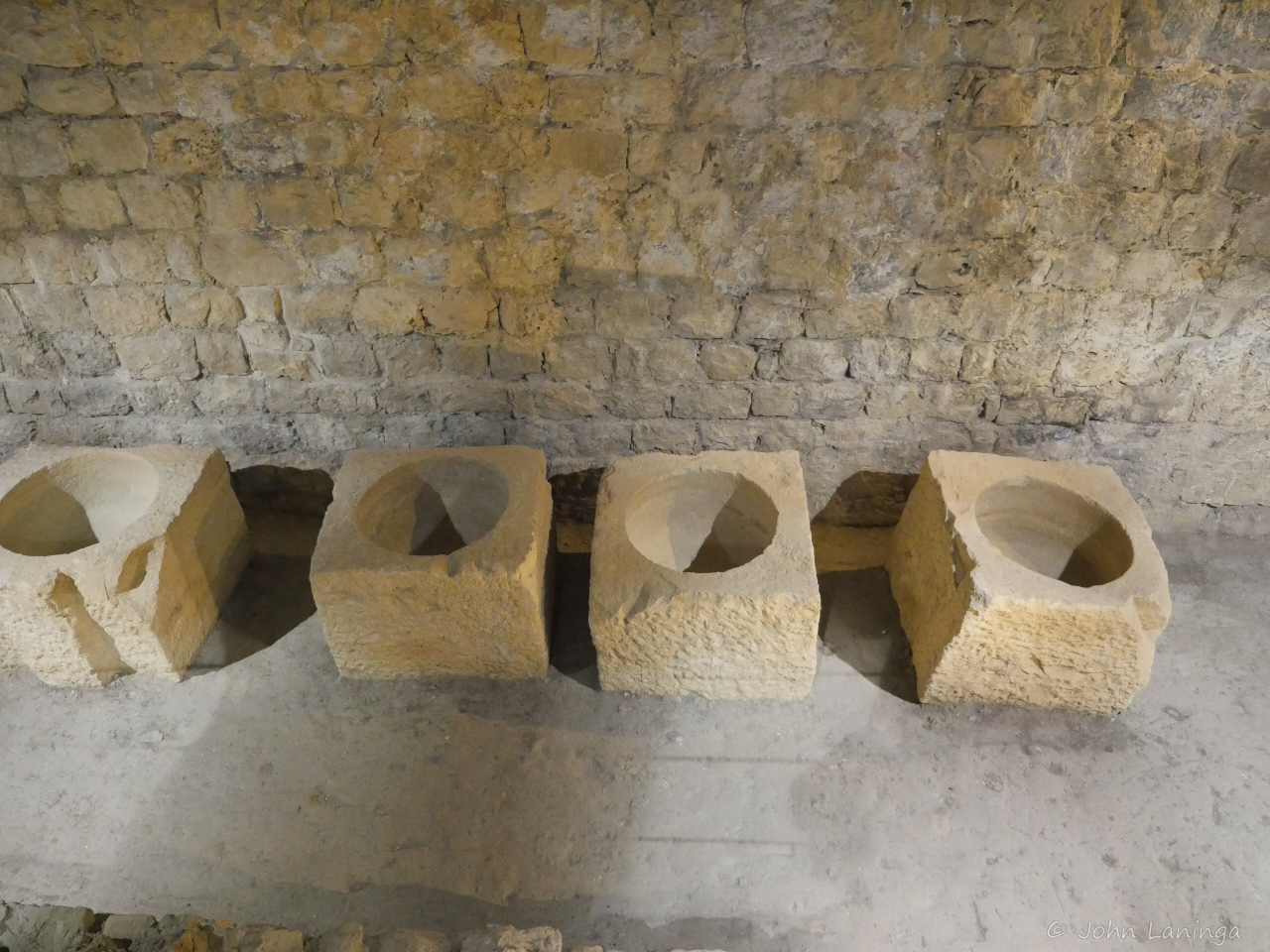
Cannonball molds inside the foundry
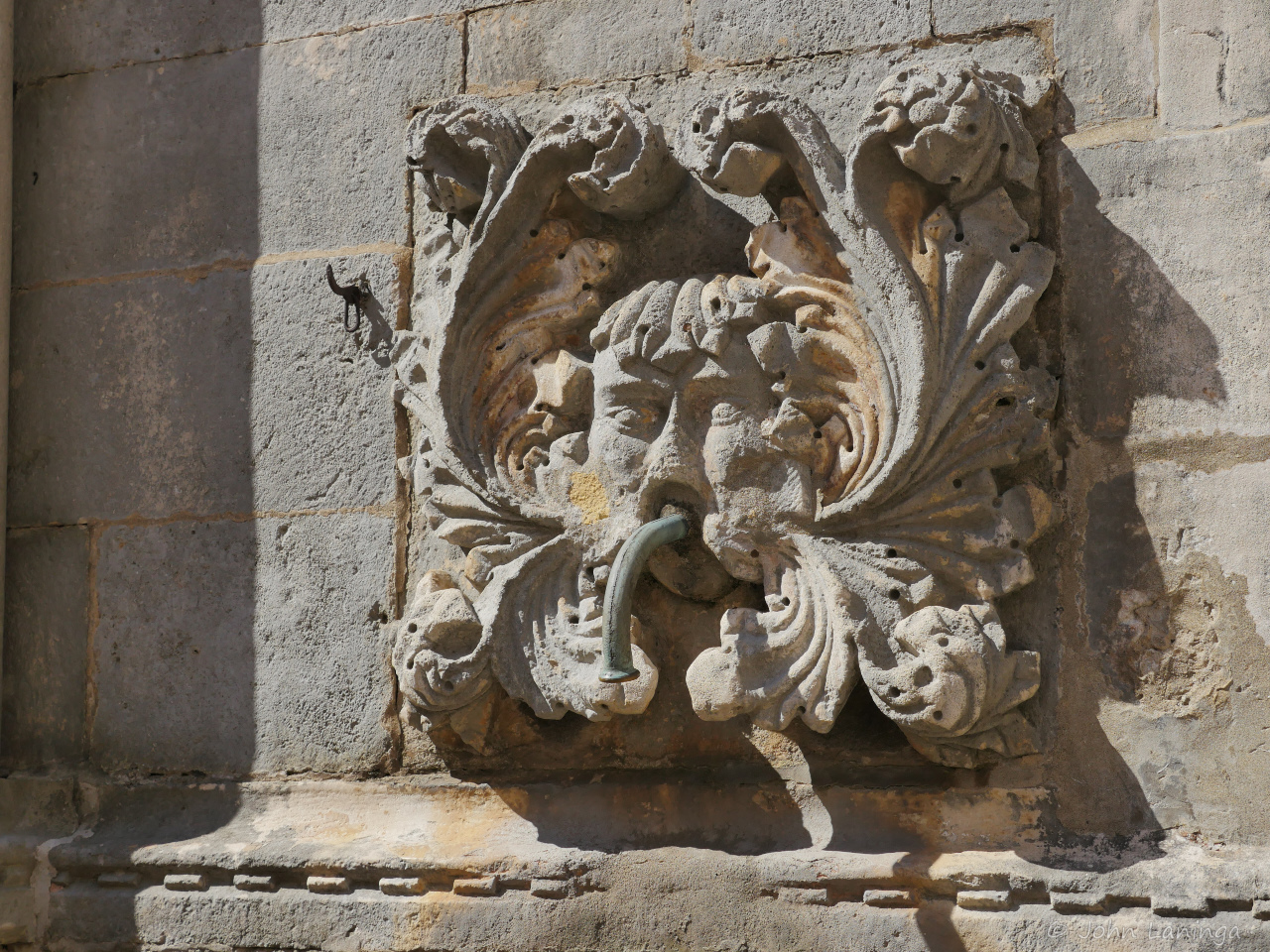
Water spout at the Onofrio fountain
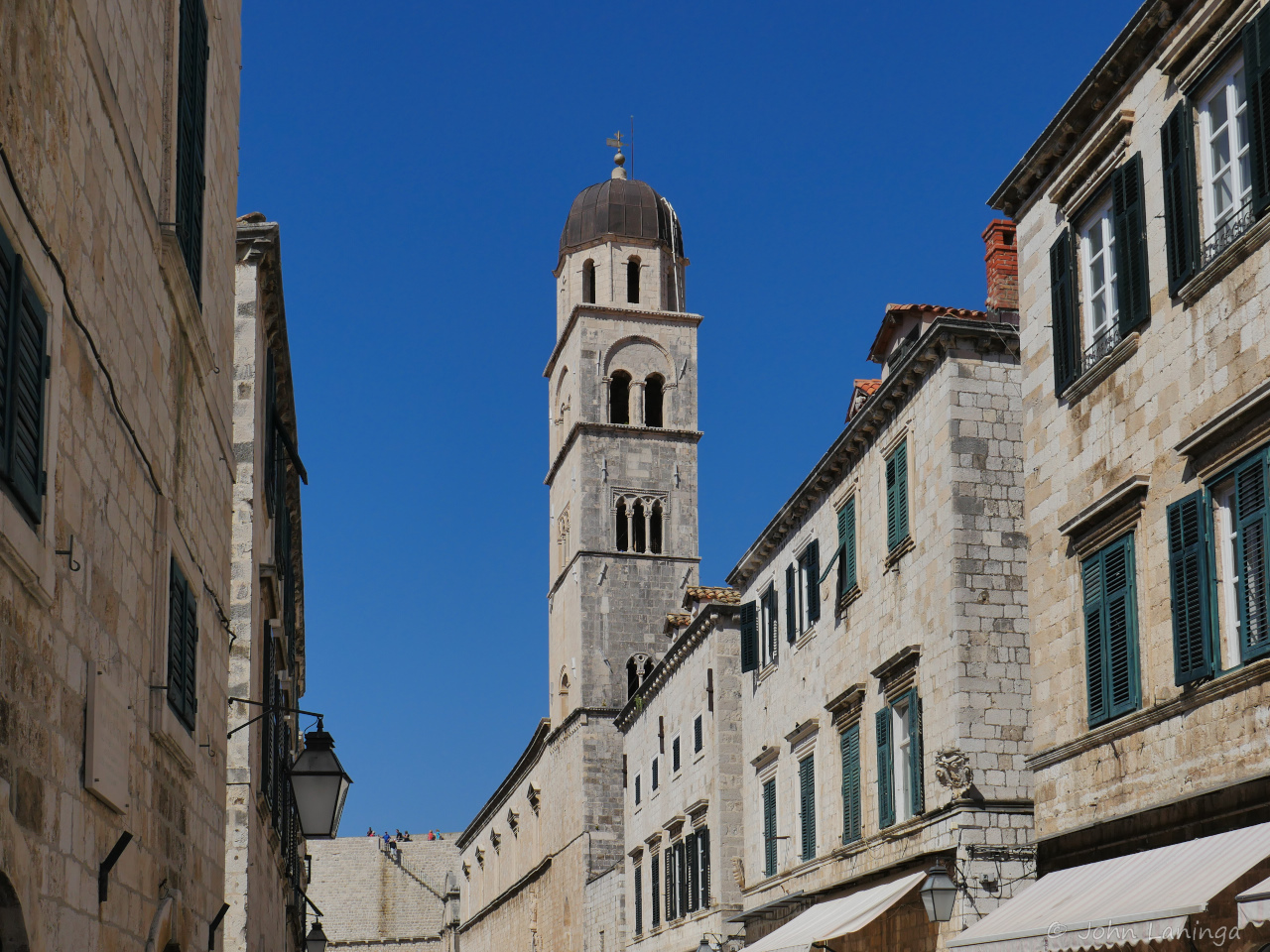
Dubrovnik main tower
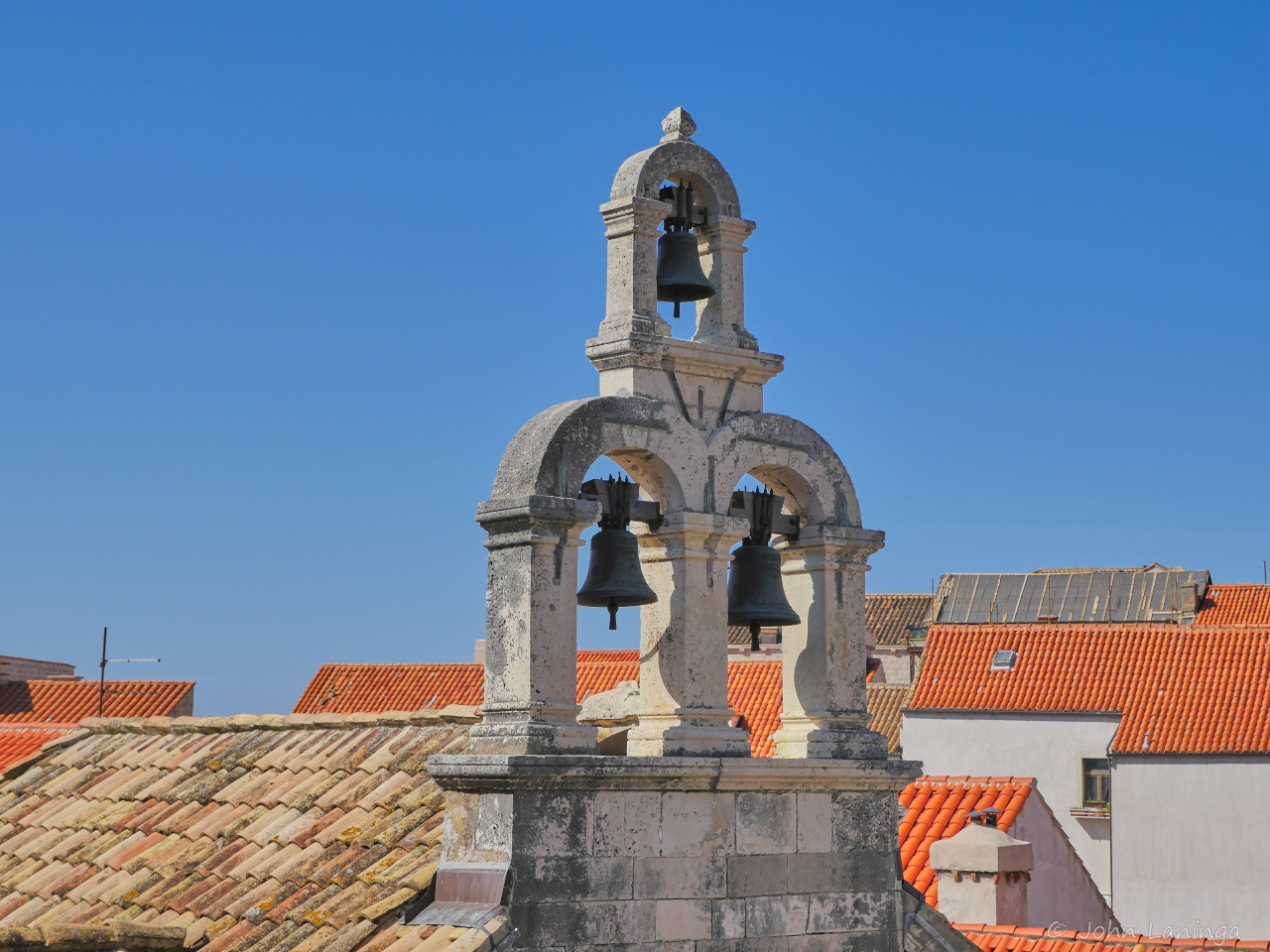
Classical Venetian three bells
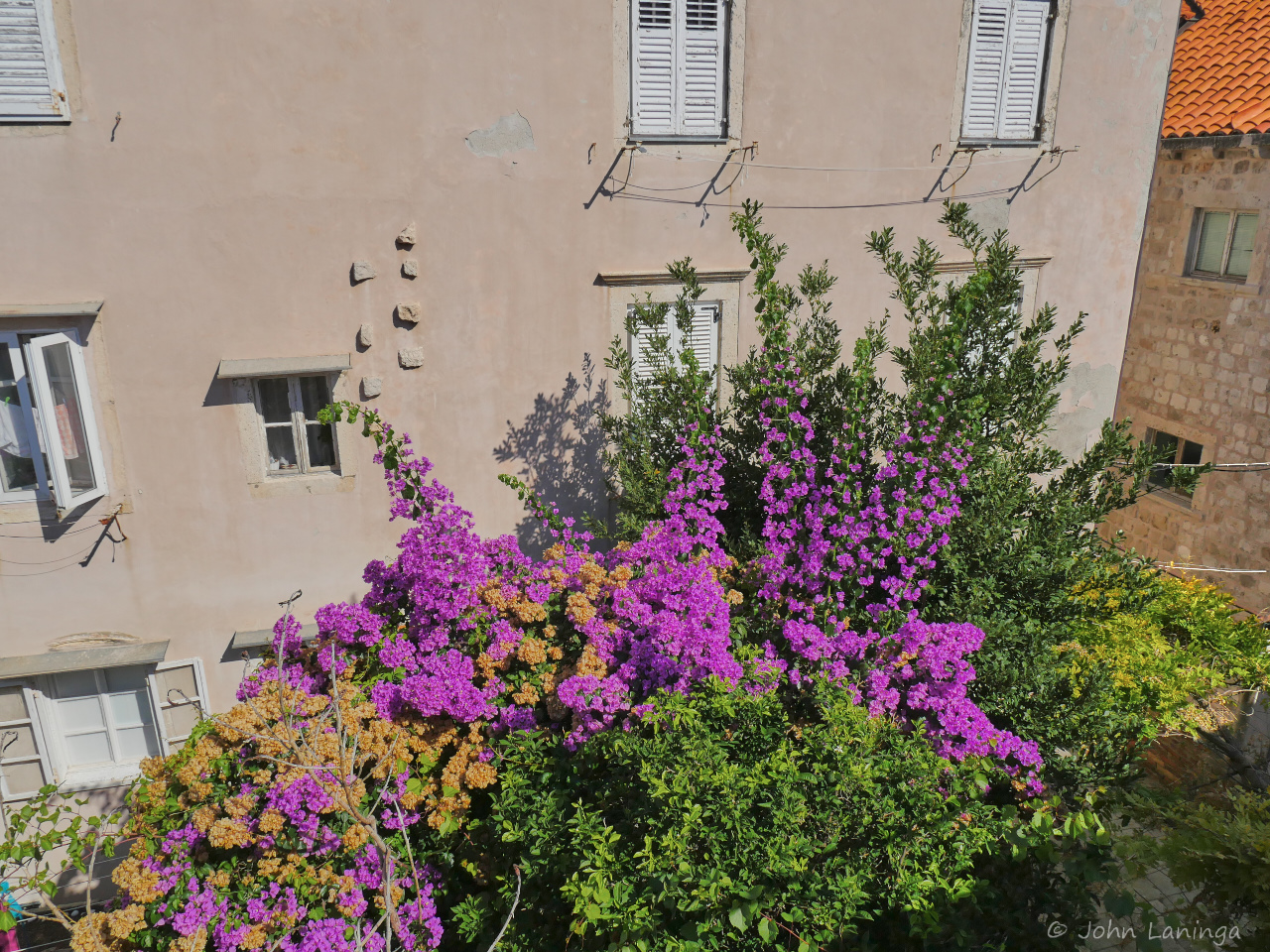
Colorful flowers against stone wall
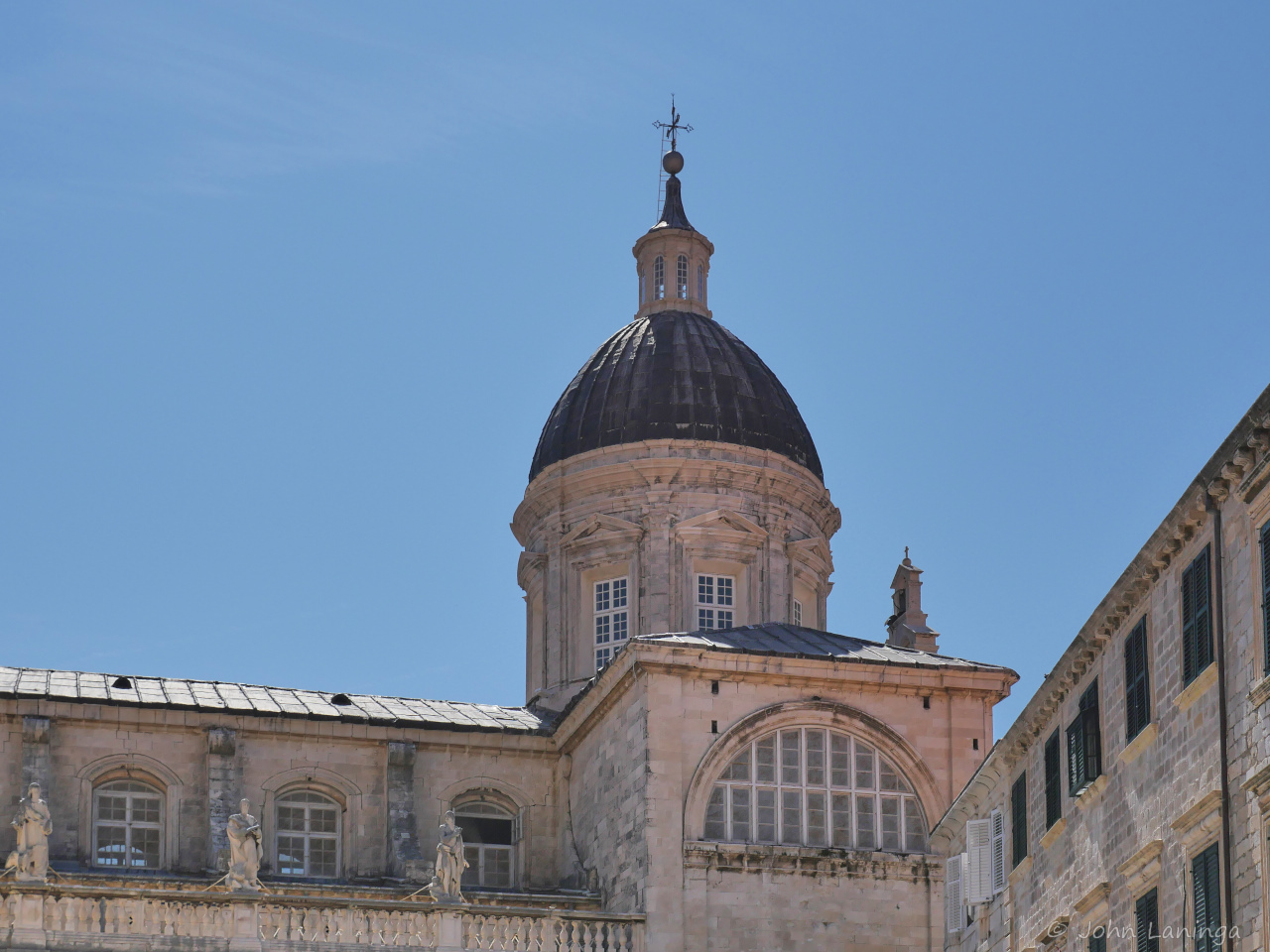
Church tower
Venice, Italy
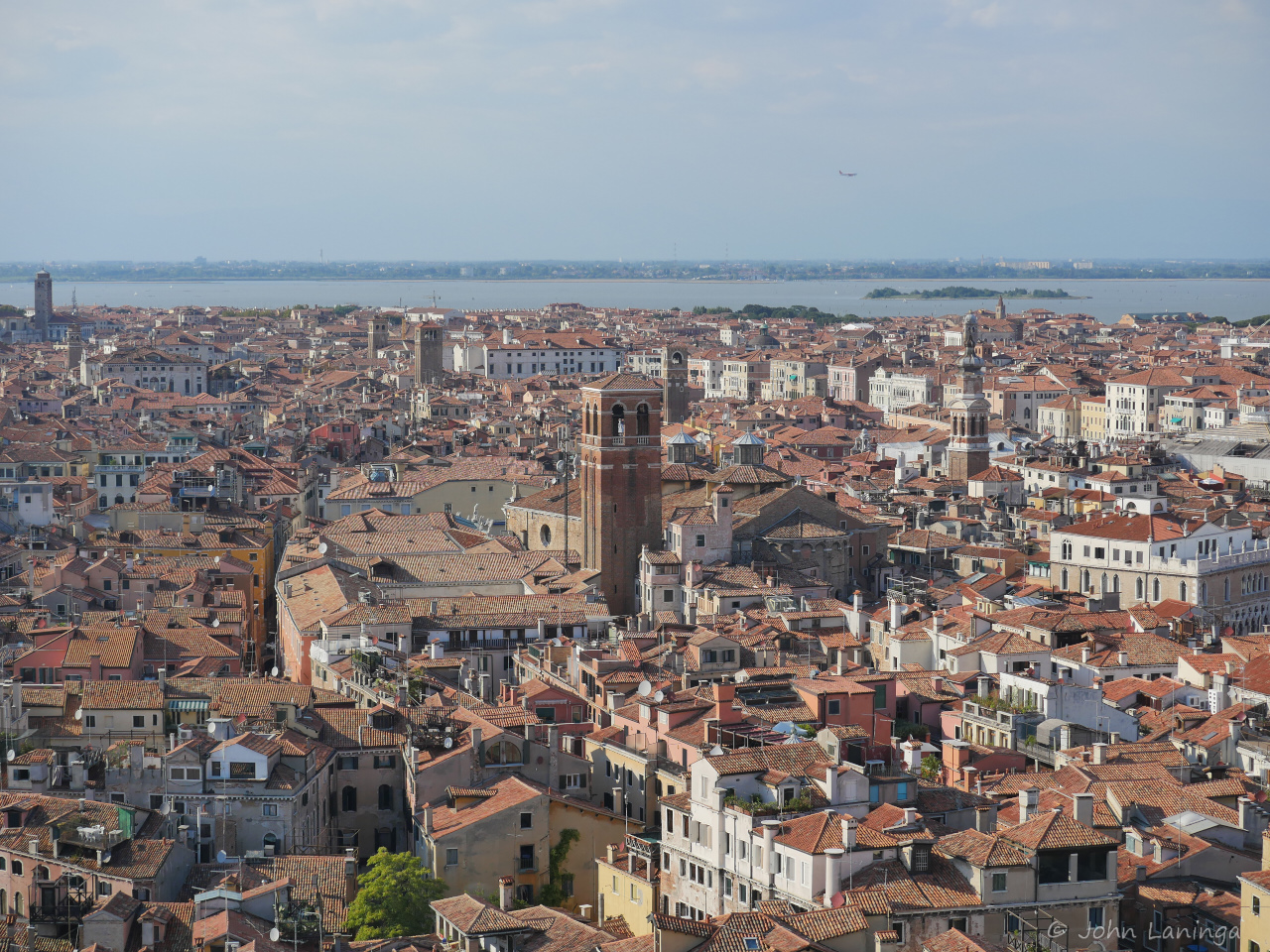
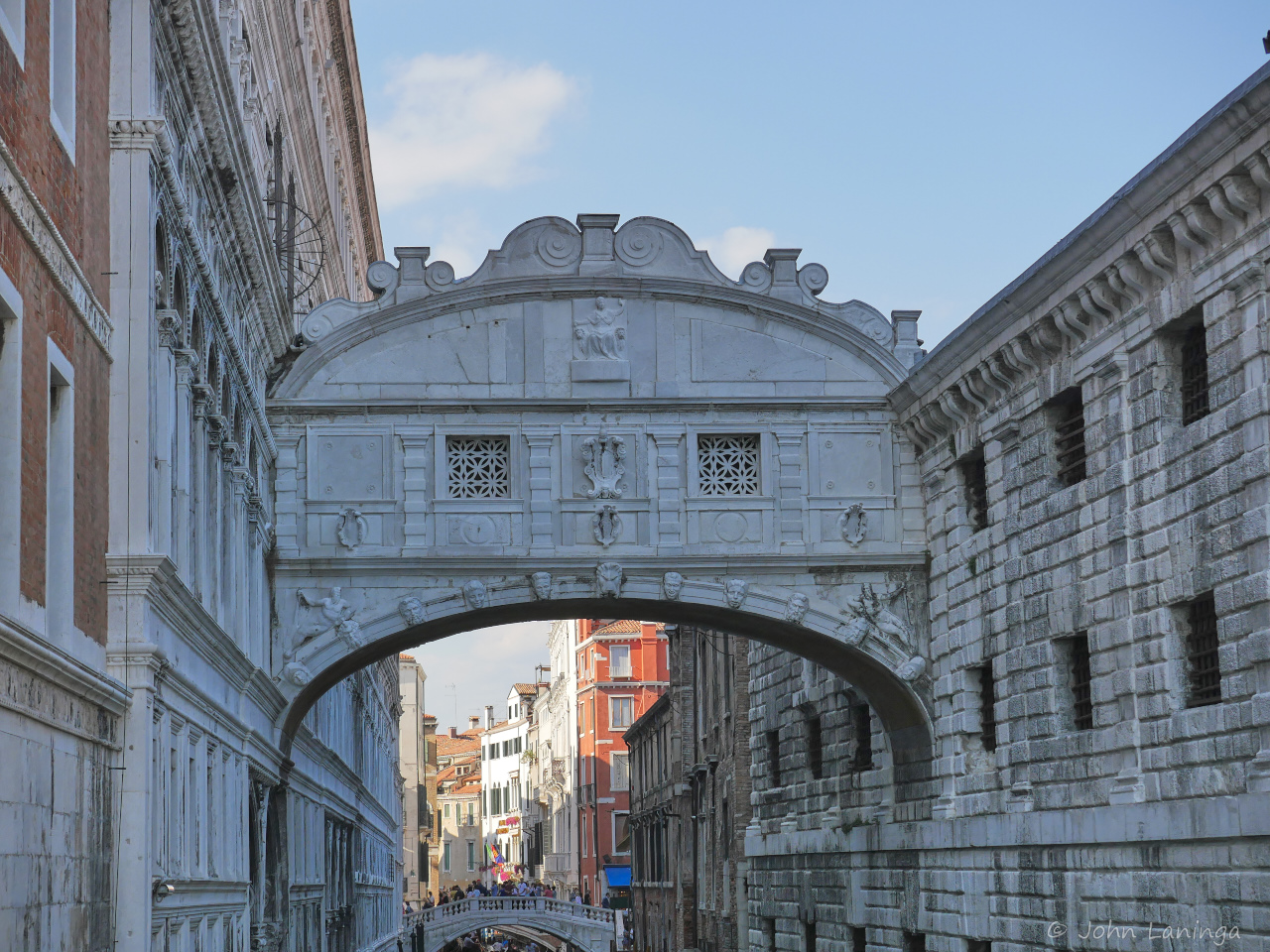
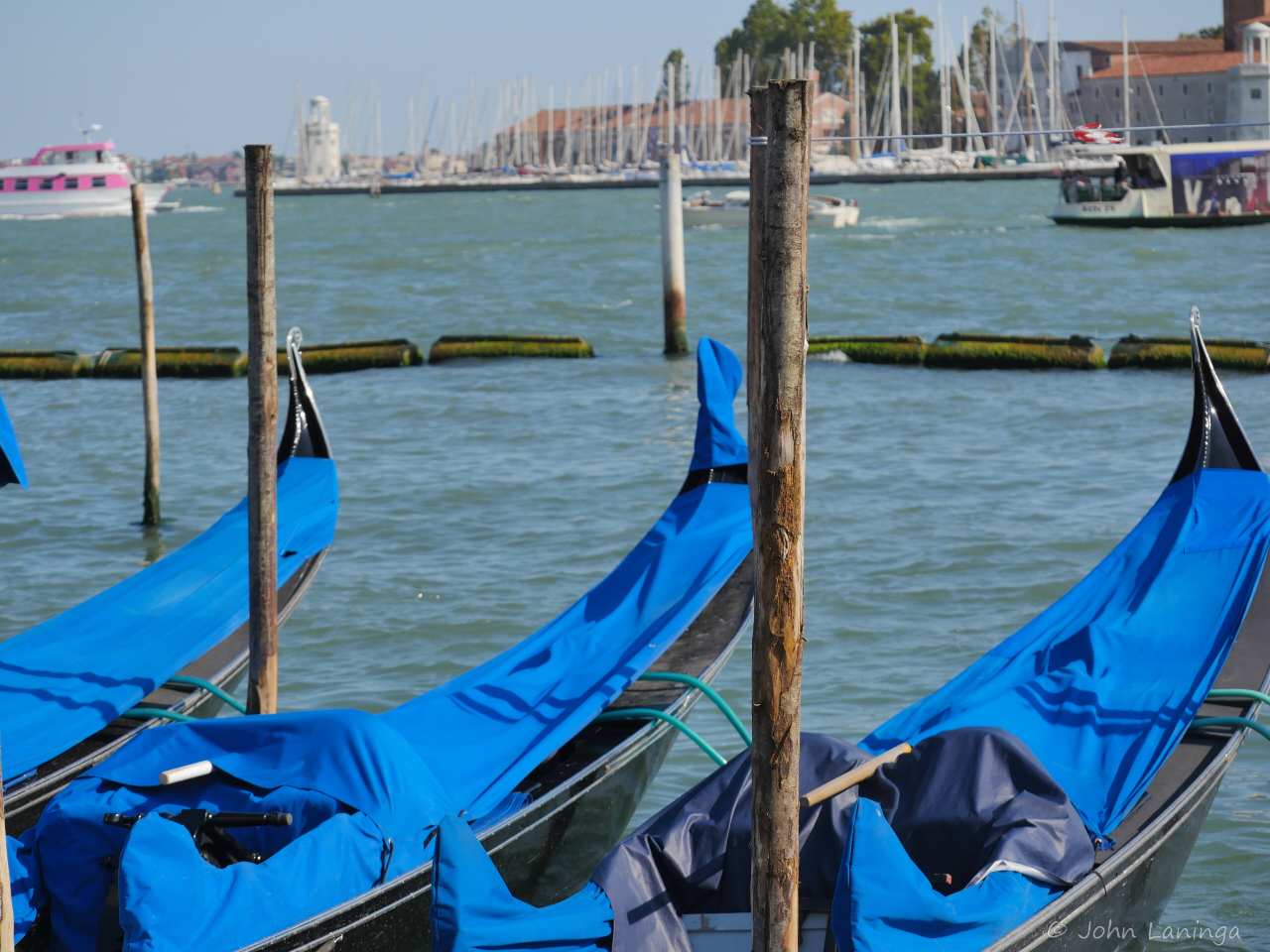
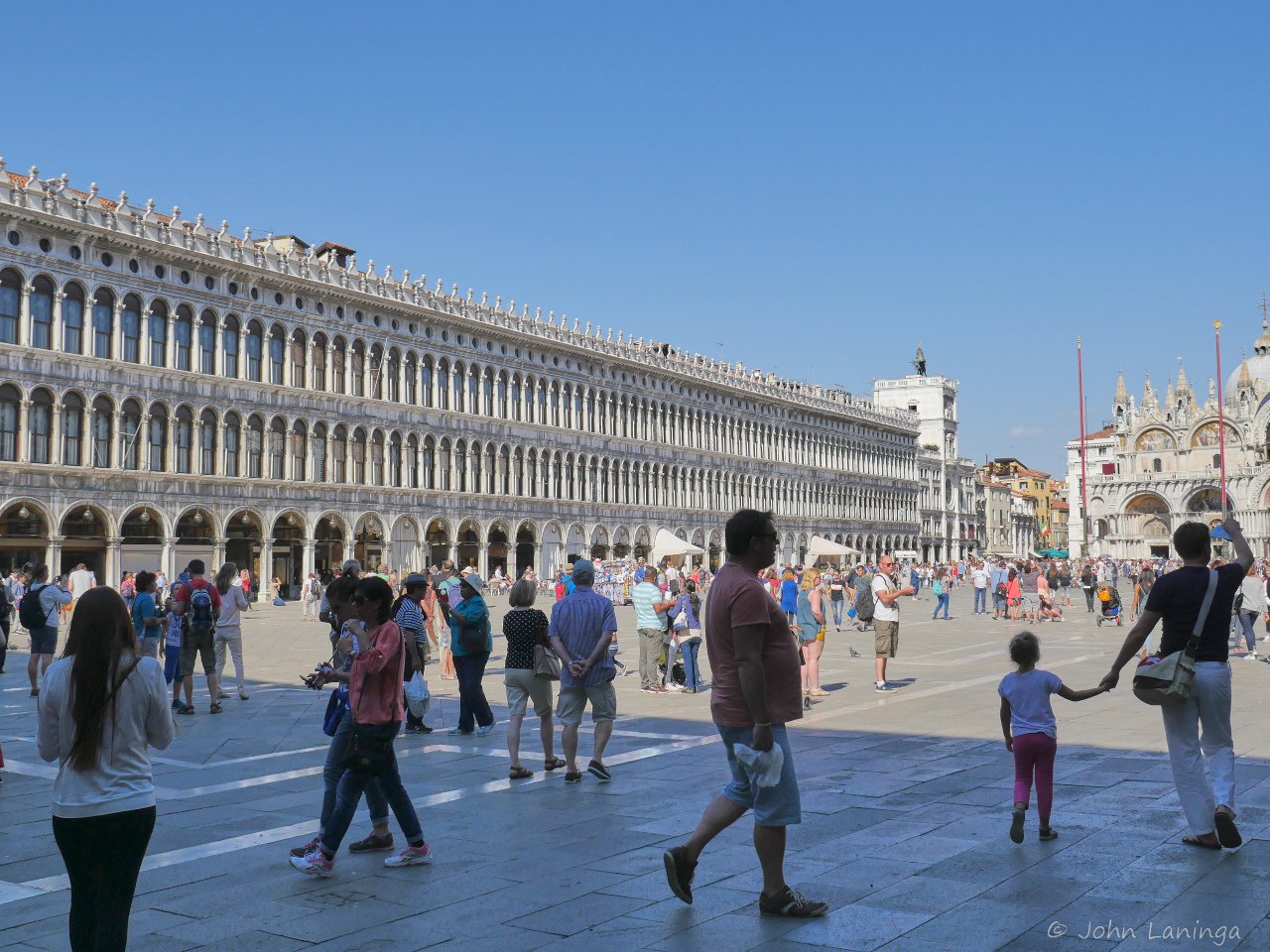
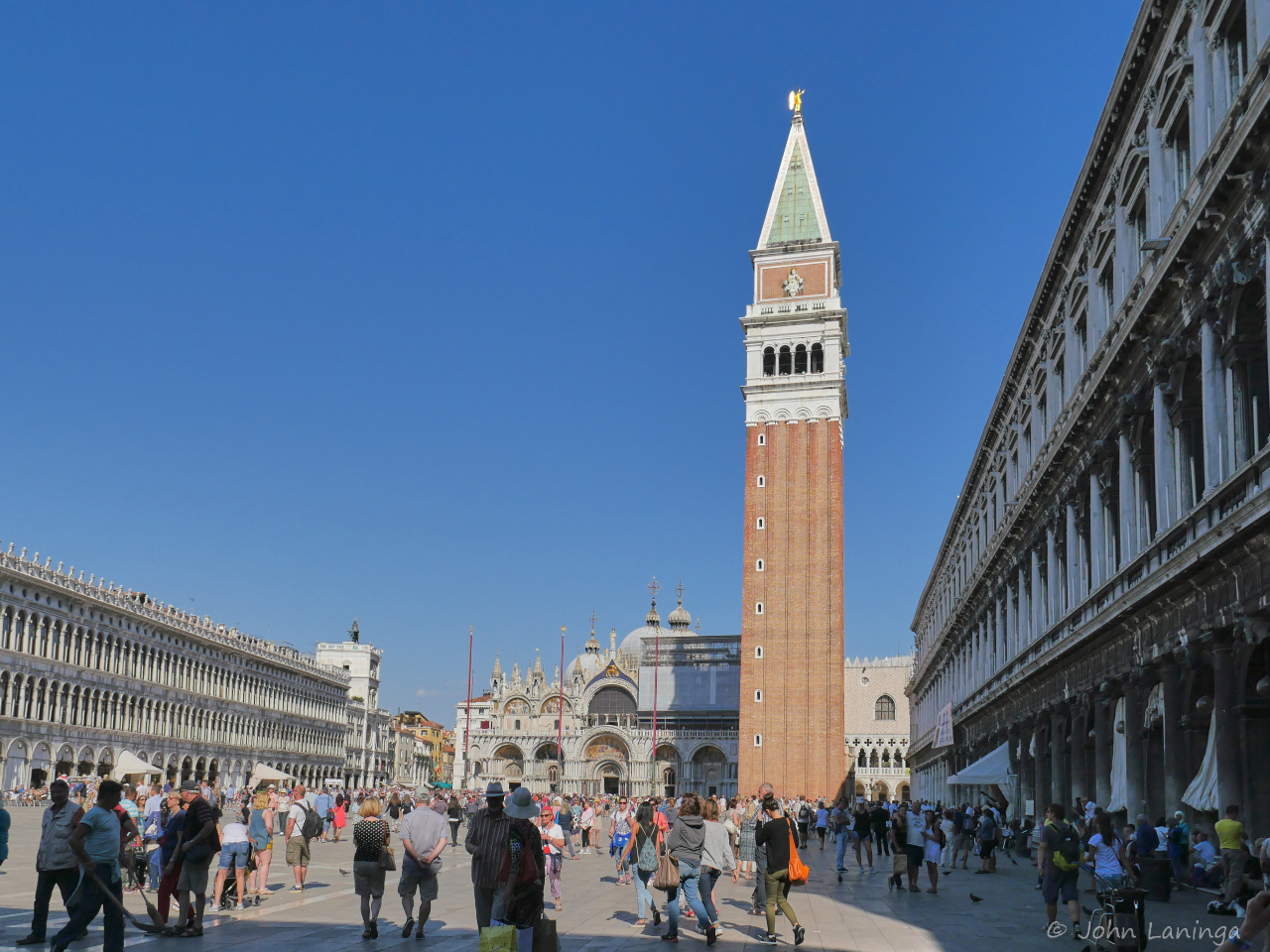
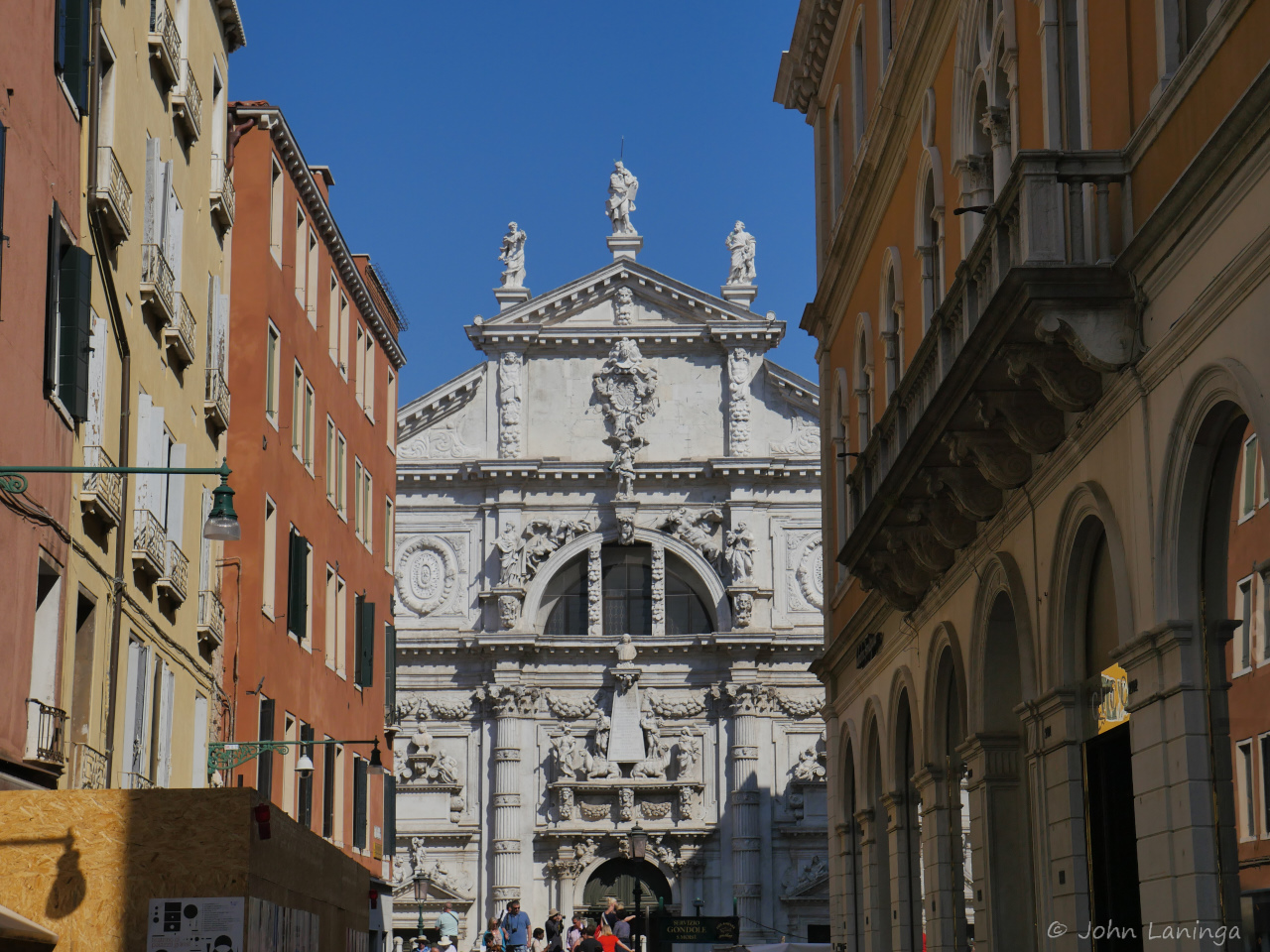
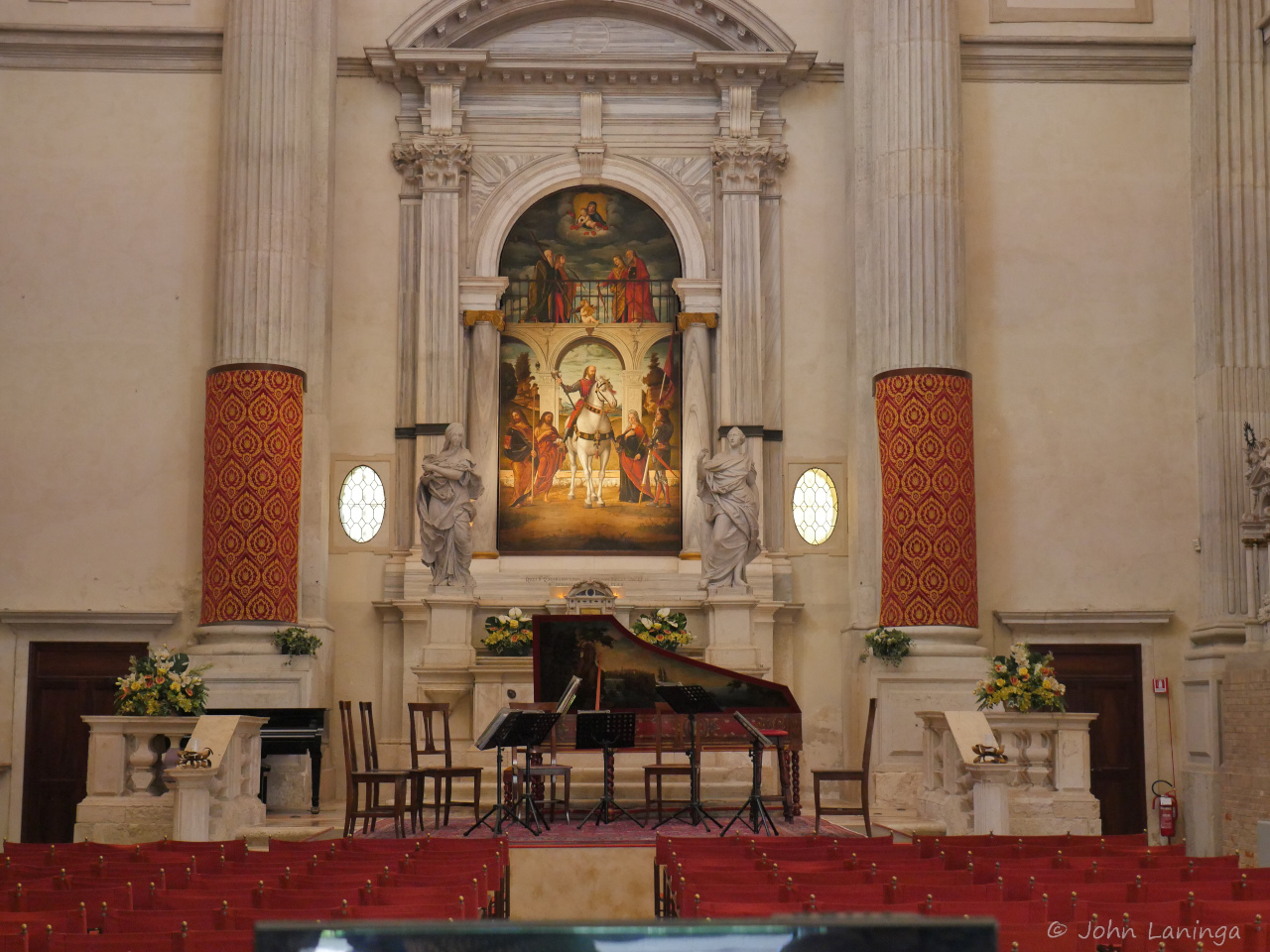
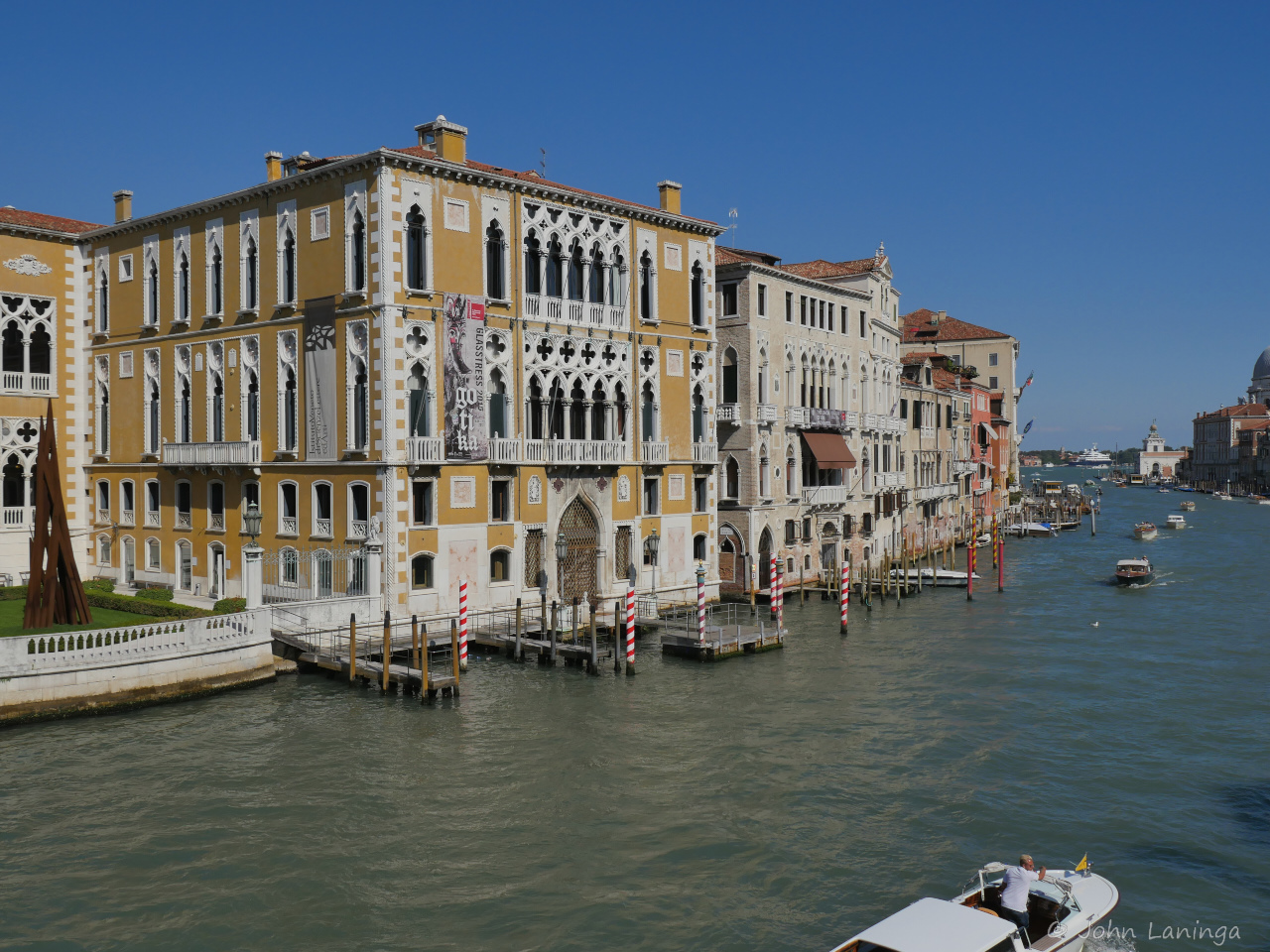
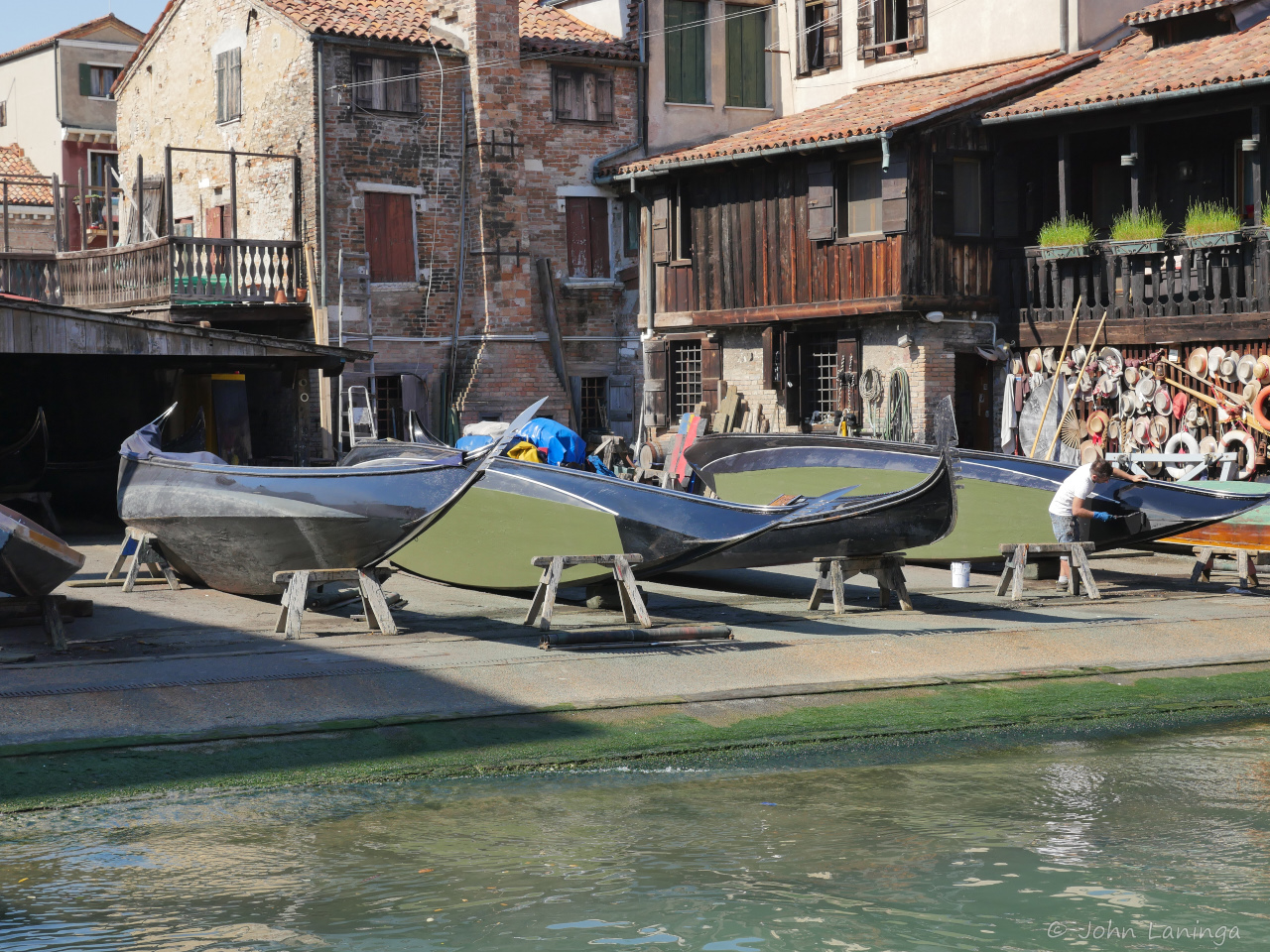
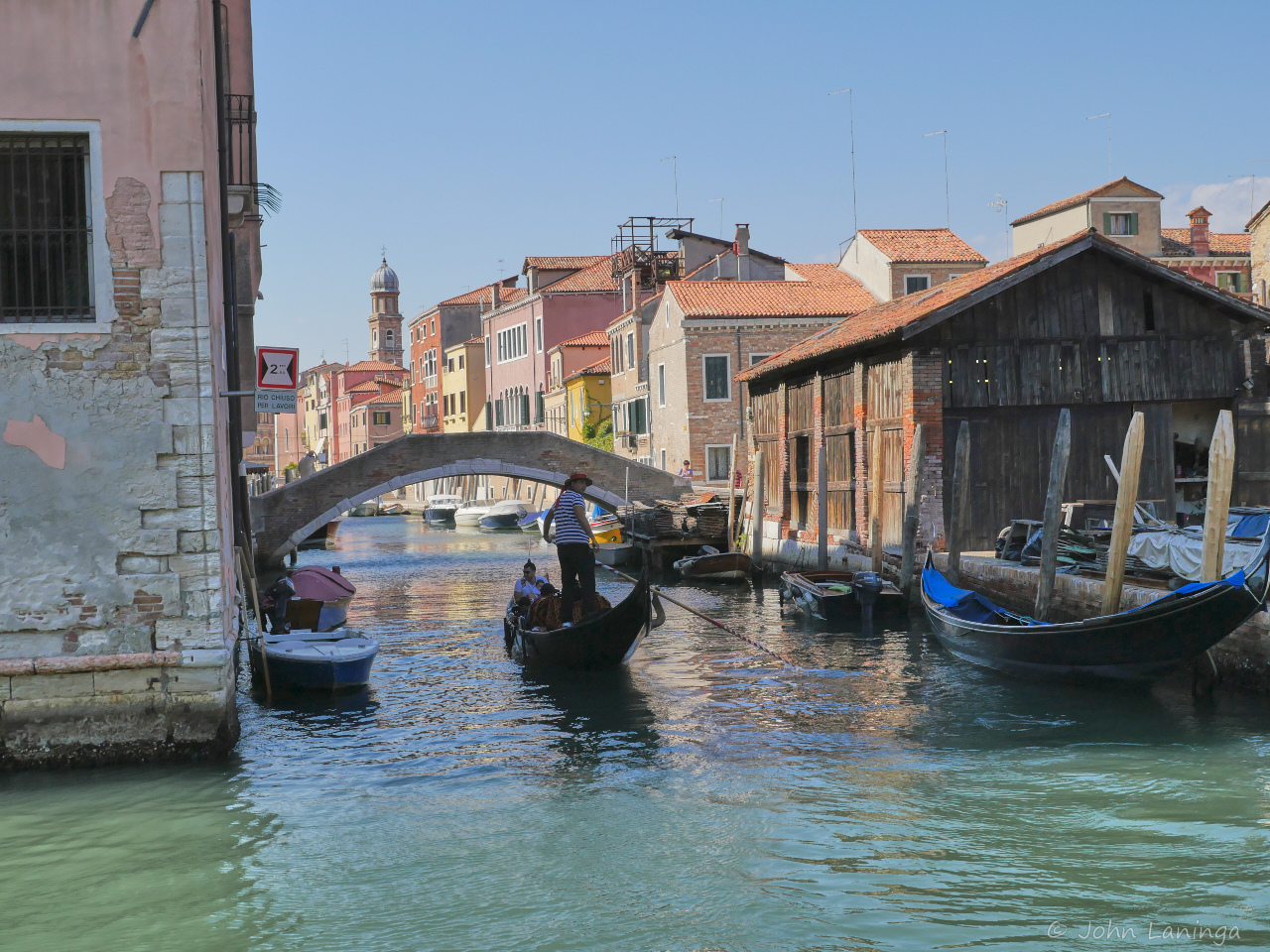
Venice. What more is there to say? One of the great destination cities of the world. This is where our cruise started, and where we had two days to explore.
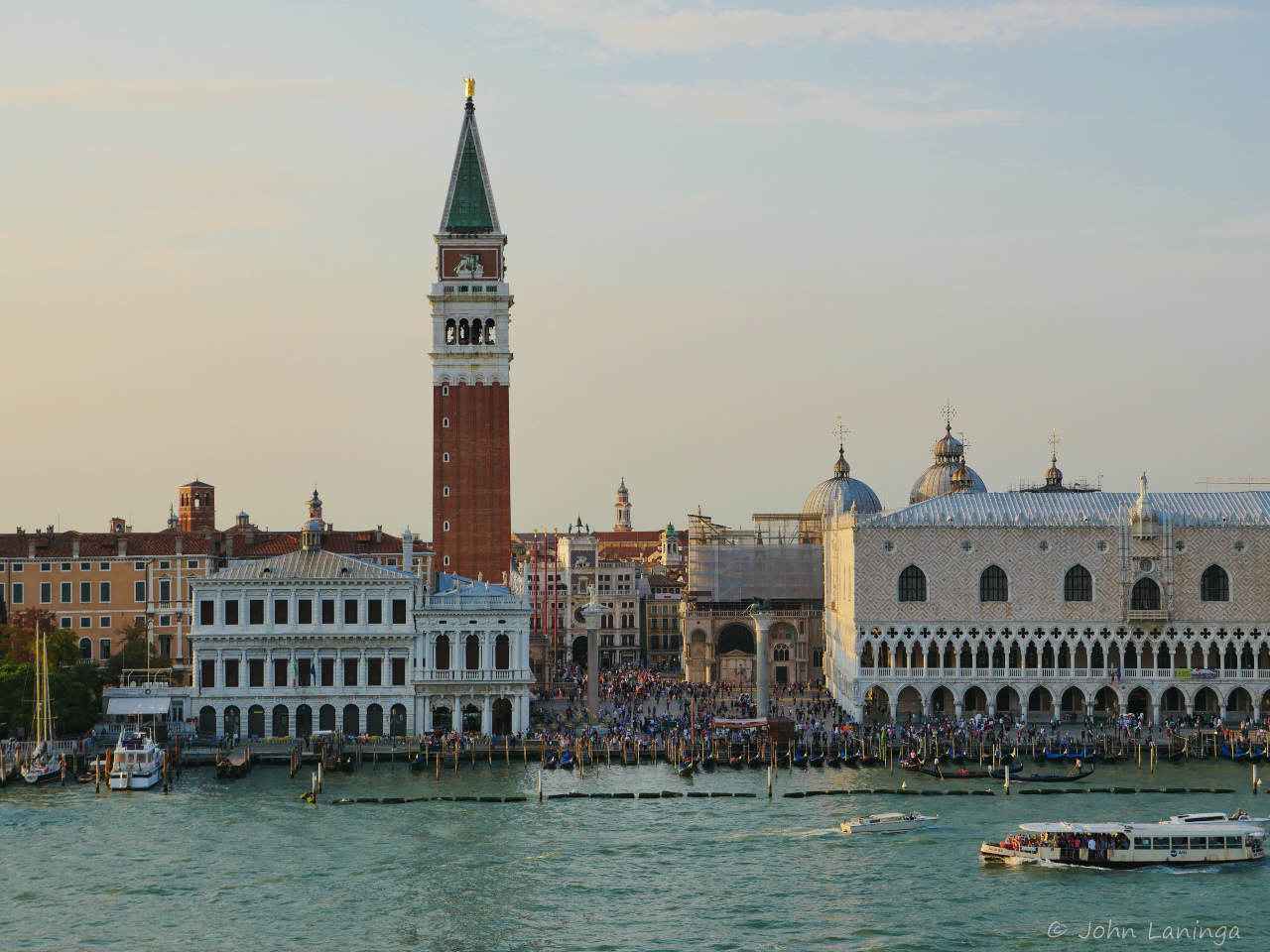
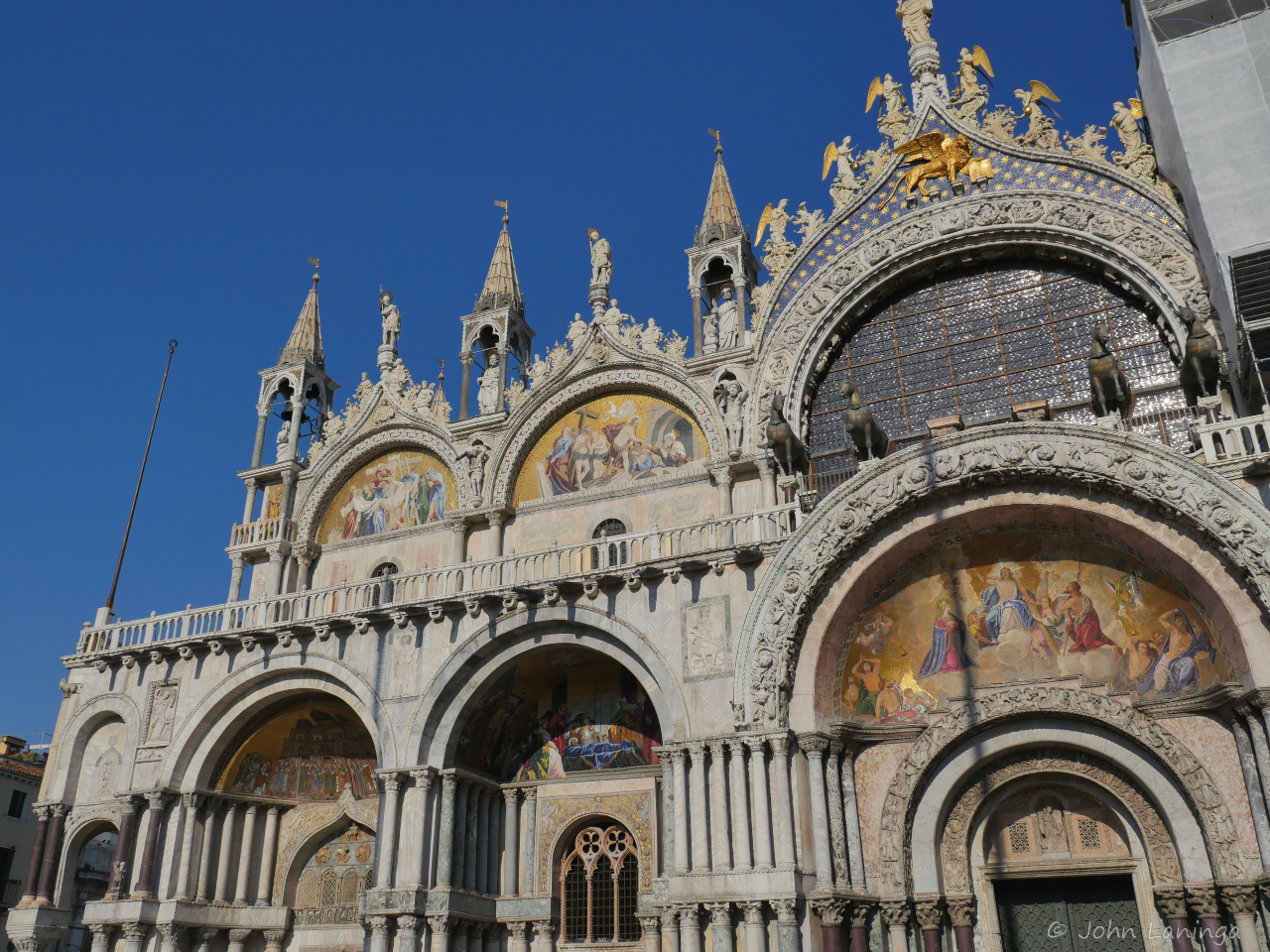
On the first day we hit the touristy areas. St, Mark’s and surroundings, canals, and gondolas. Just like the brochures (except way more people)
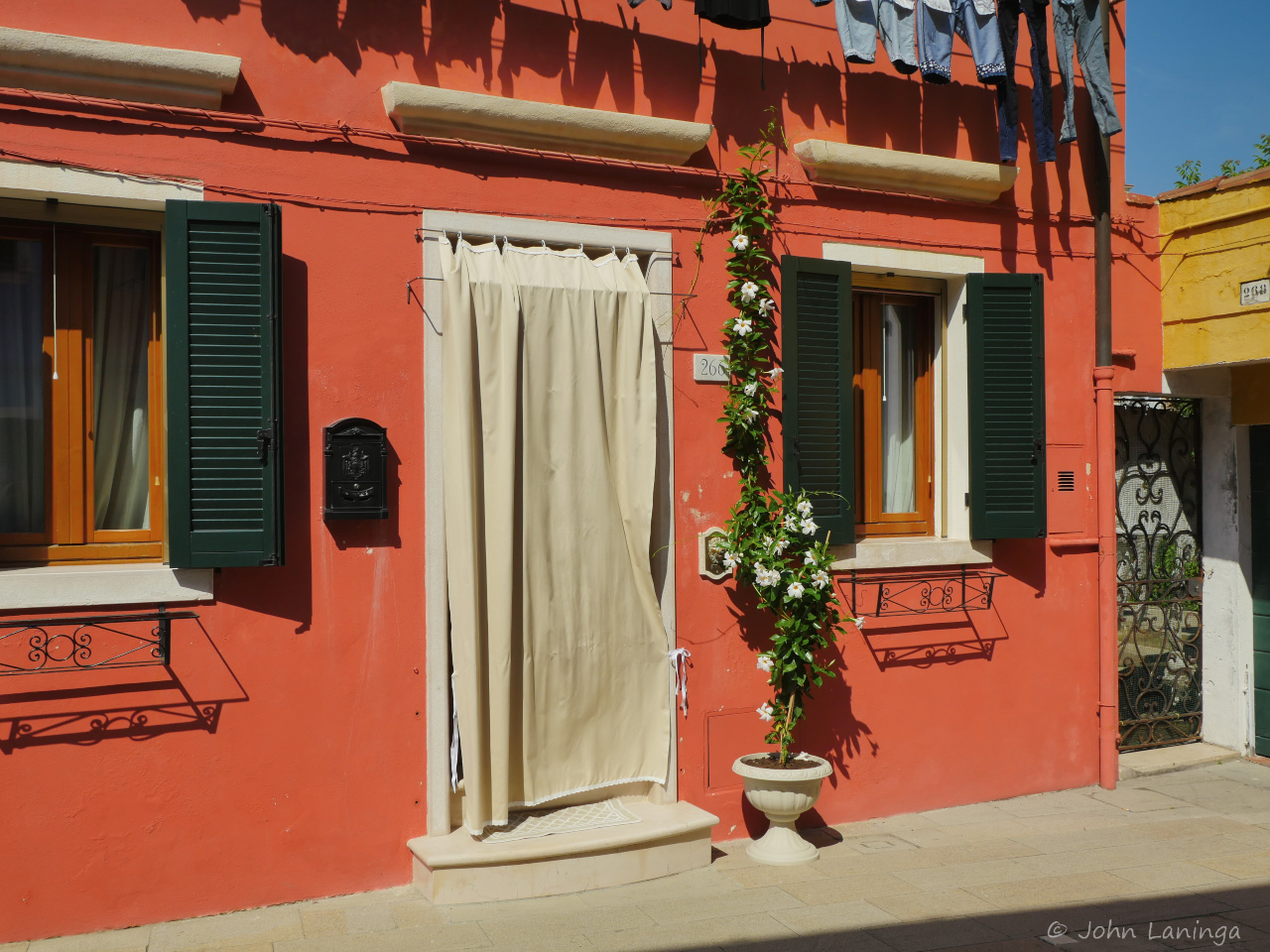
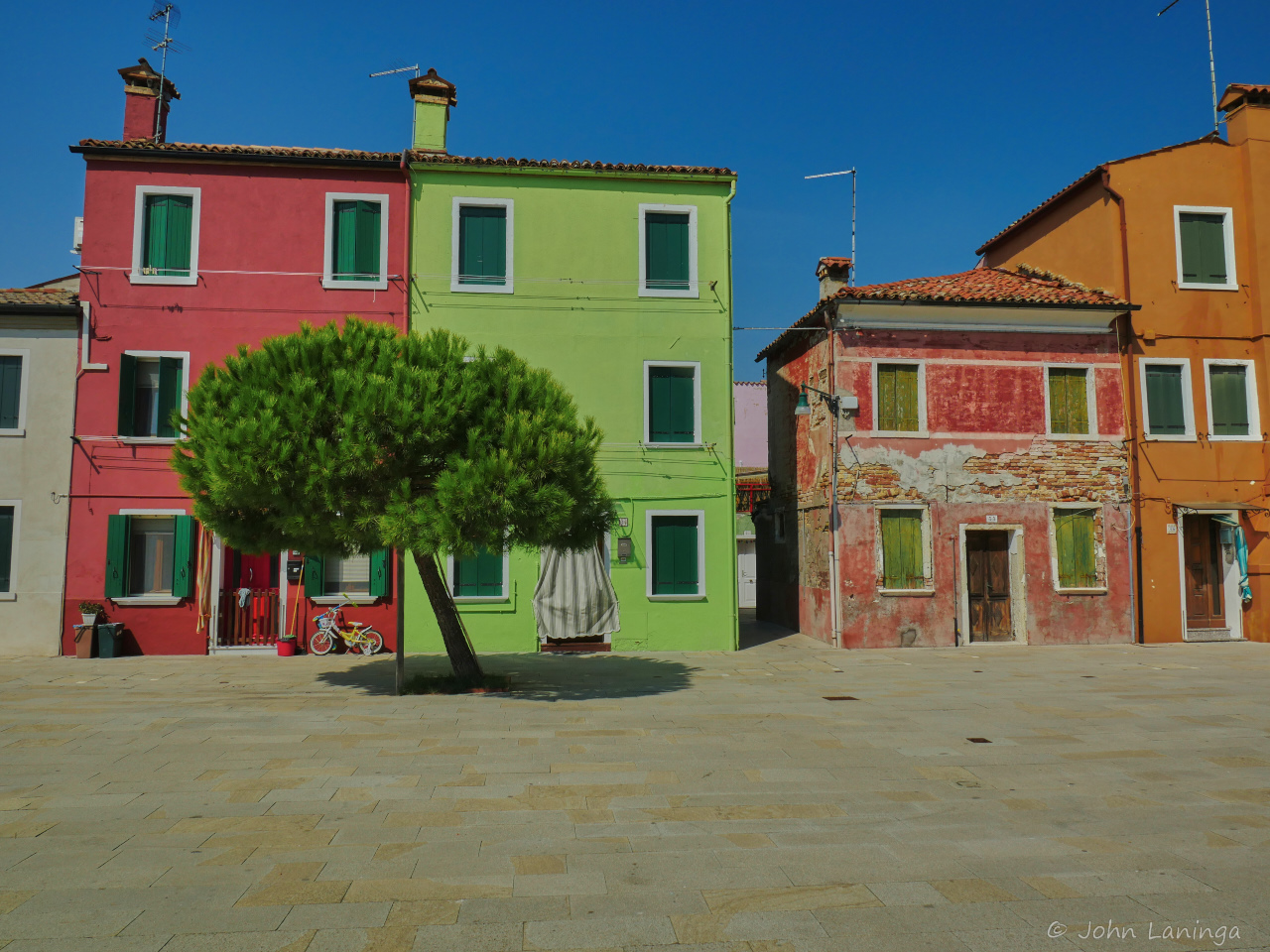
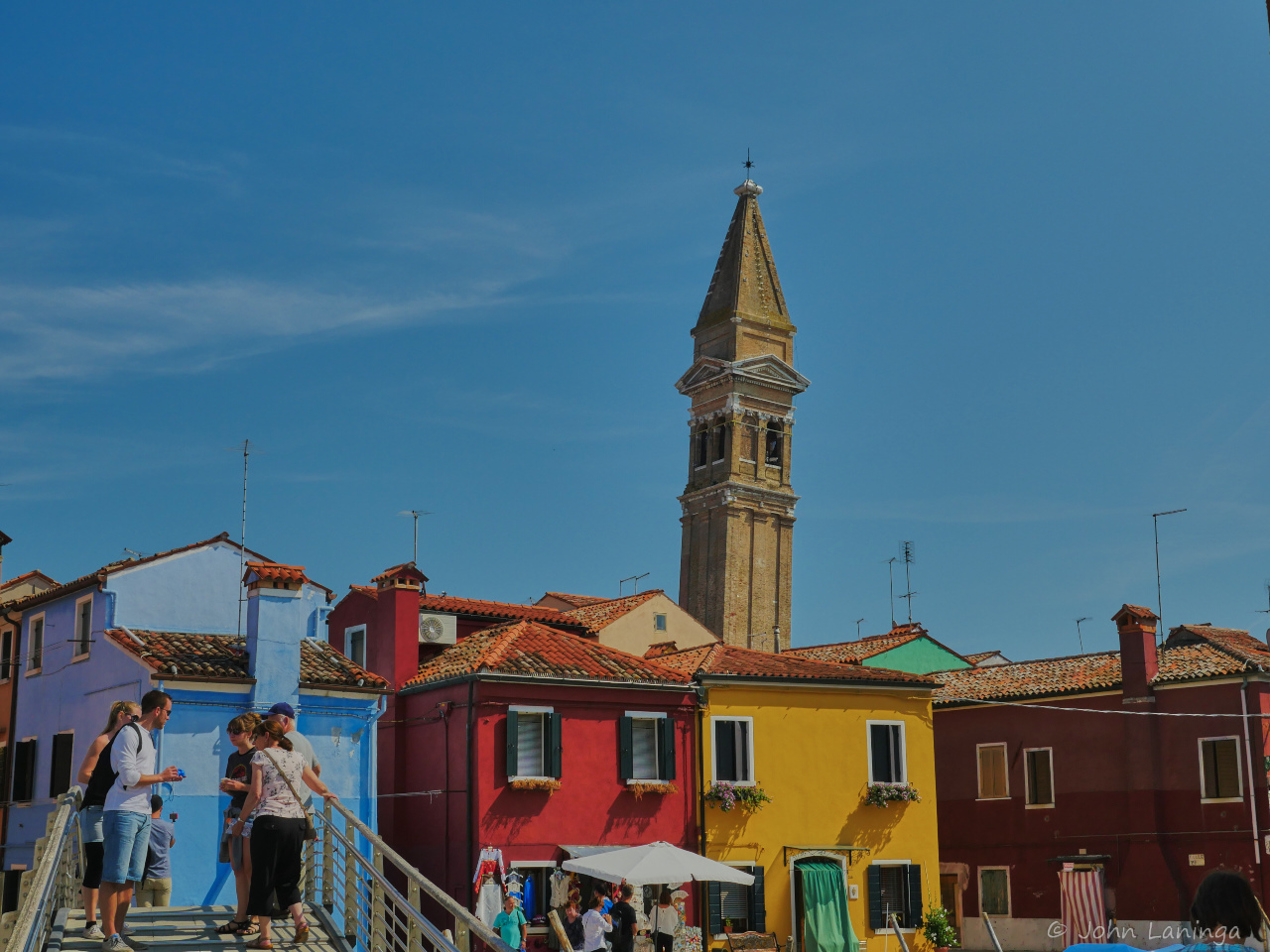
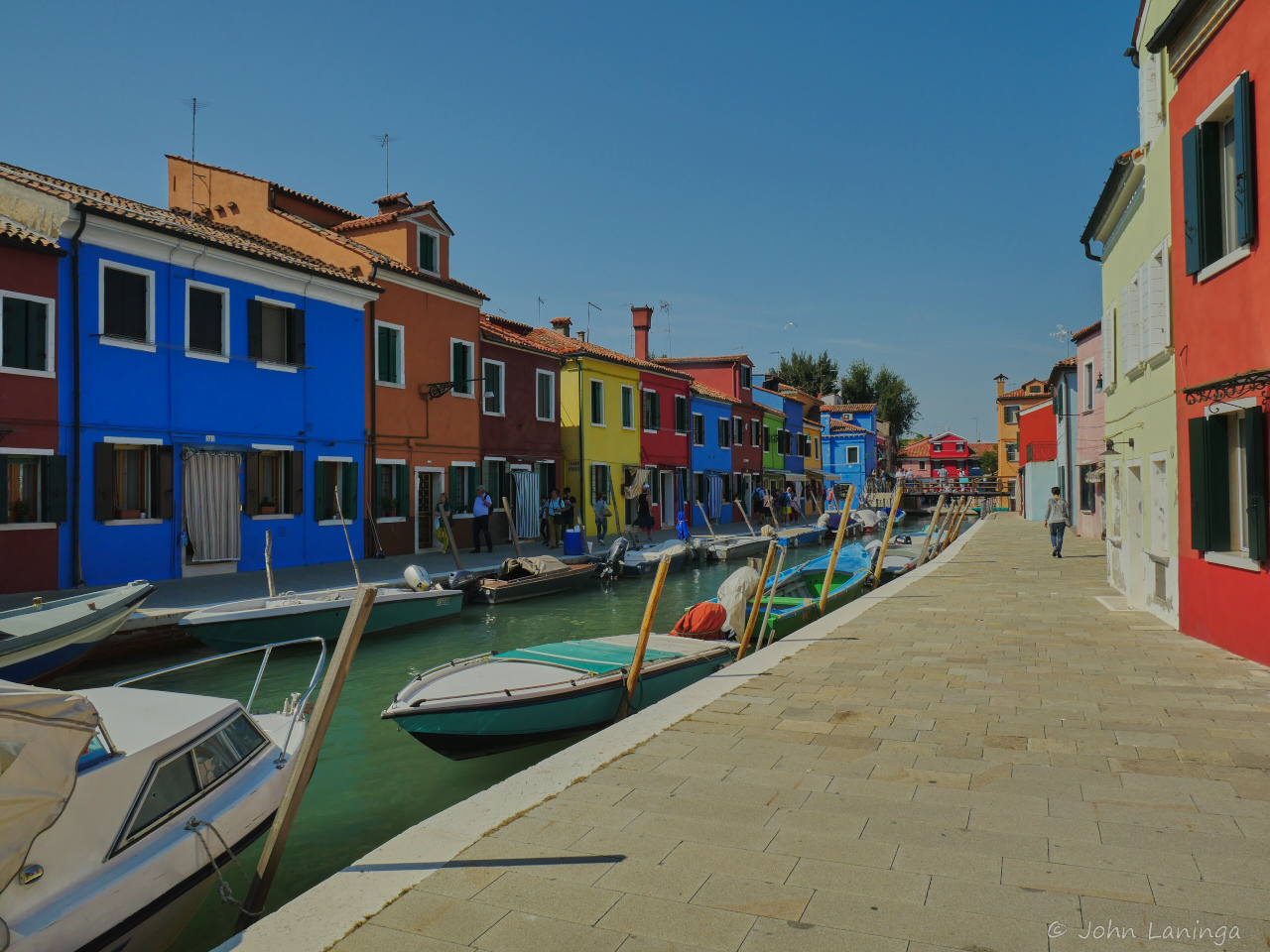
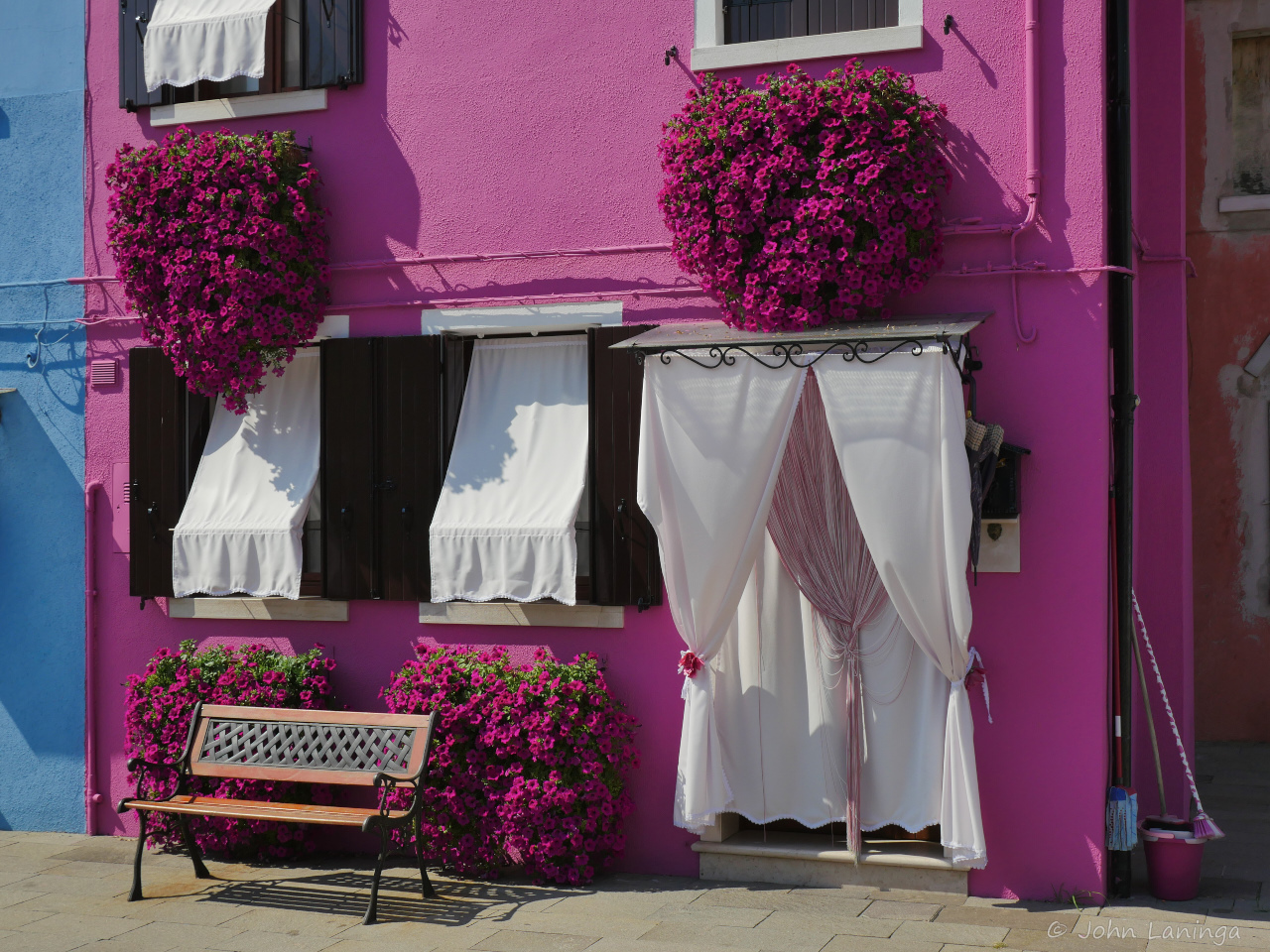
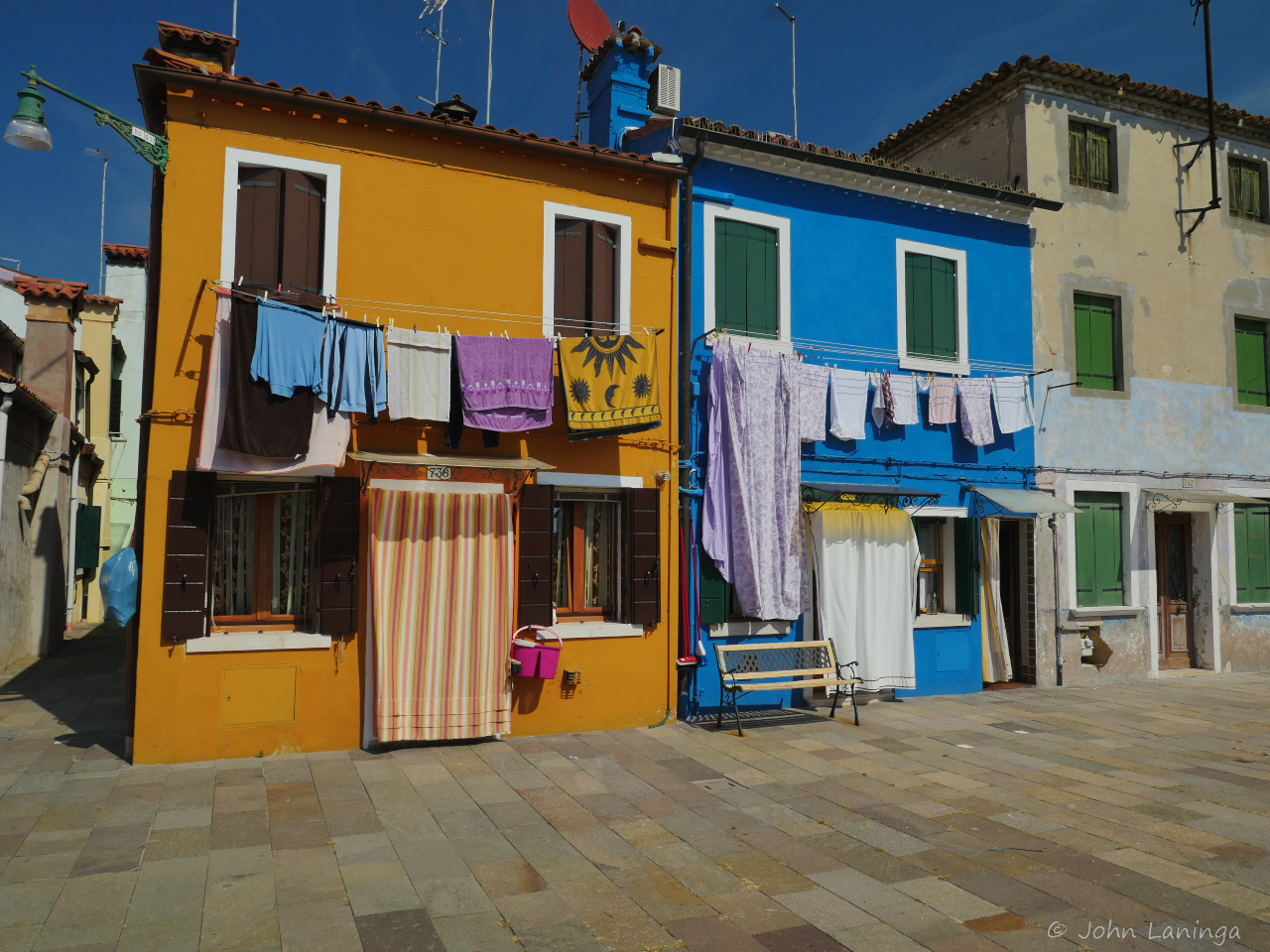
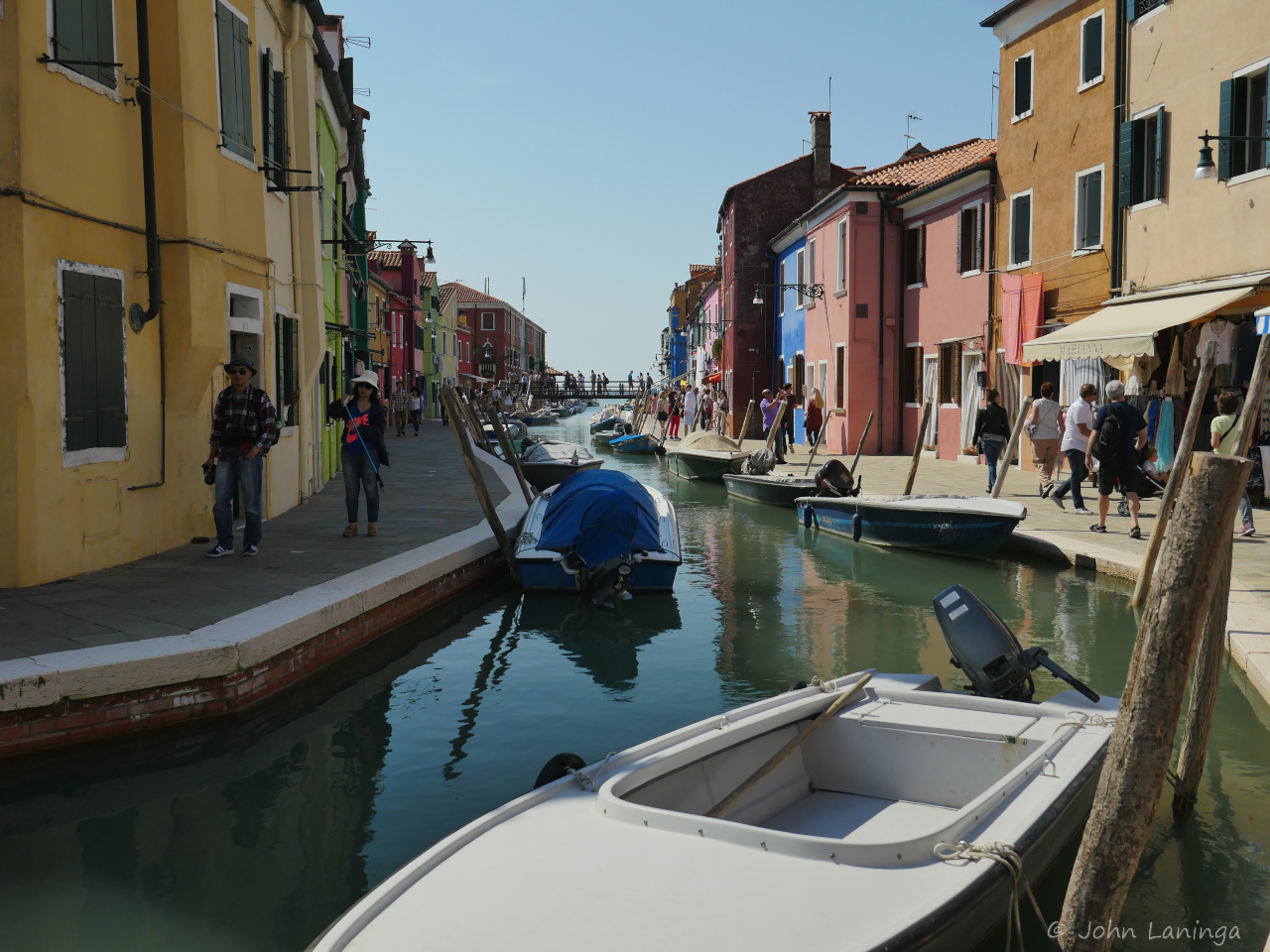
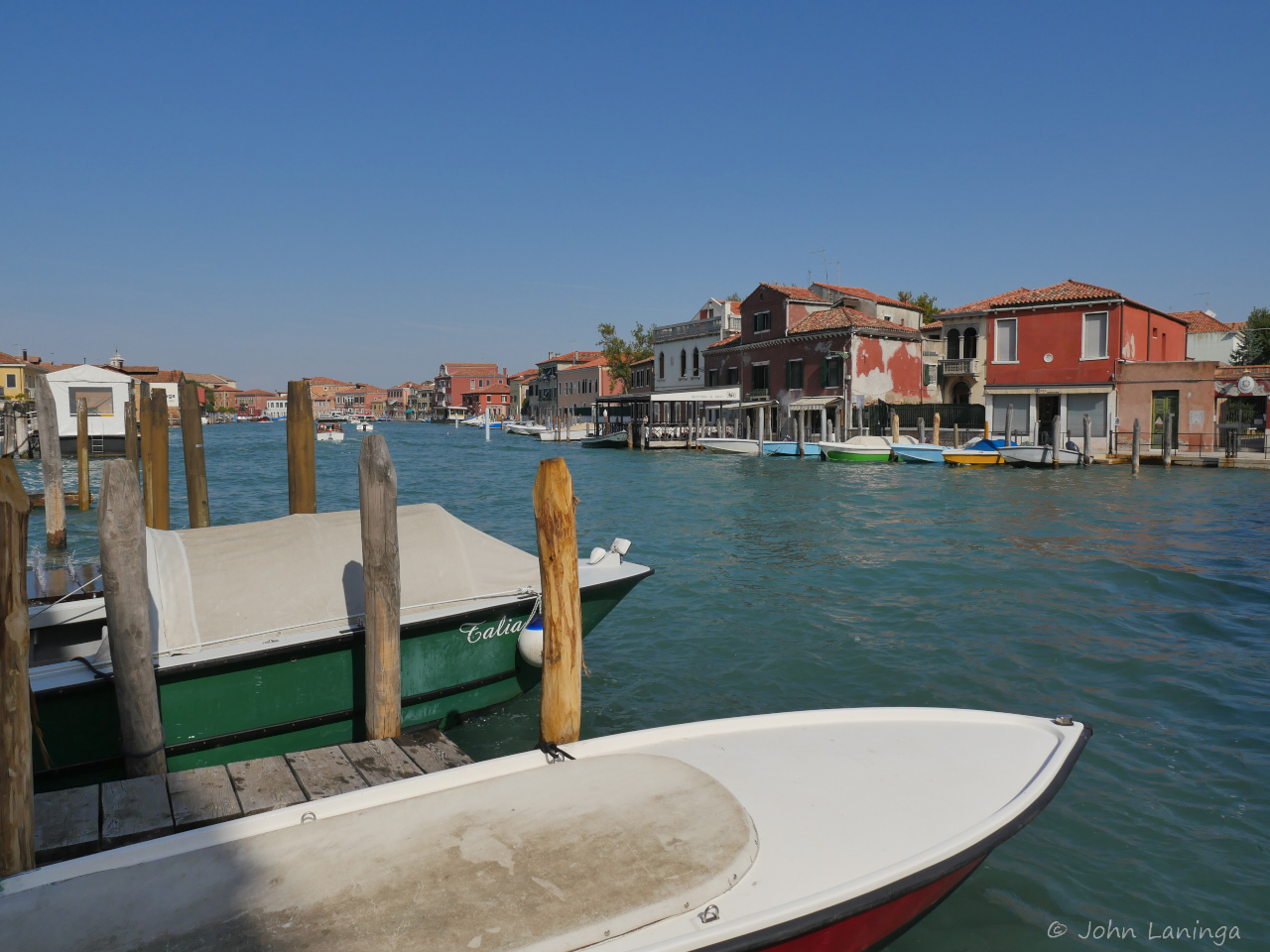
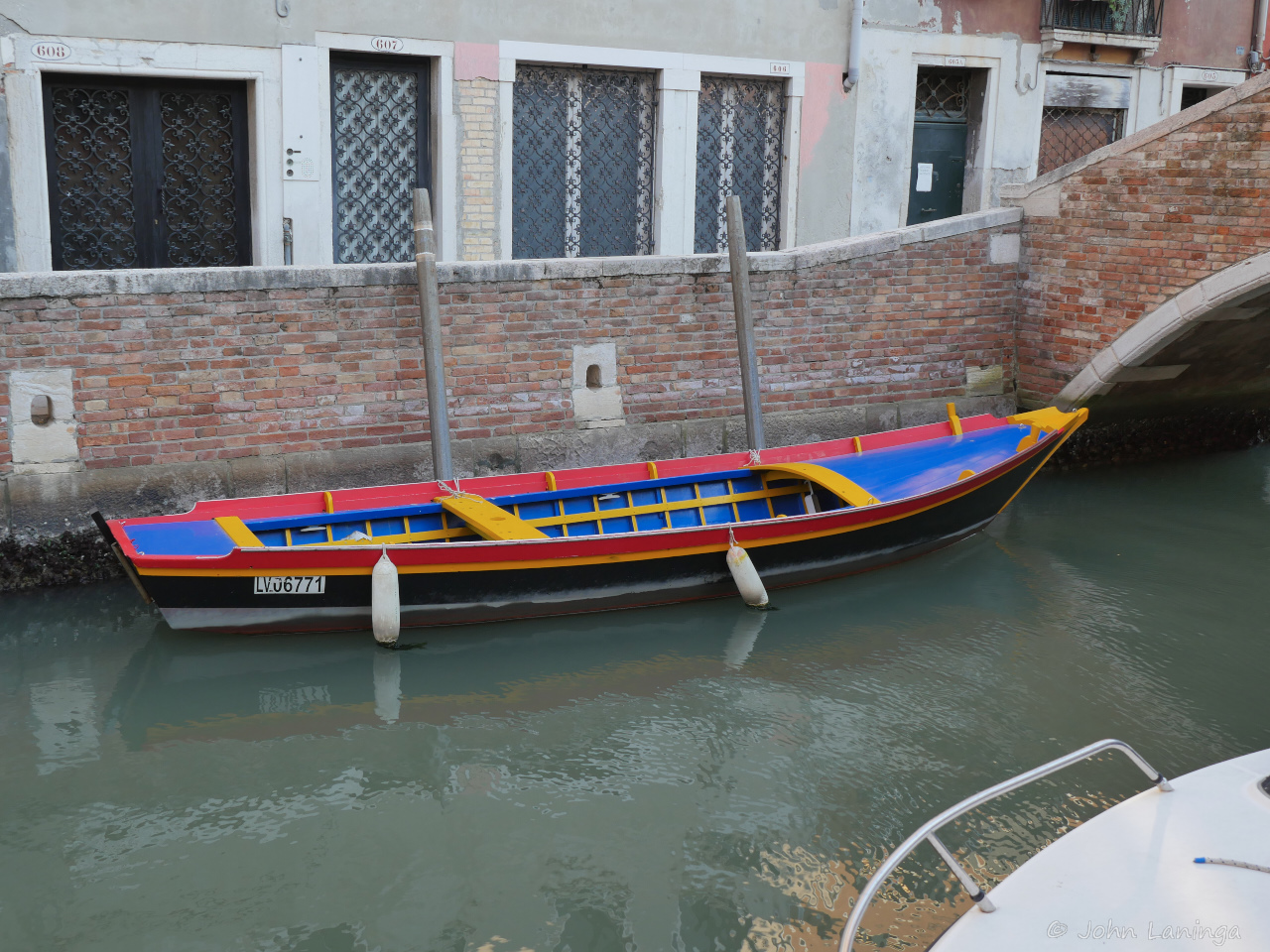
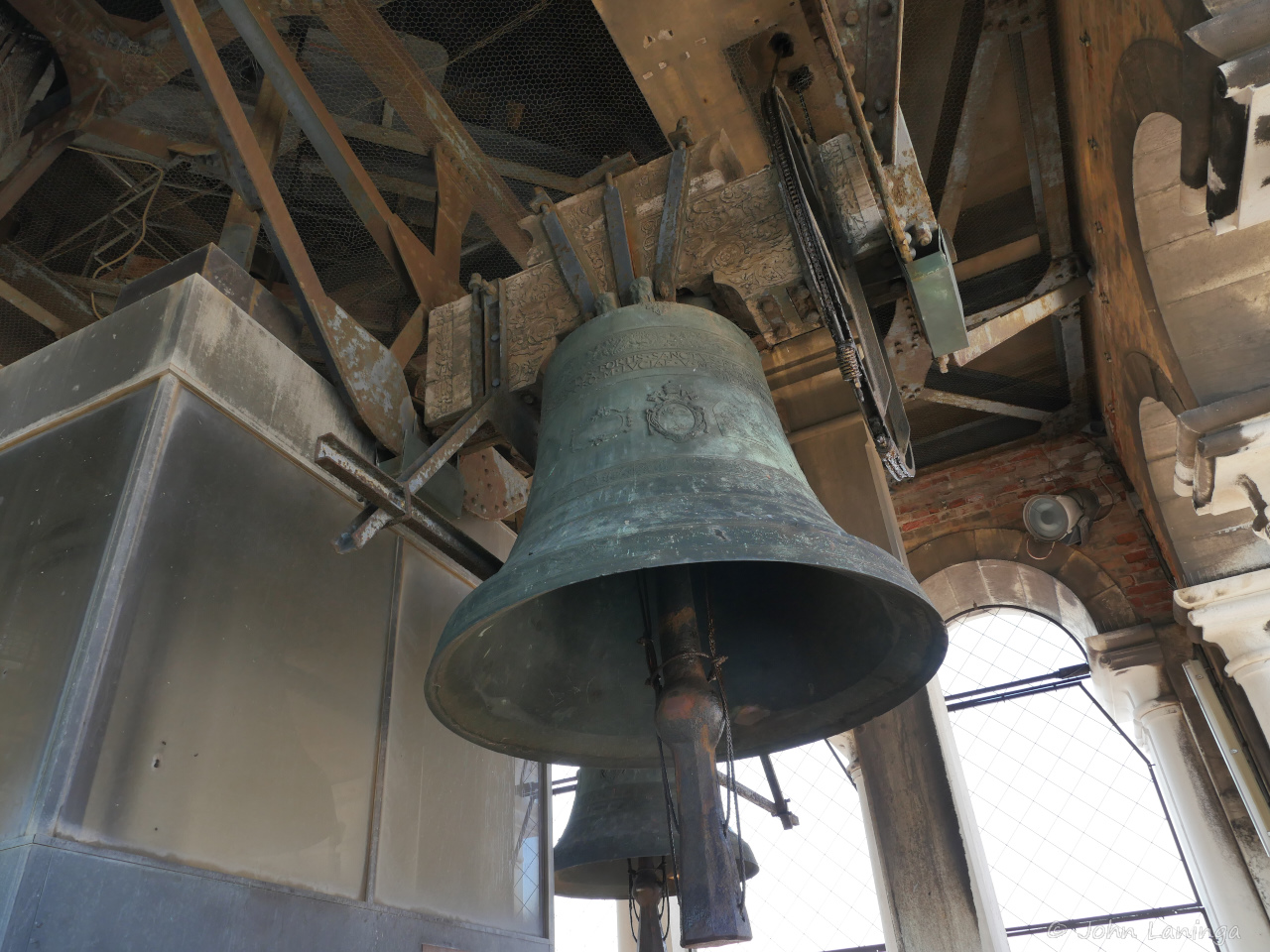
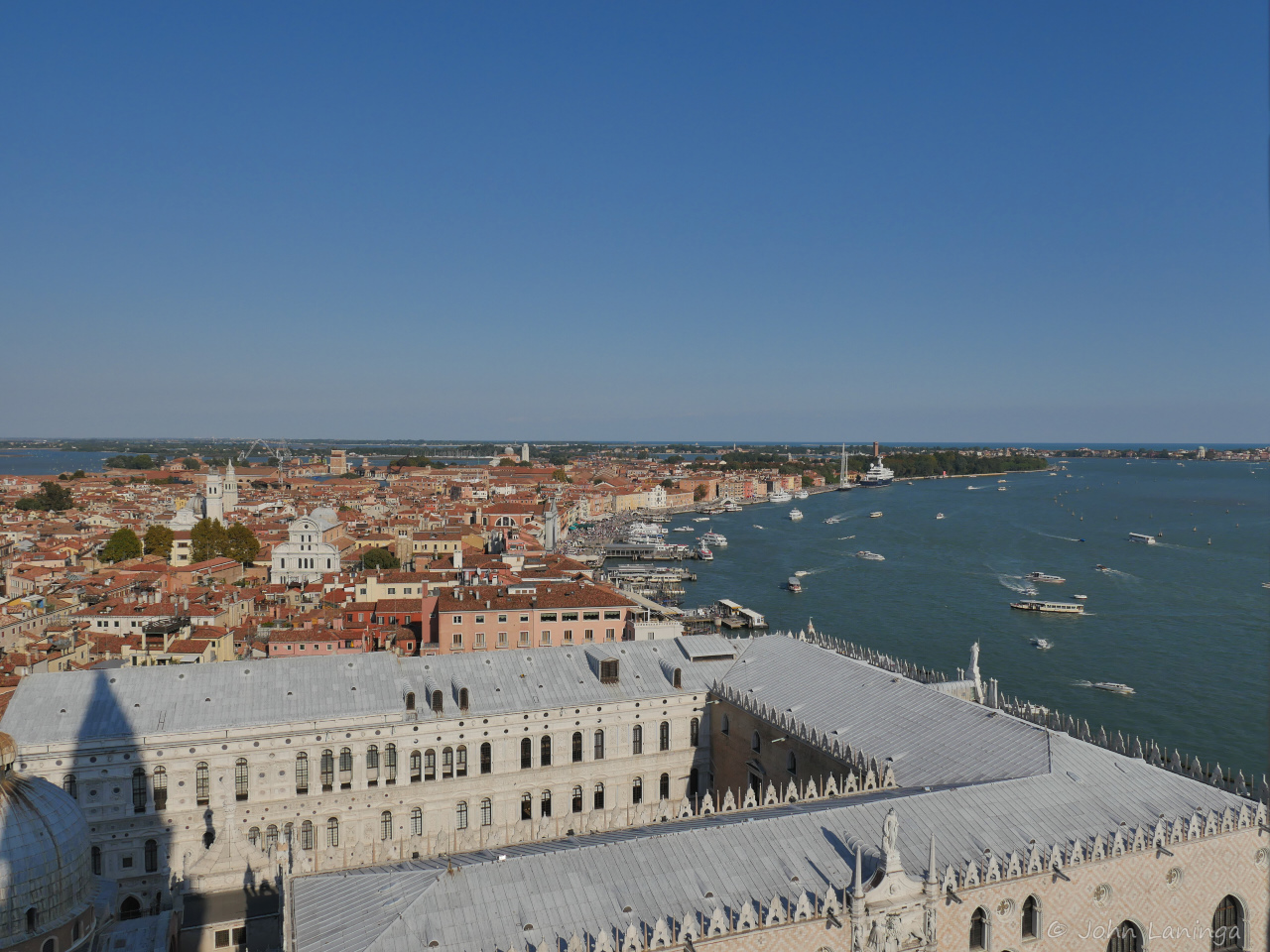
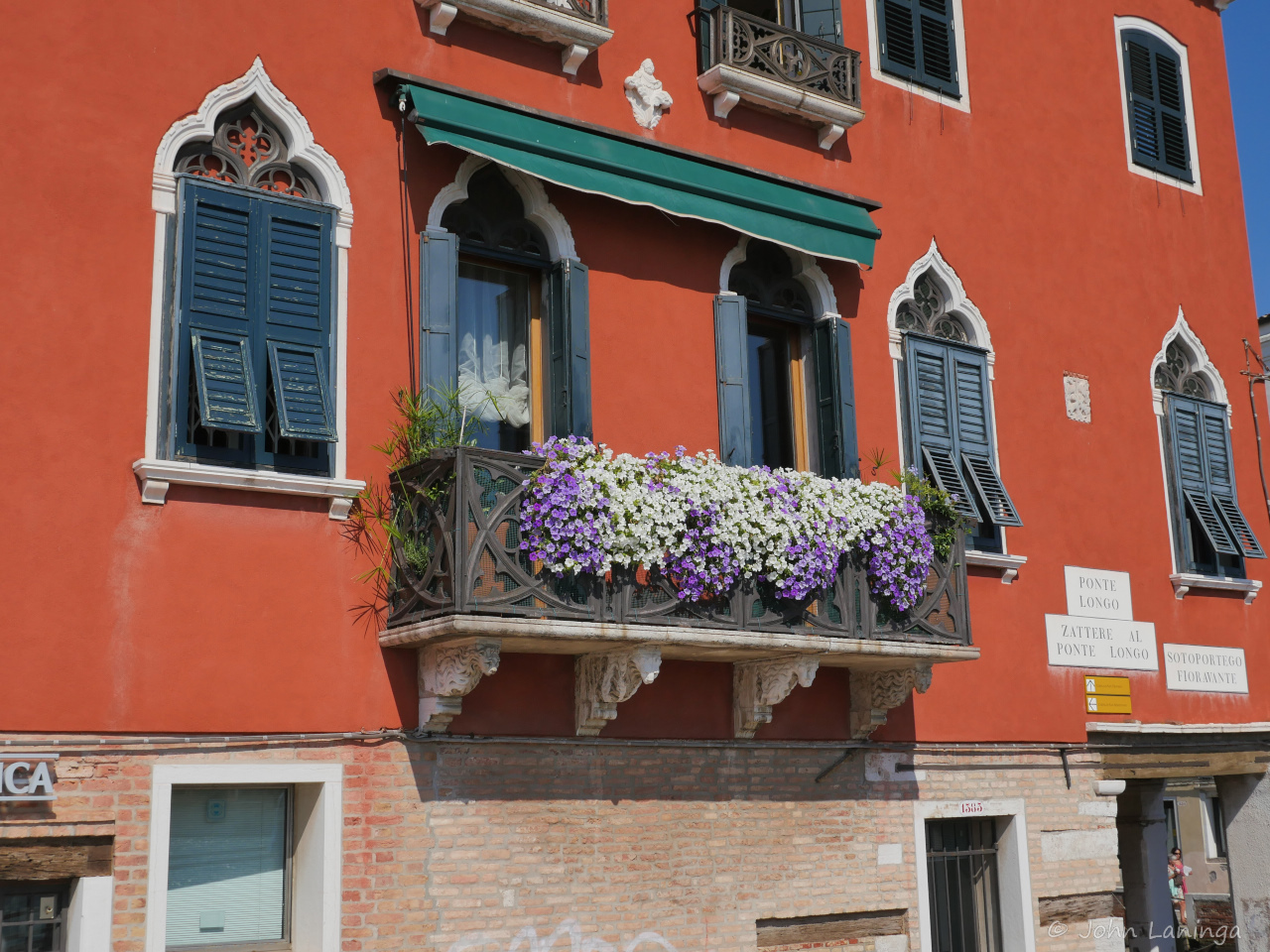
The second day we went to Murano to look at the fancy glass artists, followed by a vaporetto to Burano, home fo the colorful buildings. So here are some highlight pictures and no more comments. Should be easy to figure out, but I’ve added numbers if you have comments/questions
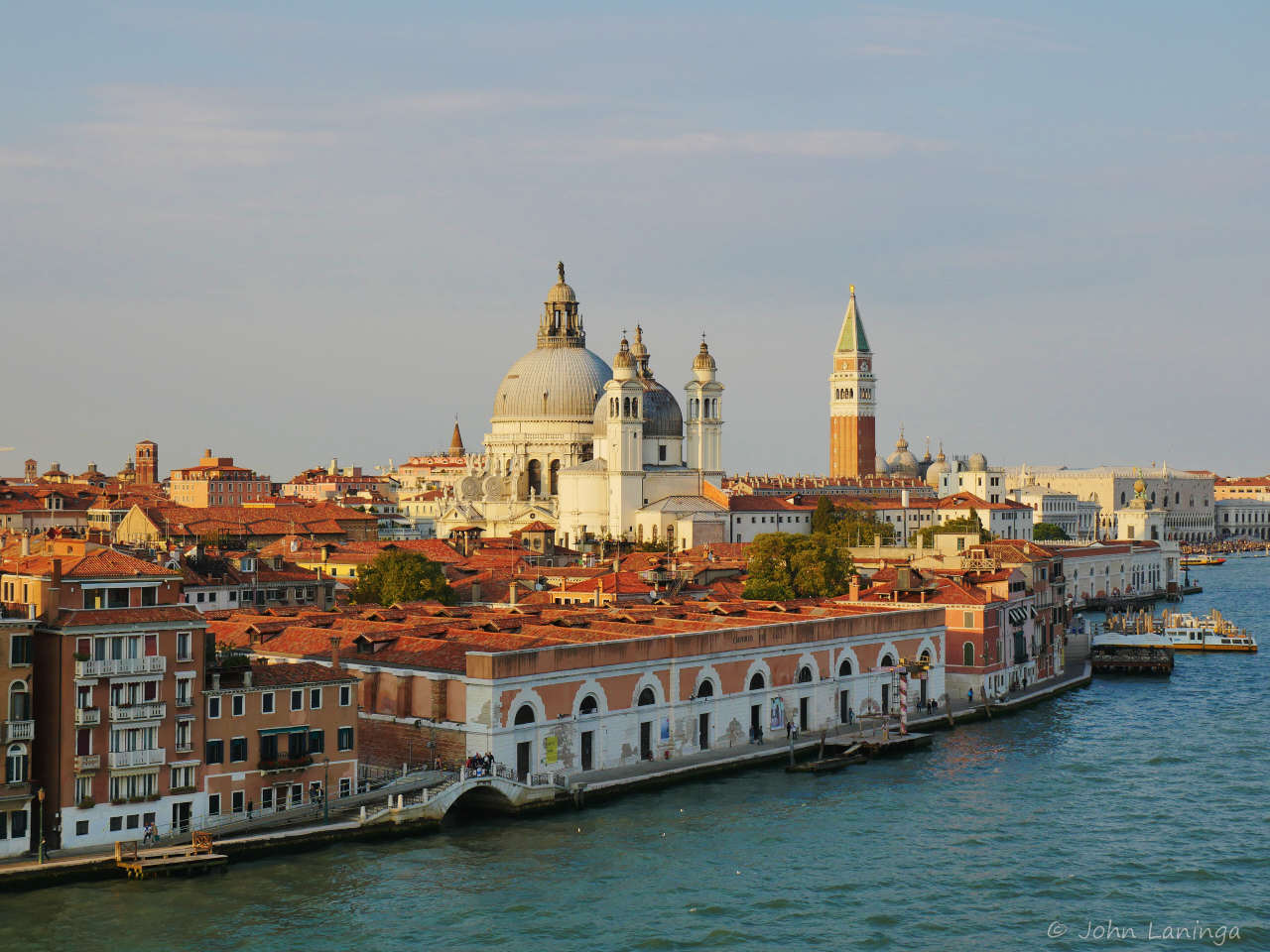
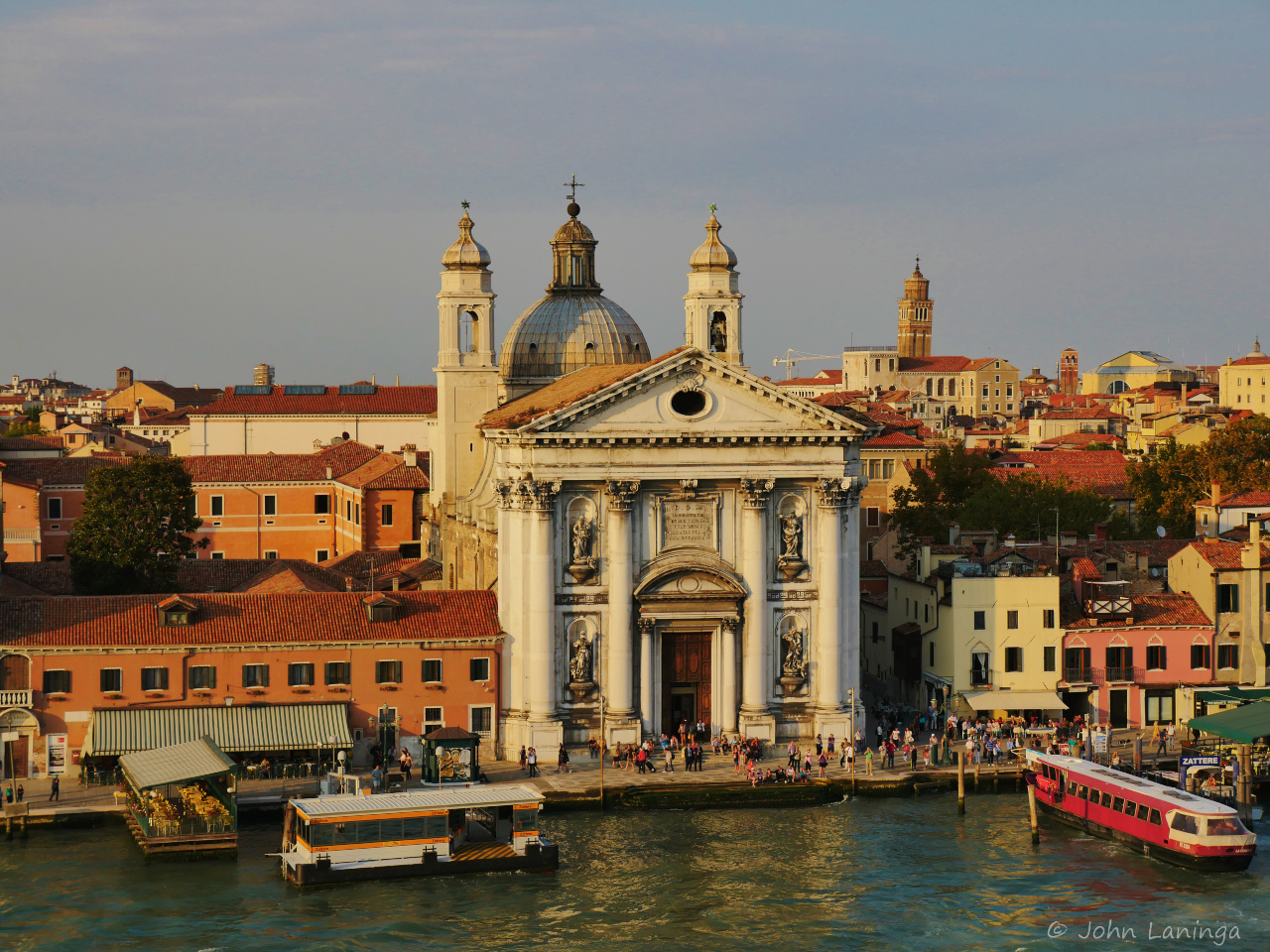
– 29 –
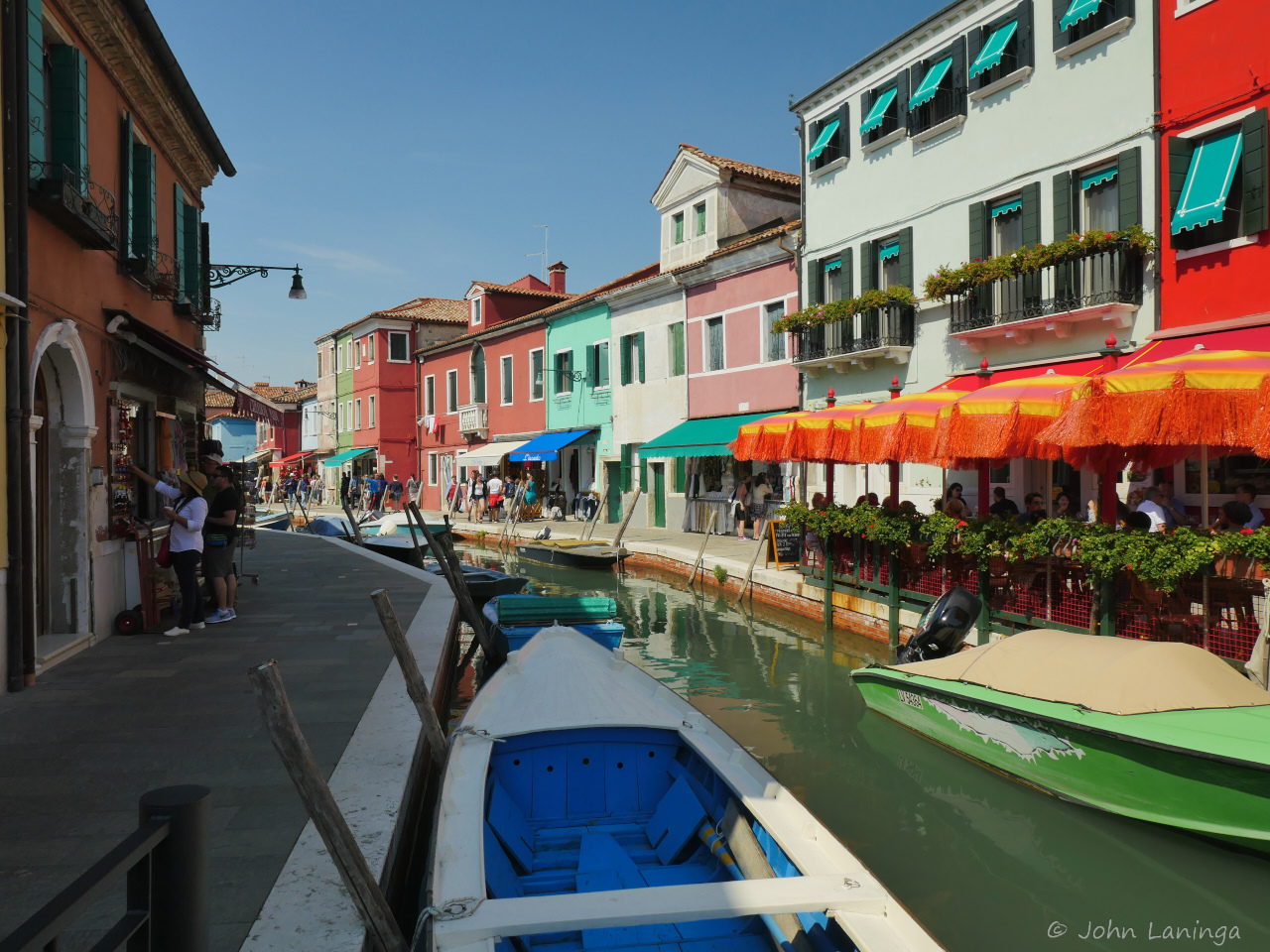
– 28 –
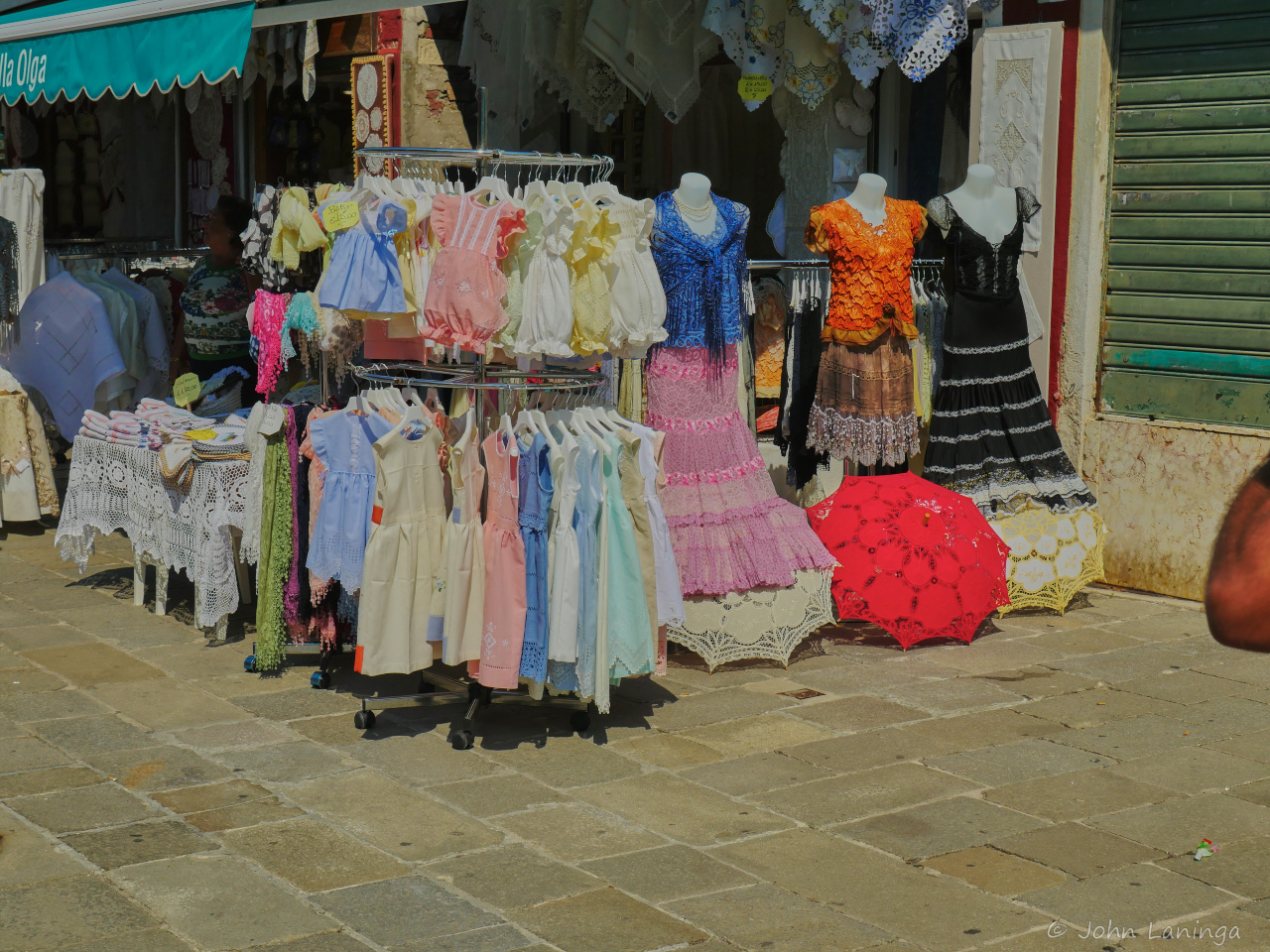
– 27 –
– 26 –
– 25 –
– 24 –
– 22 –
– 21 –
– 20 –
– 19 –

– 18 –
– 17 –
– 16 –
– 15 –
– 14 –
– 13 –
– 12 –
– 11 –
– 10 –
– 9 –
– 8 –

– 7 –
– 6 –
– 5 –

– 4 –
– 3 –
– 2 –
– 1 –
Amsterdam, 2015
Instead of just walking around, this year we took a guided walking tour of Amsterdam. That worked well, we saw things we never saw on our own, and received a history lesson at the same time. The guide (Michael, of Free Walking Tours) did a great job, mixing facts and humor.
We started in the red light district (yes, girls were working at 3PM) followed by a visit to the Jewish neighborhood that was devastated in World War II. We reviewed the history of the Dutch East India Company (Holland was the most powerful and rich country in the world during the Golden Age), and how that influenced the building of canals.
We learned about drugs in general (the Dutch have the most liberal laws, yet have one of the lowest drug use rates in the world). We then traveled to the wealthy part of town, including a visit to one of the very expensive court yards. We also visited a traditional cheese house and tried some samples.
As you look at the pictures, note how many buildings are leaning. Amsterdam is on mainly reclaimed soil, which is unstable, and requires frequent maintenance. So we learned a lot and were entertained at the same time. A great afternoon!

The Royal Palace
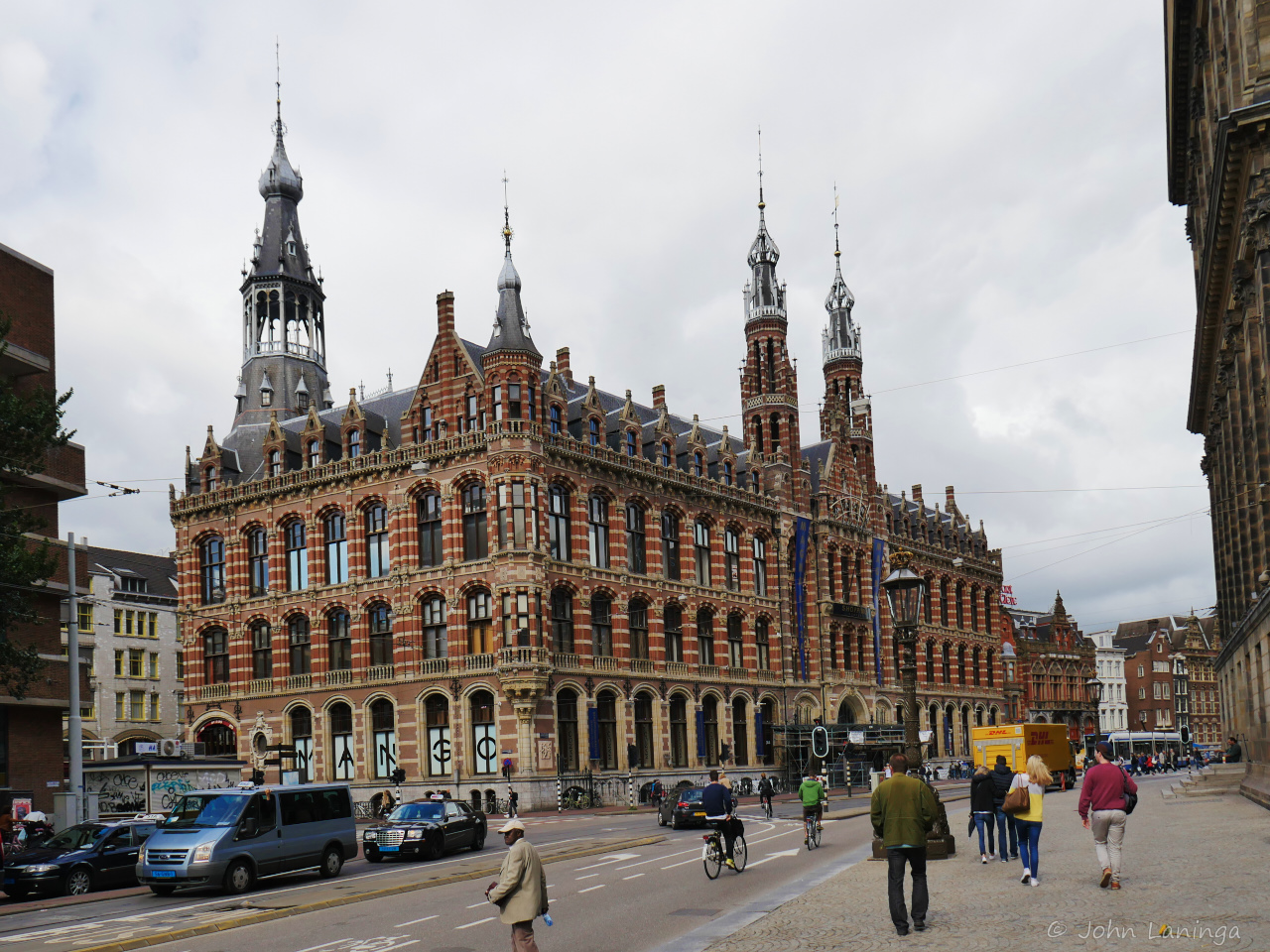
A very fancy shopping center in an old building
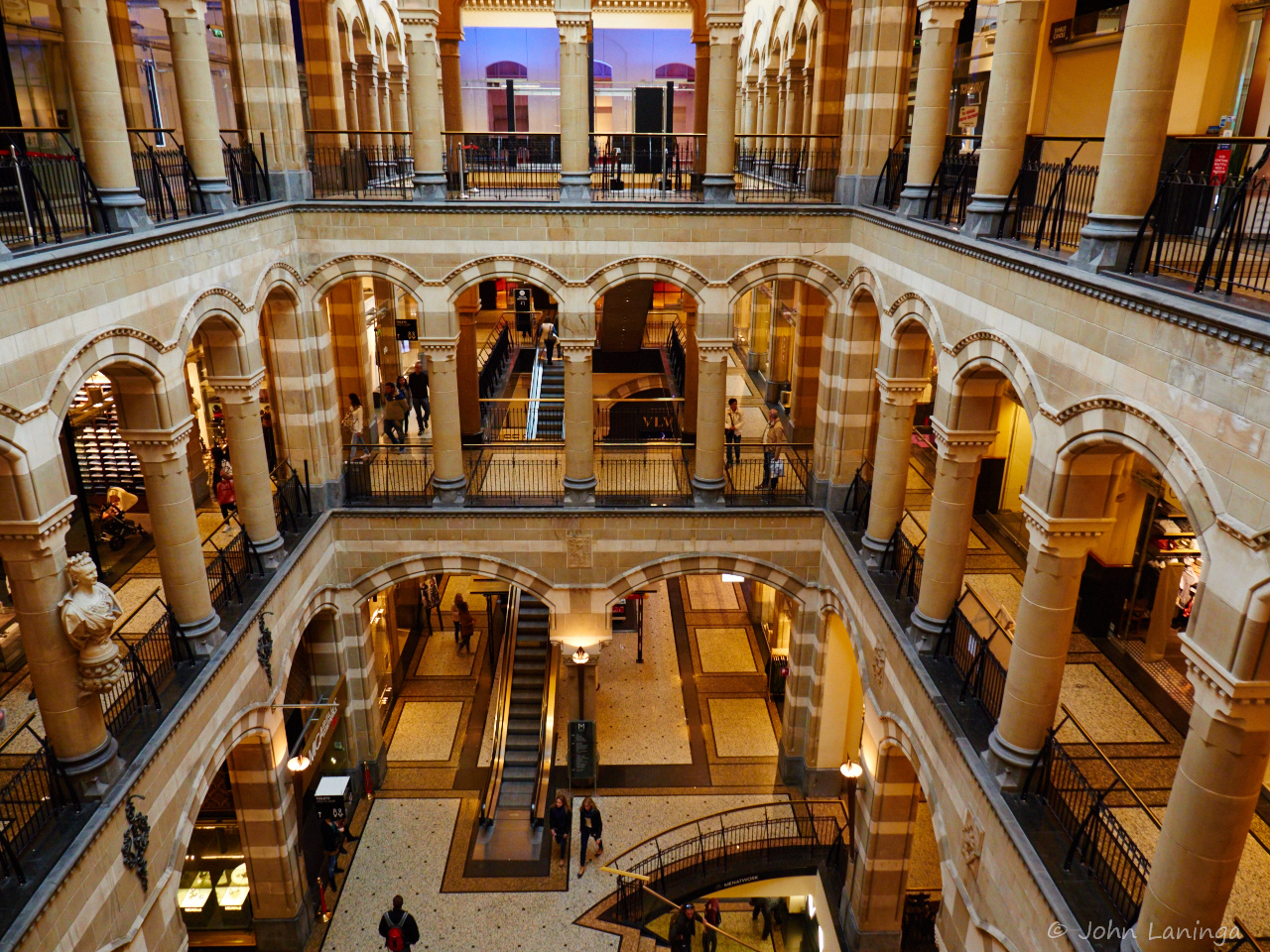
Inside the shopping center
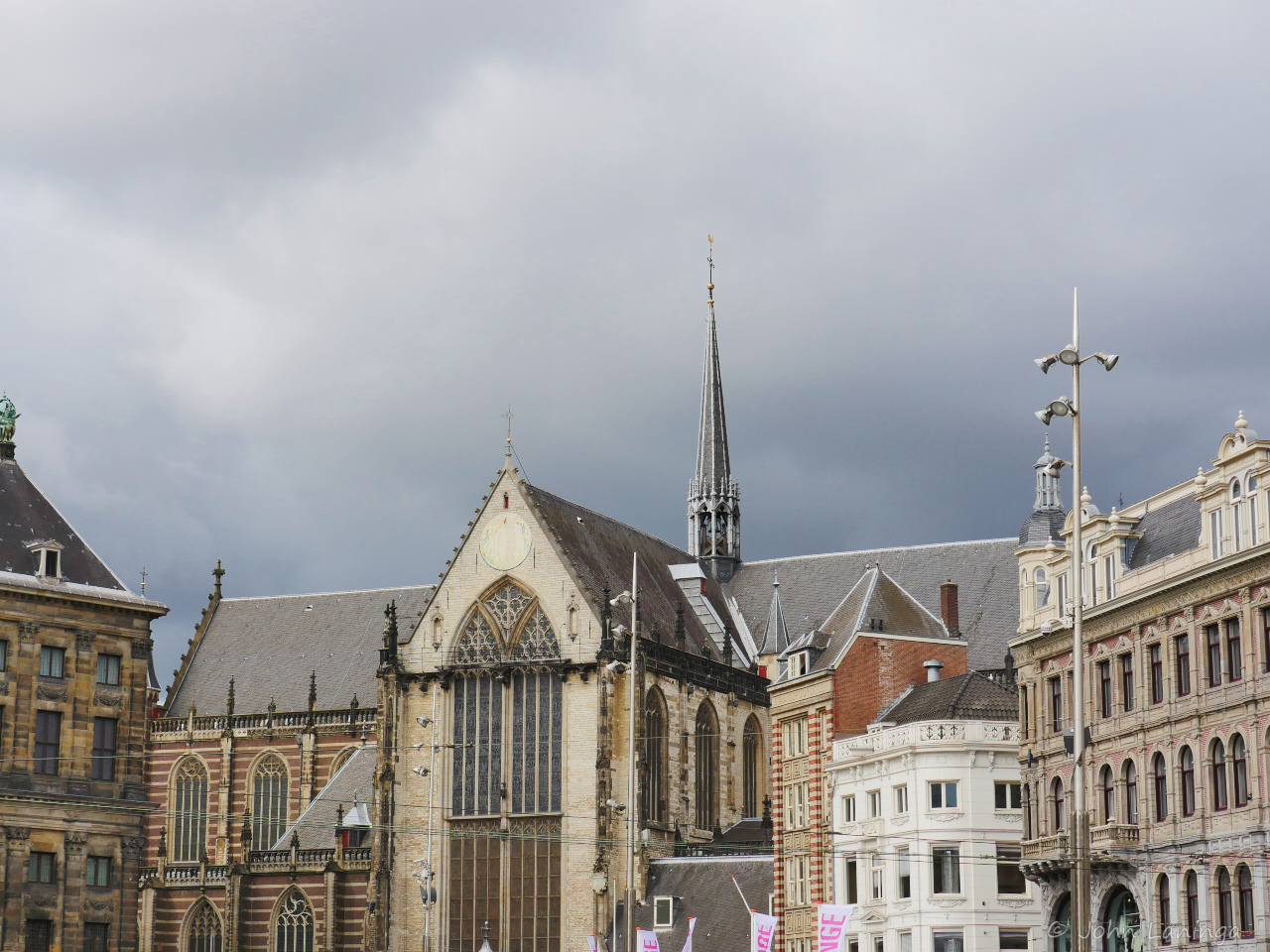
Some government buildings and churches
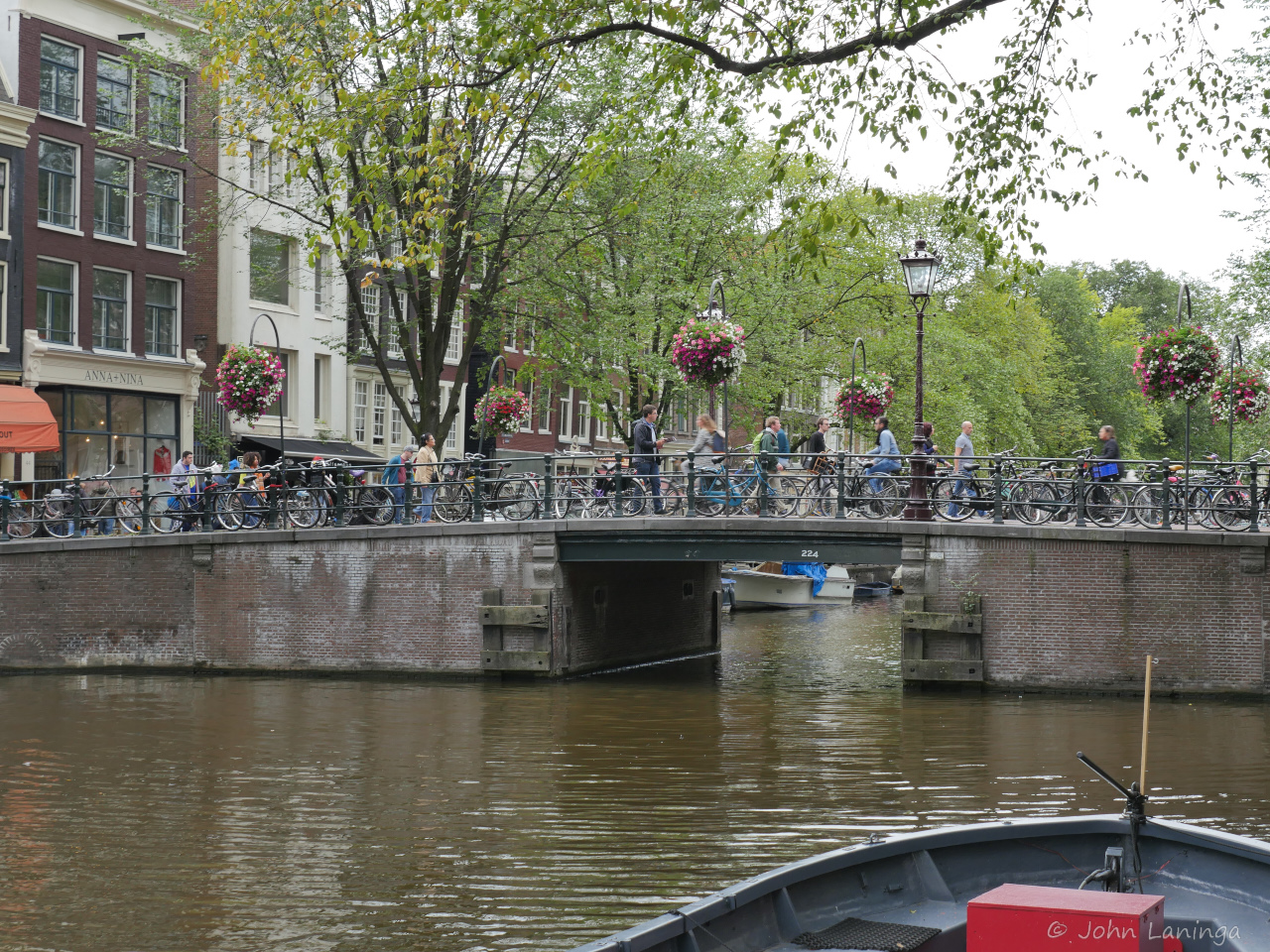
Of course, a canal with typical bridge (and bicycles)
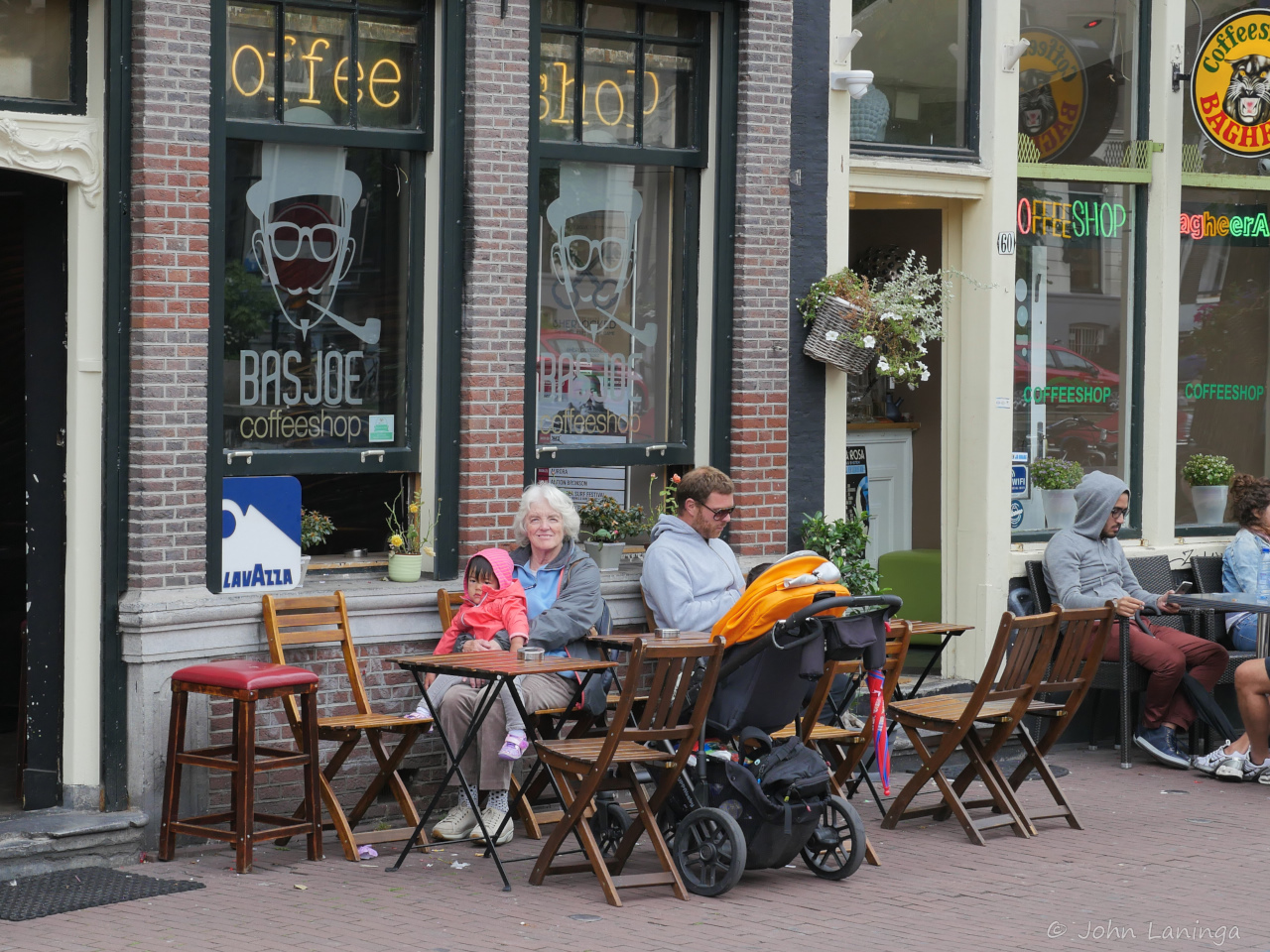
Grandma with grandchild enjoying a break at a stoner coffee shop
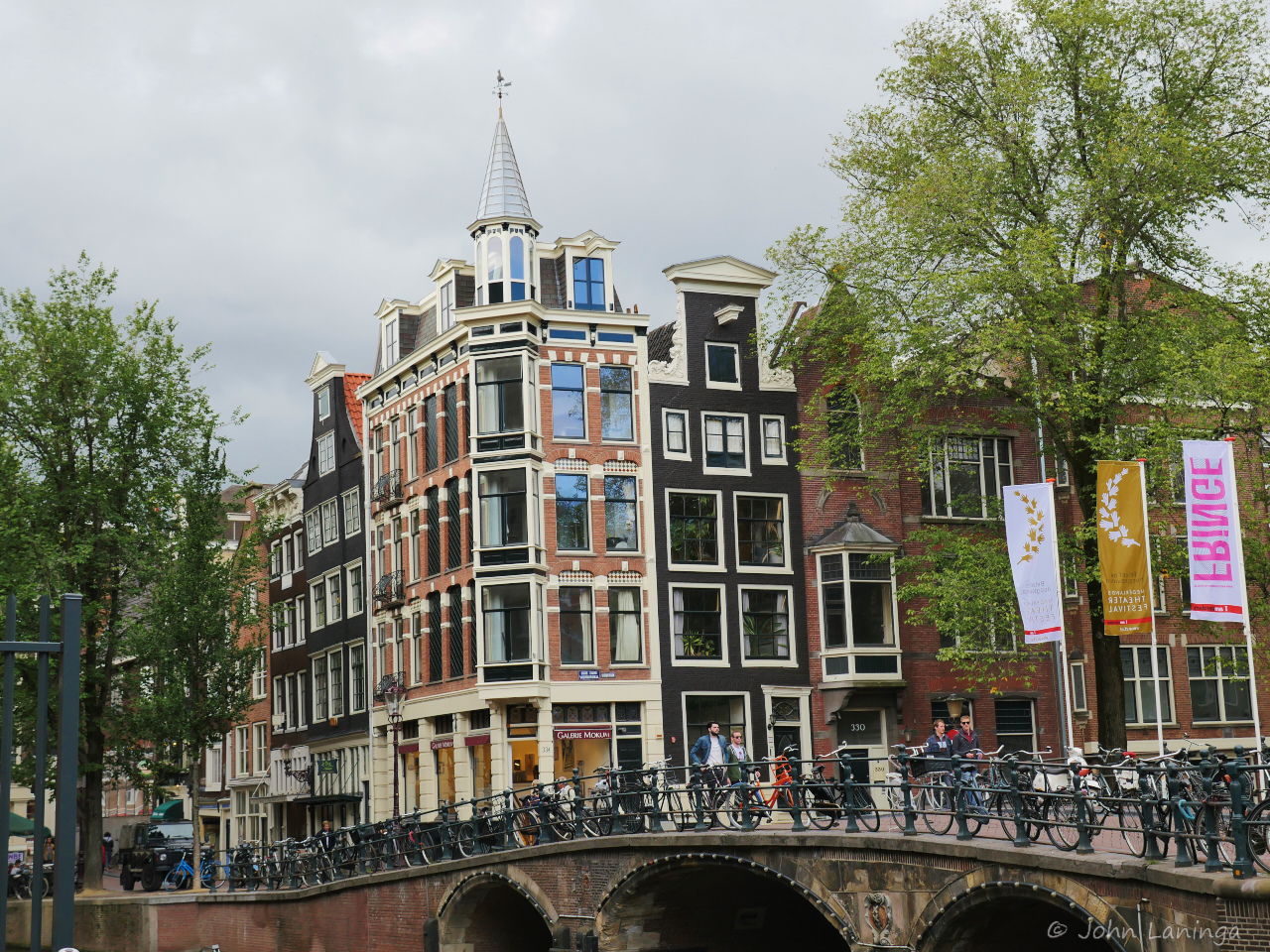
Some impressive residential buildings
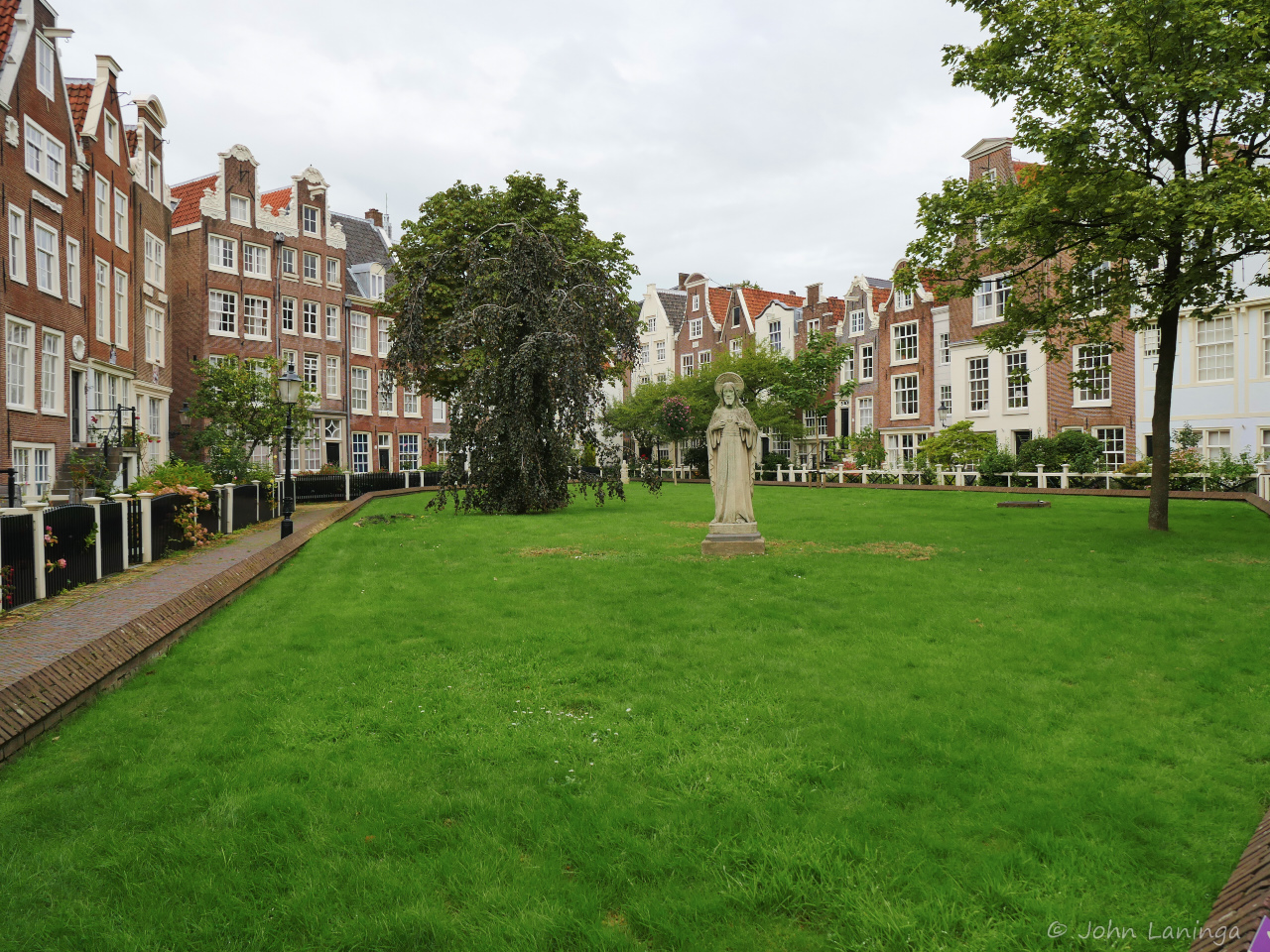
Inside one of the private courtyards

More canals, more bicycles
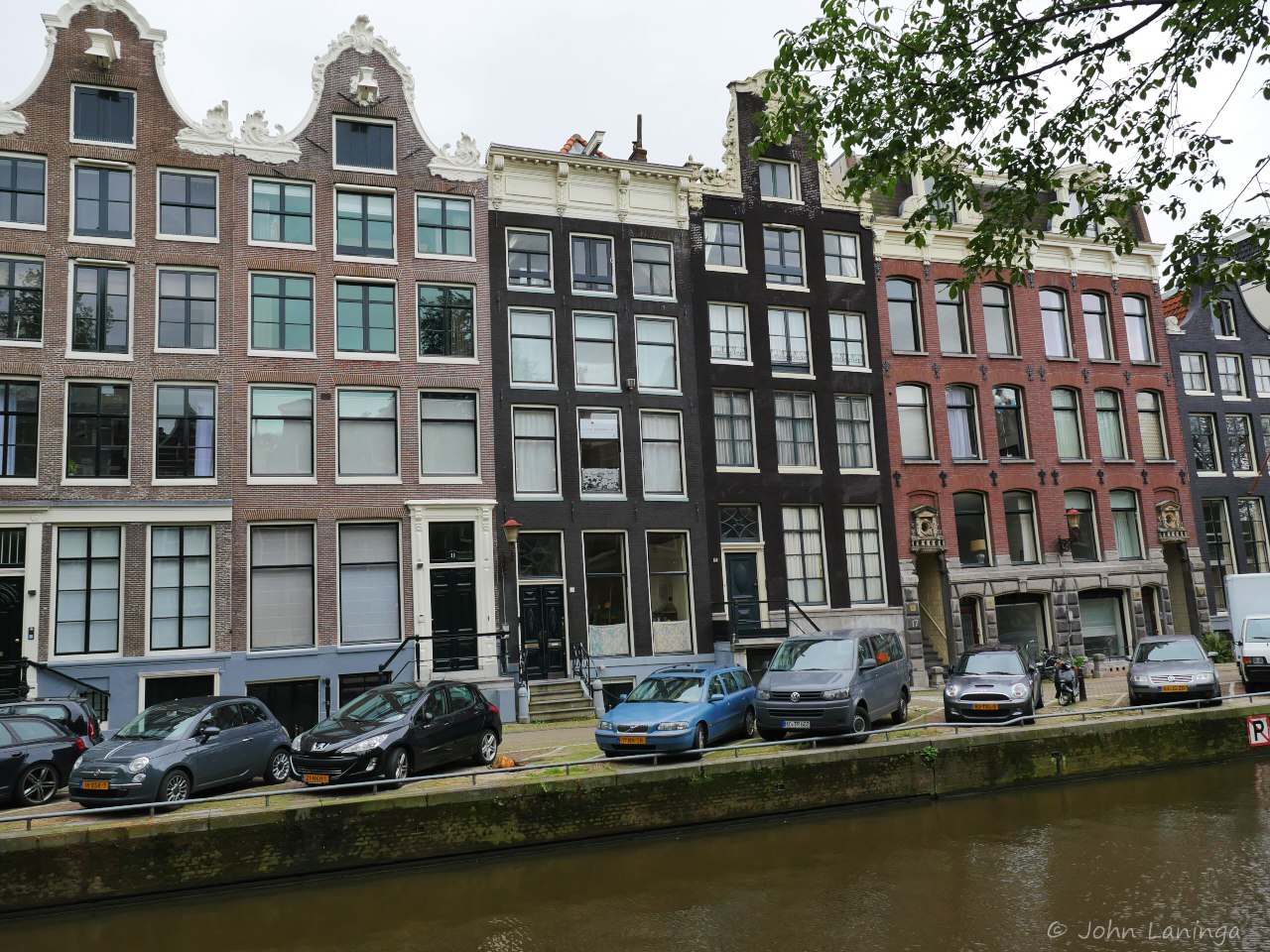
Classy buildings along the canal

Canal, and old church
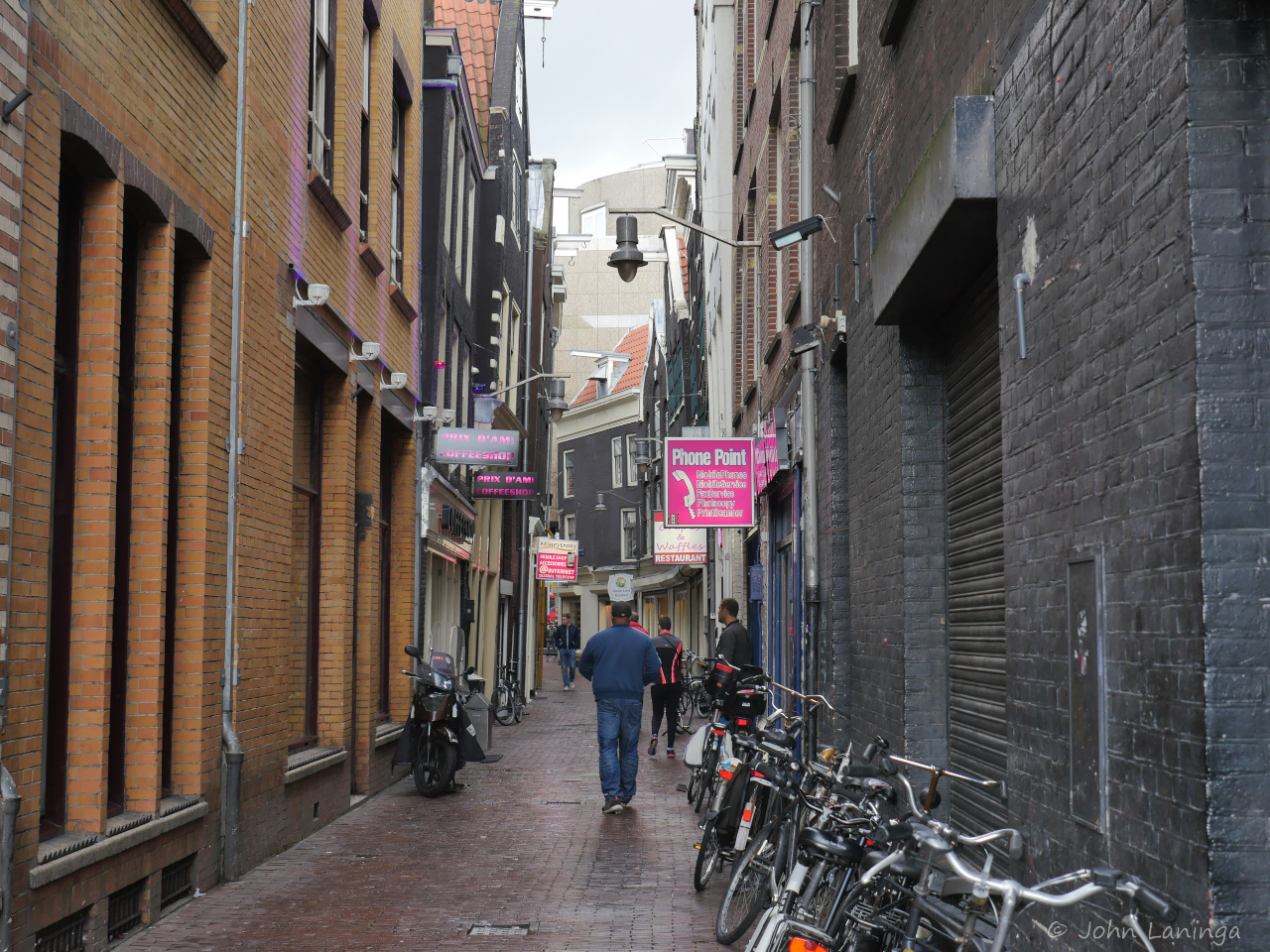
Walking one of the shopping streets
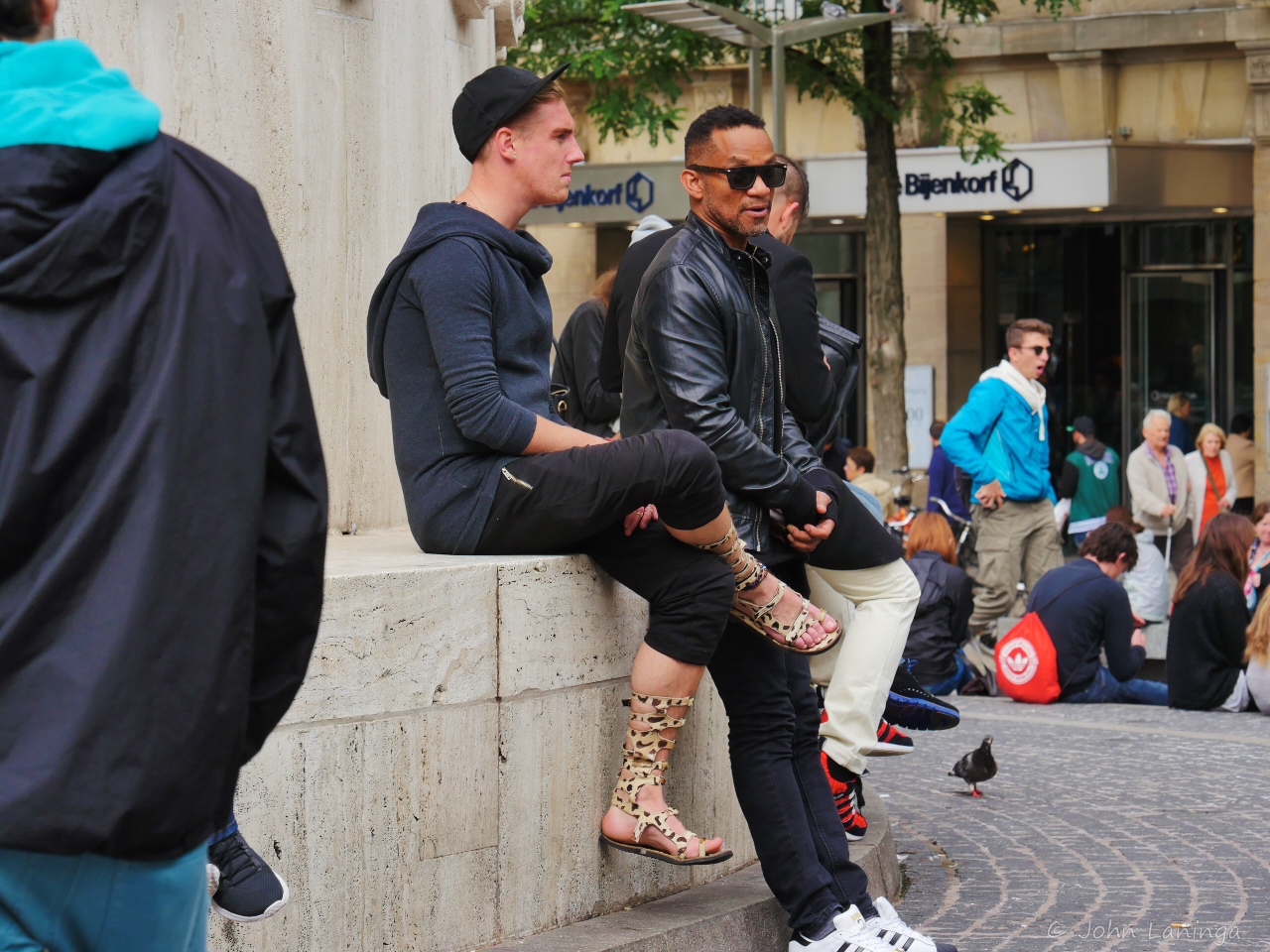
Fashionable footwear
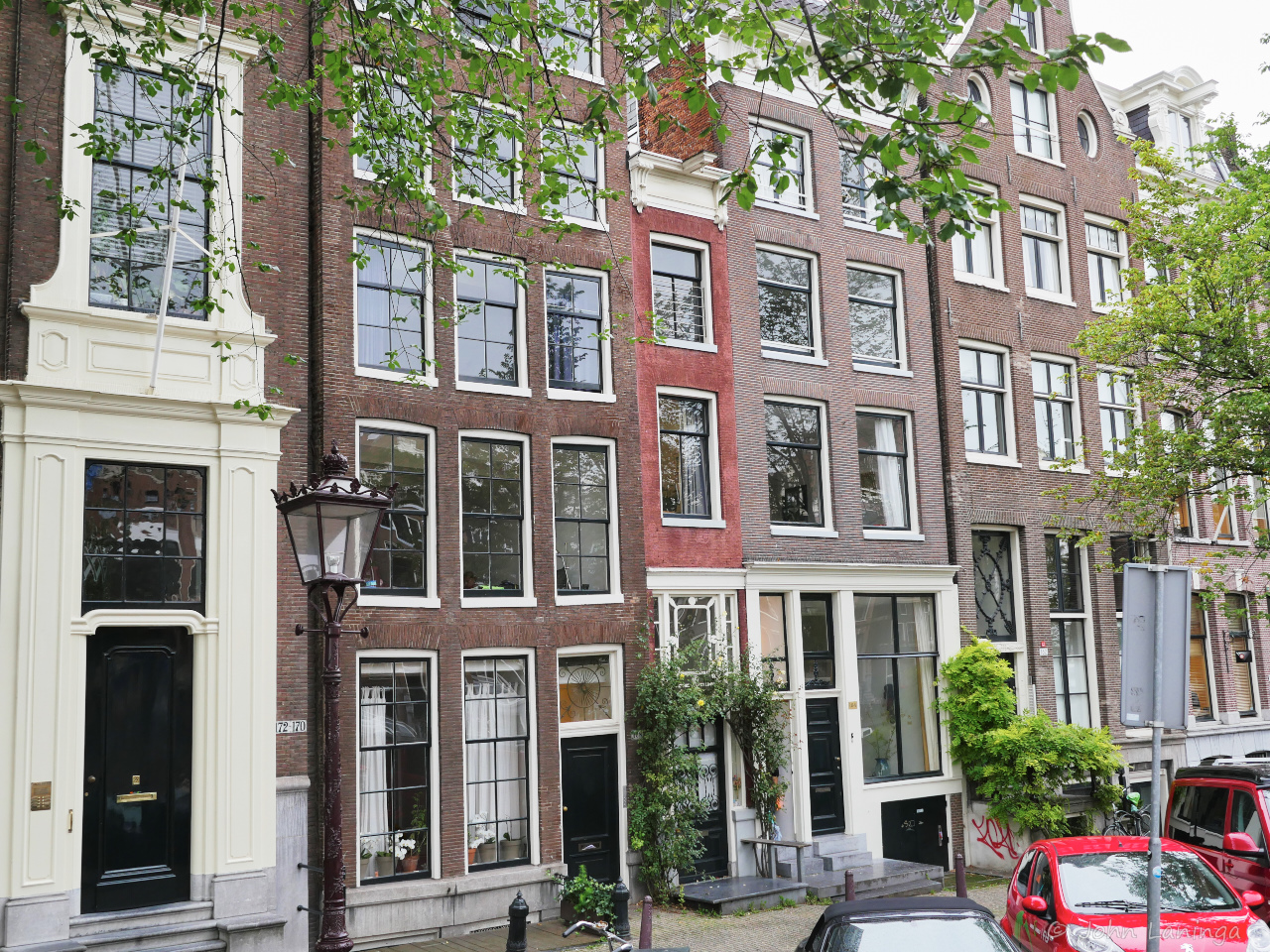
Smallest house in Amsterdam (the red building), 39 inches wide and occupied too!
Bruges, Belgium
Bruges was a portal to The Amber Road, a trade route to the East that began in 1600 BC. Traces of human activity in Bruges date from the Pre-Roman era. The earliest fortifications were built in the first century BC, to protect the coastal area against pirates. The Franks took over the whole region around the 4th century. Viking incursions of the ninth century prompted the reinforcements in the walls and buildings.
Bruges had a strategic location at the crossroads of the northern and southern trade routes. It fostered a wool and cloth trade, growing into one of the largest trader cengters in the world. This opened a trade in spices, and also advanced commercial and financial techniques. A flood of capital soon took over the banking of Bruges. It became a major art center, attracting painters, novelists, and prominent people to settle here. But this prosperity would not last..
The silting of the local rivers and channels eventually closed the waterways, and trade dropped. The city suffered, and population declined. But In the last half of the 19th century, Bruges became one of the world’s first tourist destinations attracting wealthy British and French tourists. Now tourism is the major source of income for the city.
Bruges is known for chocolate, beer and lace. But it also has a great art history, and has the original “Madonna and Child” by Michelangelo on display in the Our Lady church. A spectacular place to visit!
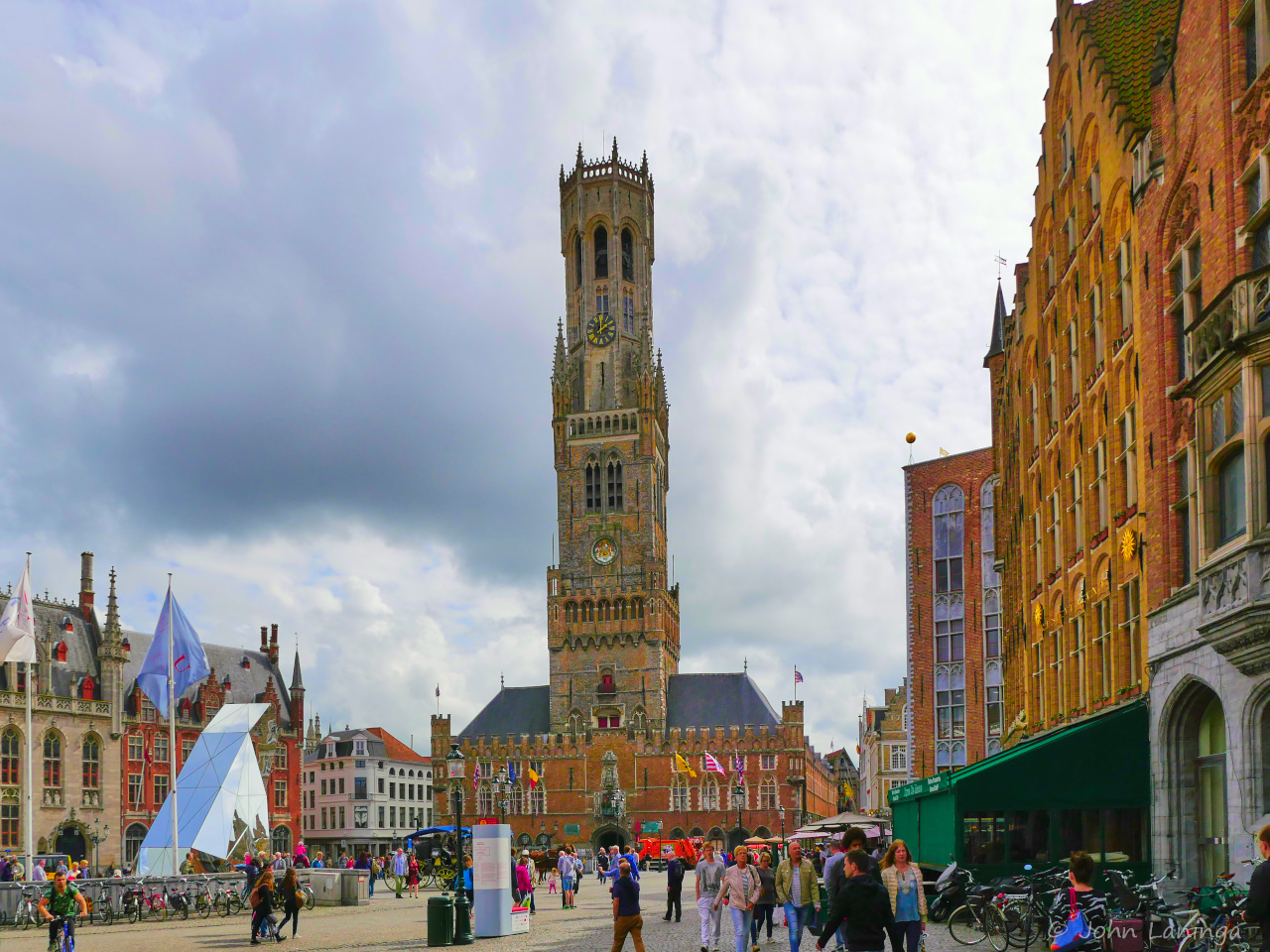
The Belfry on the Grote Markt in Bruges
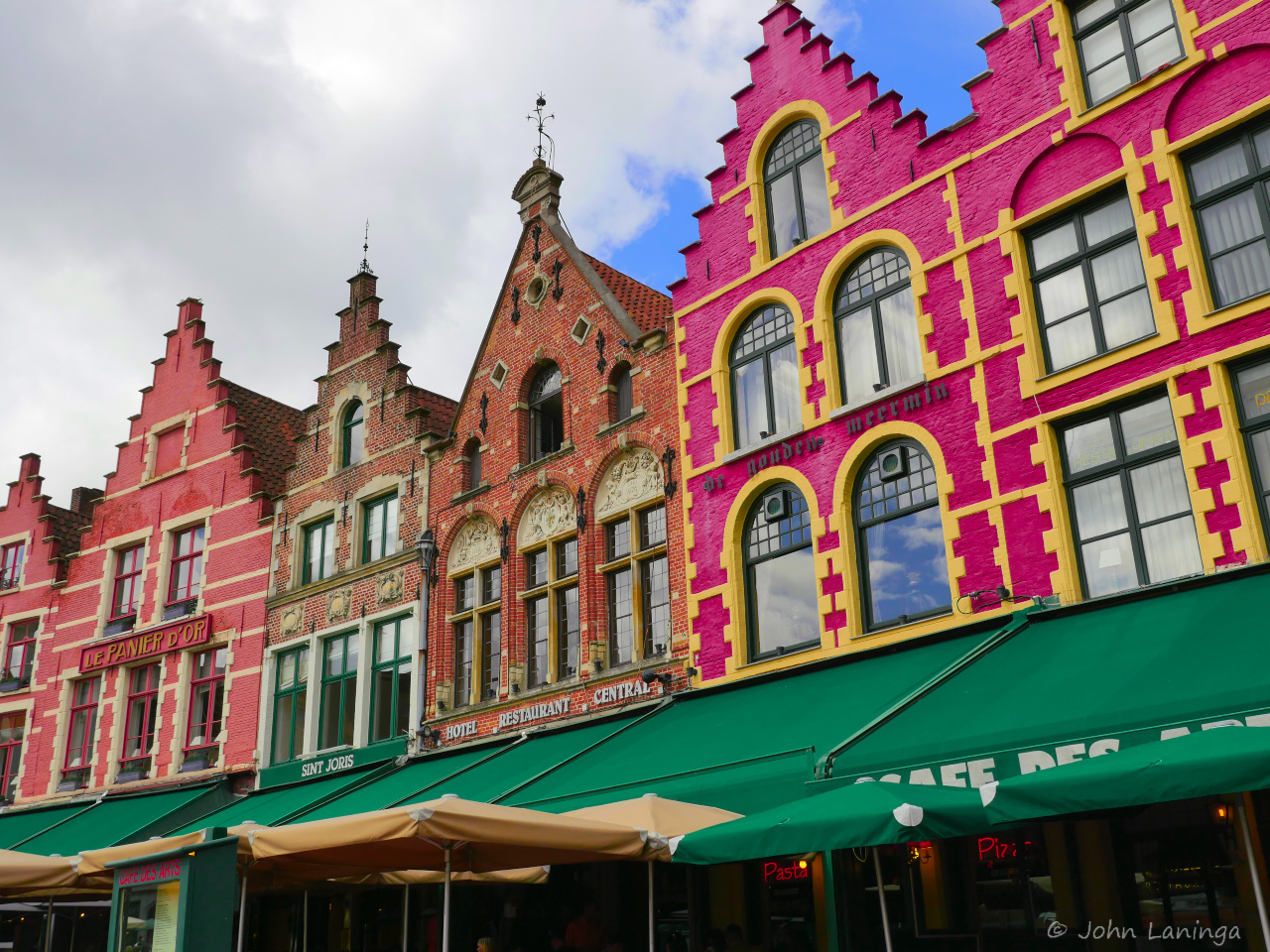
Colorful buildings on the Grote Markt

An almost gone skill, hand making making lace
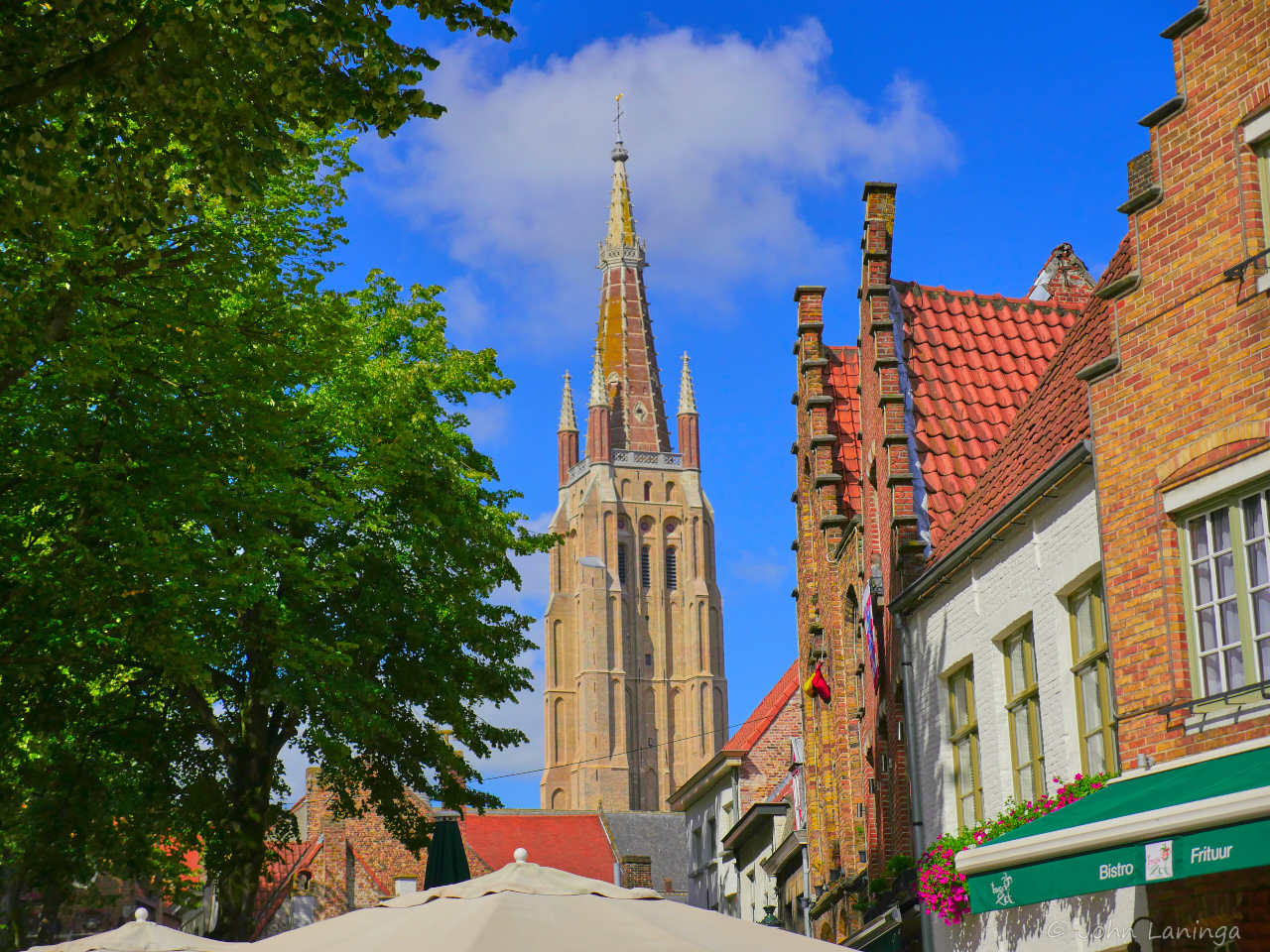
Tower of the Our Lady church
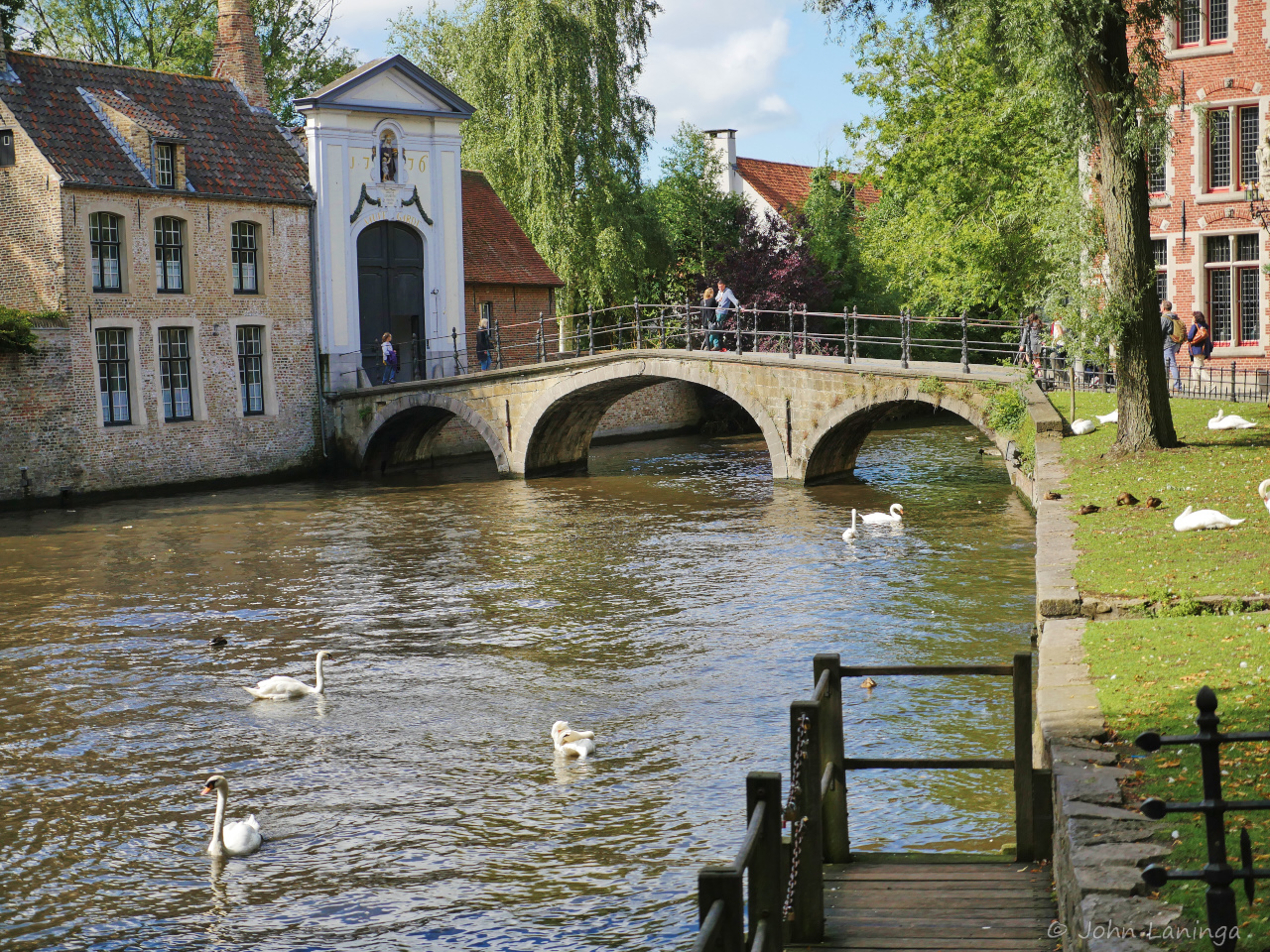
A bridge over the canal, and swans on the canal
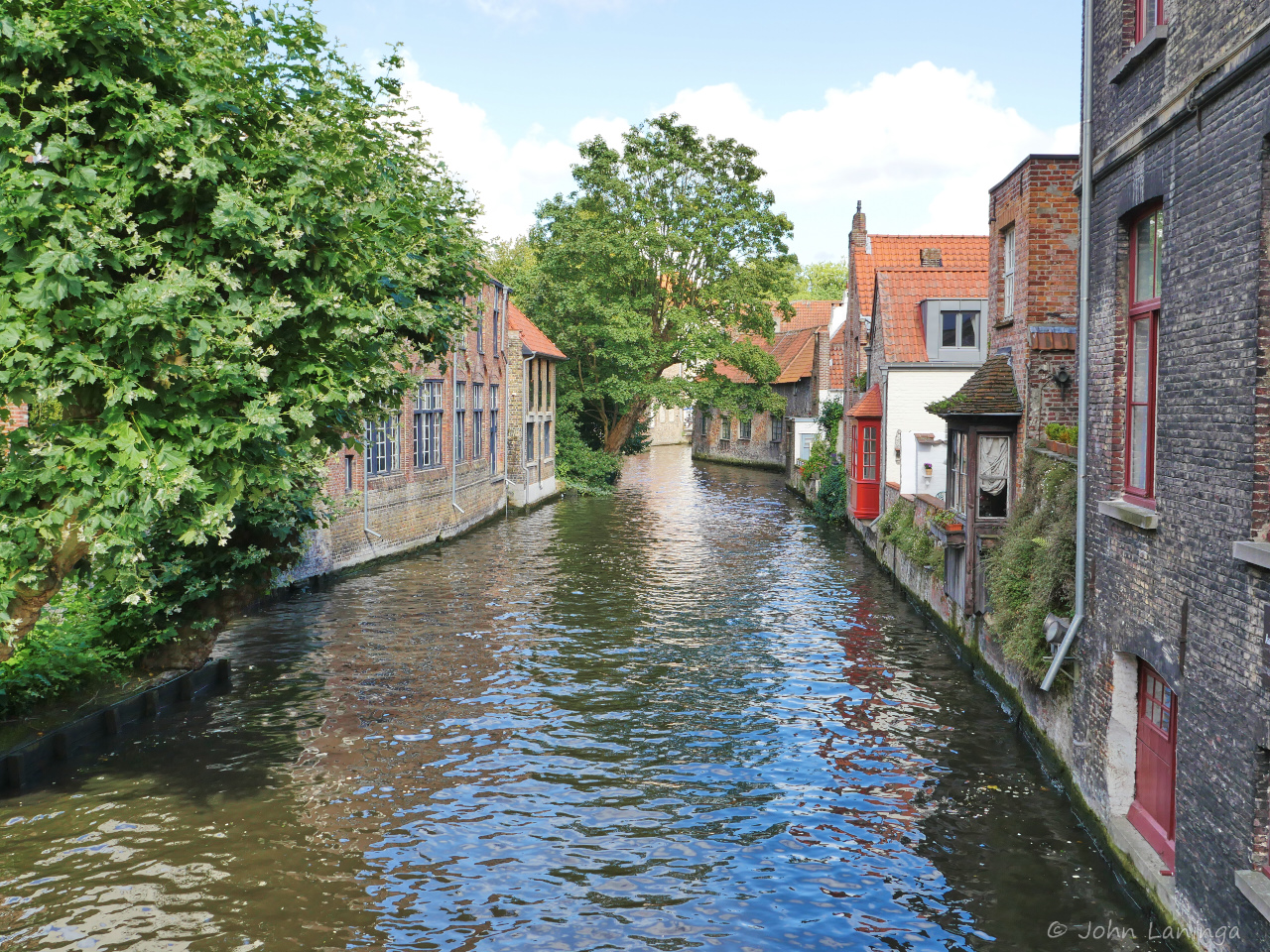
Canal view
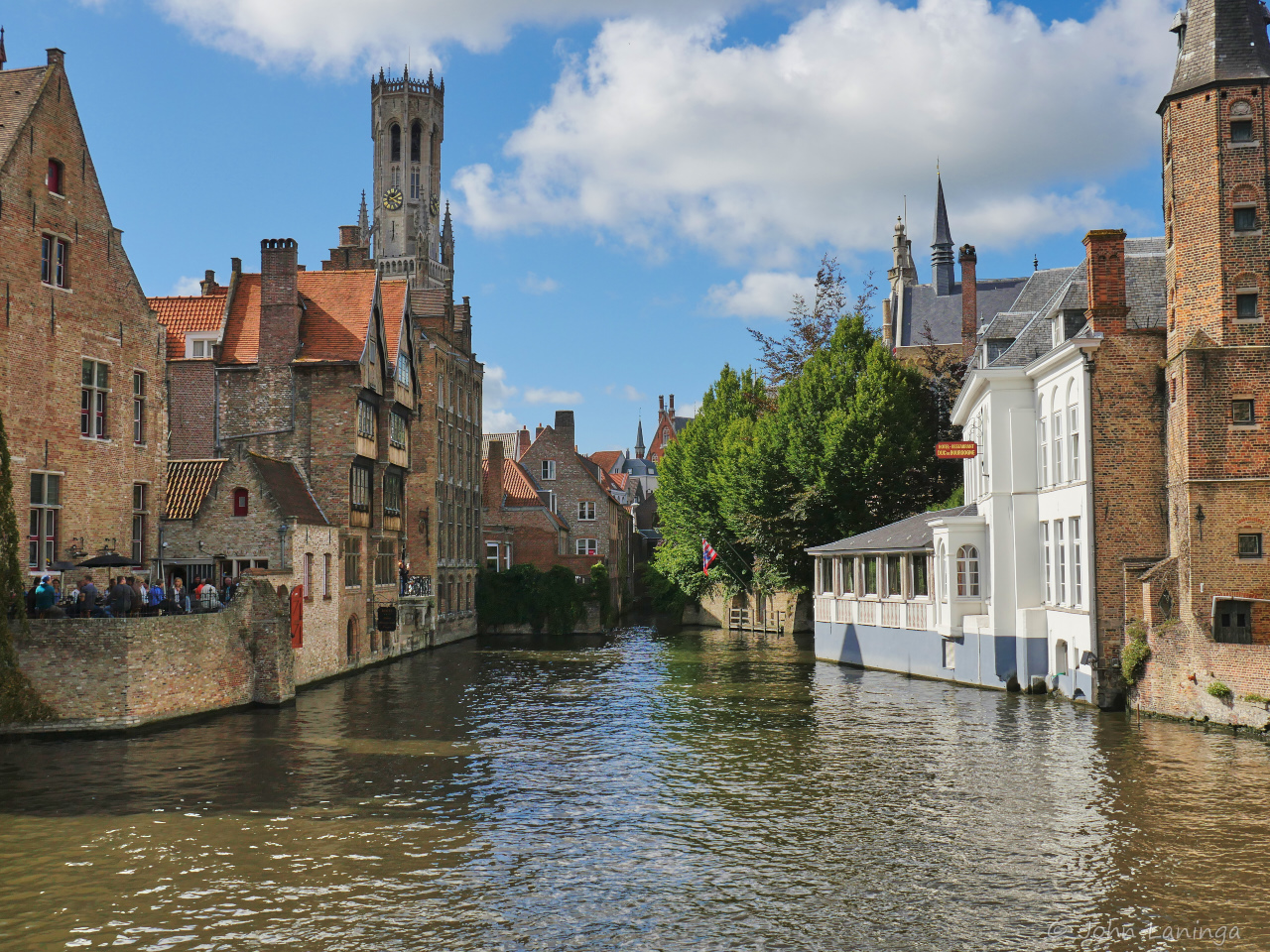
Another view of the Belfry, viewed across one of the canals

The street our hotel is on
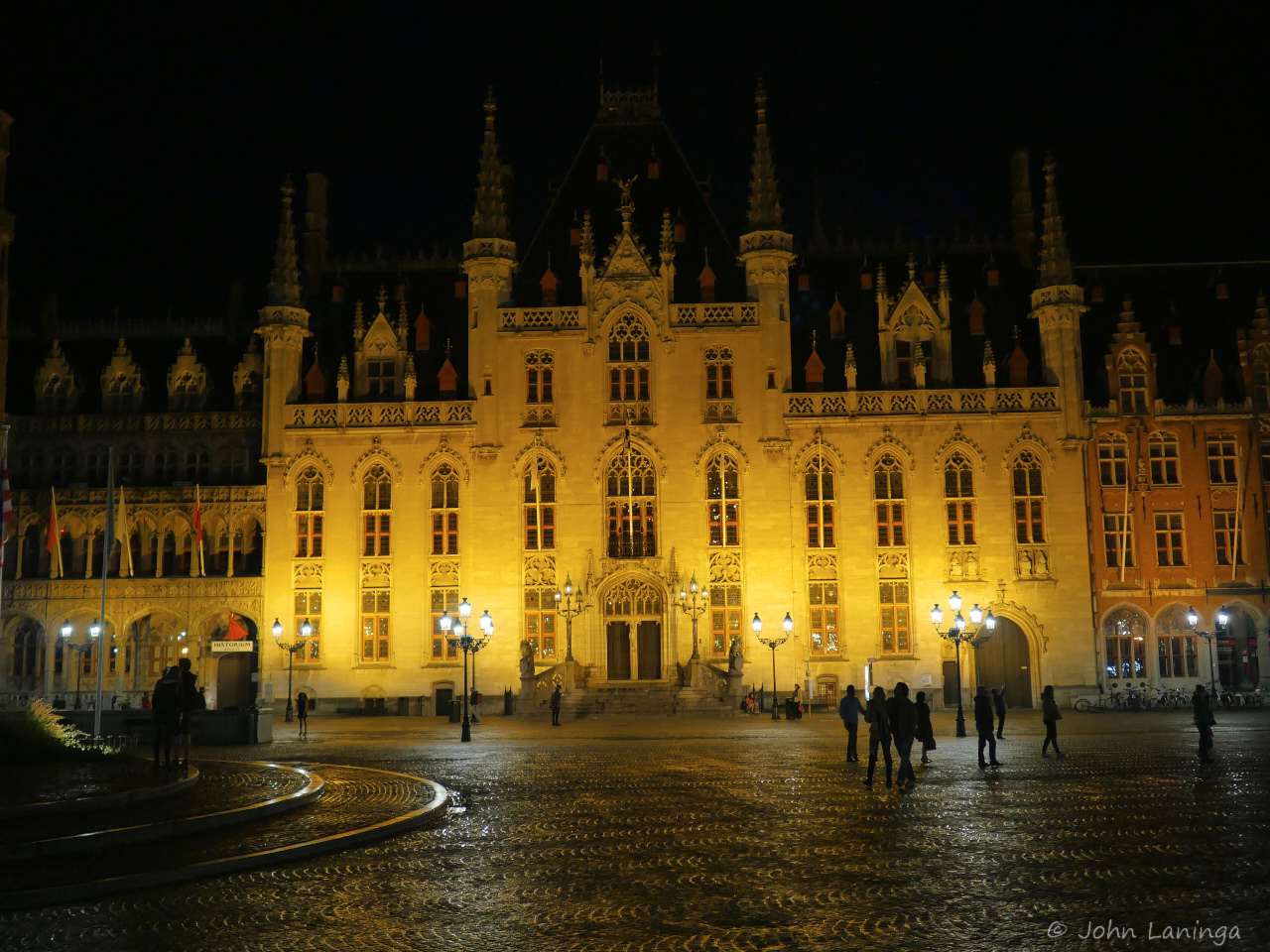
Impressive even at night
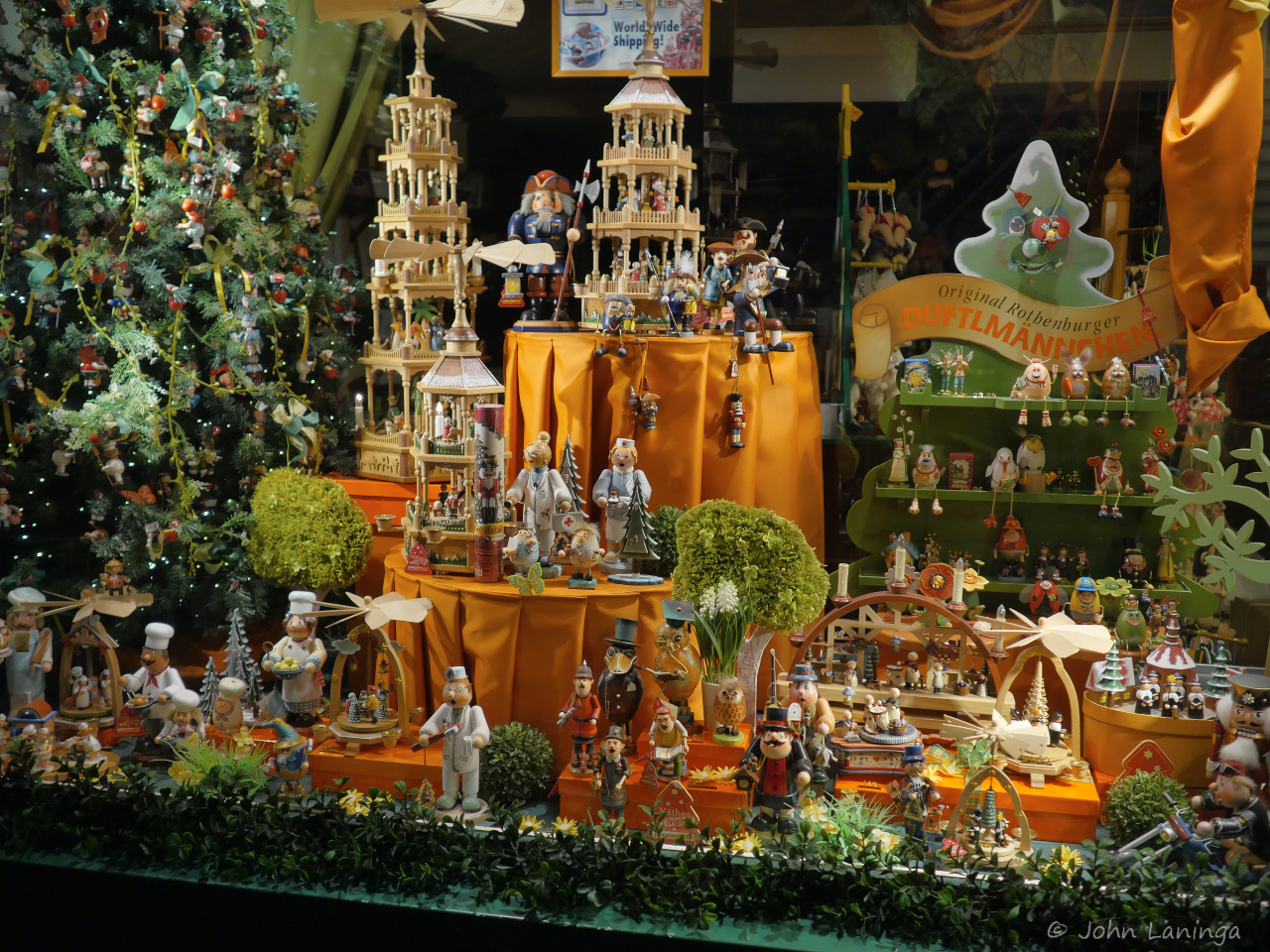
Window shopping
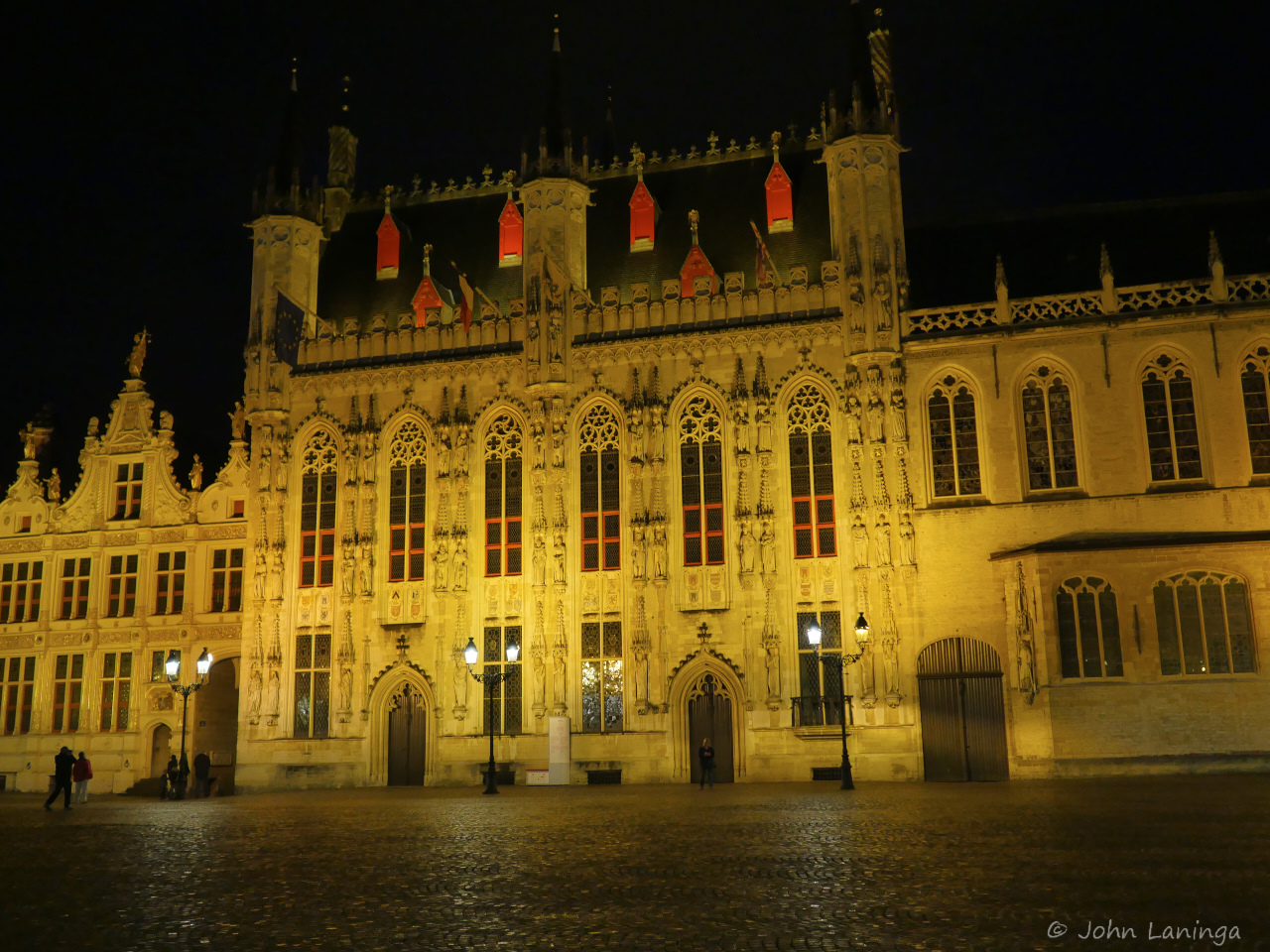
Government building at night
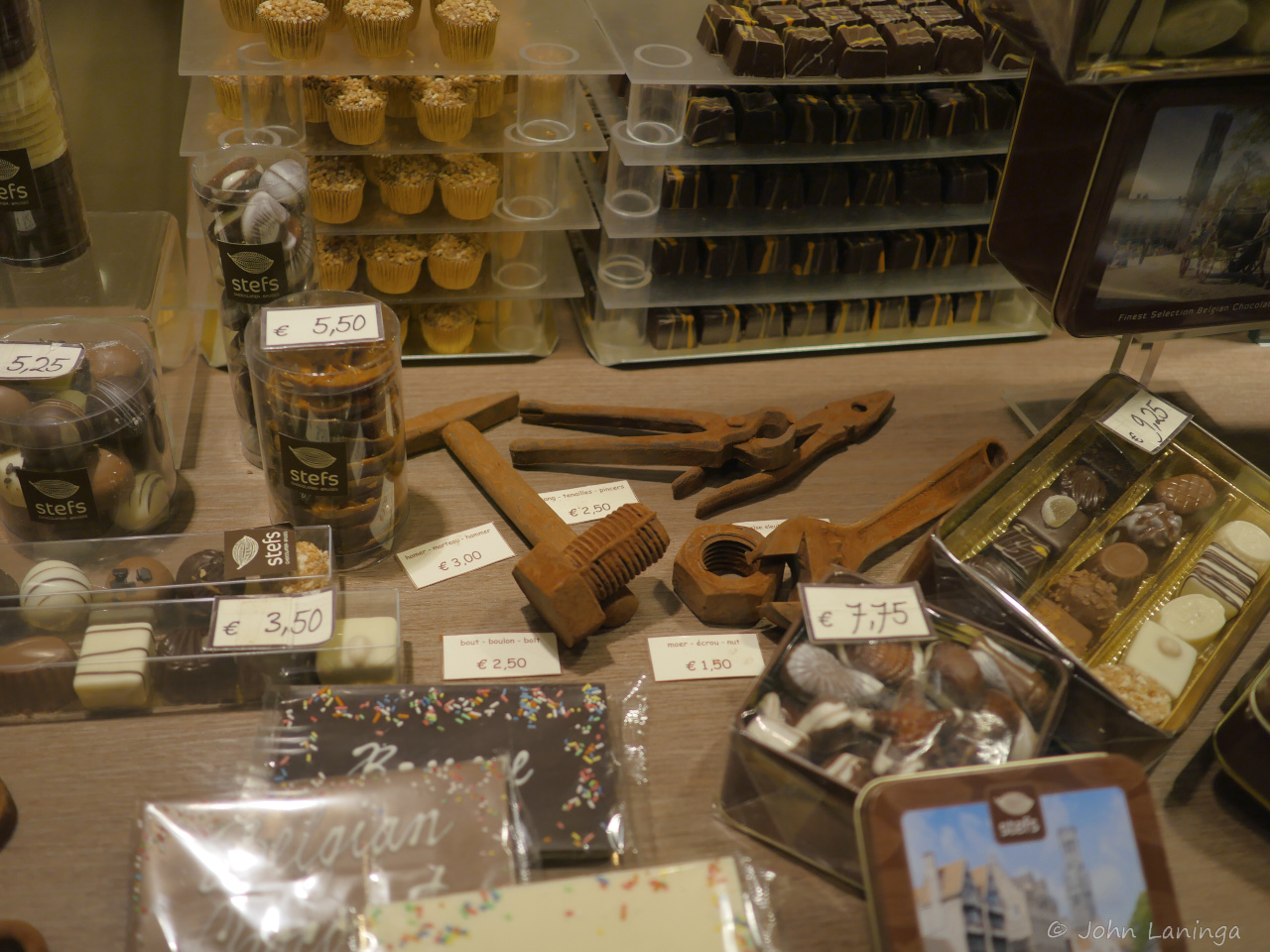
Yum! Chocolate! Check out the chocolate tools
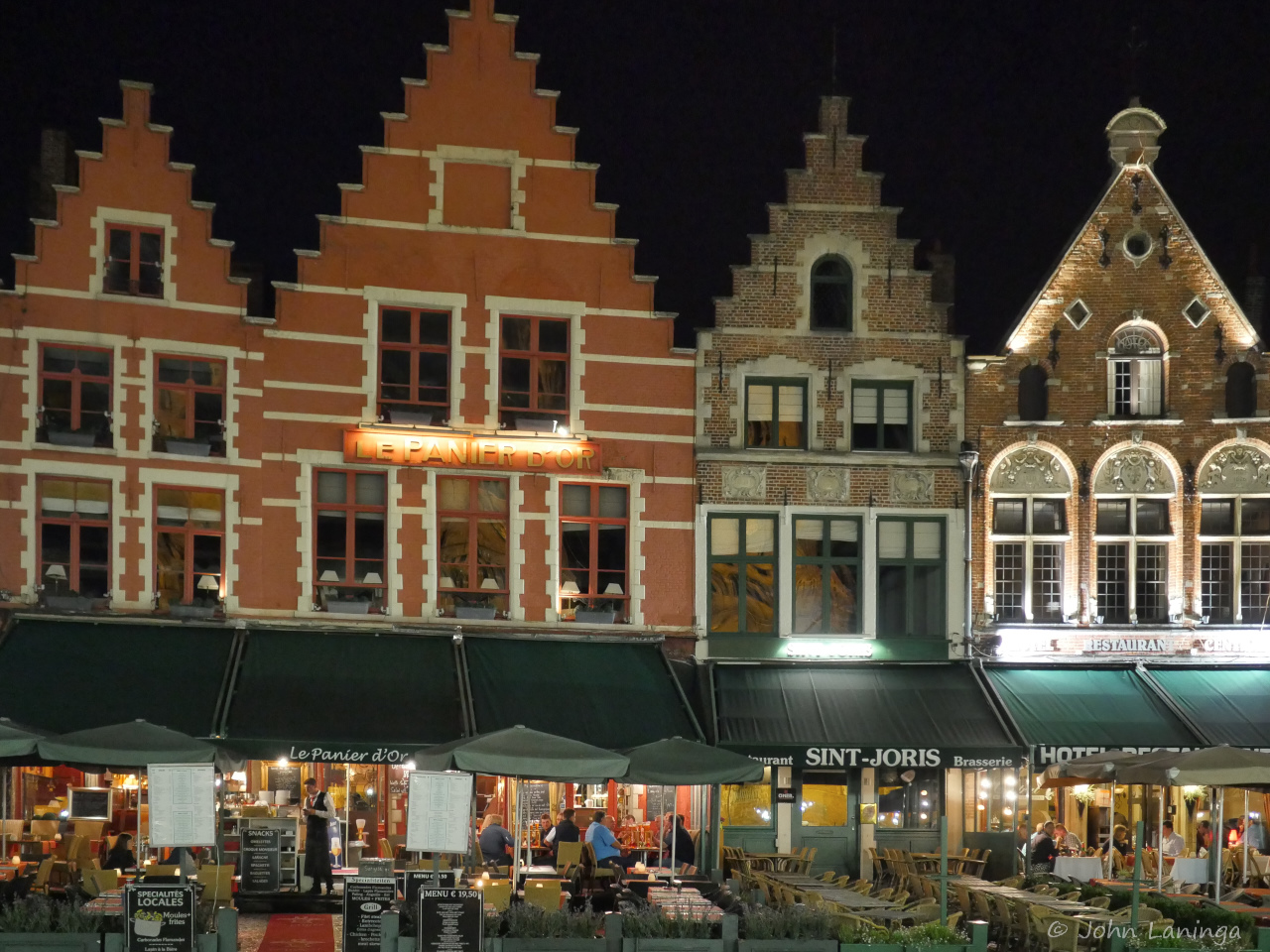
Grote Markt buildings at night
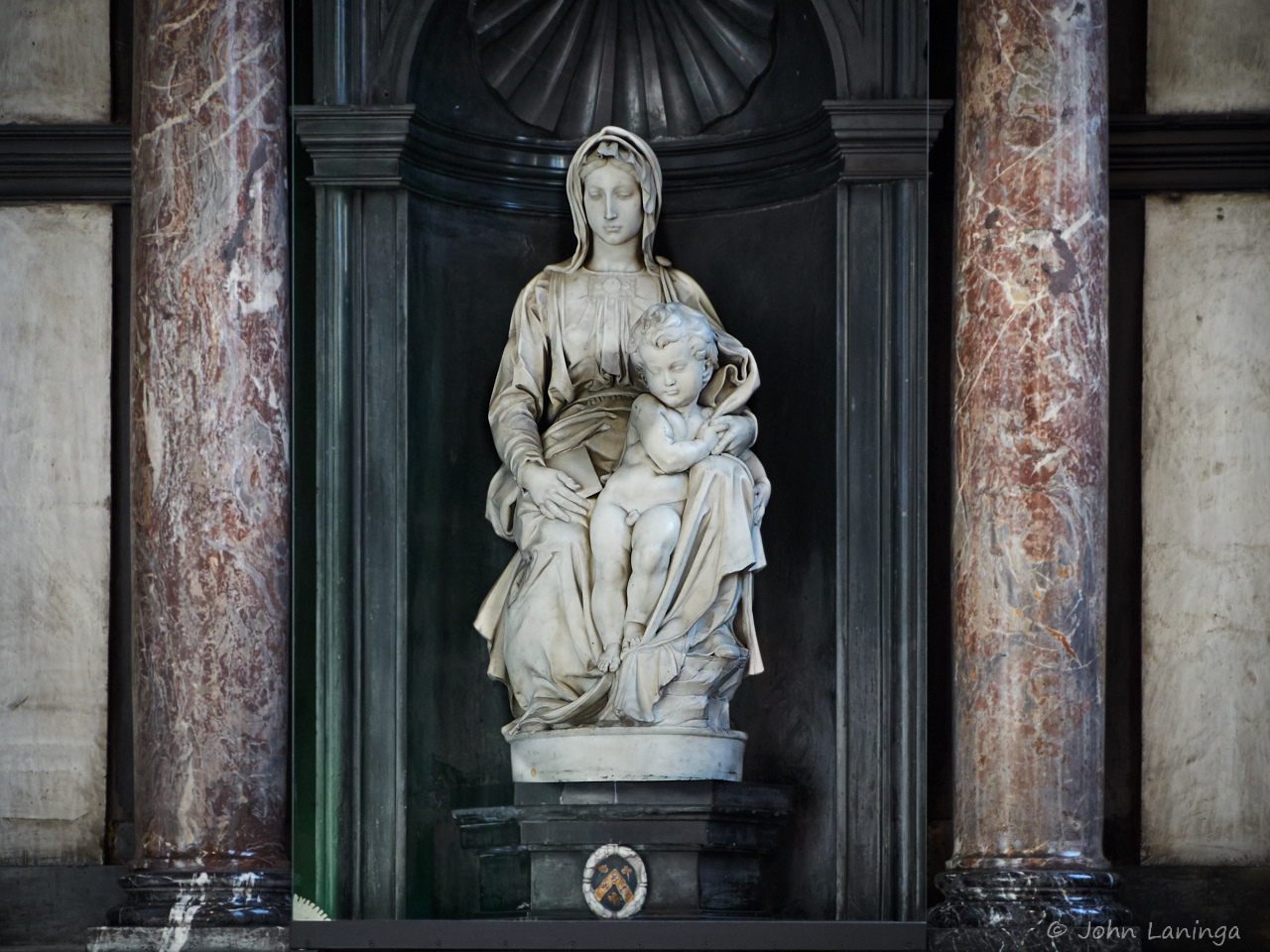
Madonna and Child, by Michelangelo
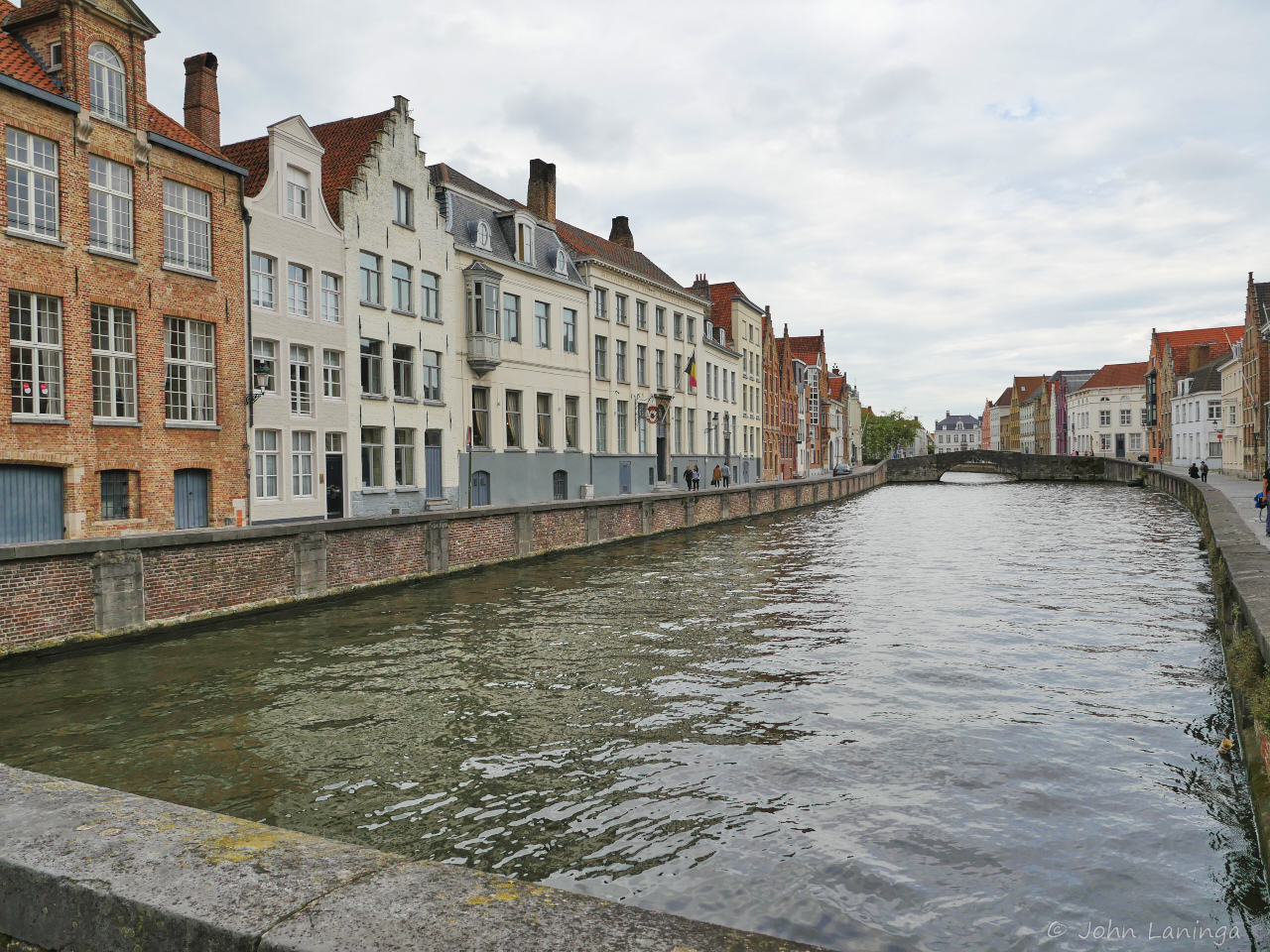
City view, on one of the main canals
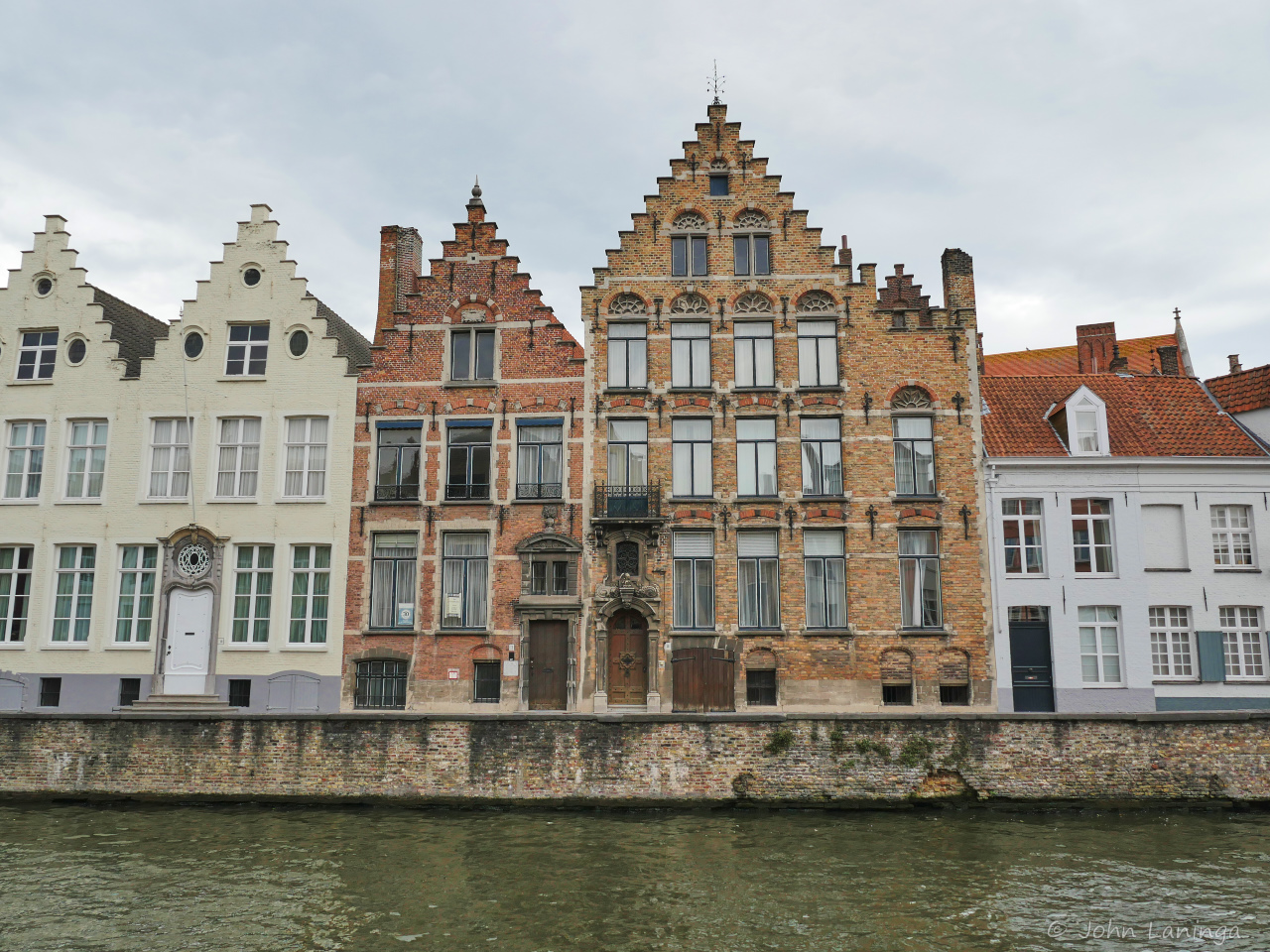
Local architecture, on the canal
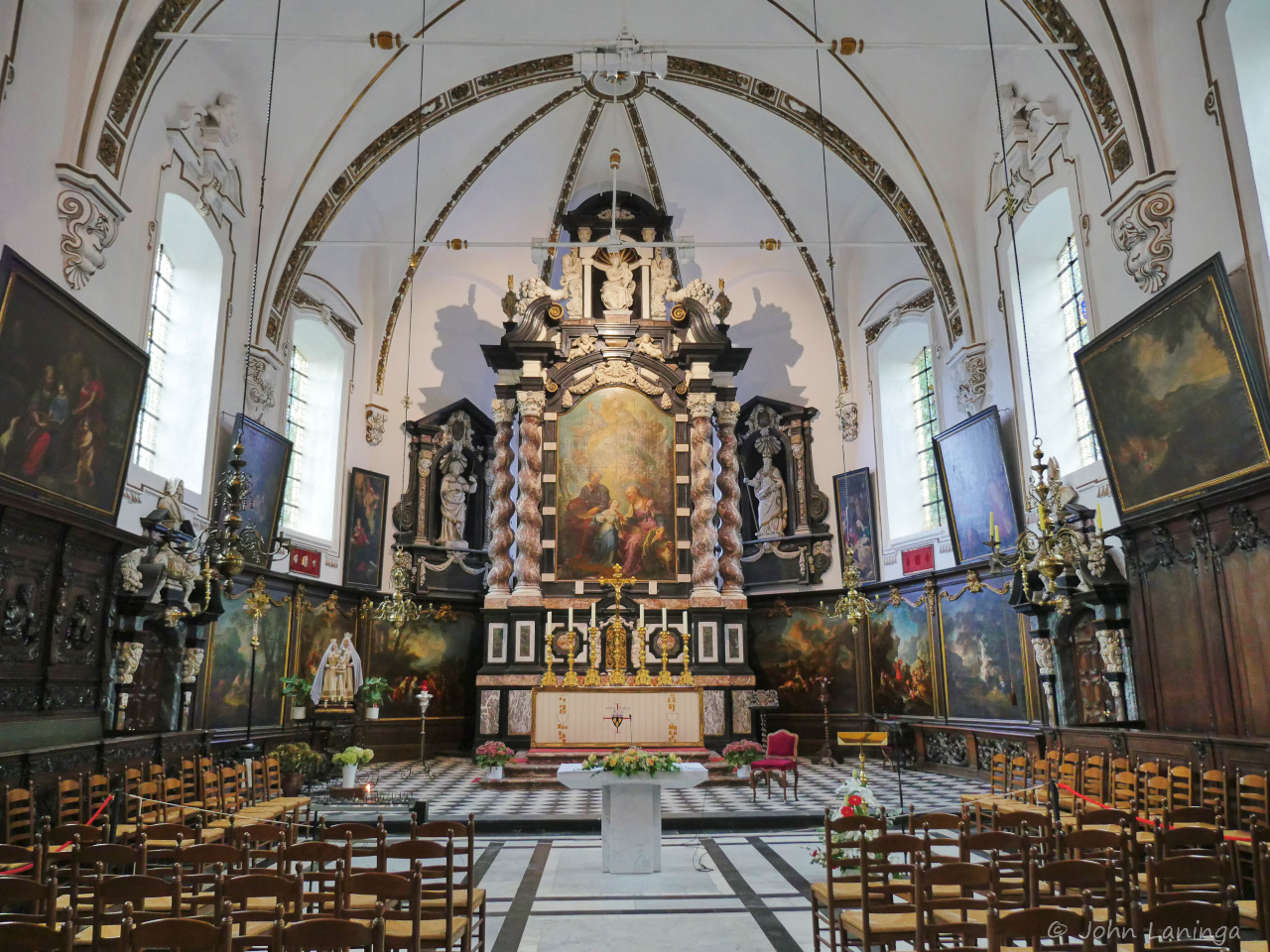
Inside a local church

Harp concert, and it was spectacular!
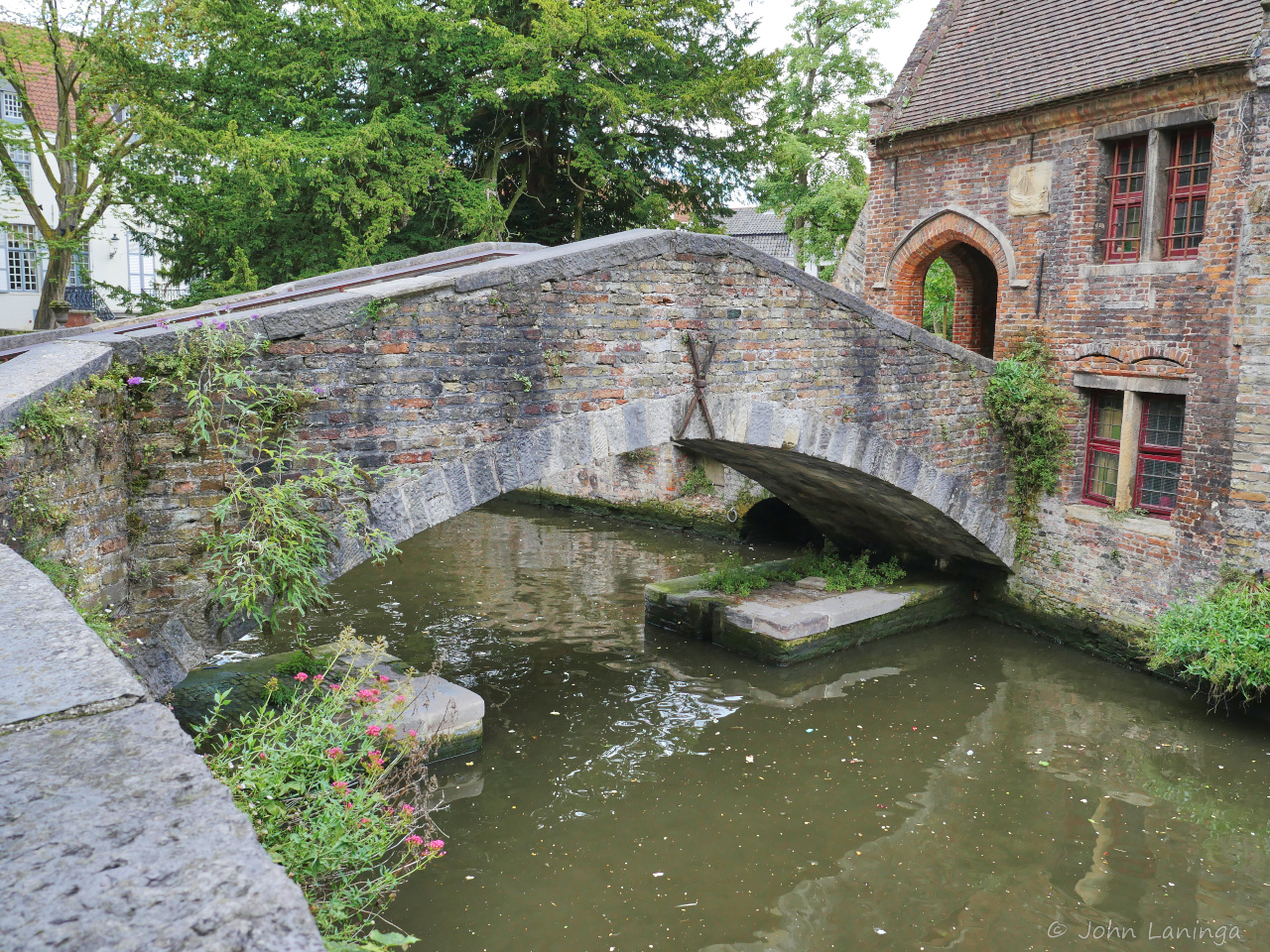
The smallest bridge in Bruges
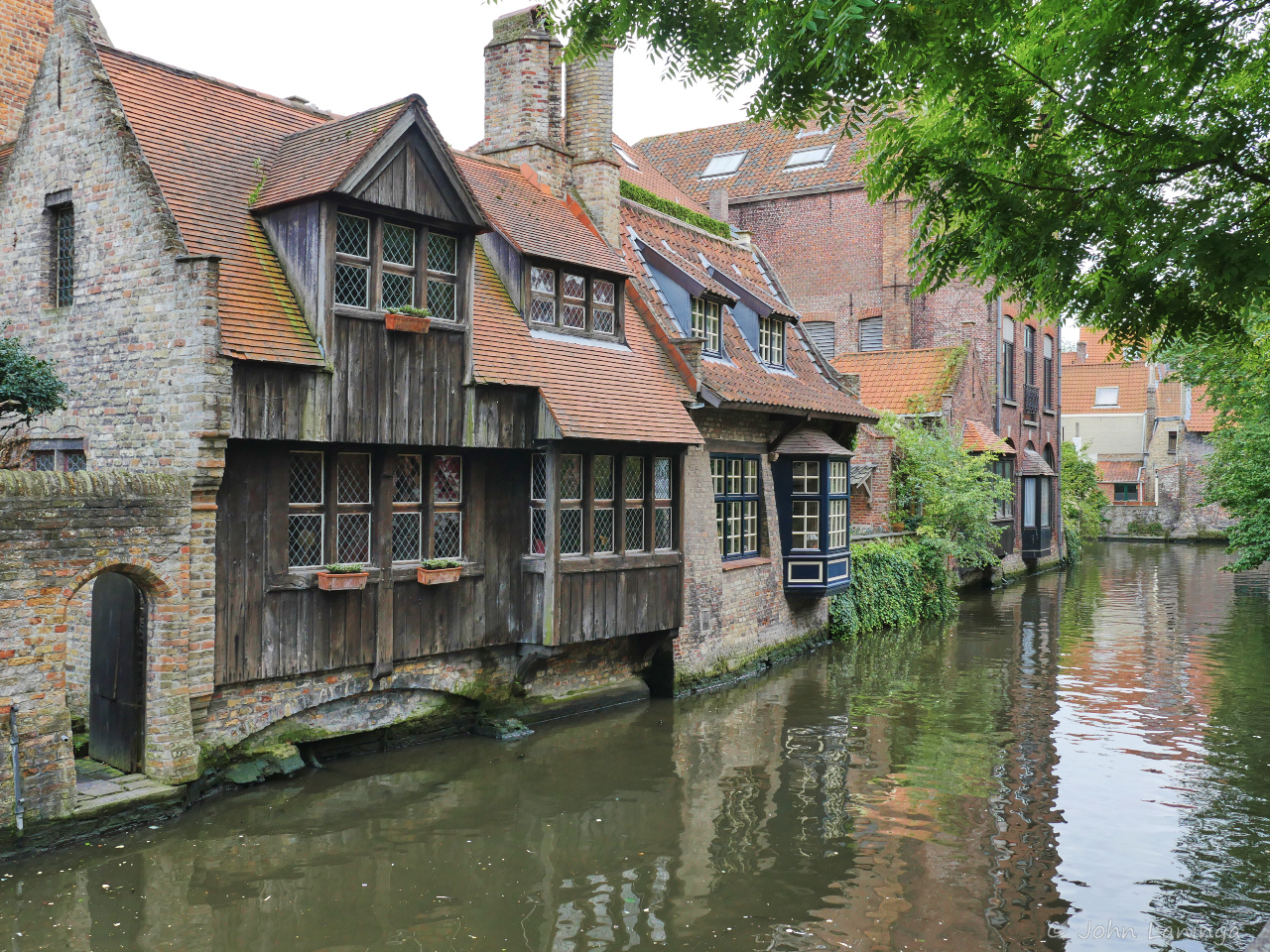
Old house on the canal
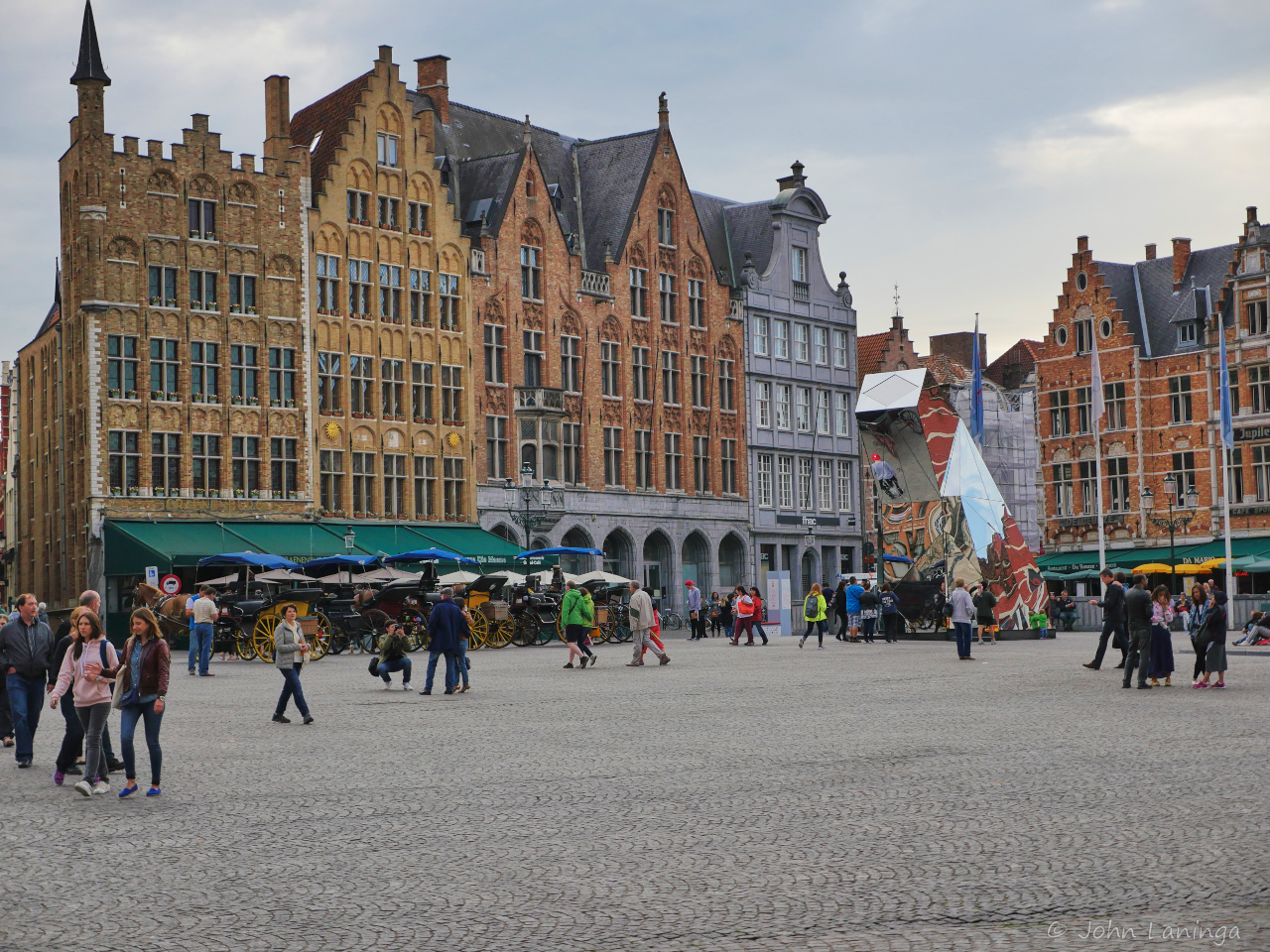
Evening view around the Grote Markt
Rotterdam’s Market Hall
Rotterdam was pretty much leveled during World War Two, and has been under reconstruction ever since. Now, it is considered one of the most architecturally diverse and interesting cities in Europe, if not the world. One of the buildings that has gained the most interest is the magnificent Market Hall.
Shaped like a large Quonset hut, it has a complete fresh food market with restaurants inside, and apartments in the structure itself. Some look to the inside, some on the outside. In either case, it is a spectacular place to visit, both from an architectural point of view or just to sample and eat the large variety of foods available.
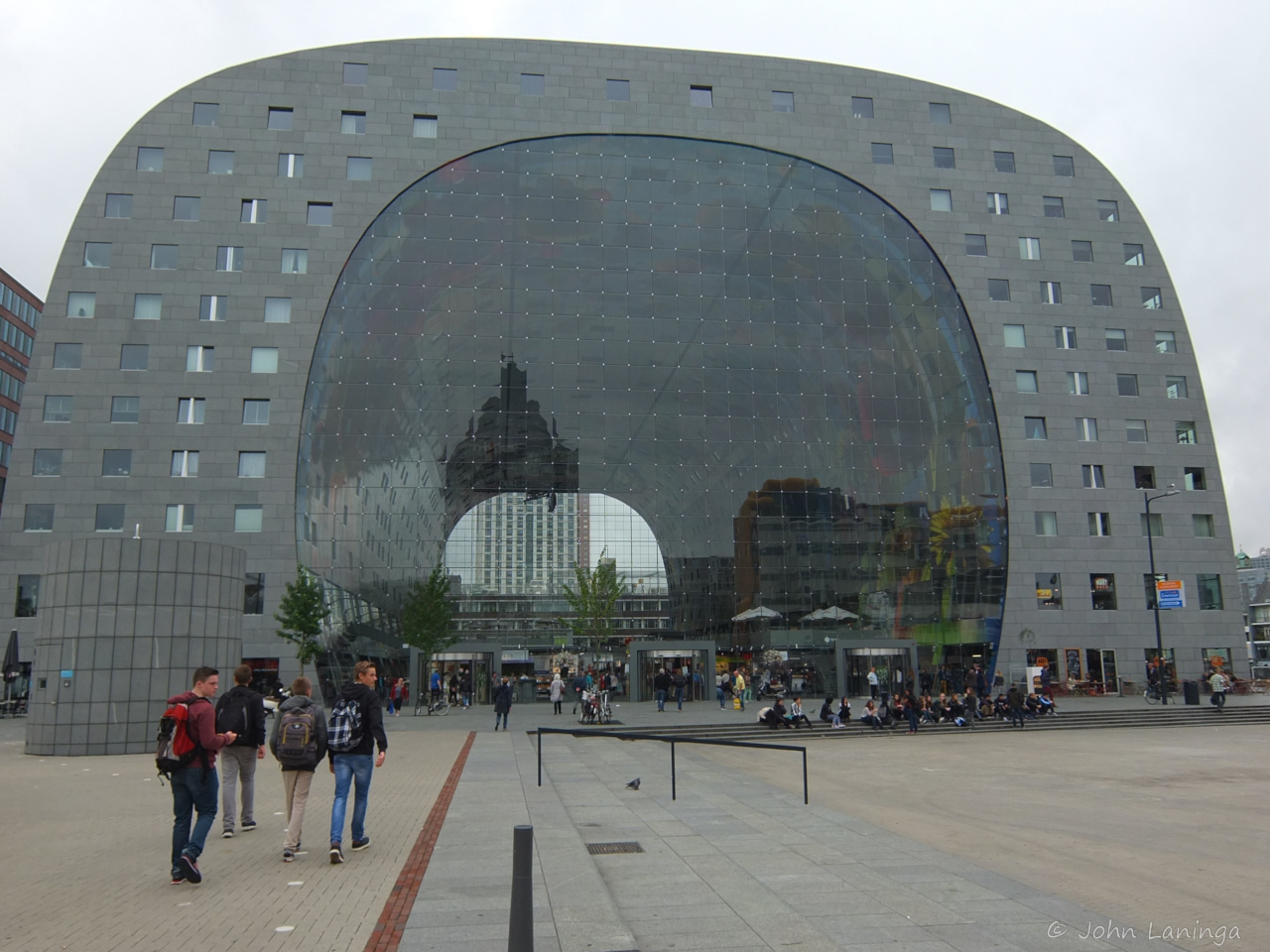
Looking at the Hall from the outside
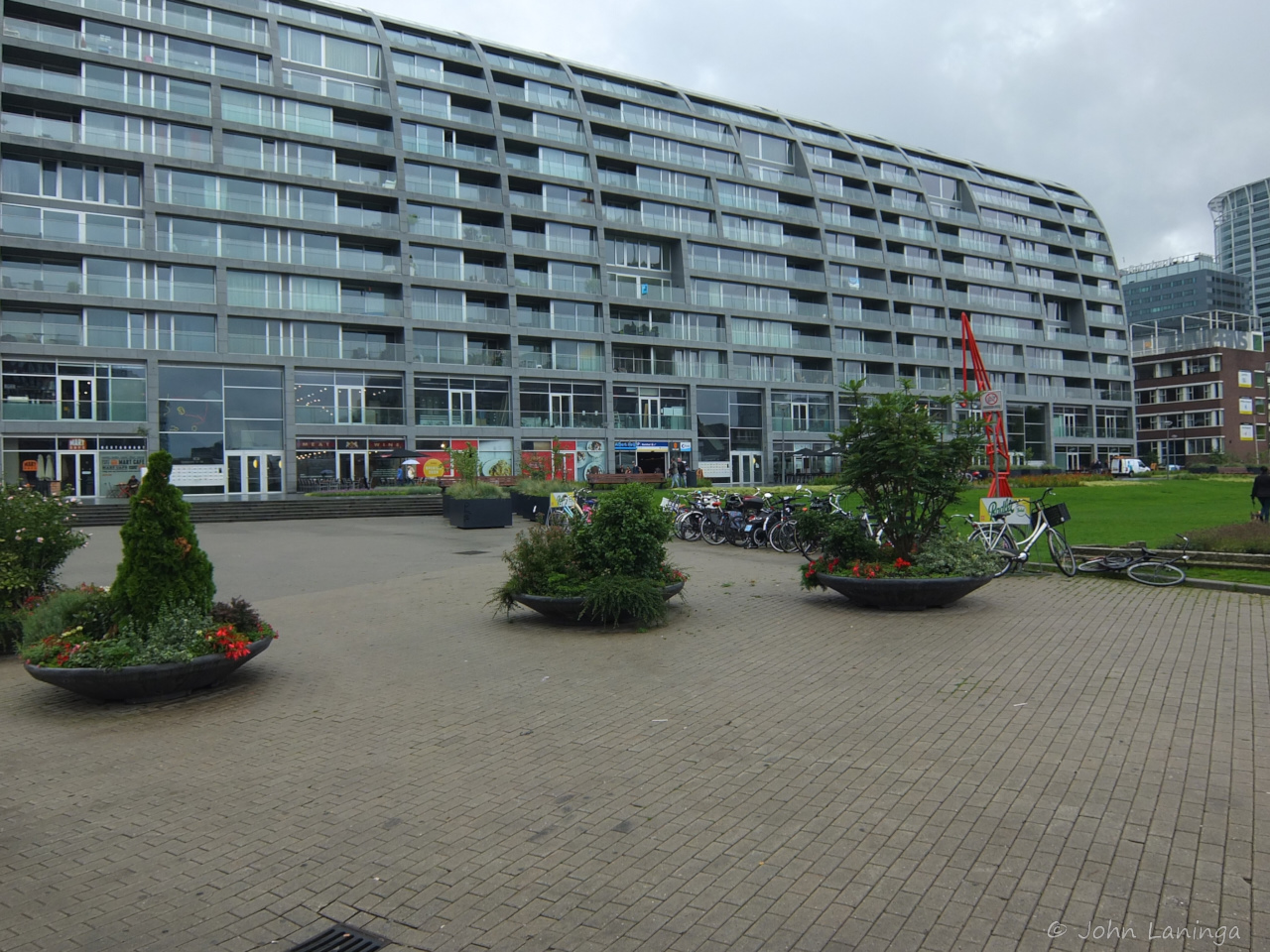
From the outside, the apartments are obvious
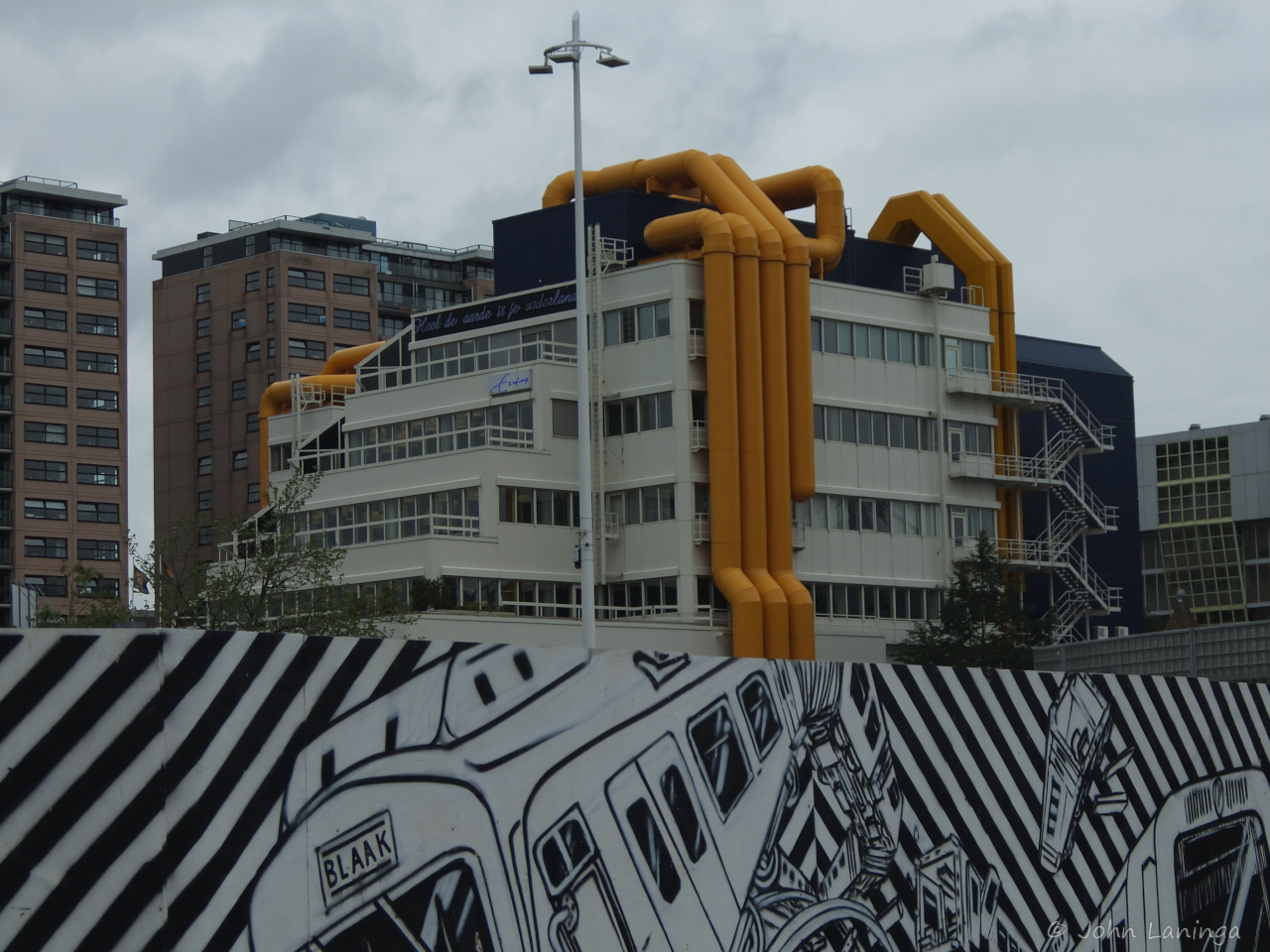
An innovative design in the same area
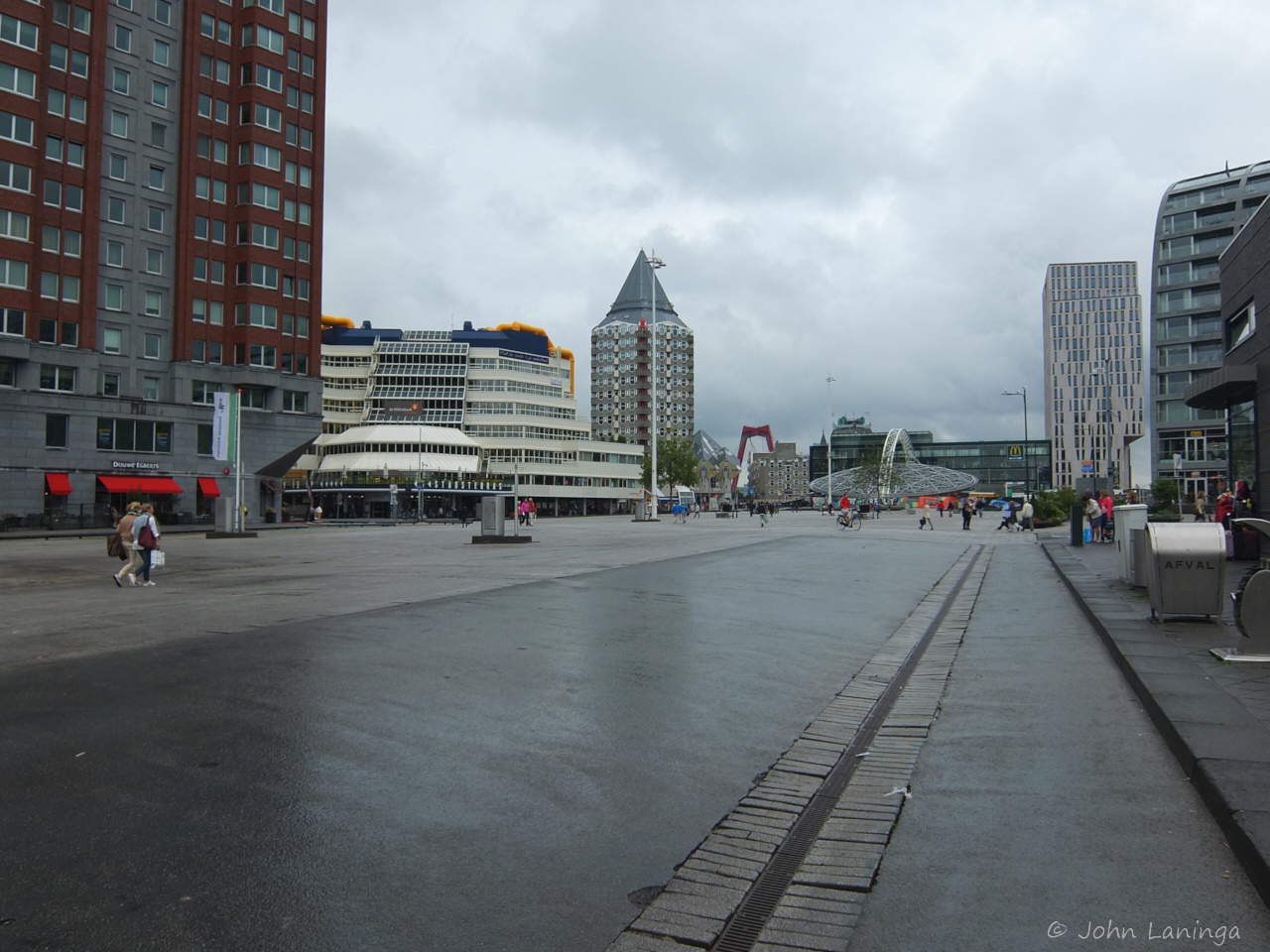
More innovative buildings near the Hall, which is just visible on right
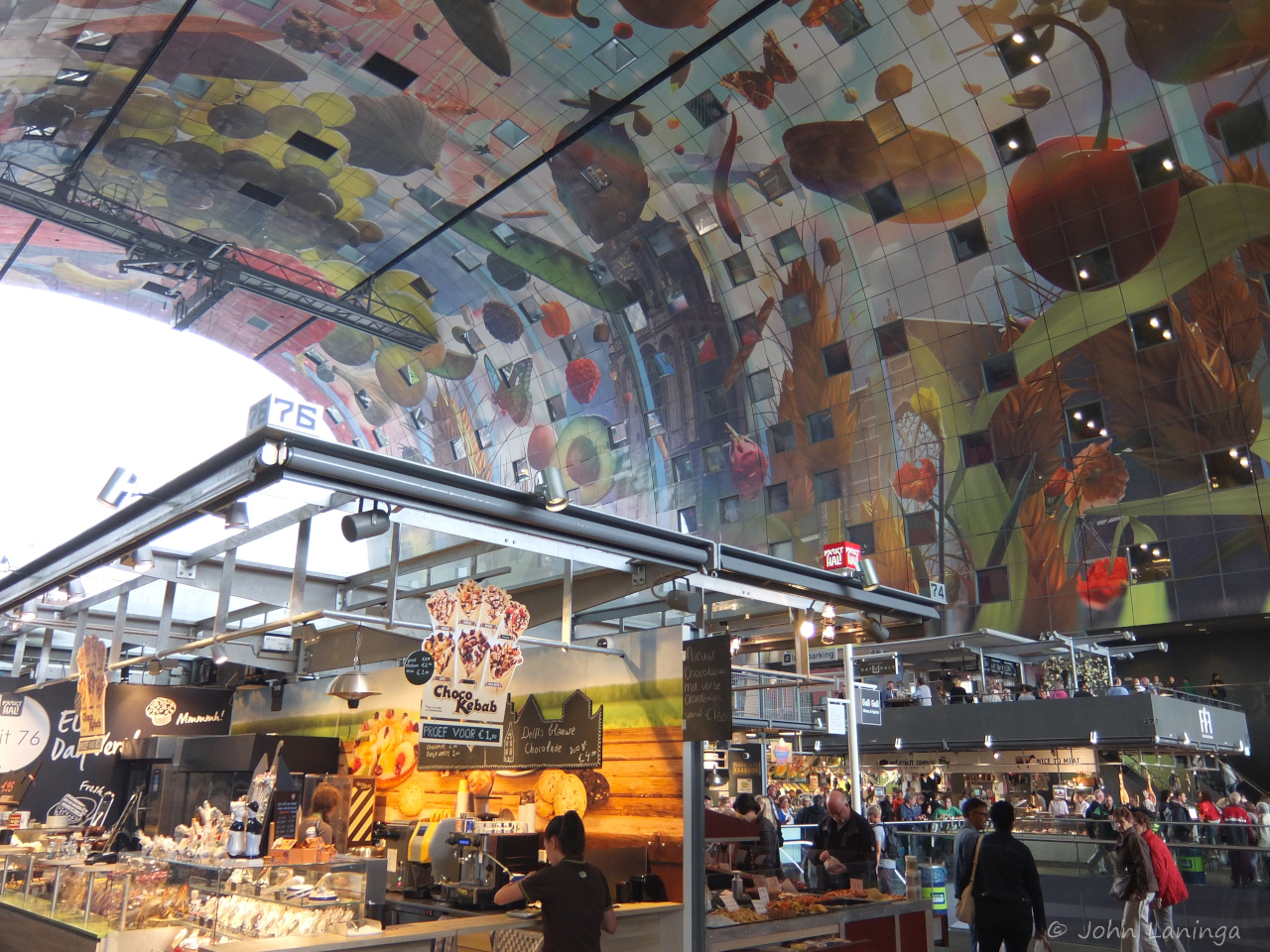
Activity on the floor, under the artwork
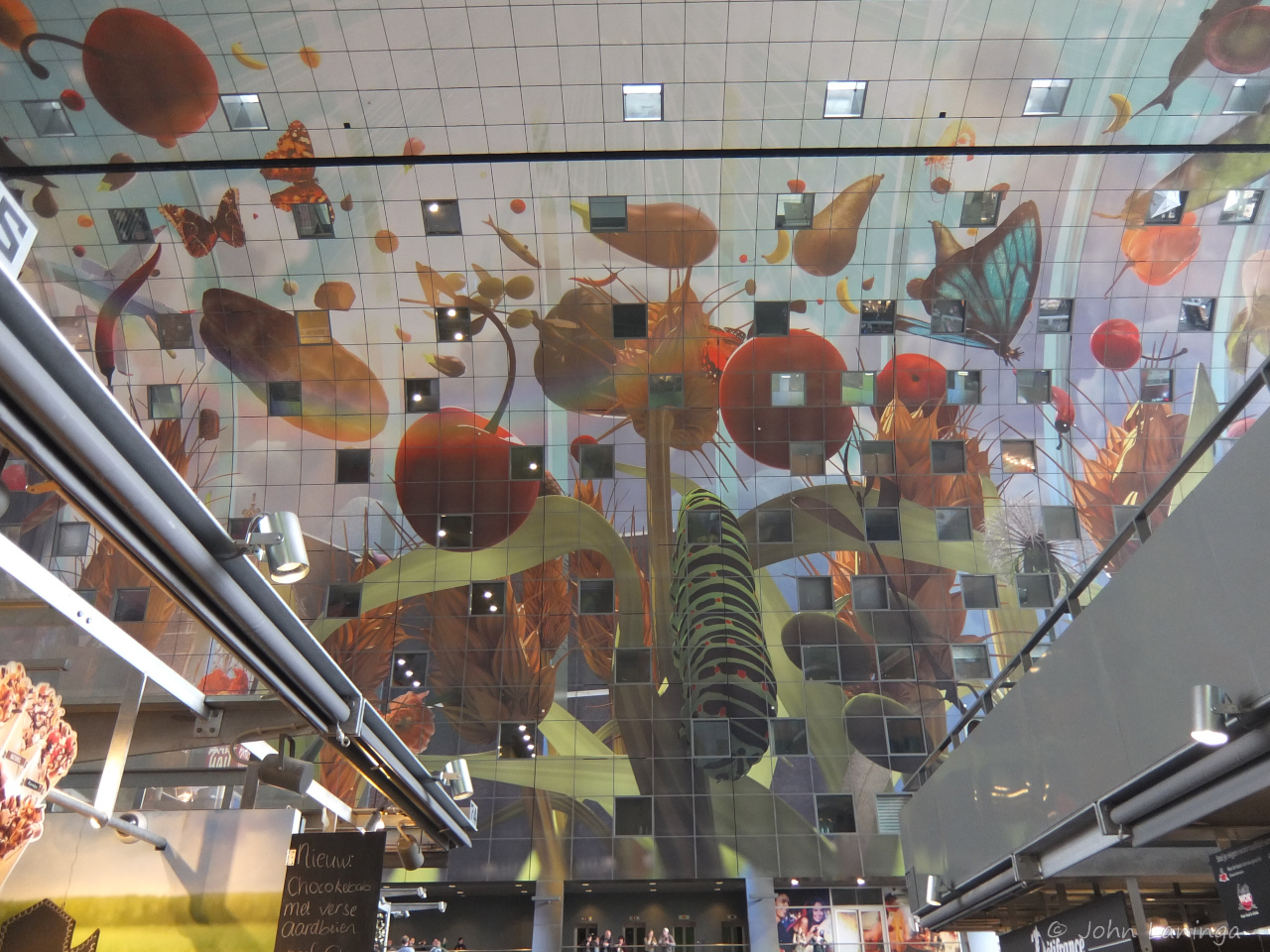
Looking up at the ceiling artwork
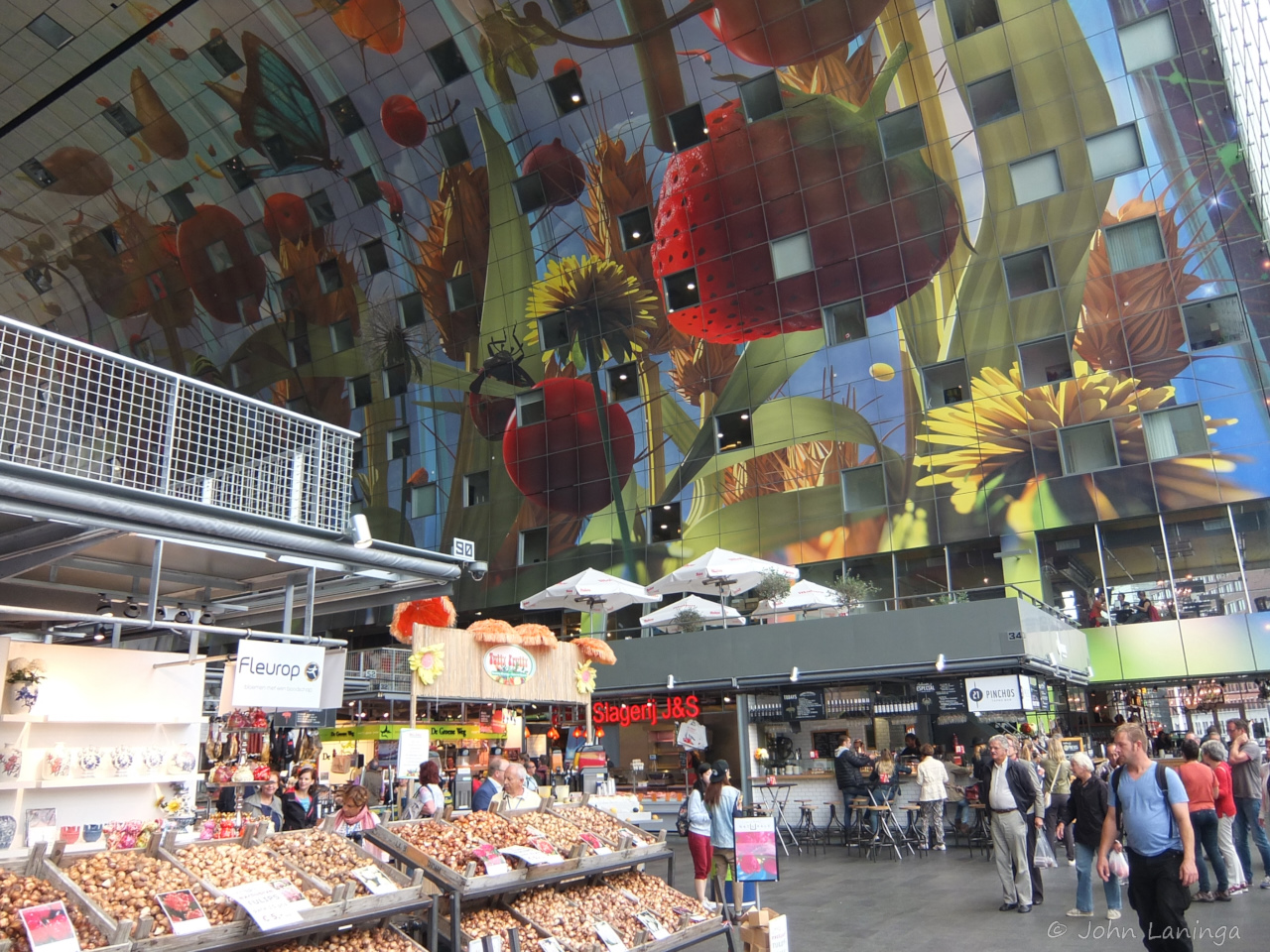
You can see the fantastic painted shapes, as well as apartment windows looking in
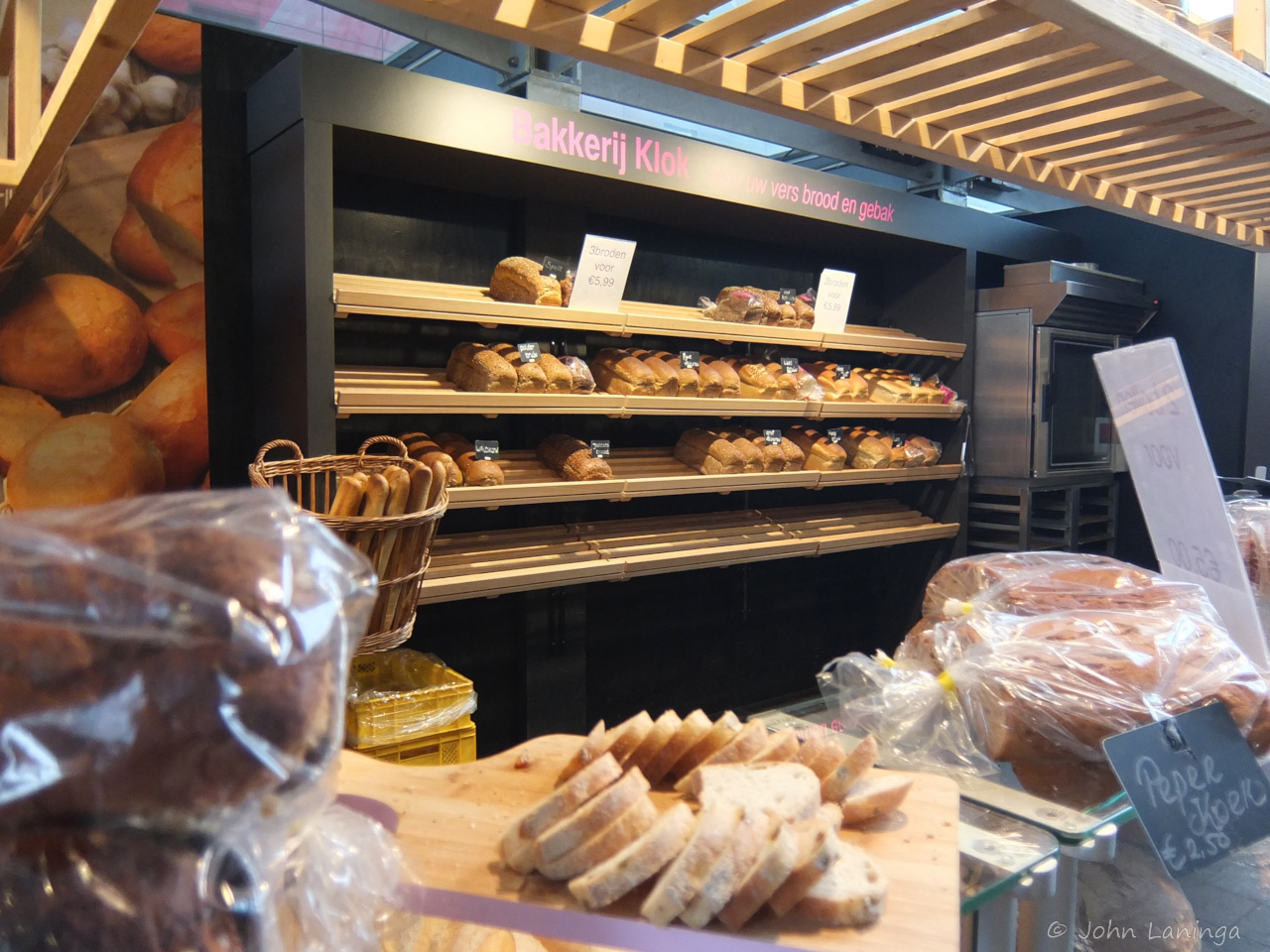
French bakery on premises, too
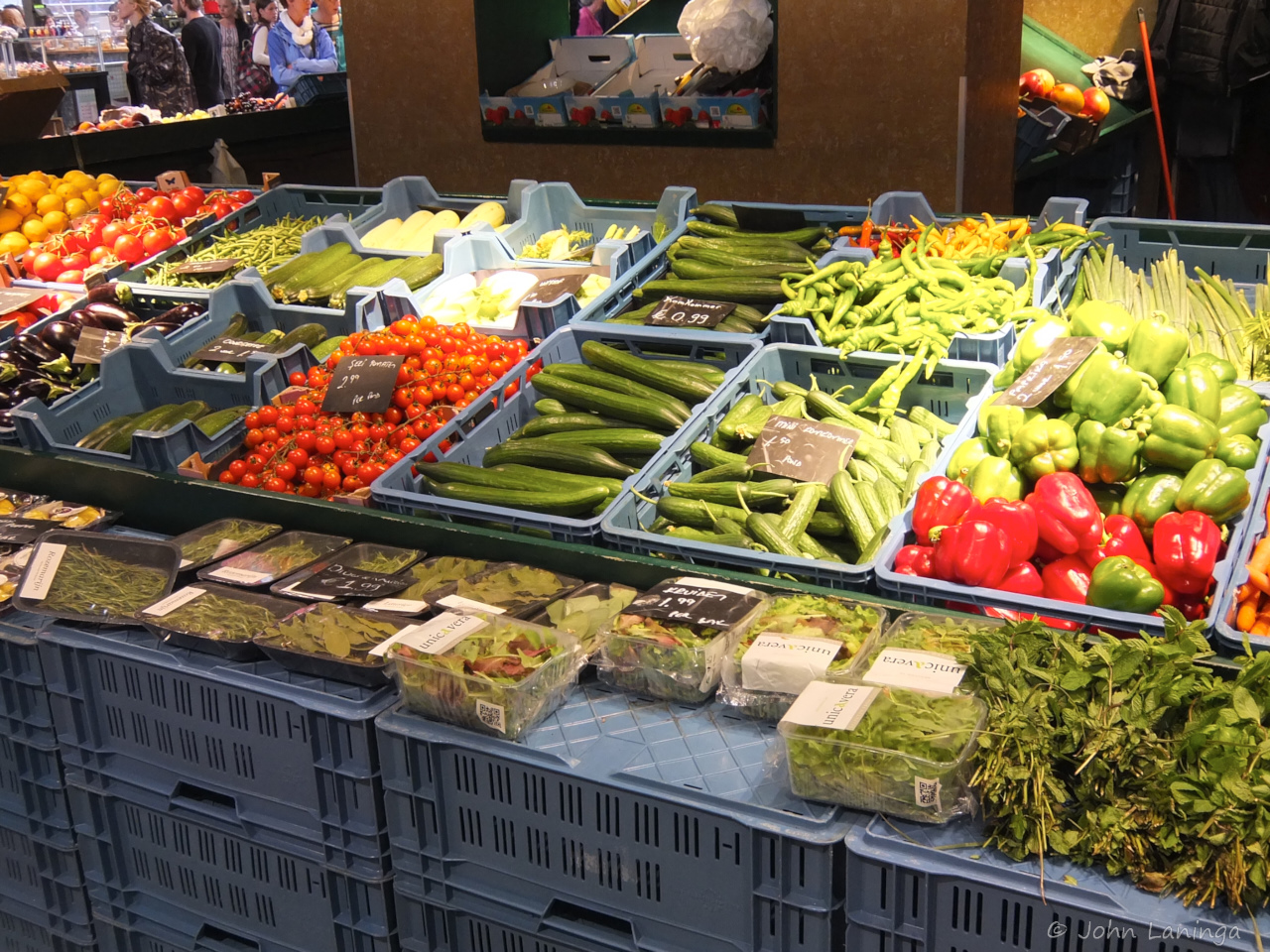
Lots of good vegetables, and pretty well anything else you may want
Sail Amsterdam
When we arrived in Holland we found out that Sail Amsterdam was in progress. What is it? Well, it is one of the largest maritime events in the world. It was started in 1975 in celebration of the 700th anniversary of the city of Amsterdam, and was so successful it was repeated every 5 years. So we were invited by family to take in the fun.
You could tell how busy it was when we got to the Utrecht train station. People everywhere, the train was standing room only. But a short 20 minute ride got us to Amsterdam. And then the crowds really started! Not only people, but we were amazed at the number of boats…. and the variety. everything from rowboats to 5 mast sailing vessels, and even a car!
The events takes place in Amsterdam, on the river IJ. It is a big river, and lots of room for moored boats. But the spectacular part was the continual parade of boats, with no seeming logic by what type or where. Each boat was on its own to go upriver, turn around, and come back down river.
Check the pictures….

Crowds at the station
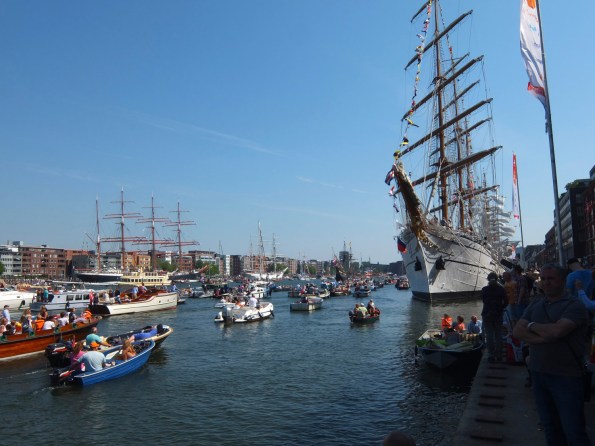
Look at all those boats!
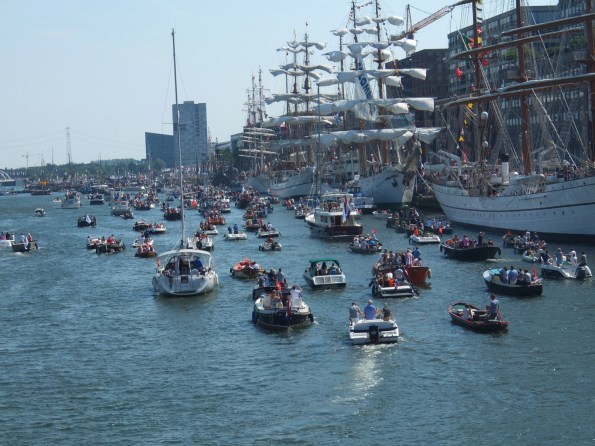
A real flotilla of boats on parade!
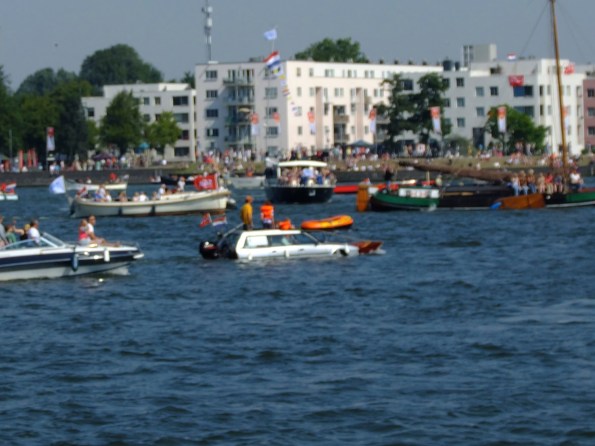
No boat? No problem… take your car.
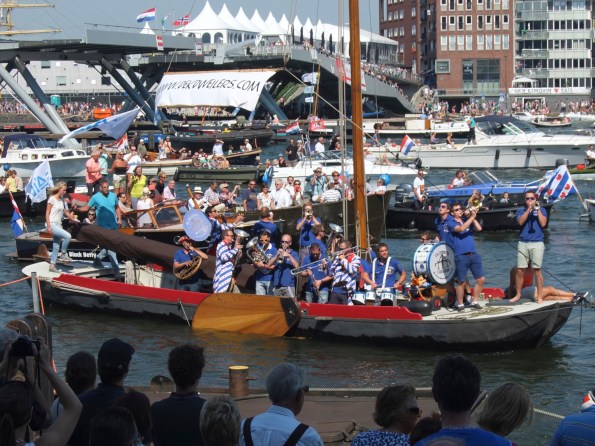
Even had musical accompaniment, here a Dixieland band
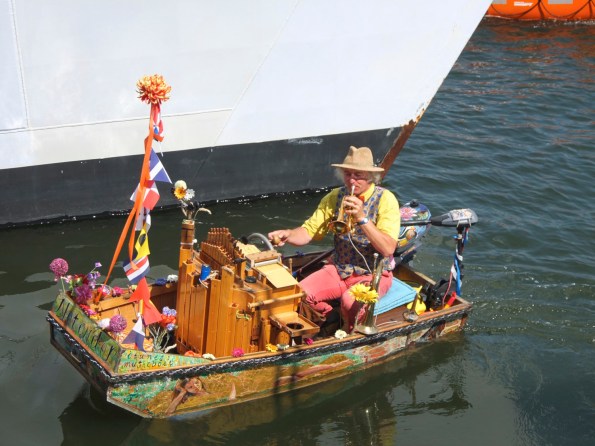
Even a one man band!
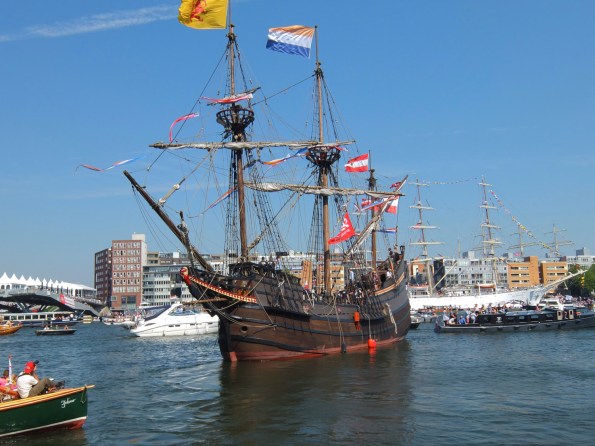
Replica of a Spanish galeon, reminicent of Columbus

View of the bow. Don’t think I would cross the Atlantic in one that size!
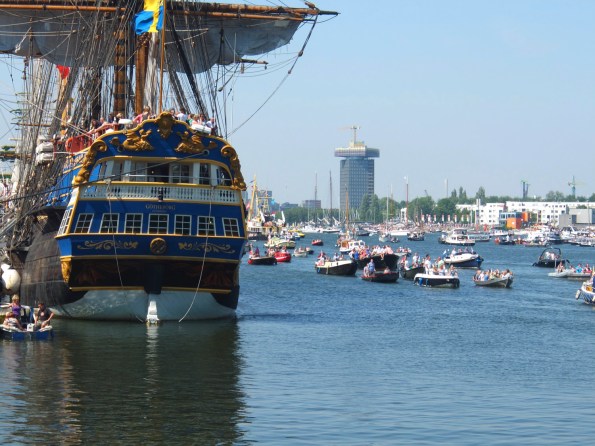
Captain’s quarters
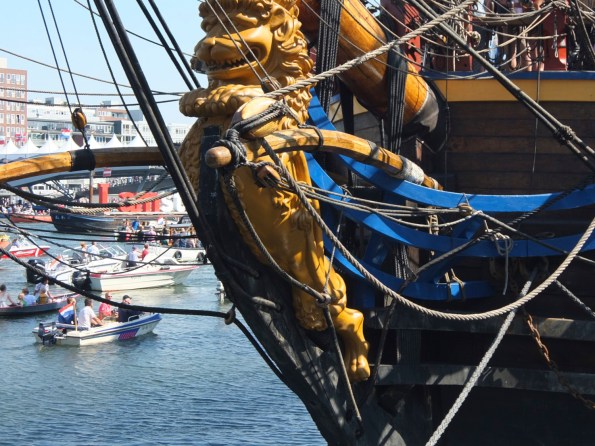
Bowsprit
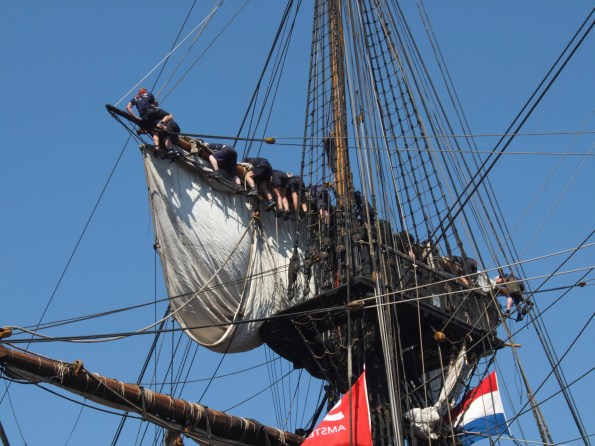
Reefing the sails
From ocean to mountains and back to ocean
After leaving Isle of Skye, we headed east. Our first stop was in Fort William. And the road there was spectacular. Yes, a little narrow, yes a little curvy, but spectacular scenery along the many “lochs” (lakes) along the way. And with occasional castles — some restored and operational (like the famous Eilean Donan), others in ruins — there were many stops. An overnight in Fort William was interesting.
Fort William is at the foot of Ben Nevi, the UK’s tallest mountain. It is the home of hiking, climbing, and ice climbing. We did none of these! But we did visit Inverlochy Castle, a 13th century ruin but still original shape. And a visit to Neptune’s Stairsteps, a system of 8 locks that raise/lowers a ship some 65 feet. Opened in 1822, it was an engineering marvel of its time.
From there we traveled into the mountains. Reminded us of the Rockies, but a bit more rounded. But beautiful. We had a light lunch at Glencoe Mountain ski resort. From there only 50 miles to our B&B, but what a miles! Very, very narrow roads (I called them single and a half tracks) that undulated up and down and twisted just to add limited visibility to the driving pleasure. Watch out foe that bus heading the other way!
Our B&B was an old converted manse, right next to the ruins of an old, old church and graveyard. But it was pleasant, and we were back at sea level.

One more view from our B&B on Skye
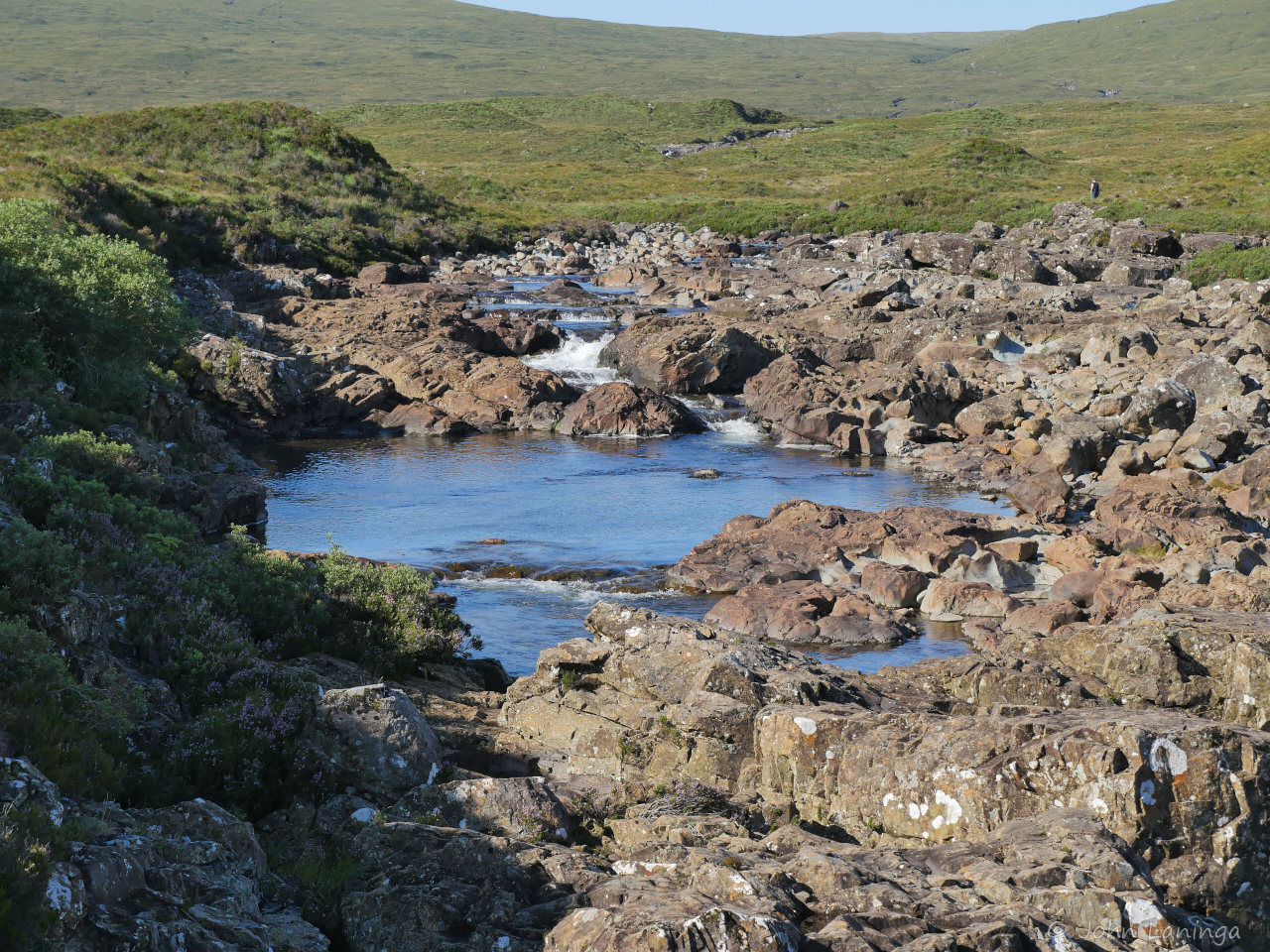
A small waterfall in volcanic rock along the way
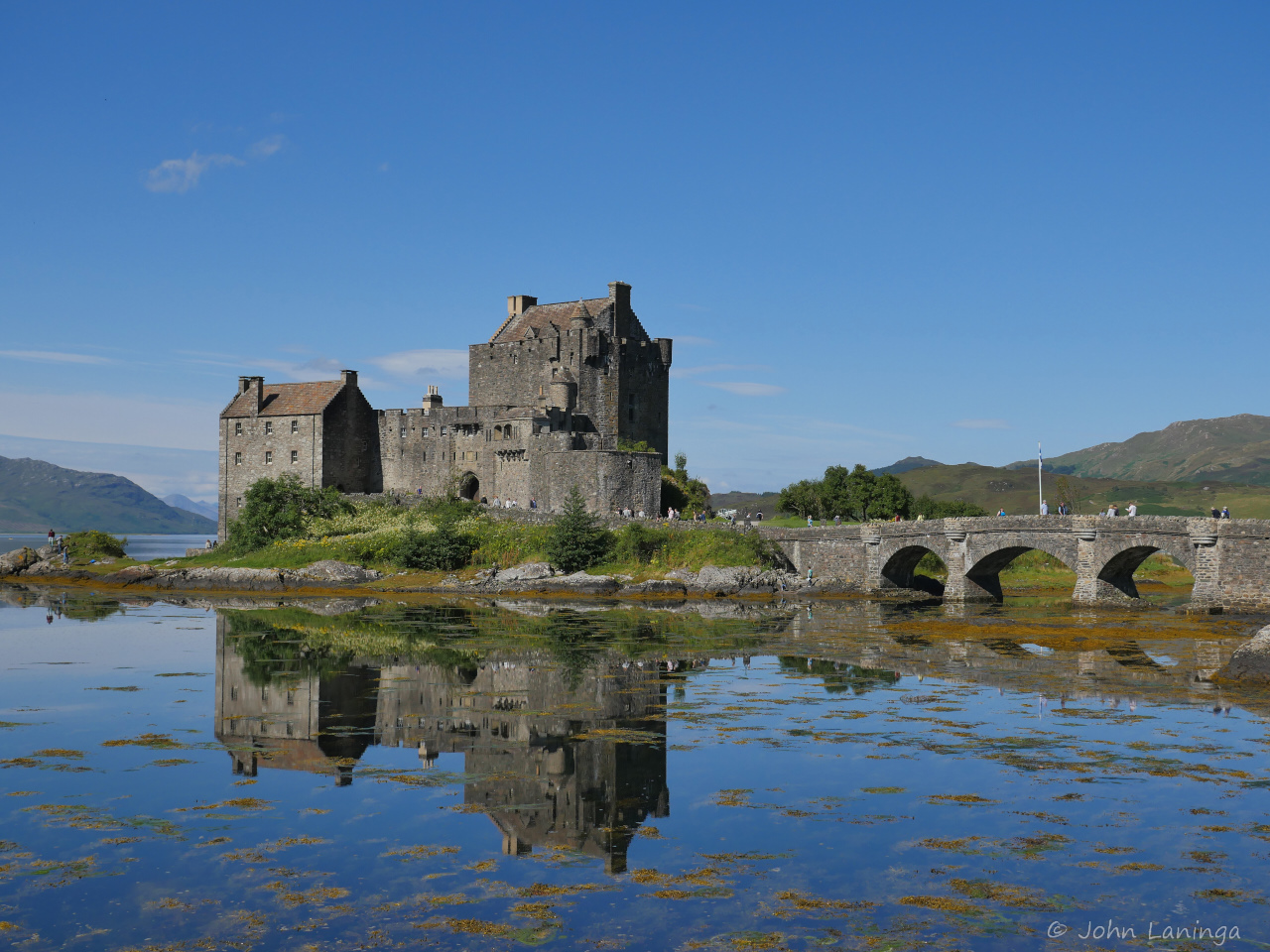
Scotland’s most famous castle, Eilean Donan
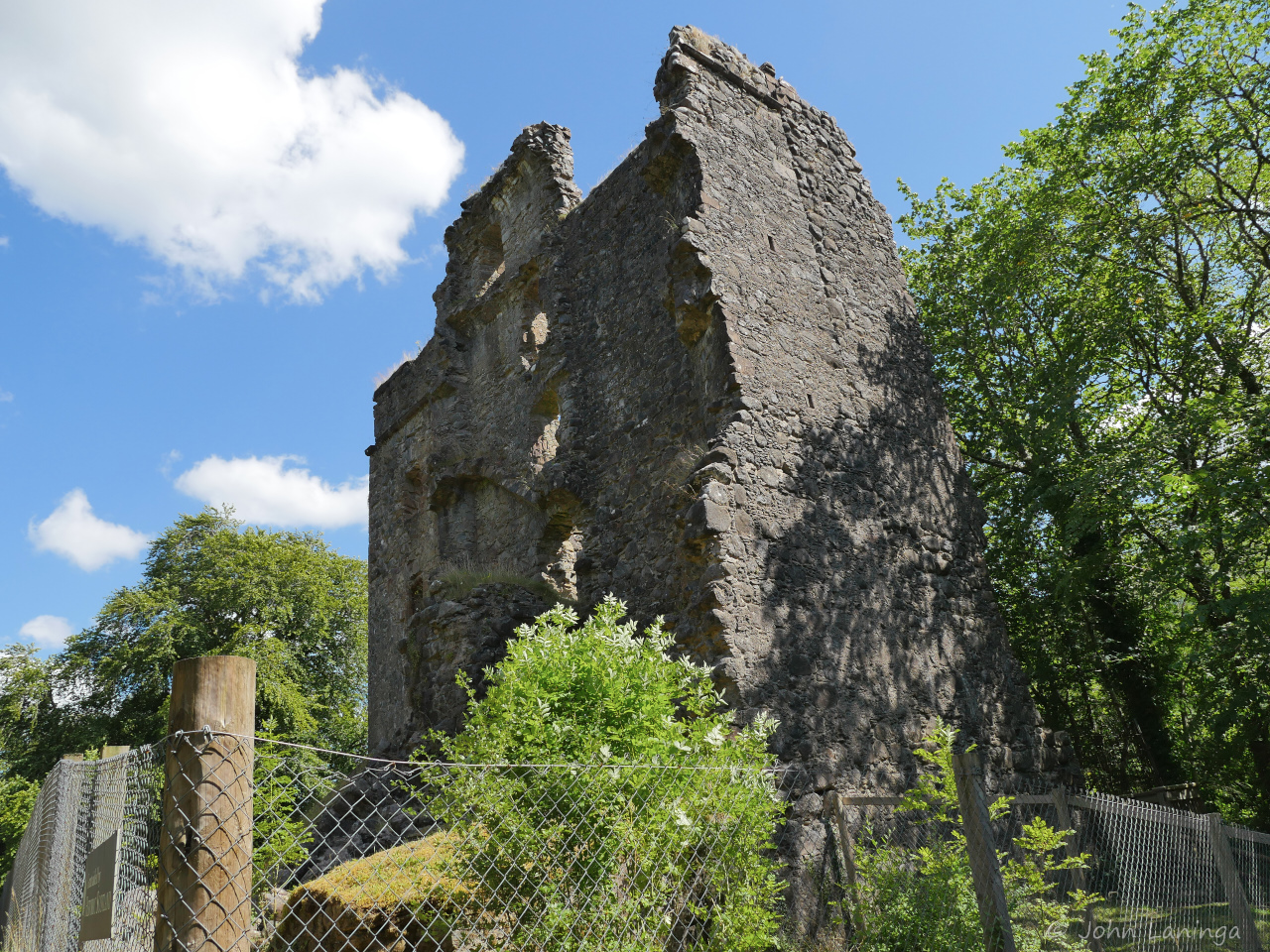
A castle ruins near Inverngarry

Entrance to Inverlochy castle

One of four Interlochy turrets

Posing for the ages
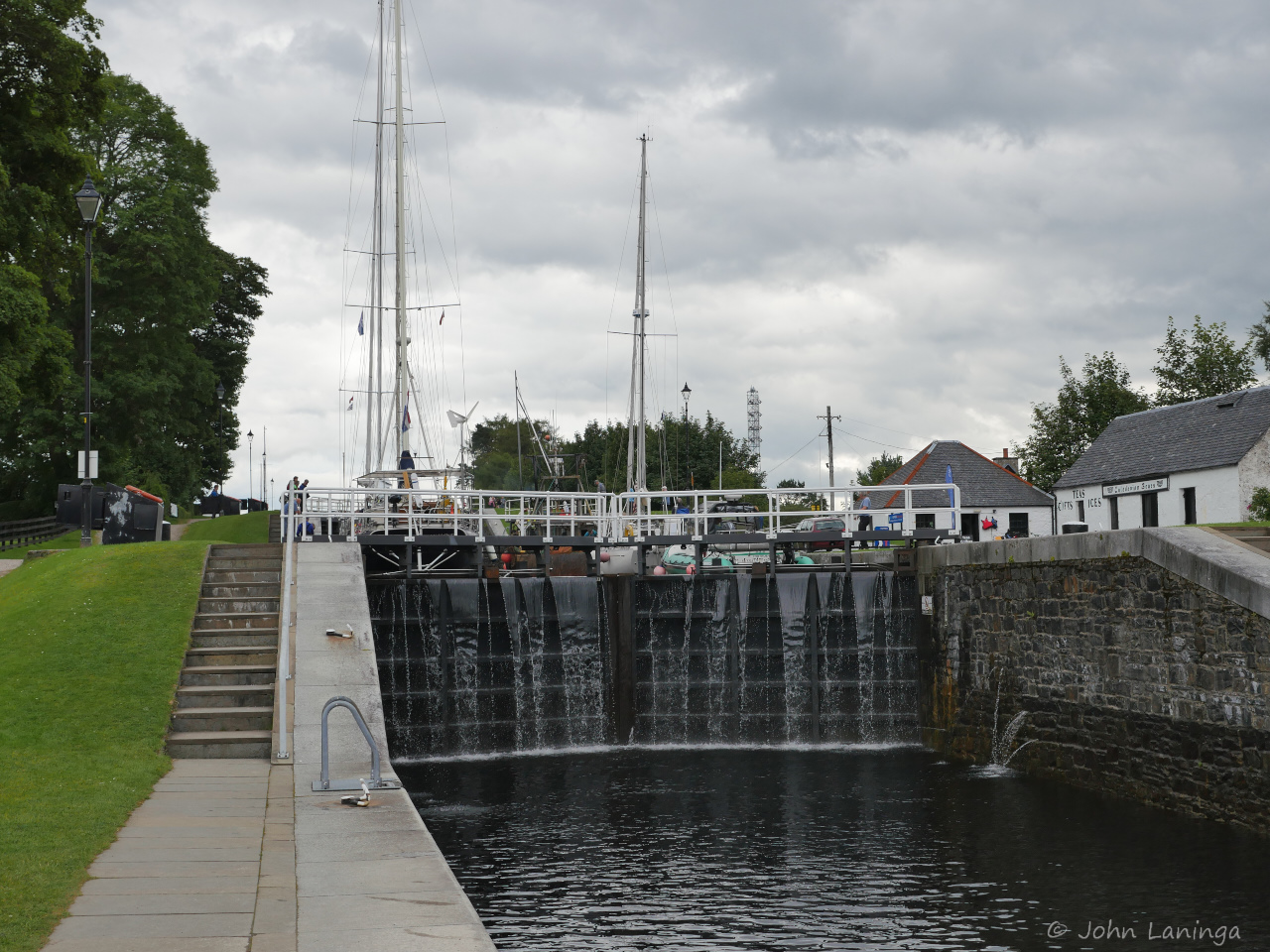
One of Neptune’s Staircase eight locks
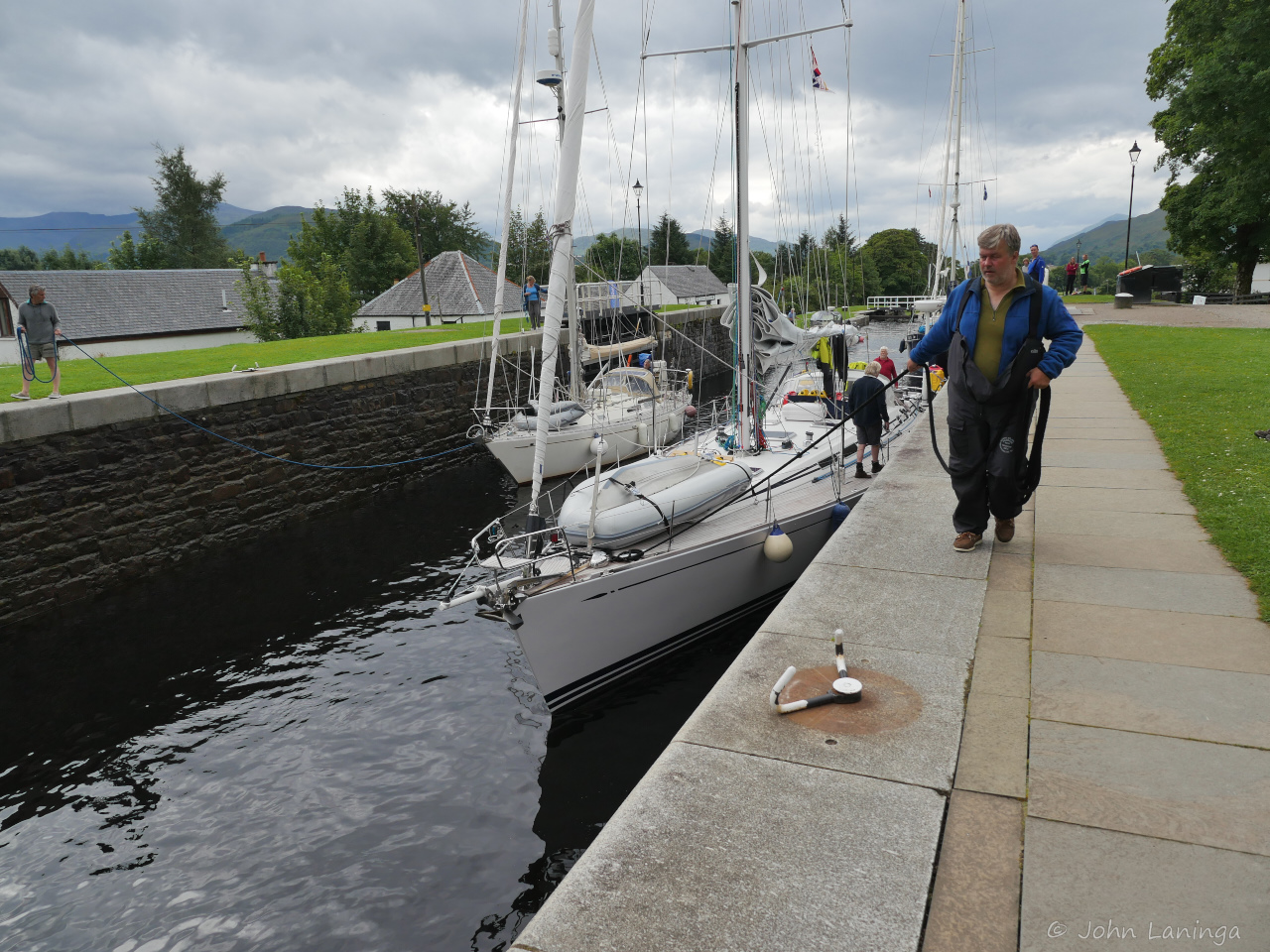
Ship’s heading up the Caledonian canal. The closest sailboat, a 50 footer, was from Oslo and just returned from a trip to Newfoundland and the US east coast.

Mountain vistas

More mountain scenery

A small stream is picturesque
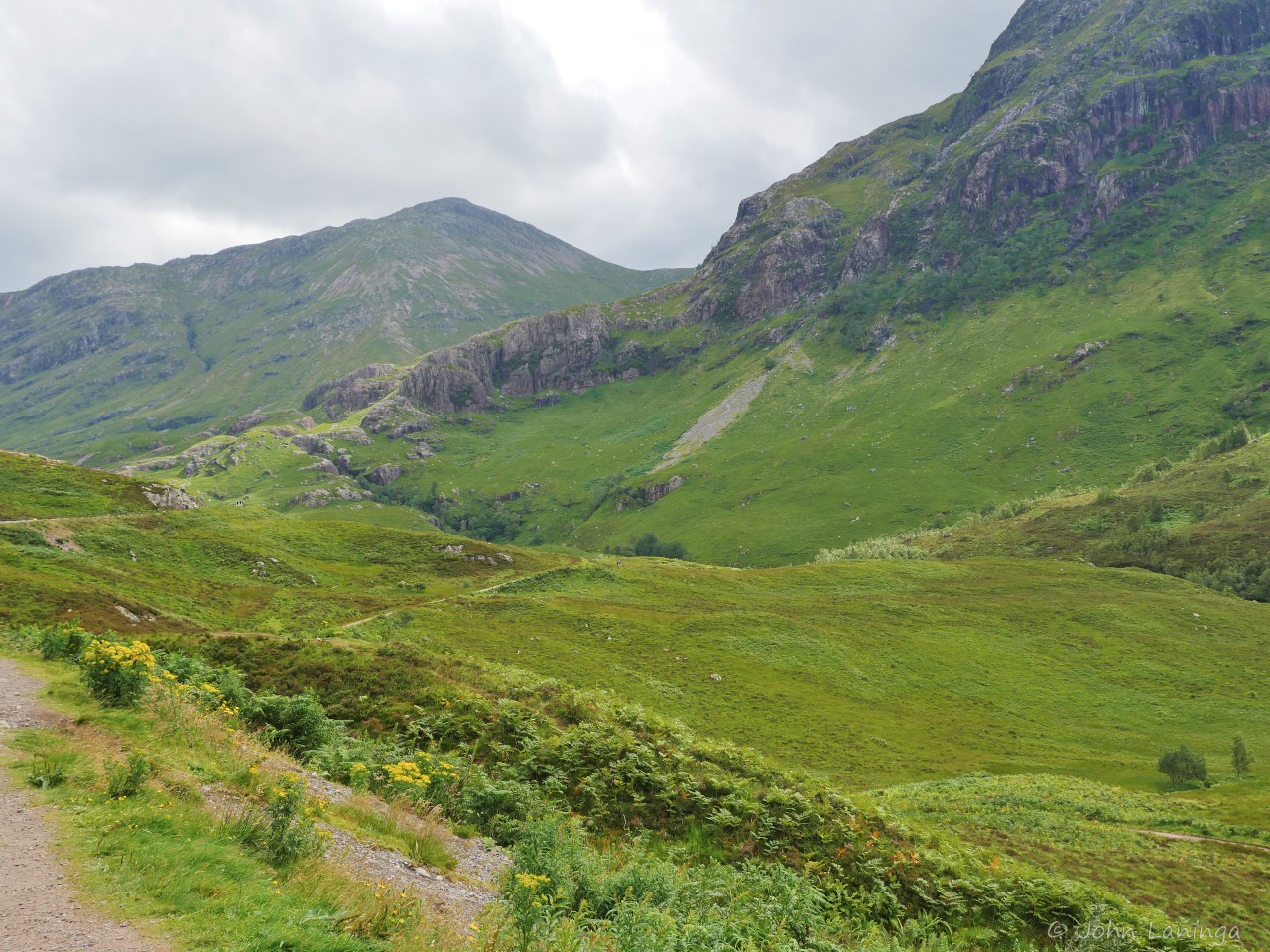
Deep valleys

Our B&B, an old manse under restoration
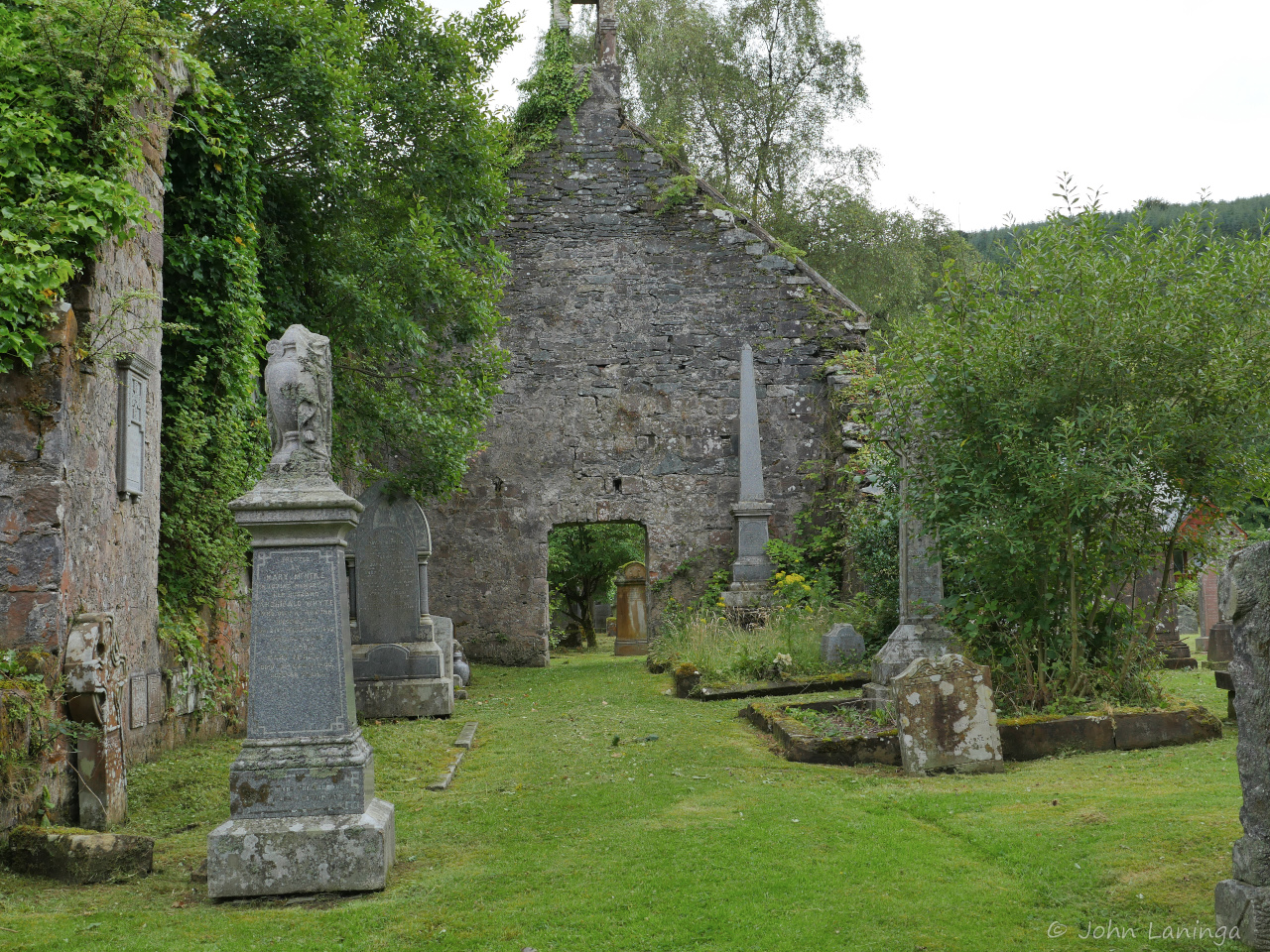
Church ruins and graveyard
Sea eagles and sea cliffs
We drove to Portree on the west coast of Skye. There, we took a tour boat to see some wildlife. And we did, even got a glimpse of a Minke whale (a small baleen whale) but the highlight was seeing sea eagles. These magnificent birds have a wingspan of around 9 feet, weigh about 10 pounds, and are very fast.
We were lucky enough to catch 4 at the same time, and they were in some sort of territorial squabble so we had a great view of them in the air. I didn’t have my long telephoto, and they blend in perfectly with the background cliffs, so pictures are a bit fuzzy, but I did my best.
After this we drove back to the east side and experienced 11 miles of serious single track road to get to Niest Point. Essentially, this is a paved one lane road with pullouts to pass oncoming traffic. It was obvious some people had never experienced this before and it got a bit scary, especially since the road has hills, turns, and cliff side.
Niest Point is well known as a particularly scenic part of Skye. Dramatic cliffs, challenging climbs, and lots of people! But it was an amazing area to see.Now only 11 miles of single track back…
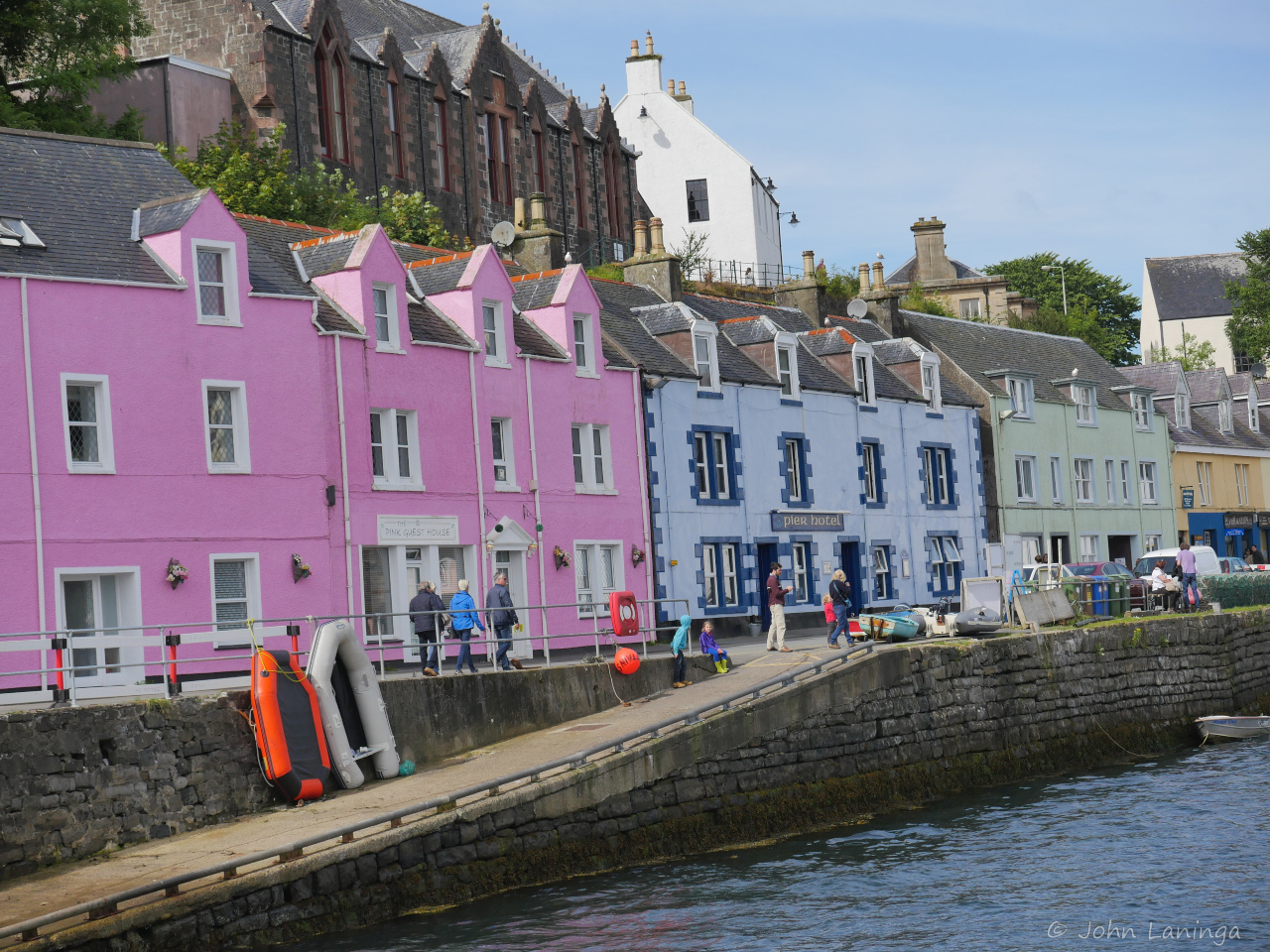
Colorful Portree Harbor
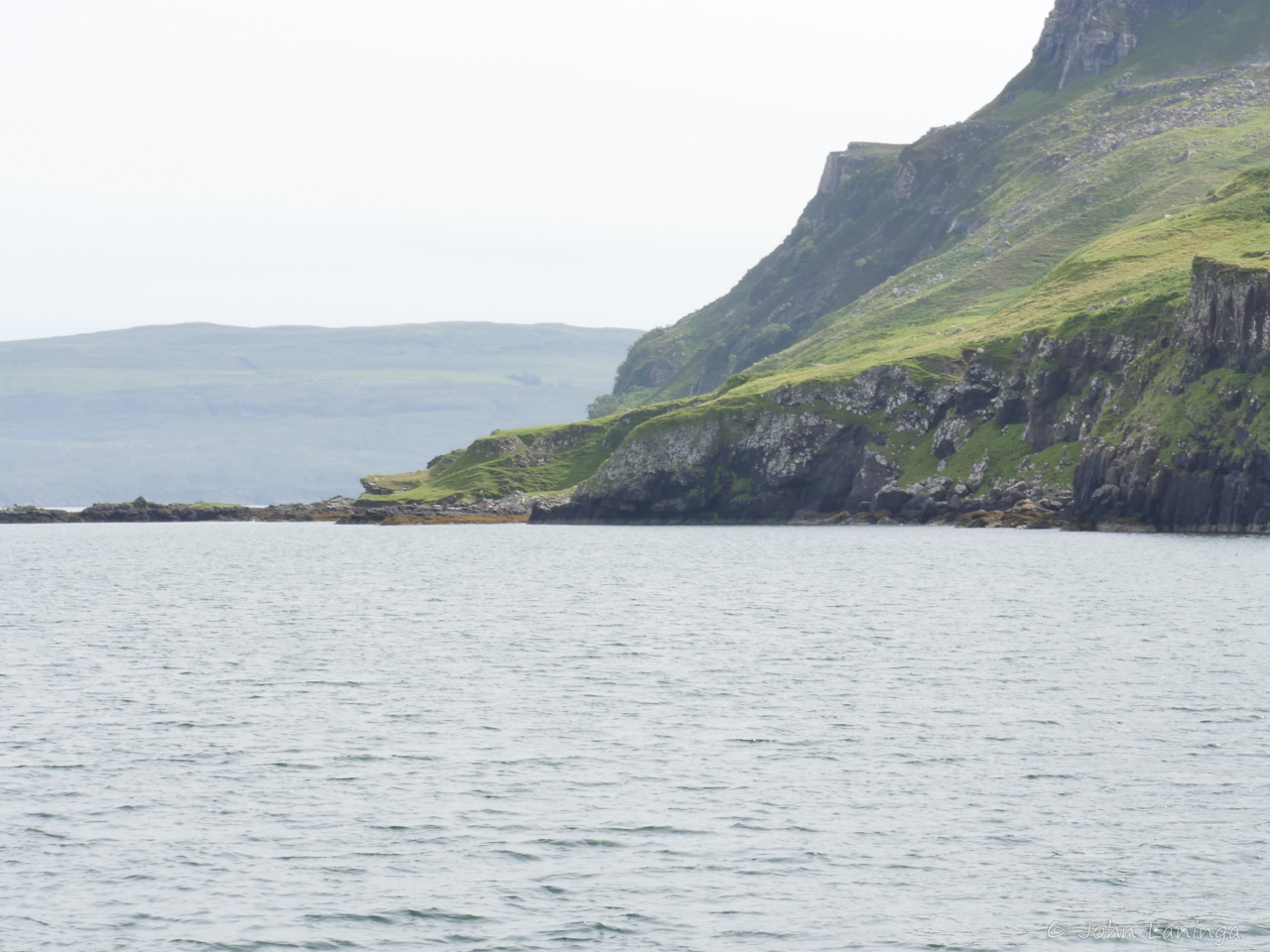
Scenery around Portree, from the boat
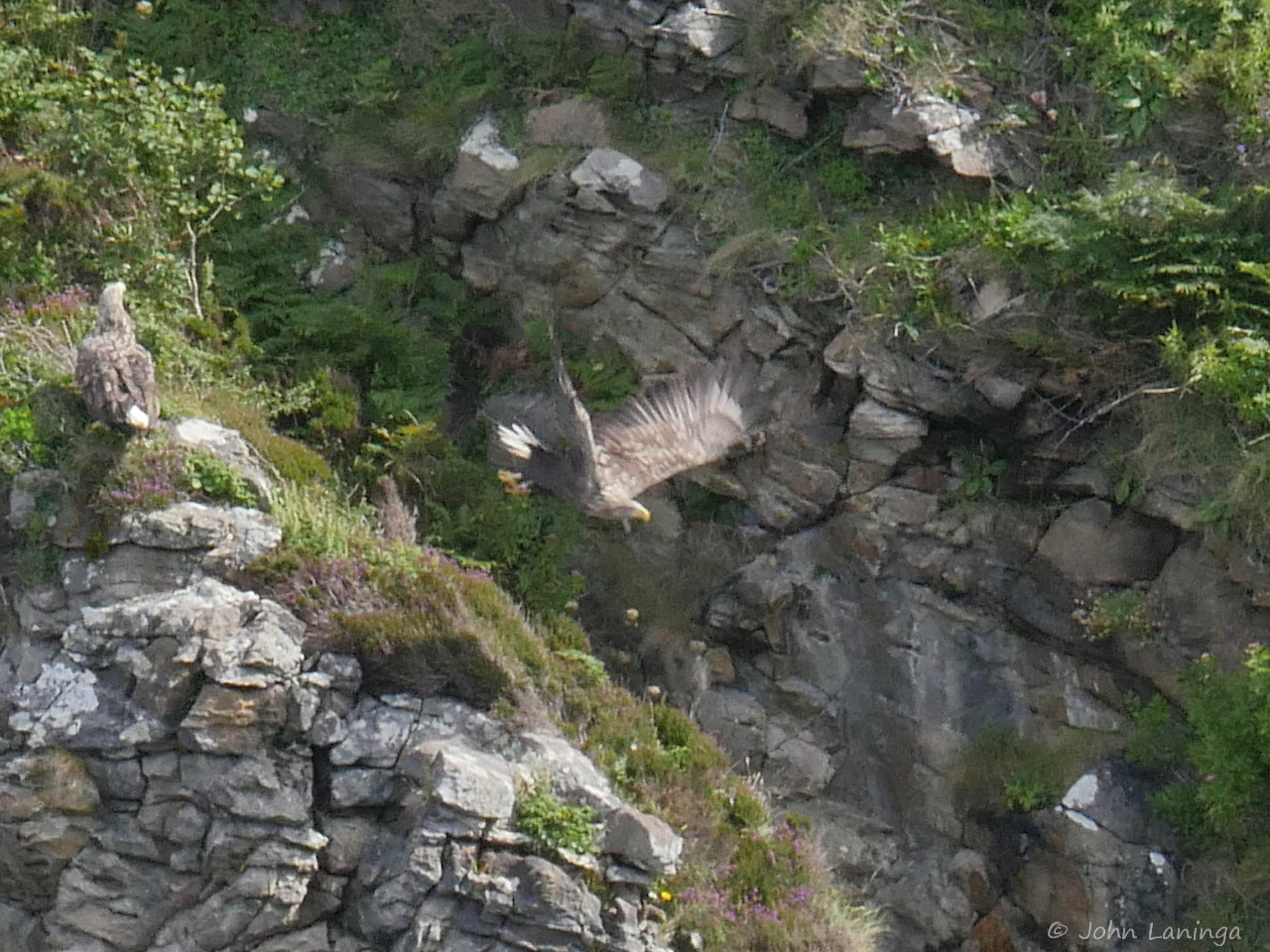
Sea eagle just taking off
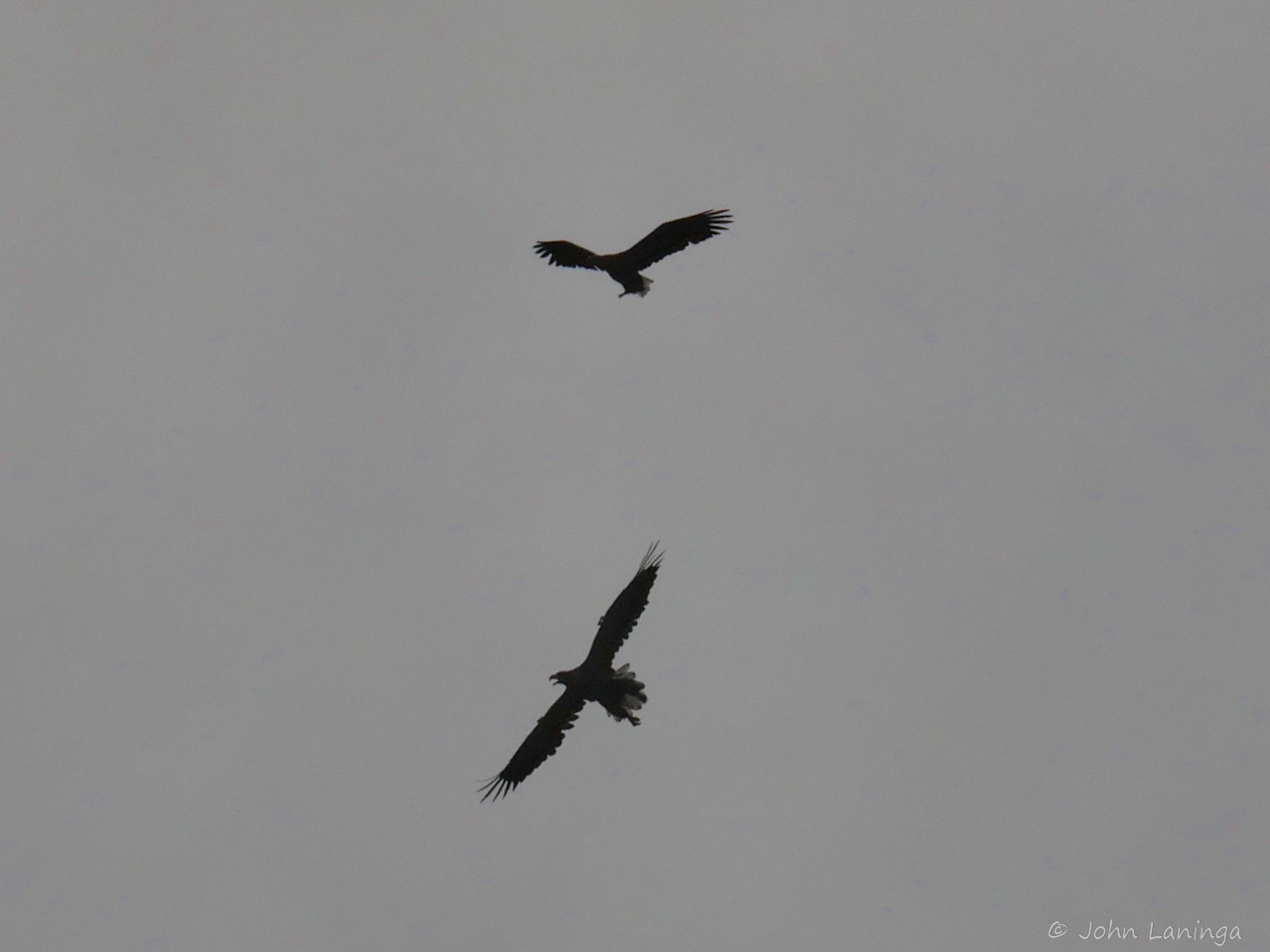
Two sea eagles fighting for territory. Note claws extended
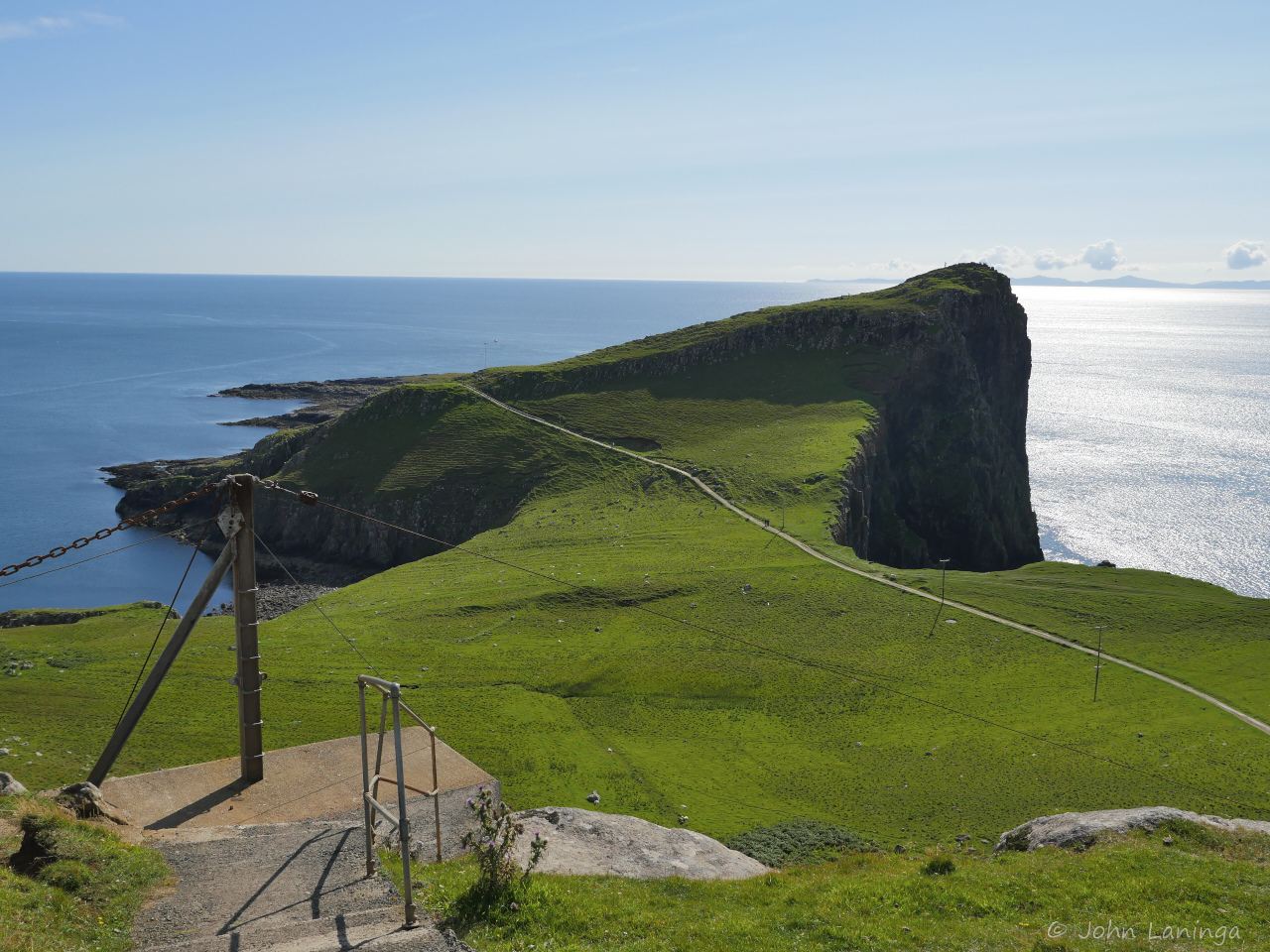
Niest Point itself. Hike down the stairs, over the path, and up to the point for best view
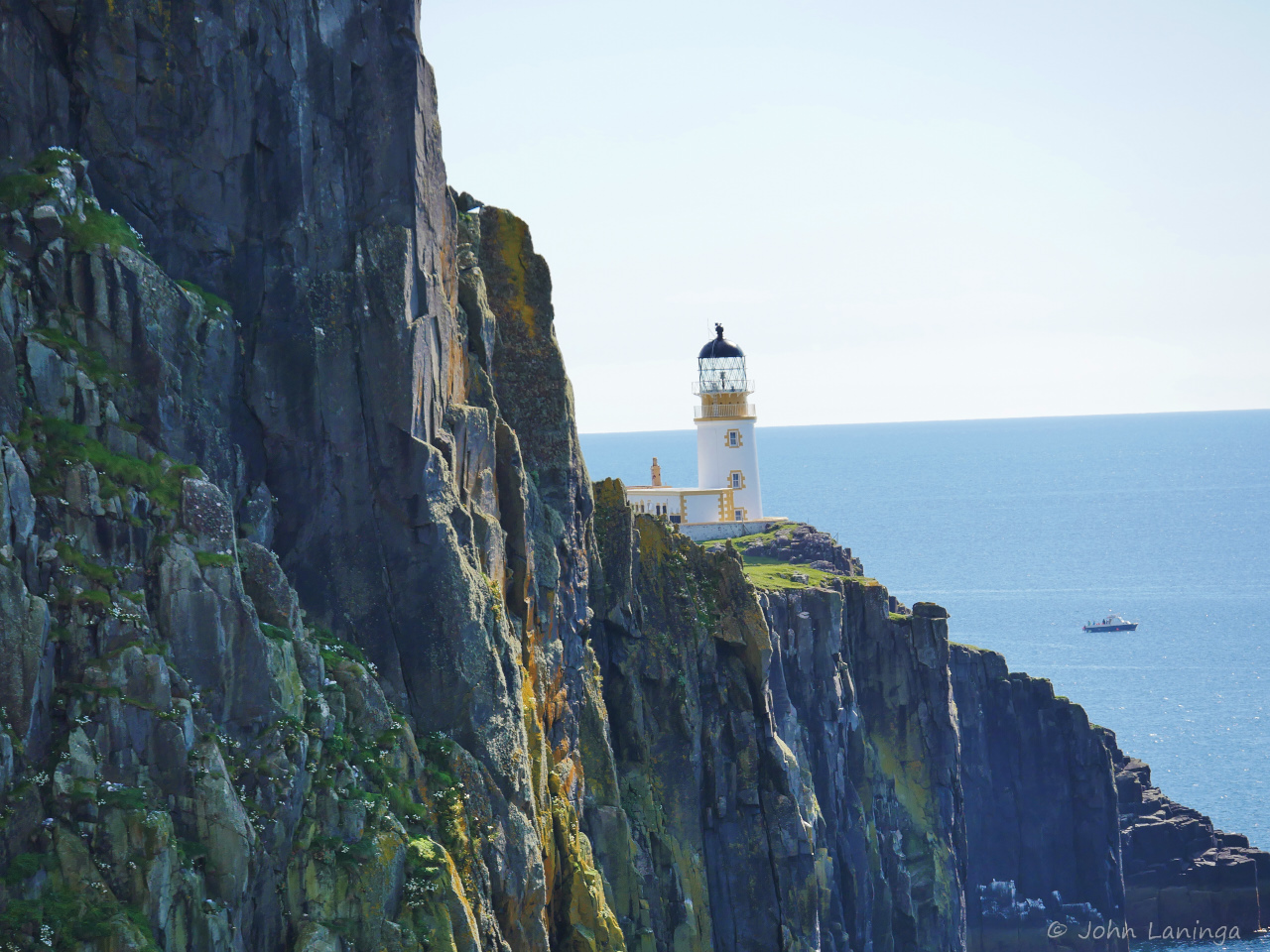
Lighthouse at Niest Point, no longer active

Views to the north. Lots of nesting birds
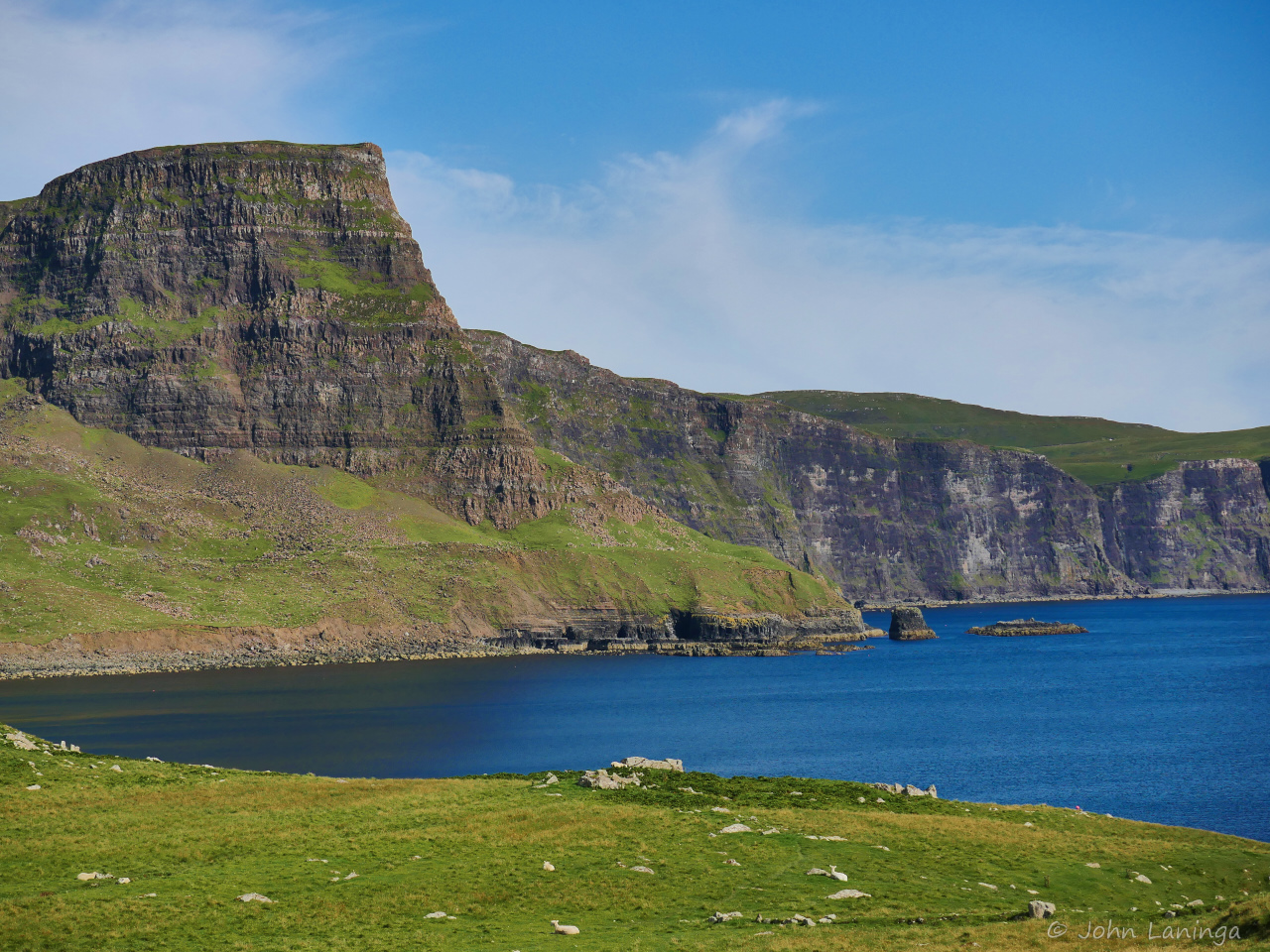
Views to the south (sheep in the foreground)
Driving (sort of) to Isle of Skye
Our next destination was the Isle of Skye. Located in the far north west of Scotland, it is renowned for its scenic splendor. And the trip was only 112 miles… but took some 5 hours.
First of all, no highways. Just two lane highways, quite narrow, and very winding. And always with a spectacular view over the Scottish country side. And, thrown in for your amusement, the Scottish “Single track”. This is a two way road, but only one lane wide. Every so often, there is a Passing Area, marked with a small white sign. Here, the person who has the passing area on their side of the road is supposed to pull over and let the other pass. It actually works, but there is no shoulder, so some very interesting moments.
But all went well. We were early for our B&B check in, so we viewed the nearby Dunvegan Castle. This is the seat of the MacLeod of MacLeod, chief of the Clan MacLeod. Dunvegan Castle is the oldest continuously inhabited castle in Scotland and has been the stronghold of the chiefs of the clan for 800 years. Since it is still occupied, no photography was permitted except of the exterior and the beautiful gardens.
Our B&B is really nice. It is a newer house, and right on the edge of the shoreline. So the views of the bays, islands and inlets are superb.
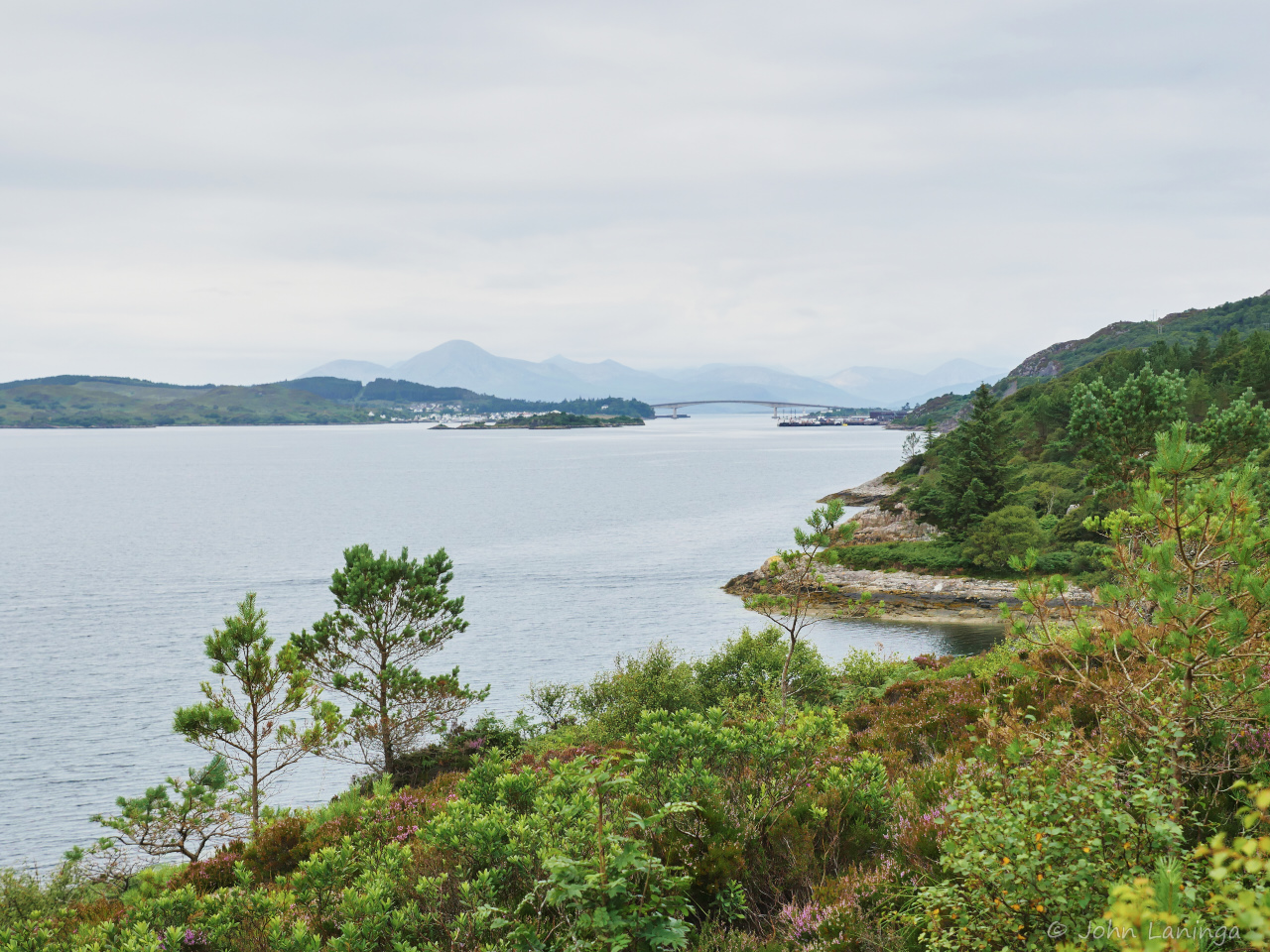
One spectacular view after another
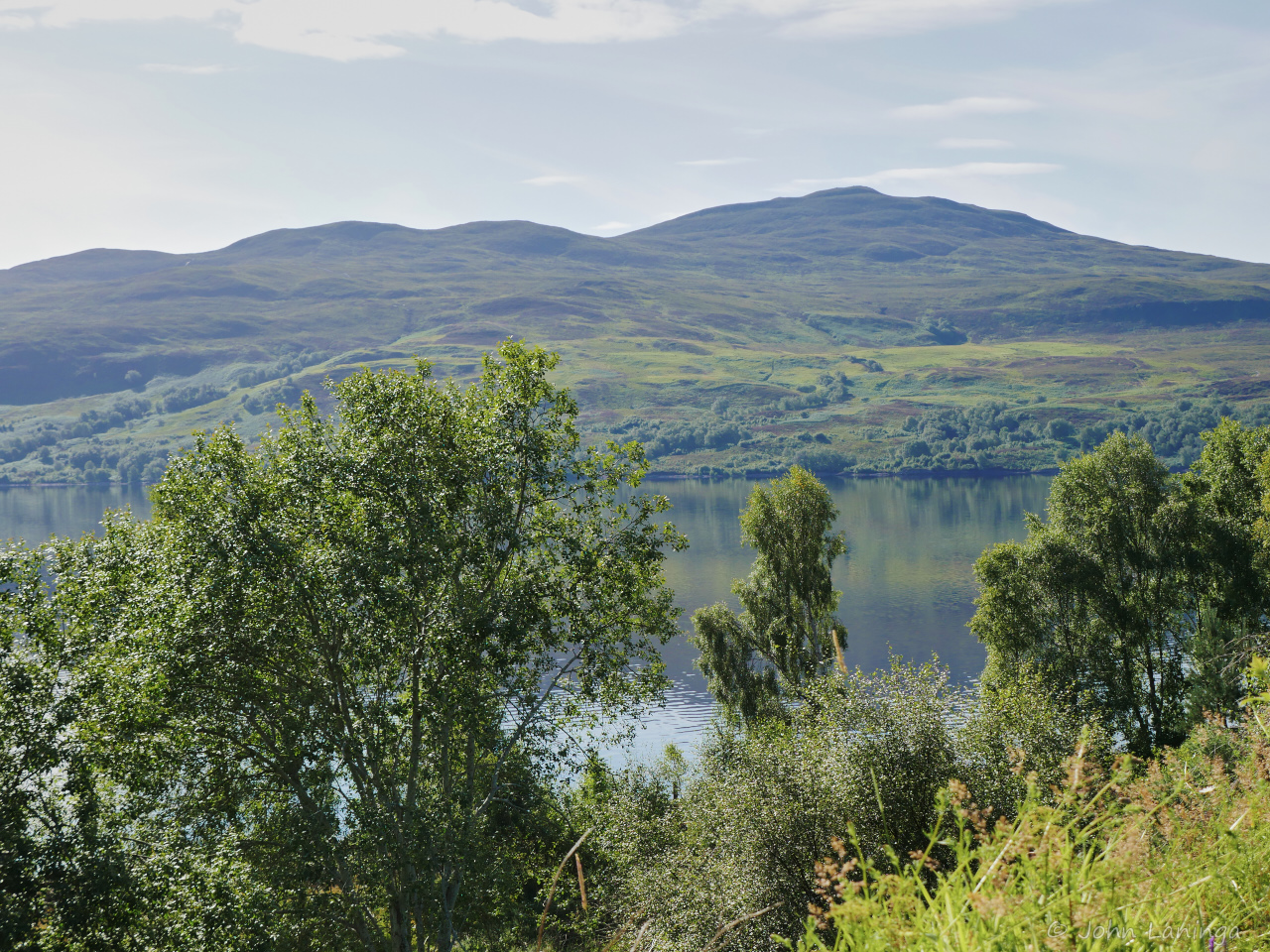
Another roadside stop
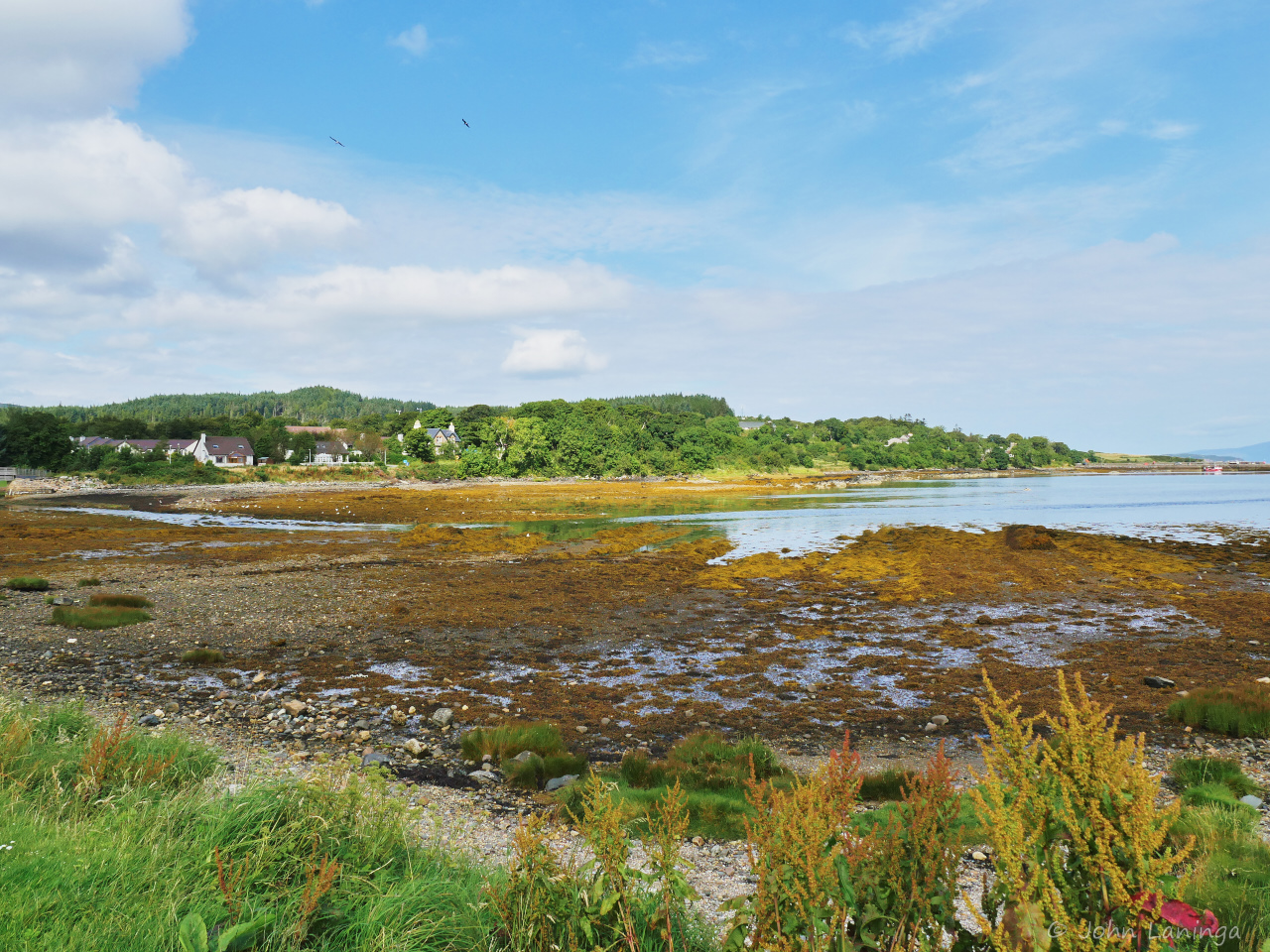
Low tide
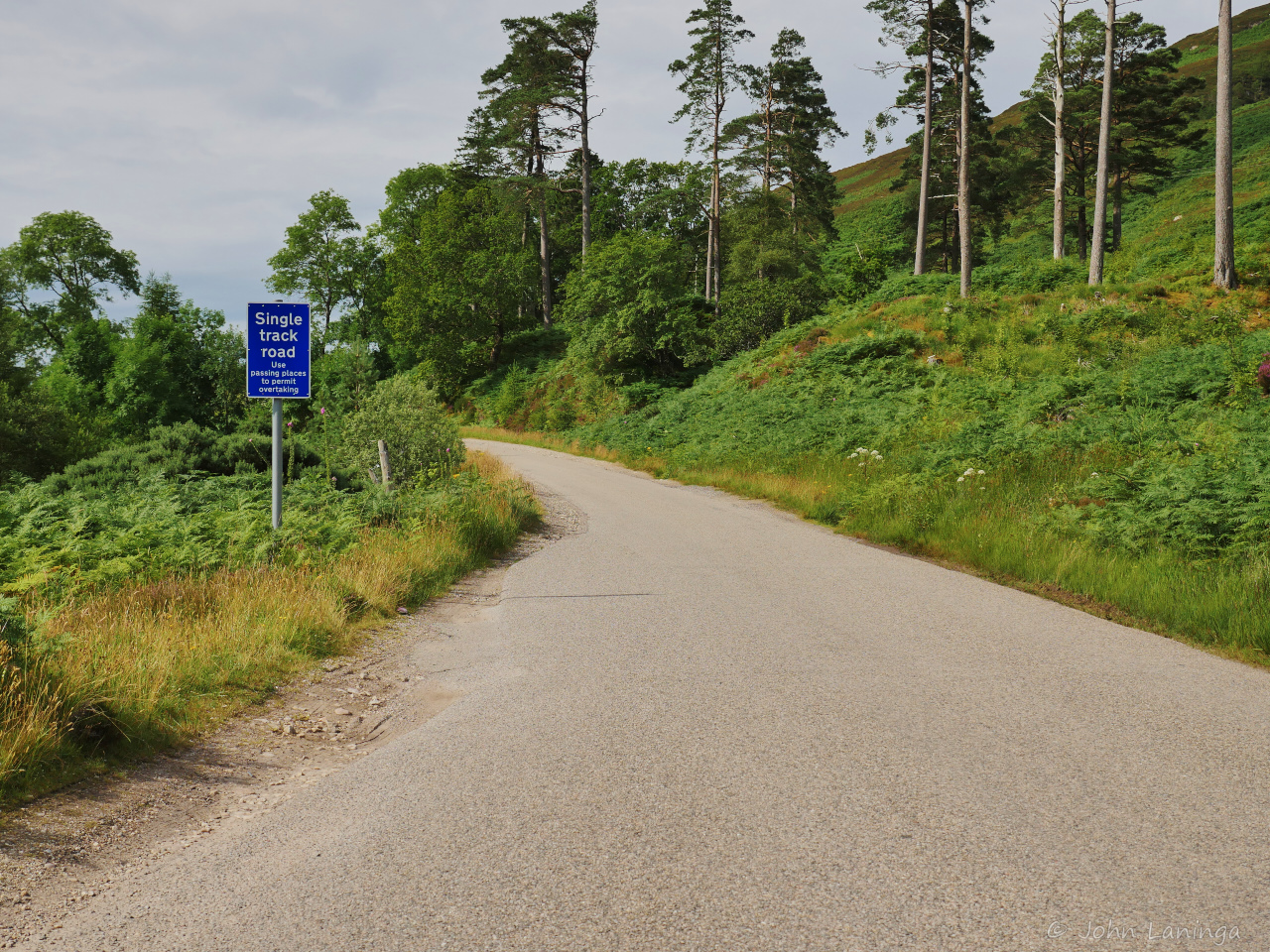
Start of yet another single track section
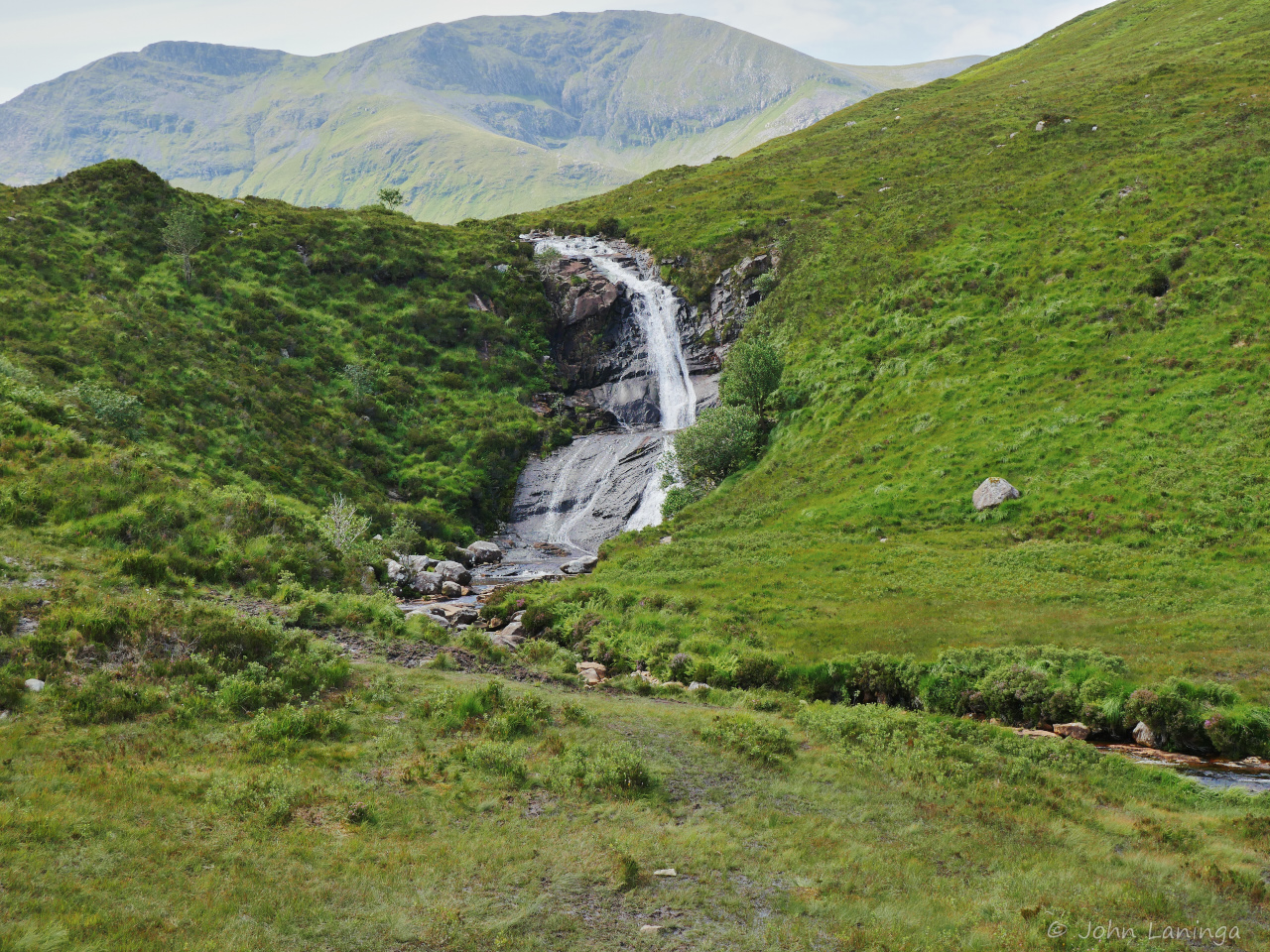
We found a waterfall along the road
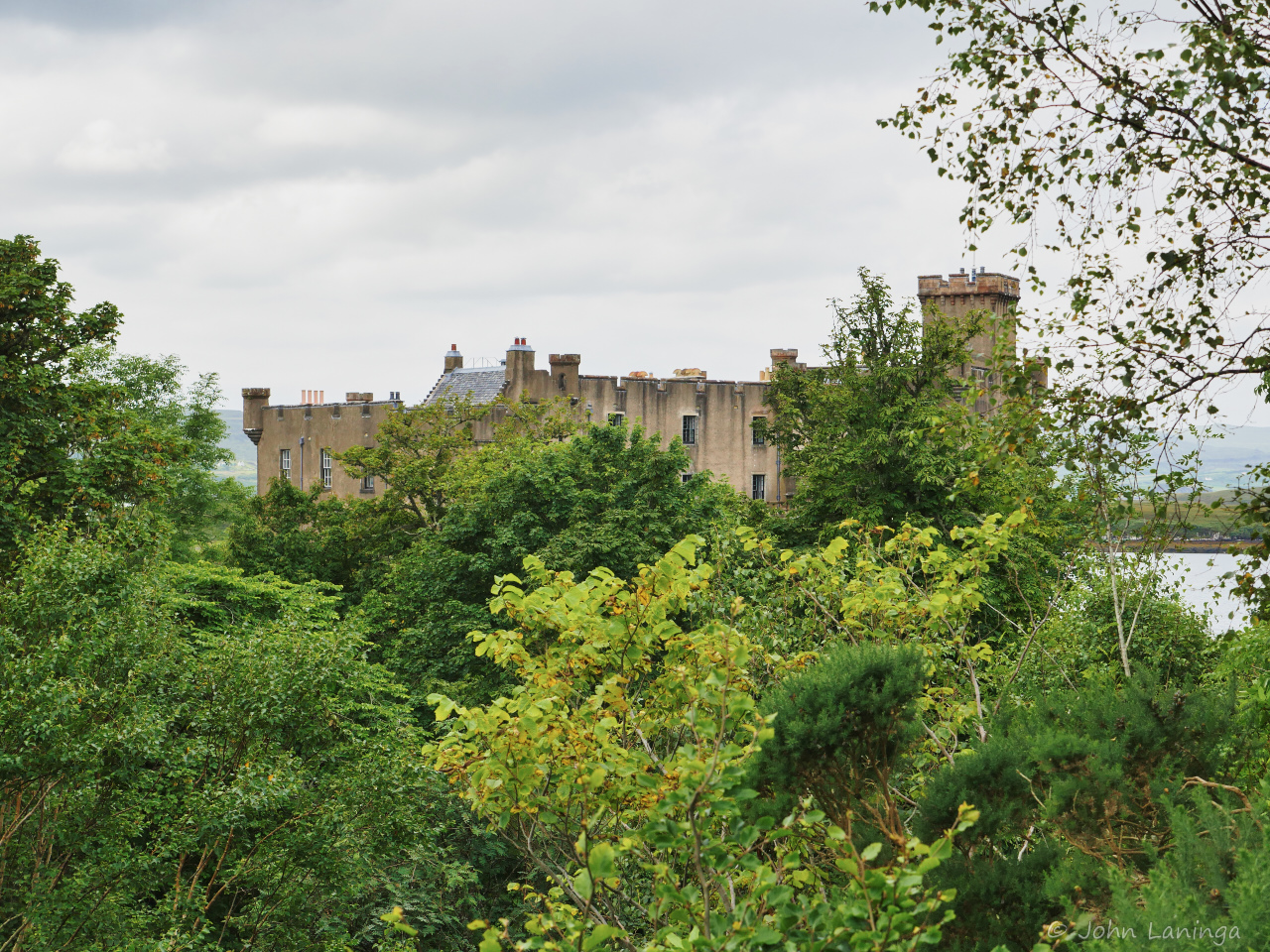
Castle from a distance
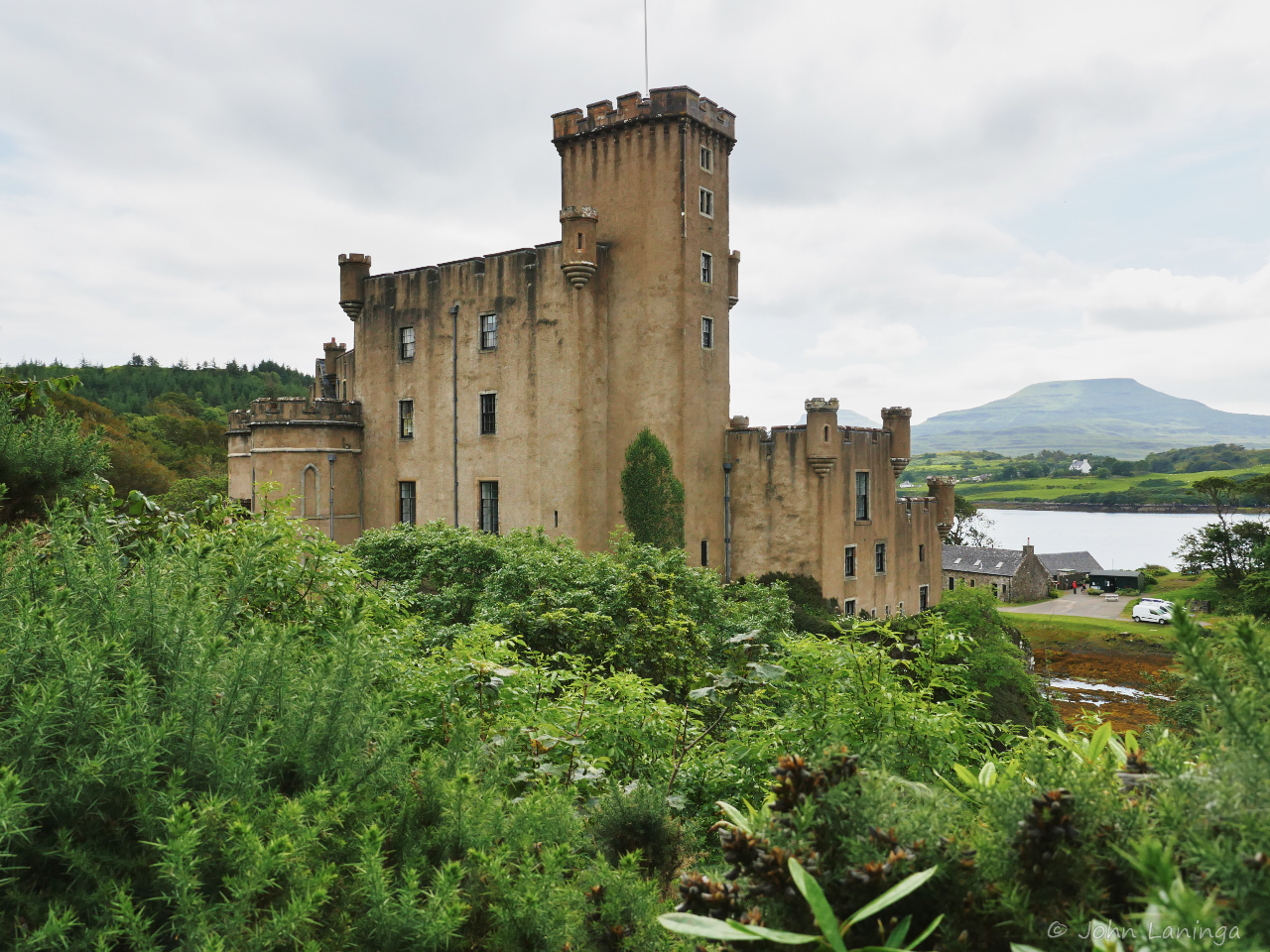
Castle elevation
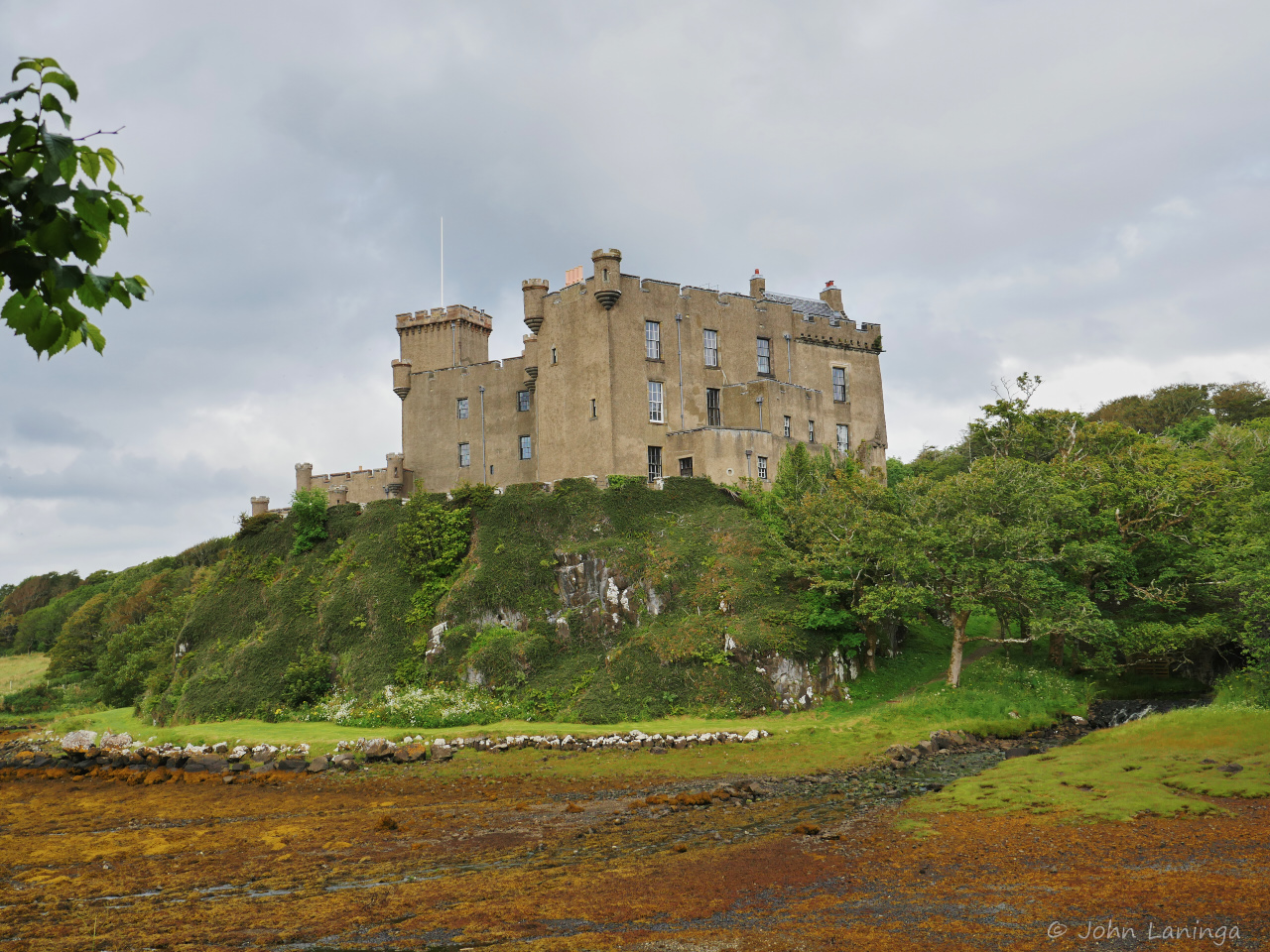
Viewed from the ocean side
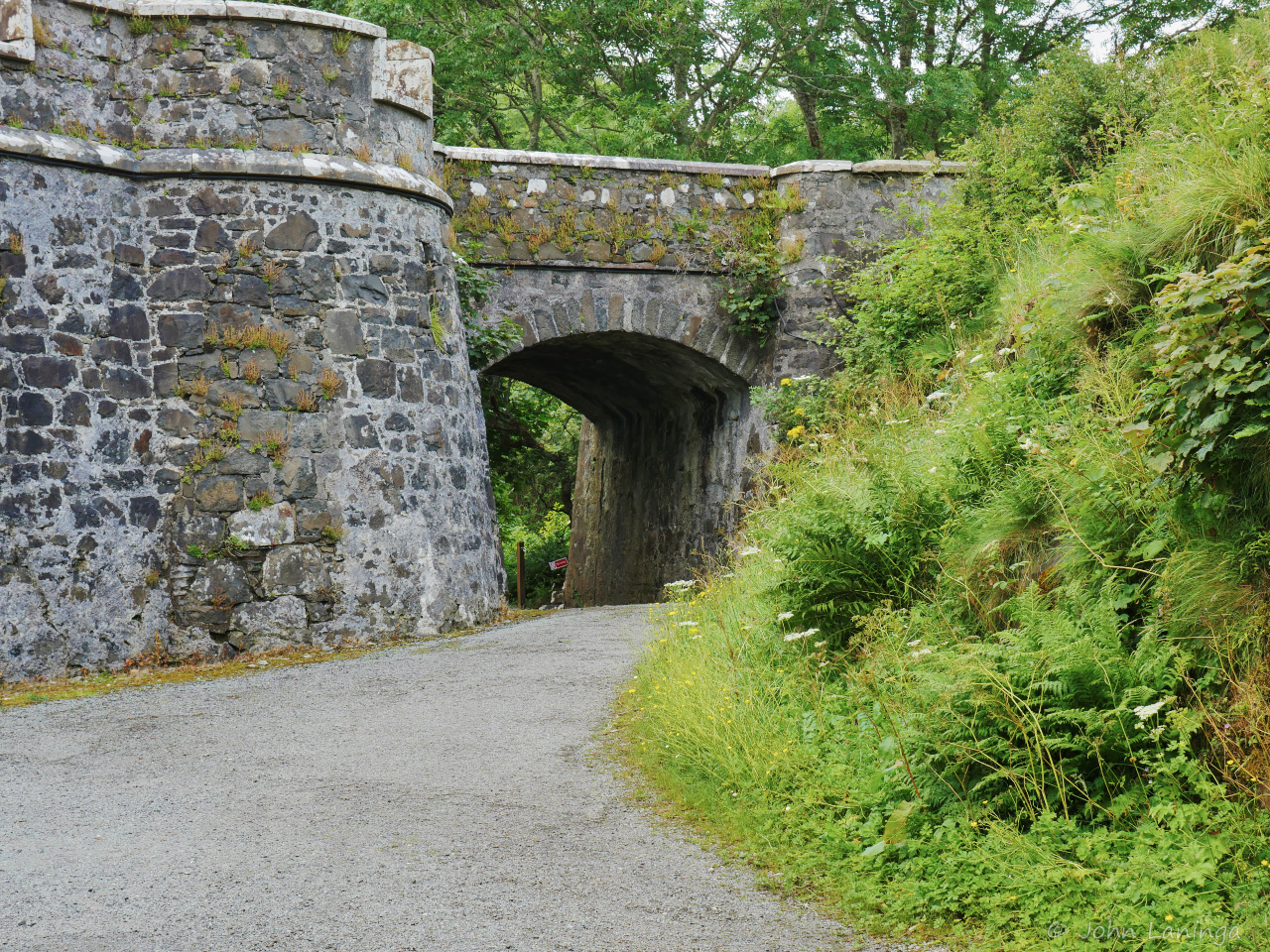
An old bridge under the castle entrance
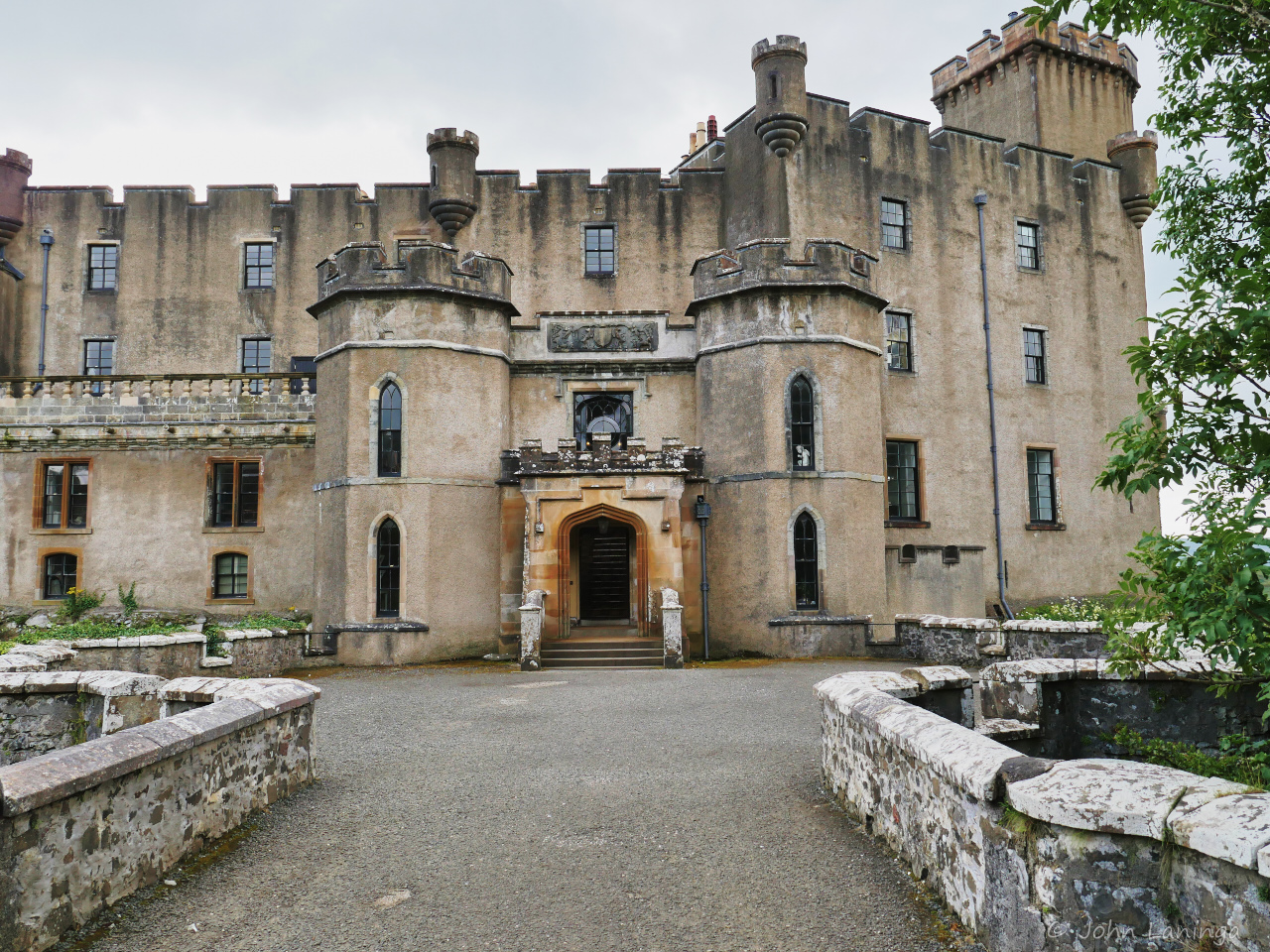
Castle entrance
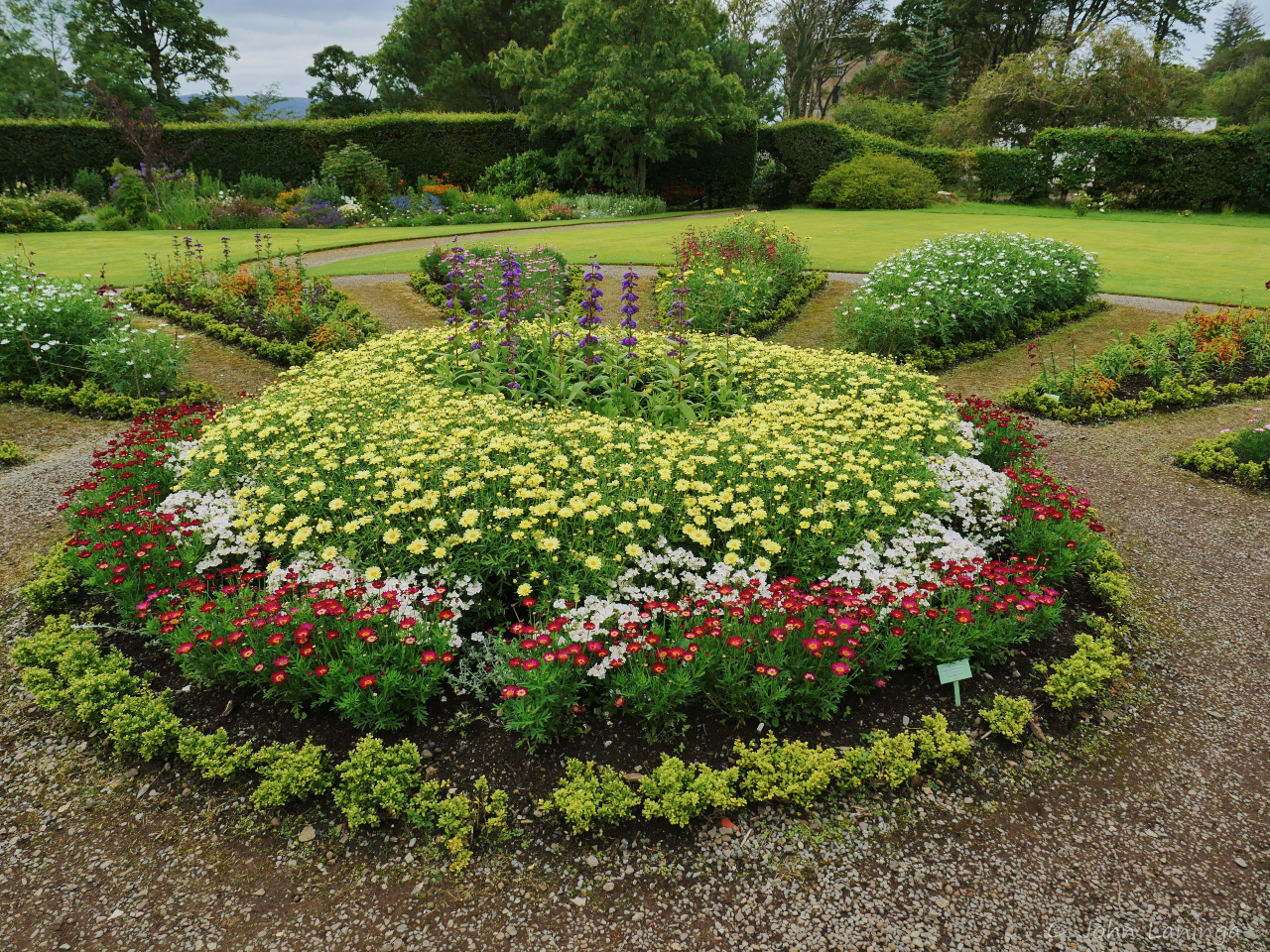
Part of the garden
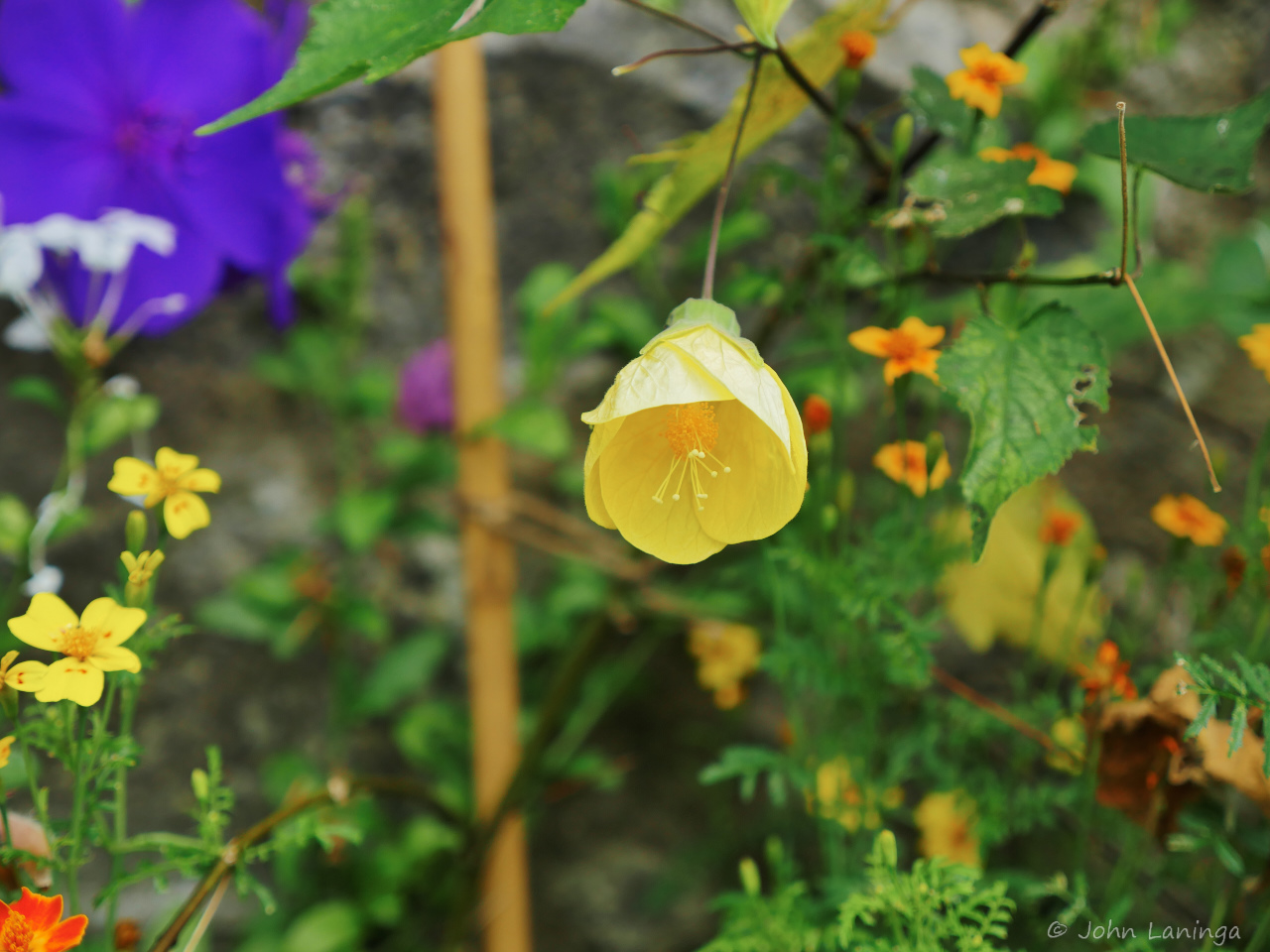
Lovely little flower
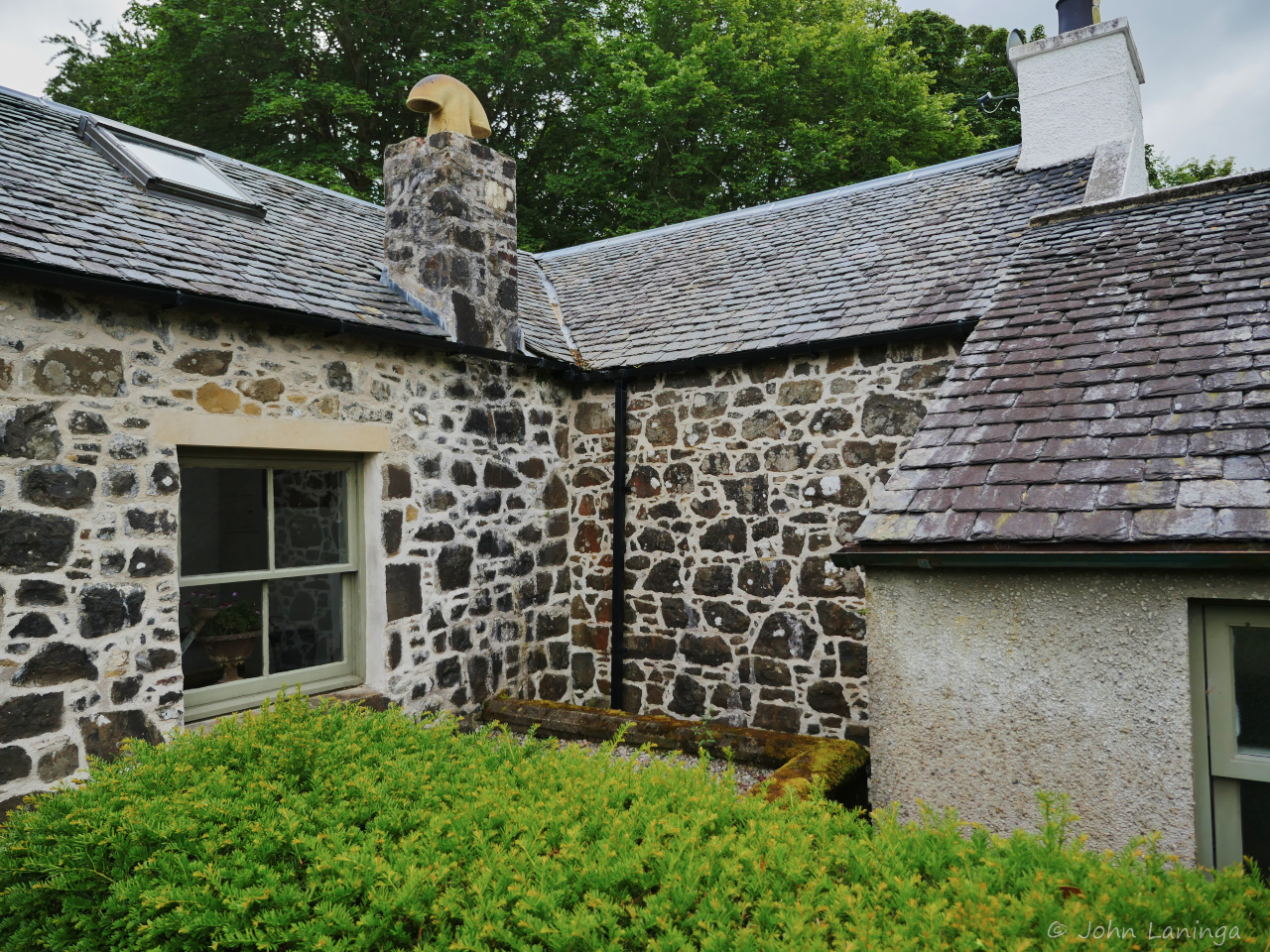
Gardener’s cottage
This castle is tho oldest clan
Battles, monsters and whiskey
Whew, busy day today (and getting used to driving on the wrong side of the road)
We started at the Culloden Battlefield. Here, in the mid 1700’s, the Jacobites (Catholics under Prince Charles, mostly from the Highlands) fought an epic battle with Government forces (Protestants under General Cumberland). The goal was to wrest control of Scotland back from the British. However, the Jacobites were routed and Scotland stayed in British control. The above is very very shortened, but gives you an idea. I think for the Scotish the Culloden Battle is viewed a bit like we view the battle of Gettysburg.
Then off to Loch Ness. We thought we saw Nessie, but it turned out to be a rock. Oh well, it is a beautiful lake. The Vistor Center had a very comprehensive multimedia presentation on the geographic history, the many rumors surrounding Nessie, and the results of a lot of searching for the lost monster.
Our last stop was at the Glen Ord distillery. Here they make single malt scotch specifically aimed at the Asian market, where it is very popular. Our tour was quite extensive through the whole process, from the very first barley processing through to the final aging in barrels. At the conclusion we were able to try the various brands and could really compare the different tastes developed by the brewing process.
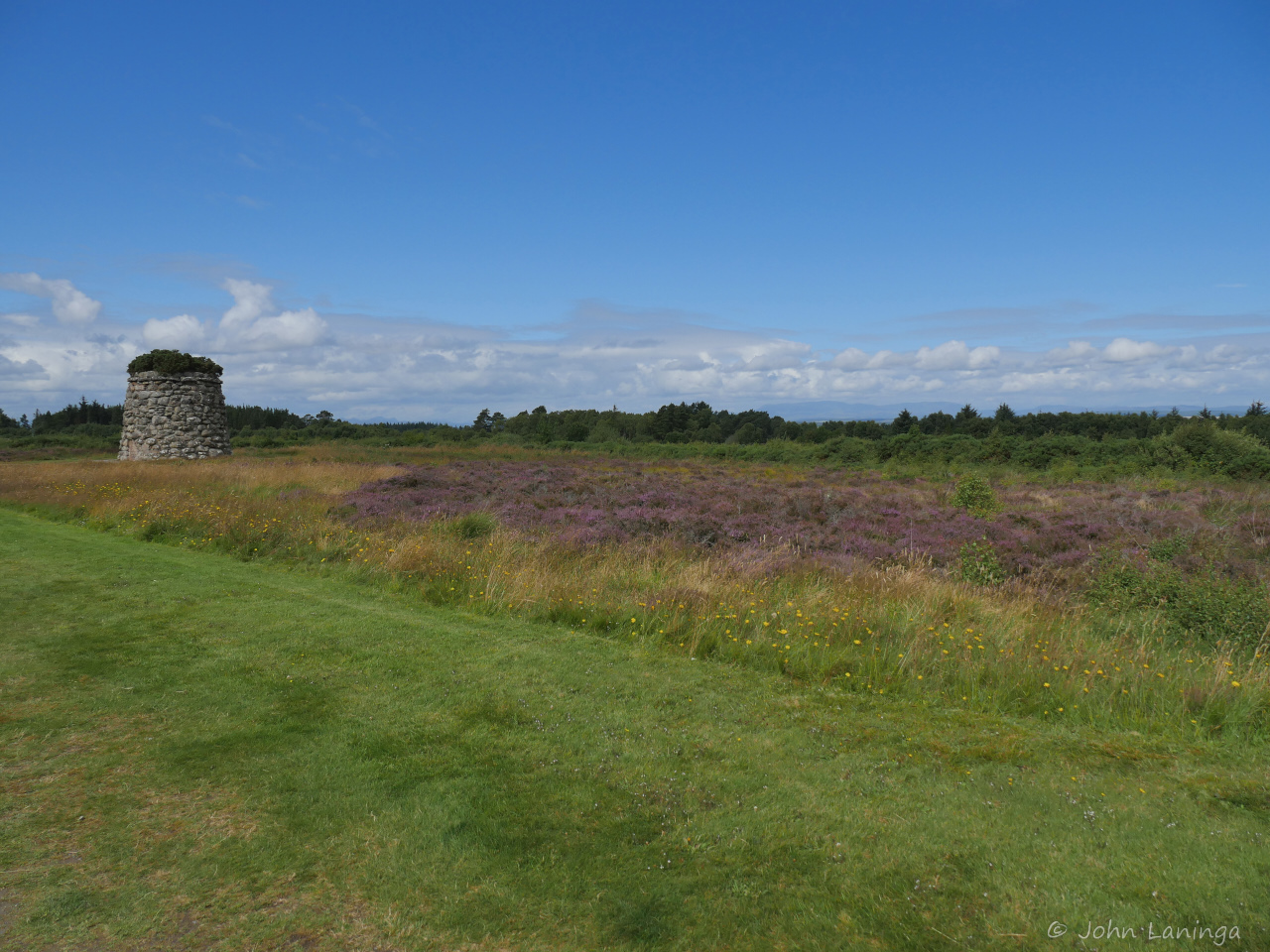
Some of the battlefield and the memorial cairn
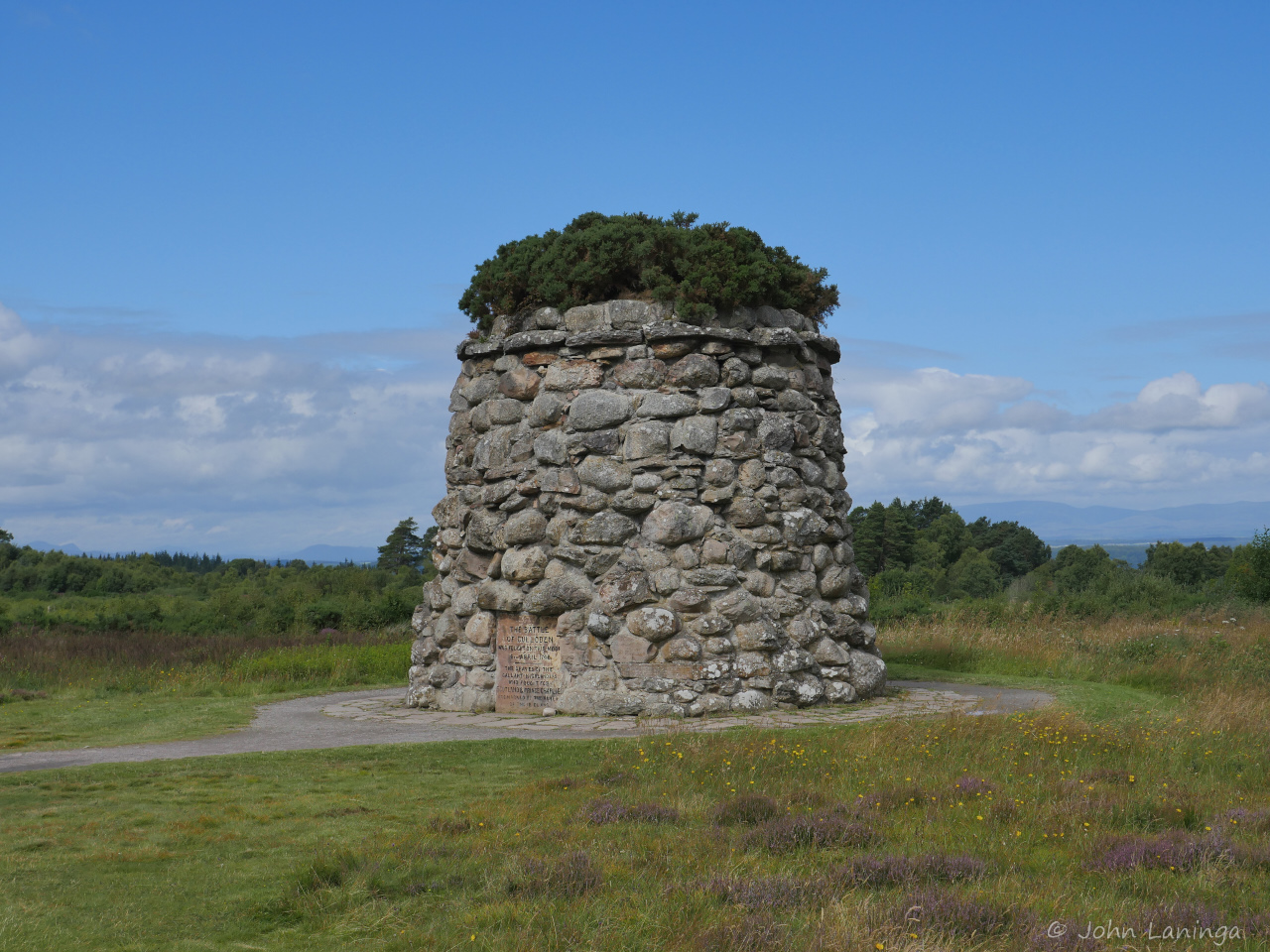
The memorial cairn
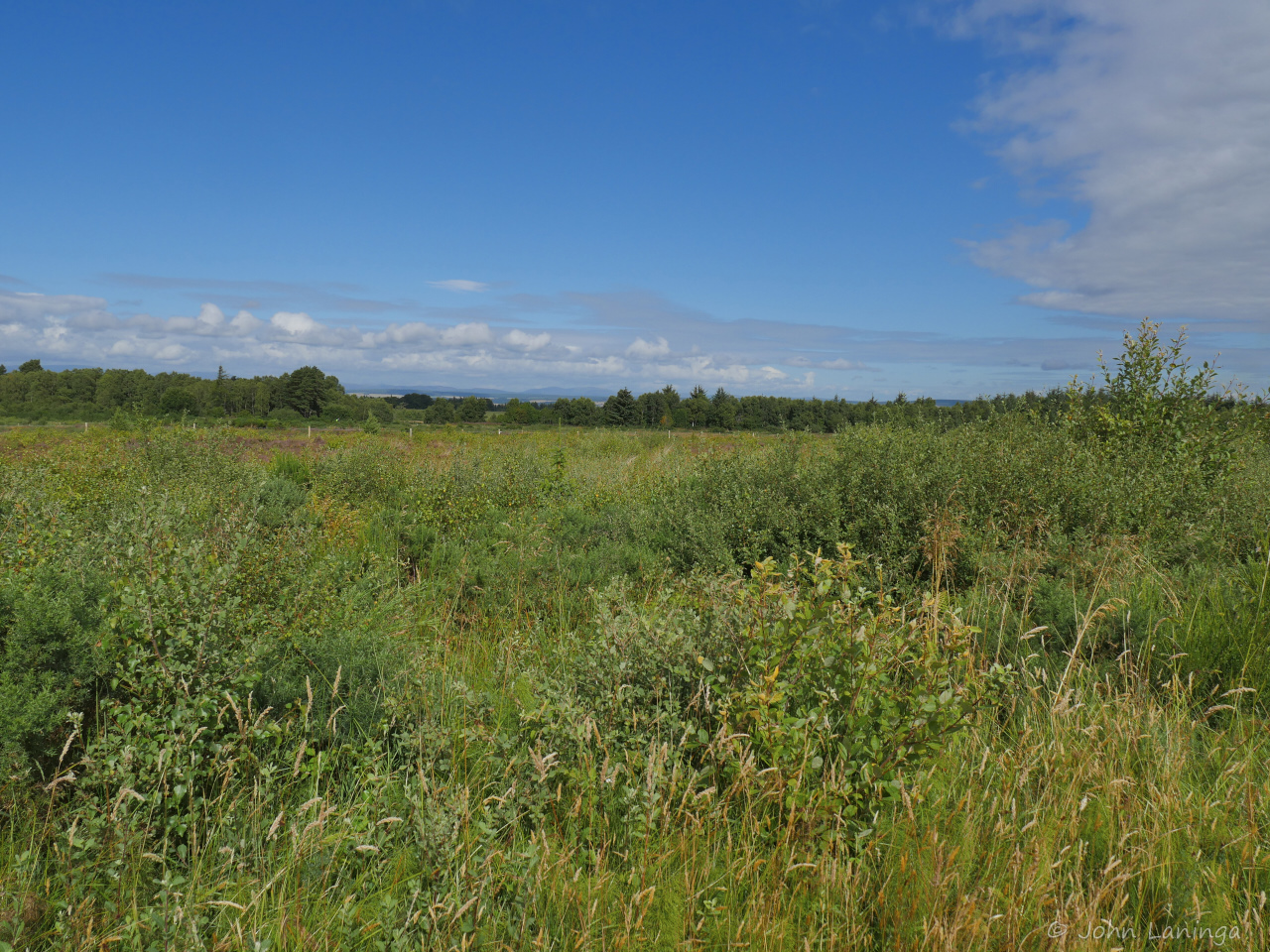
Looking across the battlefield
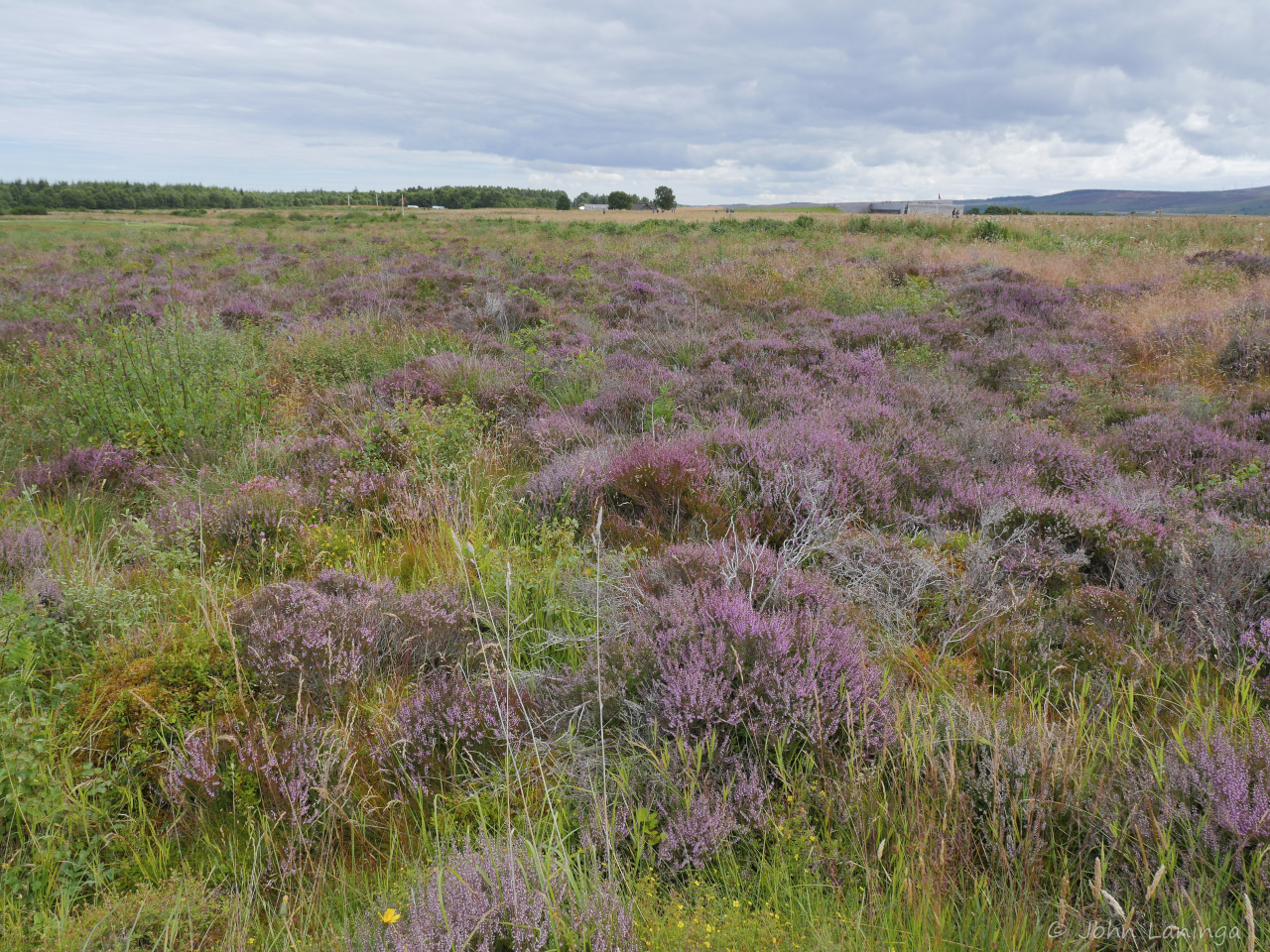
The heather made for hard going

An old farmhouse used during the battle

Closer view of the old farm house
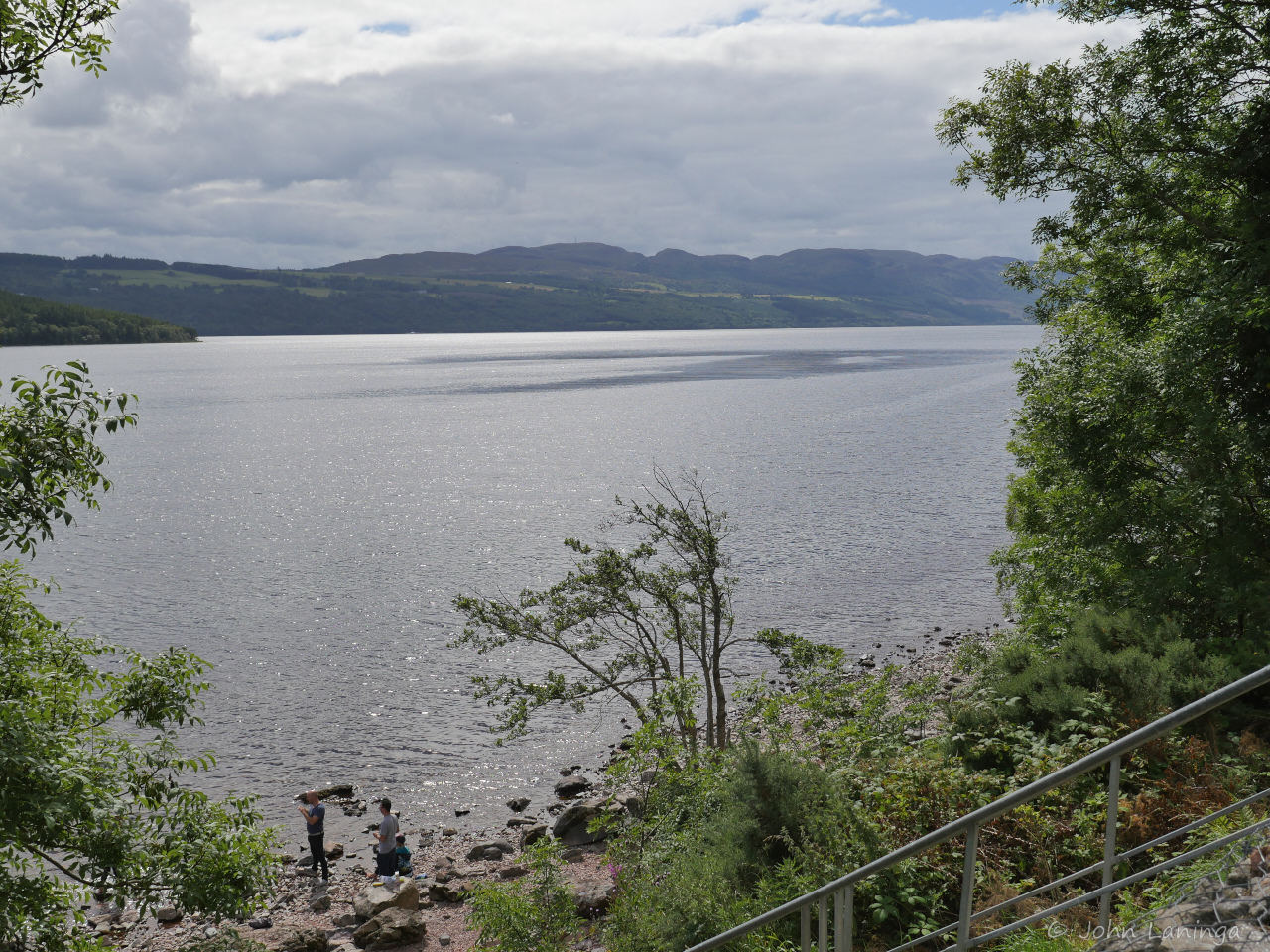
What’s that black on the lake? Nessie?
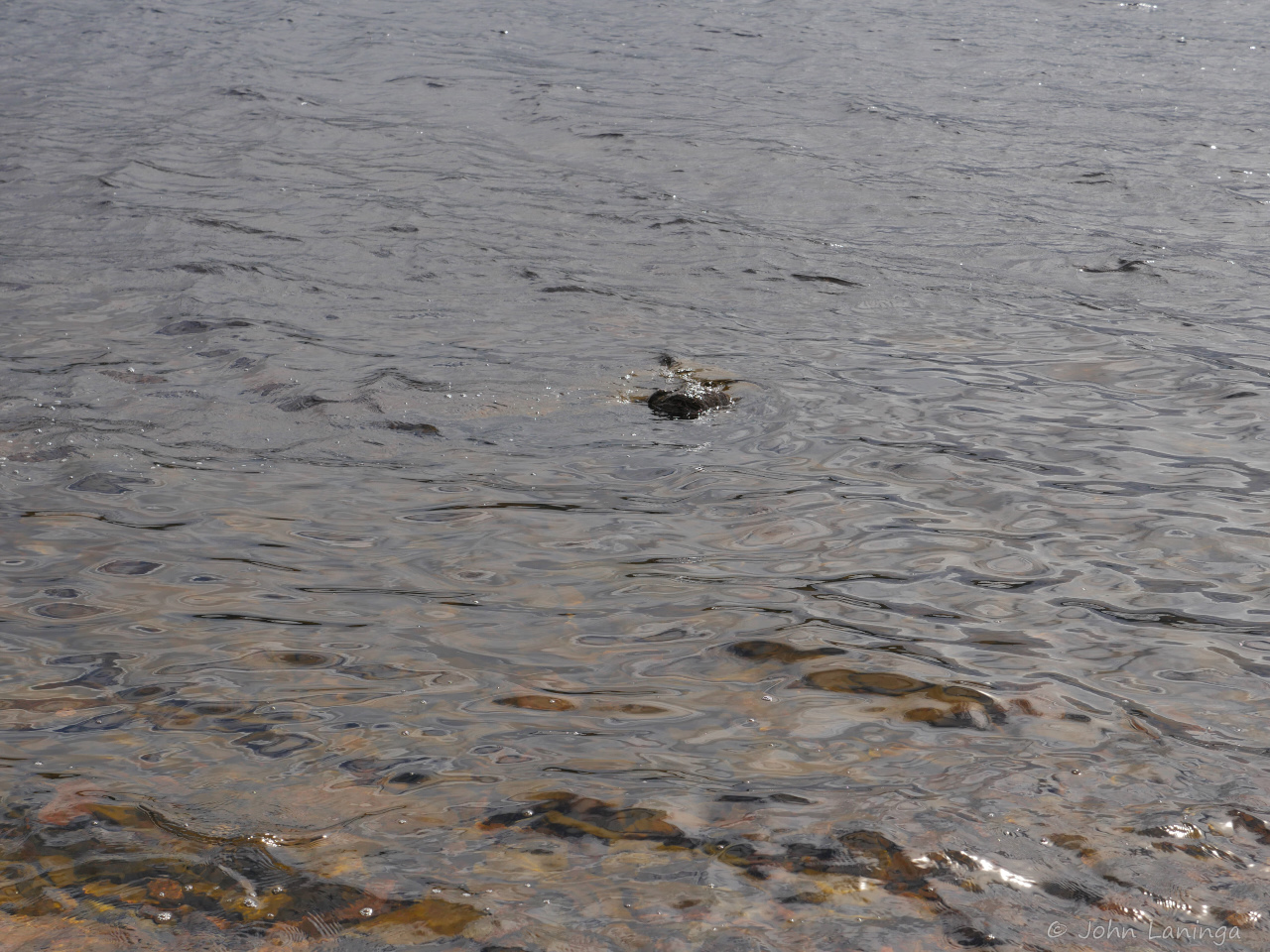
What’s that? Nessie?
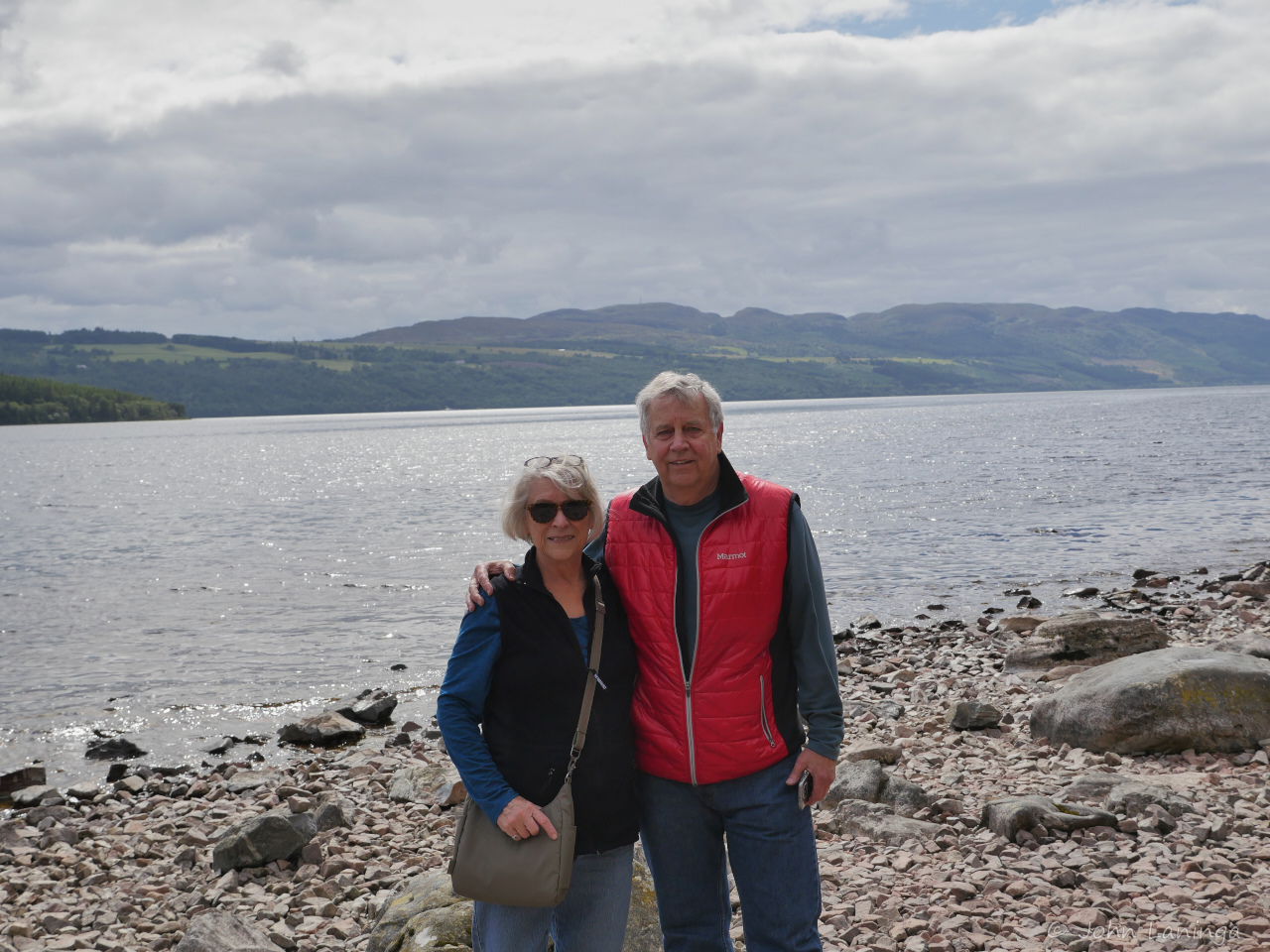
Turning our backs to Loch Ness, we’re not scared
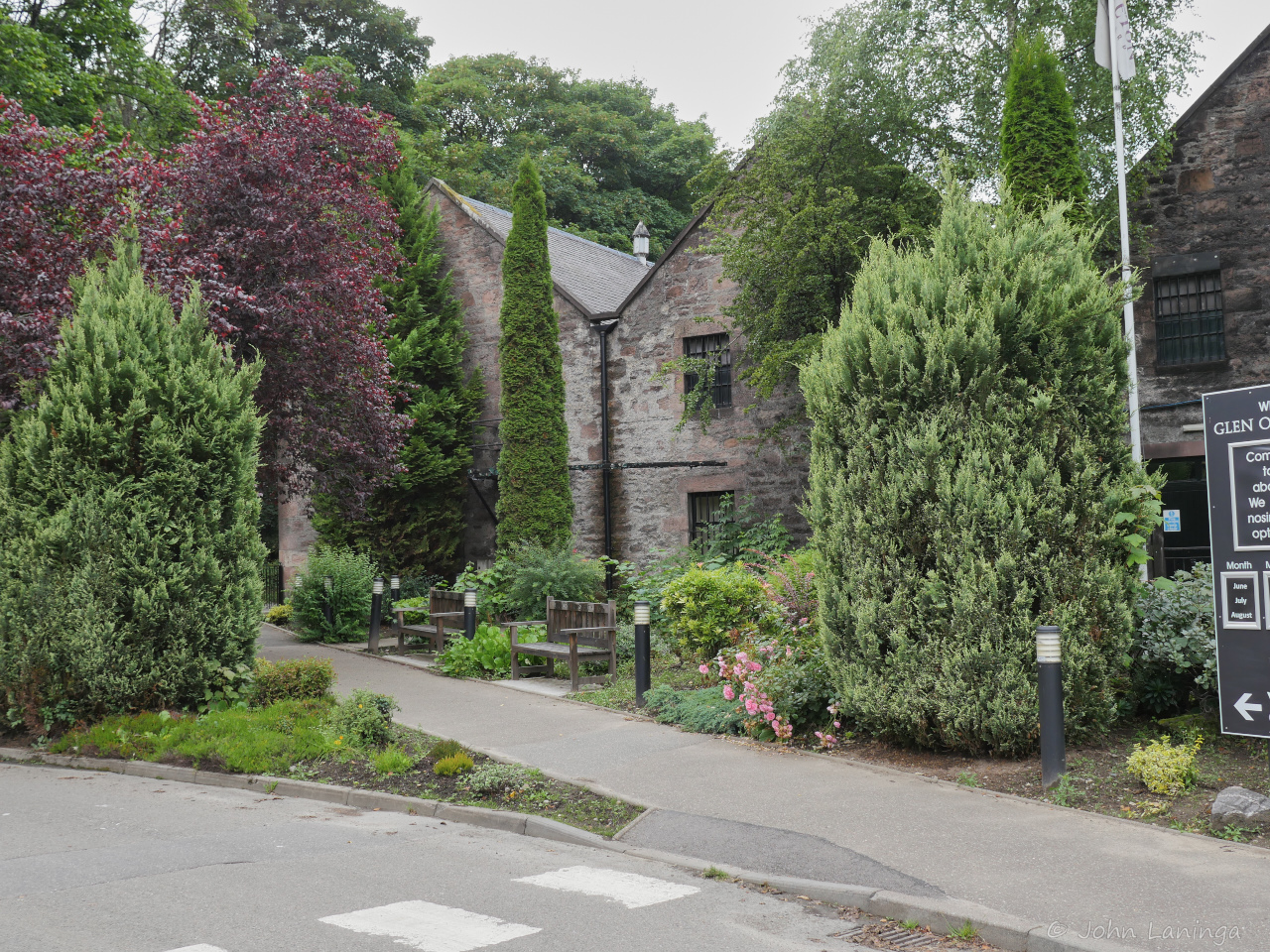
Very attractive brewery
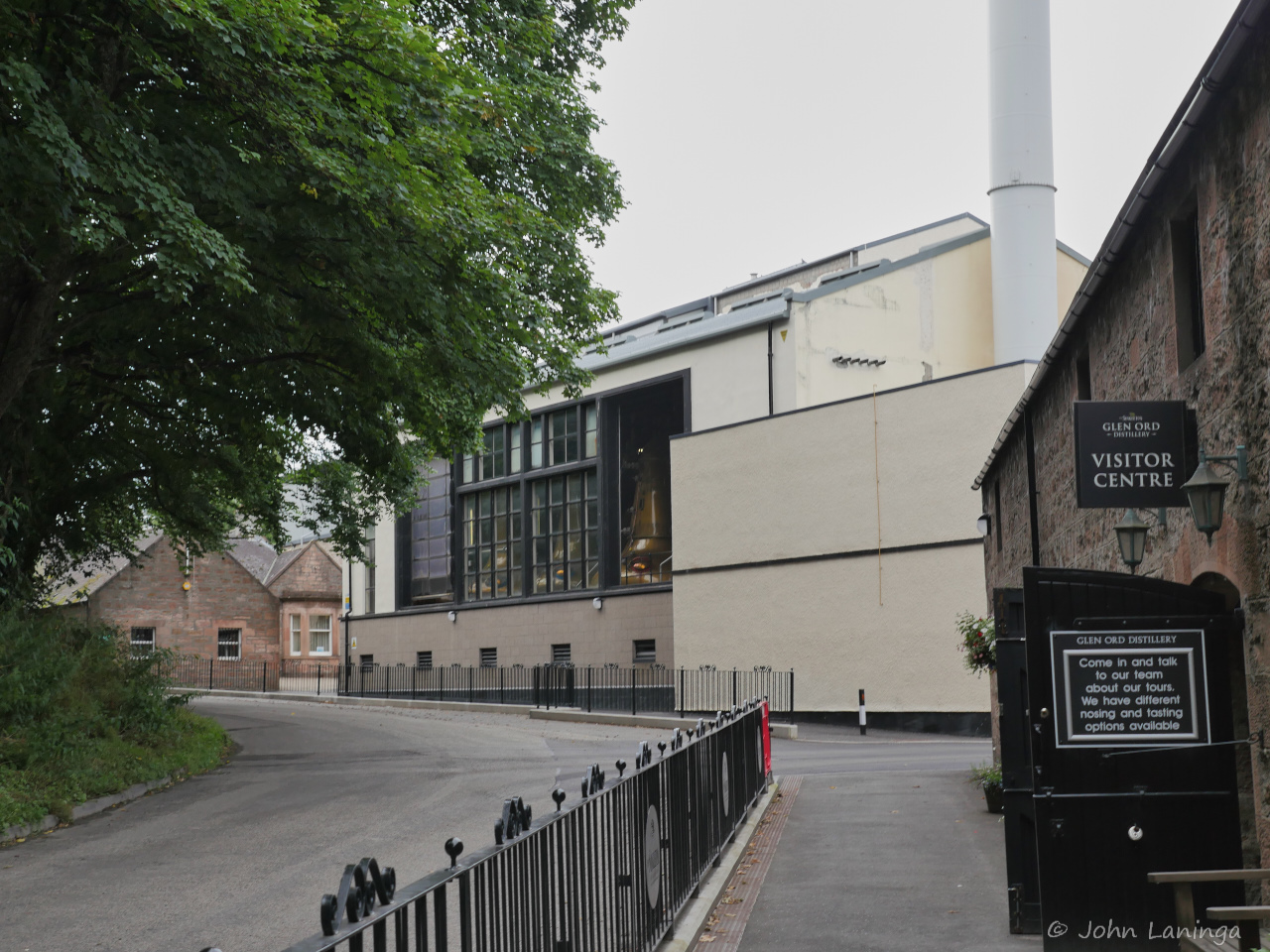
A view of the work areas
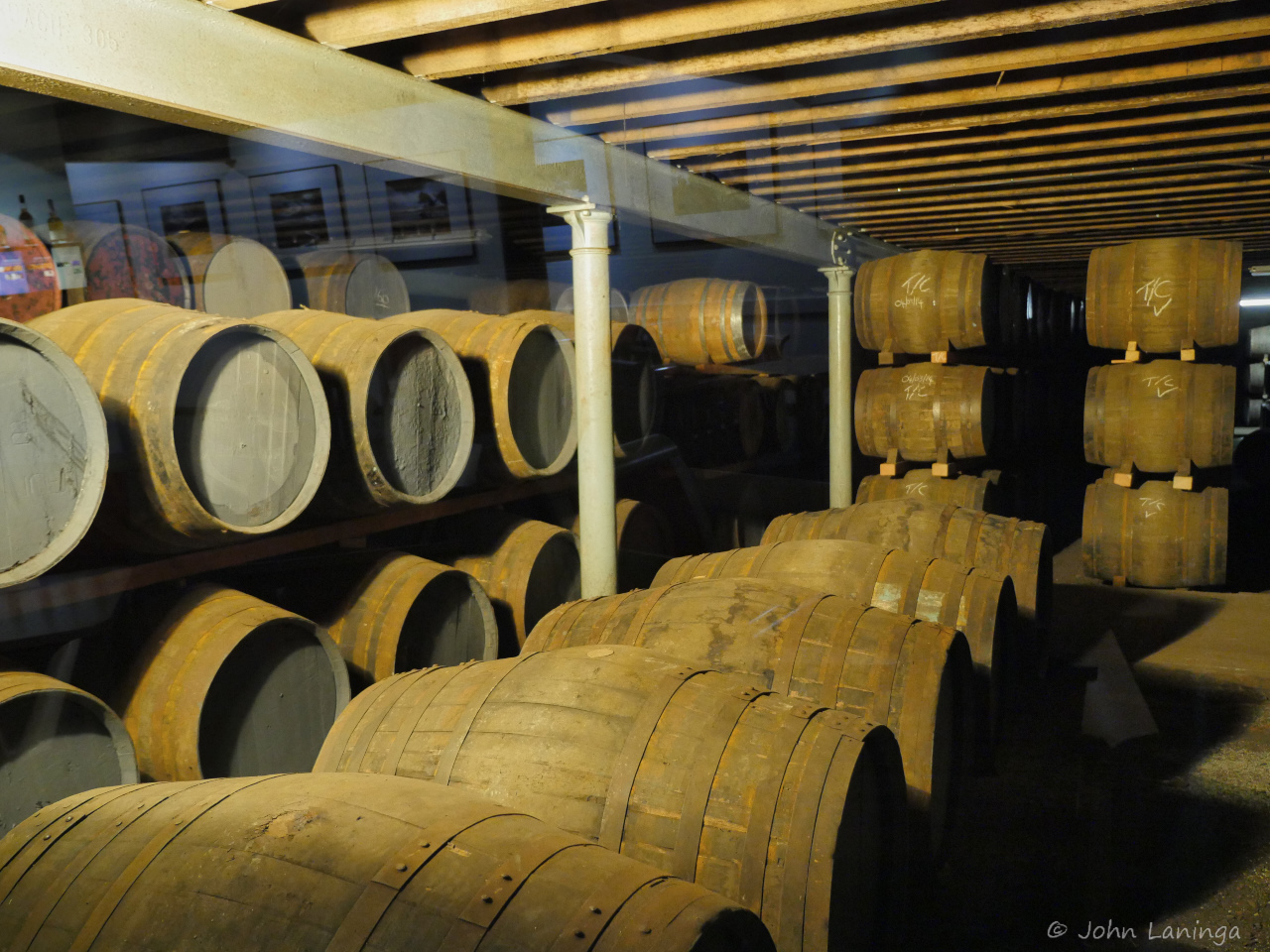
Good stuff, resting for 12 to 18 years
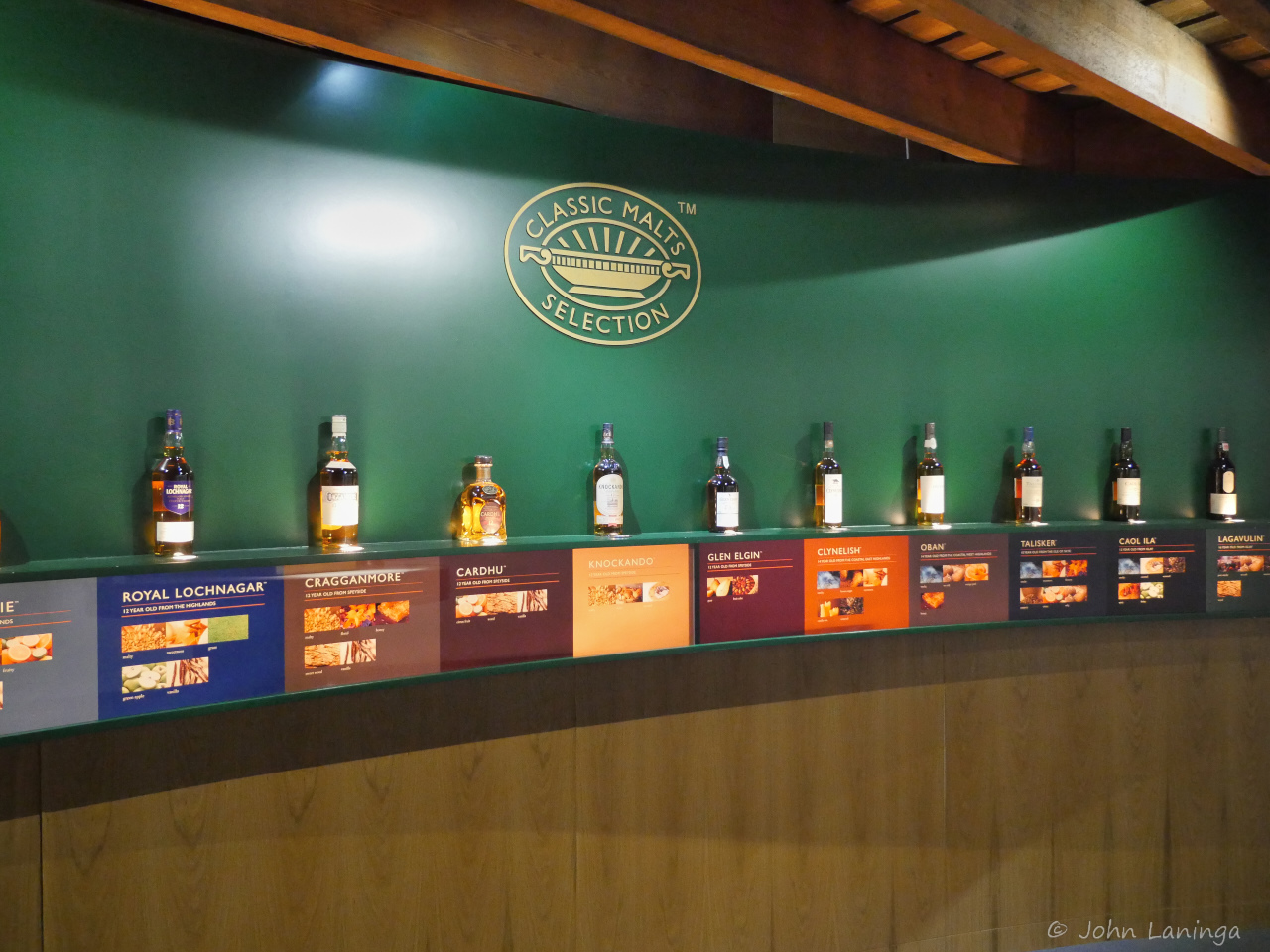
The variety of single malt whiskeys distilled here
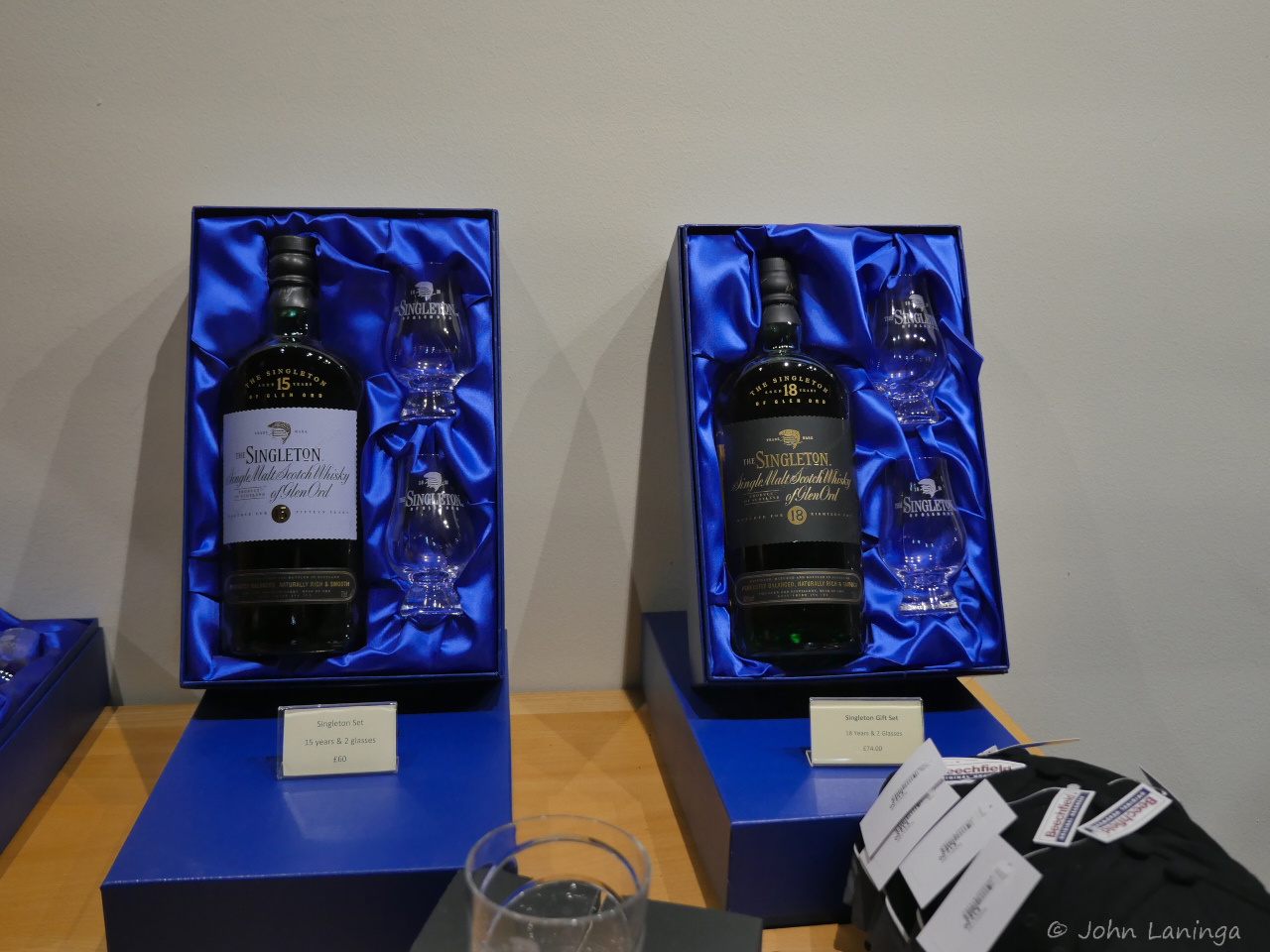
Packaged to sell
 Laninga's Travel Blog